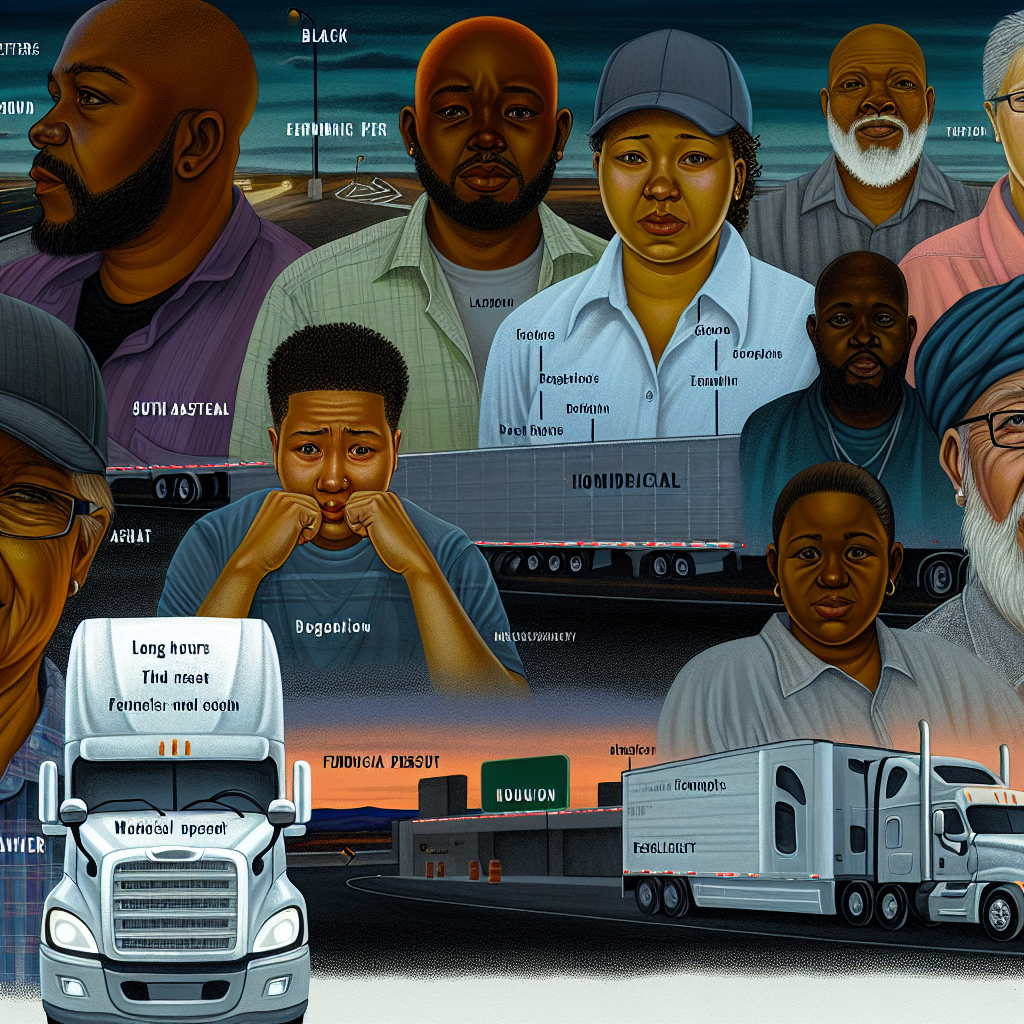
In an industry where safety and competence are paramount, the Federal Motor Carrier Safety Administration (FMCSA) plays a crucial role in overseeing the testing processes for Commercial Driver’s Licenses (CDLs). Ensuring the integrity of knowledge and skills tests is not just about compliance; it is about safeguarding public safety on our roads.
As the challenges of the trucking industry evolve, so do the pressures and potential pitfalls for new drivers. One glaring concern is the rise of predatory lease-purchase programs that can exploit budding truckers, masking themselves as viable paths to ownership while leading many into financial distress.
The intersection of these testing oversights and the predatory practices in the industry underscores the urgent need for scrutiny and reform, emphasizing FMCSA’s vital responsibility to uphold the standards of the CDL testing process and protect the livelihoods of prospective drivers. Understanding these dynamics is essential to addressing the future of trucking with integrity and fairness.
FMCSA’s Role in CDL Testing Oversight
The Federal Motor Carrier Safety Administration (FMCSA) is at the forefront of overseeing the knowledge and skills testing for Commercial Driver’s Licenses (CDLs). This agency is charged with the pivotal responsibility of setting standards that ensure only qualified drivers are licensed to operate commercial vehicles on the nation’s highways. Its authority encompasses both the direct oversight of state testing procedures and the establishment of broad regulations governing these critical testing protocols.
Recent audits conducted by the U.S. Department of Transportation’s Office of Inspector General (OIG) have highlighted the significant role FMCSA plays in maintaining the integrity of CDL testing. In 2023, the OIG announced an audit to assess FMCSA’s effectiveness in ensuring compliance among states regarding CDL knowledge and skills testing regulations. The aim was clear: to evaluate whether the existing oversight mechanisms successfully prevent unqualified drivers from obtaining licenses, thus promoting public safety on the roads (source).
One of the focal points of FMCSA’s recent activities has been the involvement of third-party examiners in the testing process. A report released to Congress indicated the need for standardized training and oversight to ensure that these third-party CDL skills test examiners uphold the integrity of the testing program. FMCSA has been proactive in recommending best practices and uniform standards for states utilizing third-party examiners to mitigate discrepancies in testing quality (source).
Moreover, in an effort to bolster its oversight capabilities, FMCSA proposed amendments to the CDL requirements that would increase monitoring and auditing of states that authorize third-party knowledge testers and examiners. These proposed changes aim to reinforce FMCSA’s oversight and enhance the integrity of the overall testing process (source).
Through these initiatives, FMCSA is demonstrating its commitment to implementing rigorous standards for testing and ensuring that the integrity of the CDL knowledge and skills tests is upheld. The implications of these measures are significant as they directly correlate with road safety and the overall quality of drivers entering the workforce. In a landscape where challenges persist, FMCSA’s efforts to enhance oversight of CDL testing remain crucial in safeguarding public safety against potential risks posed by unqualified drivers.
Summary of Recent FMCSA Audits and Findings
In recent years, the Federal Motor Carrier Safety Administration (FMCSA) has ramped up its efforts to maintain the integrity of Commercial Driver’s License (CDL) knowledge and skills testing through rigorous audits and studies. Here are some of the key findings from 2023:
-
Audit Initiation by the Office of Inspector General (OIG)
The U.S. Department of Transportation’s Office of Inspector General announced an extensive audit aimed at evaluating FMCSA’s oversight of state CDL testing programs. This audit focuses on assessing compliance with federal regulations to understand how effectively FMCSA is ensuring that state procedures do not allow unqualified drivers to obtain licenses [source].
-
Effectiveness of Third-Party Testing
A report released in April 2023 detailed a study on third-party testing programs for CDL skills. This study investigates how the implementation of minimum training and testing standards influences both driver performance and overall safety on the road. The findings from this study are expected to guide future policies and enhance the quality of testing [source].
-
Proposed Amendments to CDL Requirements
On February 2, 2024, FMCSA proposed amendments intending to tighten the rules surrounding third-party knowledge examiners and skills tests. The proposed changes suggest modifications that would not only allow for more flexible testing options for applicants but also increase adherence to stringent standards for knowledge testing. These efforts are designed to bolster the integrity of the testing programs while facilitating better access for applicants [source].
-
Best Practices Guidance for Third-Party Examiners
FMCSA also released guidance in February 2023 which emphasizes best practices for states allowing third-party testing. Recommendations include mandatory training for examiners and conducting regular unannounced inspections to ensure compliance. This initiative is aimed at preserving the integrity of the knowledge testing program and reinforcing public confidence in the CDL licensing process [source].
These ongoing efforts demonstrate FMCSA’s commitment to enhancing the quality and integrity of CDL testing, thereby ensuring that safe and qualified drivers are operating commercial vehicles across the nation.
| Lease-Purchase Program | Average Monthly Cost | Terms | Ownership Success Rate | Impact on Drivers |
|---|---|---|---|---|
| Program A | $1,000 | 3 years, with high penalties | Less than 1% | Many drivers face financial distress; often unable to consolidate debt. |
| Program B | $1,200 | 4 years, balloon payment after term | About 1% | Drivers report lingering debt and inability to transition out. |
| Program C | $950 | 2 years, with hidden fees | Less than 0.1% | Drivers often trapped in endless cycle of leasing without ownership. |
| Program D | $1,100 | 5 years, excessive late fees | Less than 0.5% | Significant toll on wellbeing; increased stress and financial burden. |
| Program E | $1,300 | 4 years, includes maintenance costs | 1% | Drivers express feelings of defeat and loss of hope for ownership. |
Expert Opinions on Predatory Lease-Purchase Programs
Predatory lease-purchase programs in the trucking industry have drawn significant criticism from industry leaders and policymakers. Below are statements from Todd Spencer, Julia Brownley, and Sean M. O’Brien, along with the context in which they were made:
-
Todd Spencer, President of the Owner-Operator Independent Drivers Association (OOIDA):
- Statement: “These scams dangle the promise of ownership but leave drivers broke, trapped in debt, and kicked to the curb with nothing to show for it.”
- Context: In September 2025, Todd Spencer expressed strong support for the Predatory Truck Leasing Prevention Act introduced by Congresswoman Julia Brownley. He highlighted how such schemes exploit truck drivers by offering false promises of truck ownership, ultimately leading to financial ruin. Source
-
Julia Brownley, U.S. Congresswoman:
- Statement: “Far too many drivers are trapped in crushing debt, denied fair pay, and prevented from ever owning their trucks.”
- Context: In September 2025, Congresswoman Brownley introduced the Predatory Truck Leasing Prevention Act (H.R. 5423) to address exploitative leasing practices in the trucking industry. She emphasized the detrimental impact of these programs on drivers’ financial stability and their ability to achieve truck ownership. Source
-
Sean M. O’Brien, General President of the International Brotherhood of Teamsters:
- Statement: “Predatory truck leasing arrangements target decent hardworking people looking for careers in the trucking industry only to lead them to financial ruin.”
- Context: In September 2025, Sean M. O’Brien endorsed the Predatory Truck Leasing Prevention Act, aligning with the findings of the Truck Leasing Task Force. He criticized these leasing arrangements for exploiting individuals seeking careers in trucking, resulting in financial devastation. Source
These statements underscore a collective effort to eliminate predatory lease-purchase programs that adversely affect truck drivers’ financial well-being and career prospects.

Impact of Predatory Lease-Purchase Programs on Truck Drivers
Predatory lease-purchase programs in the trucking industry have emerged as a significant concern, particularly for truck drivers seeking ownership opportunities. While these programs claim to offer a straightforward path to truck ownership, they often leave drivers trapped in cycles of debt and financial instability.
Financial Hardship
Lease-purchase agreements frequently impose excessive costs and hidden fees on drivers, ensnaring them in financial traps. A report by the Truck Leasing Task Force revealed that fewer than 1% of drivers complete these leases successfully. Many drivers enter these agreements believing they are investing in their own future but often end their contracts with nothing to show for their efforts, overwhelmed by debts amounting to thousands of dollars (source).
Personal stories reveal the harsh realities faced by drivers caught in these programs. For instance, one driver shared how he entered a lease program with a promise of ownership, only to find himself facing monthly payments that drained his income and left him unable to support his family. This experience is echoed by many others who describe feelings of defeat and hopelessness as they struggle to make ends meet while repaying inflated truck leases.
Lack of Control and Transparency
Many drivers have reported a lack of control over critical aspects of their trucking operation, such as maintenance and fuel costs. The power dynamics favor motor carriers, leaving independent drivers at a disadvantage. These agreements often lack transparency, with many drivers not fully understanding the ramifications of the contracts they sign. The TLTF has called for more standardized disclosure forms that would clarify the financial terms of these arrangements (source).
High Failure Rates
The Truck Leasing Task Force highlighted the alarming statistic that approximately 90% of drivers fail to successfully complete their lease-purchase agreements. Many drivers face financial ruin within just a few months of entering these contracts, illustrating how such arrangements are structured to benefit the carriers rather than the drivers (source).
Recommendations and Potential Solutions
In response to the adverse effects of these lease-purchase programs, the TLTF has made several recommendations:
- Ban on Carrier-Managed Lease-Purchase Programs: The TLTF recommends that Congress enact a ban on these programs, which they describe as “irredeemable tools of fraud and driver oppression” (source).
- Increased Oversight and Reporting: If a ban is not feasible, the TLTF suggests enhanced oversight, including protections for whistleblowers who report predatory practices, and mandatory audits to monitor driver outcomes (source).
- Educational Campaigns: Keywords and materials should be developed to educate drivers about the risks associated with lease-purchase agreements and to empower them to make informed decisions about their contracts (source).
- Regulatory Audits and Transparency Requirements: Regular audits of carriers involved in lease-purchase agreements could help ensure compliance with labor regulations and prevent employee misclassification, while more transparent contracts would protect drivers from hidden fees (source).
These proposed solutions aim to eradicate the exploitation of drivers and foster a fairer, more transparent leasing environment in the trucking industry, ultimately safeguarding the financial wellbeing of individuals striving for ownership and stability in their careers.
Conclusion
In summation, the Federal Motor Carrier Safety Administration (FMCSA) plays an indispensable role in safeguarding the integrity of Commercial Driver’s License (CDL) testing processes. However, the growing concern over predatory lease-purchase programs highlights an urgent need for comprehensive reform within the trucking industry. These programs prey on the vulnerable, trapping hard-working drivers in cycles of insurmountable debt and financial despair. The introduction of the Predatory Truck Leasing Prevention Act aims to address these exploitative practices, serving as a critical step towards protecting drivers and promoting a fairer industry.
Now is the time for all stakeholders—including policymakers, industry leaders, and driver advocacy groups—to unite in action. Vigorous support for legislative efforts that ban predatory lease-purchase schemes and enhance FMCSA’s oversight capabilities is crucial. By standing together, we can ensure that the promise of truck ownership remains a viable reality for those seeking a stable and rewarding career. Let us act decisively to foster a trucking industry that prioritizes justice, transparency, and the well-being of its drivers.
CDL Testing Integrity and Economic Impact
A study indicates that nearly half of all initial CDL skills tests faced delays, resulting in substantial economic losses. Delays totaled over 6.4 million days across the industry, stalling approximately 258,744 job opportunities and causing nearly $1.5 billion in lost wages annually. This situation demonstrates how inefficiencies in testing can ripple through the workforce, negatively affecting families and local economies.
Effects of Predatory Lease-Purchase Programs
Predatory lease-purchase programs have come under fire for their exploitative nature. The Truck Leasing Task Force found that a staggering 5.7% of truck drivers engage in these harmful agreements, and fewer than 1% achieve ownership. Many drivers, oftentimes subjected to hidden costs and overly complicated contracts, experience considerable financial hardship, mirroring findings that highlight drivers earning less than company drivers. These individuals often face crippling cycles of debt, which lead to significant emotional strain and compromised mental health.
Moreover, the financial pressures tied to these programs can result in compromised safety, as drivers may feel compelled to drive longer hours, thus increasing risks on the road. Calls for reforms, such as an outright ban on these agreements, have been made to protect drivers’ livelihoods and ensure their well-being.
In essence, the findings from these user impact studies illustrate the urgent need for reform to enhance CDL testing integrity and regulate predatory lease-purchase programs. By addressing these issues, we can safeguard truck drivers and their families from systemic exploitation and financial turmoil.