
In fleet management, compliance failures are a serious problem that can lead to catastrophic outcomes for operators. These failures have major financial consequences, threatening the survival of entire fleets.
The issue of nuclear verdicts—massive jury awards that can exceed $10 million—has become increasingly common, often tied to compliance violations. Additionally, regulatory breaches can result in operational shutdowns, putting fleets in a perilous position. A single error in compliance can trigger devastating financial fallout.
Therefore, it is vital for fleet operators to prioritize regulatory adherence and strong compliance management systems. This cautionary overview invites us to explore how compliance failures can cost fleets millions and emphasizes the urgent need for preventive measures to address these risks.


Implications of Nuclear Verdicts
As the frequency of nuclear verdicts—jury awards exceeding $10 million—continues to rise, companies face unprecedented financial risks that can jeopardize their very existence. In 2024 alone, there were 135 reported cases totaling over $31.3 billion, marking a staggering 52% increase from the previous year (source: Insurance Journal). This alarming trend indicates that juries are not only awarding significant sums but are also increasingly targeting industries such as trucking, pharmaceuticals, and agriculture.
The implications of these verdicts are dire. Companies often experience skyrocketing insurance premiums as insurers adjust to the heightened liability associated with these awards. Following significant payouts, businesses may find themselves needing to self-insure or raise deductibles significantly, further straining their financial resources. A single adverse verdict can lead to bankruptcy for many small and mid-sized fleets, with some unable to recover from such a financial blow. Reports indicate that post-verdict operational changes often become necessary, leading to further disruption and resource allocation away from core business activities.
Furthermore, the reputational damage stemming from a nuclear verdict can be insurmountable, leading to lost consumer trust and a decline in market share. As stated by legal commentators, the current climate is characterized by corporate mistrust and social pessimism, significantly influencing jury decisions and increasing verdict amounts.
Thus, the financial ramifications of nuclear verdicts are profound, necessitating an urgent reevaluation of compliance management strategies to mitigate risks and protect against potential legal and financial disasters.
Additional Reading and Resources
For more insights on the financial impact of compliance failures, consider these authoritative sources:
- The True Cost of Non-Compliance in Trucking by Motive: This article discusses the significant financial implications of non-compliance, noting that violations can lead to average costs of $10,000–$15,000 per incident in fines alone, alongside additional costs from lost revenue and increased scrutiny.
- FMCSA Penalties for Commercial Motor Vehicle Violations: Official updates on penalty amounts and the financial ramifications of different compliance failures.
- 2024-2025 Trucking Insurance Rates Rise Due to Compliance Issues: Explore how compliance failures contribute to rising insurance costs affecting the trucking industry, along with insights from the American Transportation Research Institute.
- The Costs of Non-Compliance in the Trucking Industry by Saskatchewan Trucking Association: This article examines how non-compliance can lead to significant penalties and increased insurance premiums, threatening operational viability.
- How Compliance Failures Cost Fleets Millions: An in-depth look at various compliance issues that expose fleets to severe financial risks, including the impact of nuclear verdicts.
These resources will help fleet operators understand the critical nature of compliance and the financial repercussions of failures, serving as a basis for implementing better management strategies.
User Adoption Data of Compliance Management Systems in the Trucking Industry
The adoption of compliance management systems within the trucking industry has become critical in mitigating financial risks and enhancing operational efficiency. A systematic review published in MDPI emphasizes that while safety monitoring systems can significantly improve regulatory compliance and productivity, various barriers hinder widespread adoption. These barriers include high implementation costs, technical complexities, privacy concerns, and resistance from drivers. The review also highlights economic impacts from road crashes, which can exceed 3% of GDP annually, underscoring the financial stakes involved in compliance failures.
Reports from FreightWaves reveal that the rapid growth of small trucking carriers has led to unsafe practices and heightened compliance risks. This increase in unsafe operations has resulted in substantial financial and liability risks for these carriers. Additionally, New Jersey’s truck liability insurance surge to $1.5 million illustrates the rising costs associated with compliance, putting additional pressure on fleets.
A case study featured in an Invensis article notes that J.B. Hunt successfully adopted a customized compliance management system that provided real-time regulatory updates and enhanced driver training. This proactive approach not only facilitated efficiency gains but also significantly reduced penalty risks, critical in a multi-billion dollar industry.
Moreover, insights from SixSigma.us suggest that companies with robust compliance programs experience 23% fewer financial losses from incidents. They report an overall 18% increase in profits associated with strong risk management strategies and a 45% reduction in incident costs through integrated compliance programs. Additionally, non-compliance fines averaged $34.4 million per incident in 2022, highlighting the severe financial repercussions of ineffective compliance management.
In summary, the data indicates a compelling correlation between the adoption of compliance management systems and the reduction of financial risks and penalties for trucking fleets. Such systems not only enhance operational compliance but ultimately protect against significant financial fallout from non-compliance.
Comparison of Average Fines and Penalties
| Type of Fine | Average Amount | Regulatory Body | Description |
|---|---|---|---|
| FMCSA Audit Fine | $5,000 | FMCSA | Common fine issued following an audit. |
| Roadside Inspection Fine | $25 – Hundreds | State Regulators | Varies significantly by state; usually issued on the spot. |
| Vehicle Maintenance Violation | $500 – $1,500 | FMCSA | Fines related to unsafe vehicle conditions. |
| HOS Violation (Hours of Service) | $1,000 – $10,000 | FMCSA | Fines imposed for violations of hours of service rules. |
| Driver Qualification Violation | $1,000 – $5,000 | FMCSA | Issued for failing to meet driver qualification standards. |
| Environmental Compliance Violation | $500 – $25,000 | Various Agencies | Fines related to environmental regulations compliance. |
Operational Shutdowns and Their Costs
Operational shutdowns stemming from compliance failures represent a looming threat for businesses in the trucking sector. These interruptions can have extensive financial consequences, encompassing direct costs such as fines and indirect costs like lost revenue and productivity. The consequences of non-compliance are not merely one-off incidents—they can accumulate, resulting in long-term financial instability for fleets.
The average fine imposed by the FMCSA is approximately $5,000 following an audit, but this figure can soar significantly depending on the nature of the violation. For example, operational missteps related to Hours of Service (HOS) regulations can result in fines ranging from $1,000 to $10,000. Moreover, if a business faces repeated violations, it may experience heightened scrutiny, leading to operational shutdowns that can cost fleets dearly in lost business hours. A single day of forced downtime can equate to thousands of dollars in lost revenue, especially for small and mid-sized fleets that operate on tight margins.
Recent studies underscore the staggering impact of compliance issues. A survey conducted by Motive revealed that regulatory challenges could contribute to an average loss of around $1 million per company due to operational inefficiencies and mismanaged assets. Furthermore, the financial fallout from nuclear verdicts—a consequence of compliance failures in extreme cases—can lead to liabilities that may exceed $10 million.
The long-term implications of such operational shutdowns can be devastating. Fleets not only face immediate financial losses but also potential damage to their reputations, which can deter future business partnerships and result in a significant decline in market share. As the operational landscape becomes increasingly complex, fleet operators must prioritize regulatory compliance to safeguard against profound financial repercussions.
Financial Implications and Expert Insights
Industry experts recognize the necessity of comprehensive compliance management and its profound financial implications for fleets. Brandon Wiseman emphasizes,
“Not all accidents, even those involving fatalities, trigger an audit,”
illustrating the unpredictable nature of compliance enforcement which can lead to unexpected risks.
Lori Johnson adds,
“It can cost you not just monetary value and fines and penalties, but you’ve got lost productivity,”
highlighting that compliance failures extend beyond immediate costs to long-term operational inefficiencies.
Joel Sitak warns,
“For many small and mid-sized fleets, a single incident tied to poor compliance management can threaten the survival of the entire business,”
showcasing how critical compliance is to sustainability in the industry.
Mark Friedlander underscores the growing concern, stating,
“The rise of ‘legal system abuse’ fueled by third-party litigation funding… This ‘jackpot justice’ approach promises huge monetary rewards to accident victims, but it typically only generates more revenue for billboard attorneys.”
These insights collectively highlight that without robust compliance strategies, fleets not only risk incurring heavy fines but also jeopardize their operational integrity and financial security.
Conclusion
In conclusion, the financial fallout from compliance failures in fleet management is profound and far-reaching. As discussed, the incidence of nuclear verdicts has become alarmingly common, leading to potential losses exceeding $10 million and severe ramifications for operational viability. With average fines and penalties, ranging from $5,000 following FMCSA audits to losses as high as $1 million due to operational inefficiencies, the stakes for fleet operators continue to rise.
Expert insights shed light on the unpredictable nature of audits and compliance enforcement, stressing that every fleet manager must prioritize robust compliance management strategies. Brandon Wiseman’s observation that not all accidents trigger audits serves as a reminder of the inherent risks fleet operators face. Lori Johnson’s assertion that compliance failures can result in lost productivity highlights the broader implications beyond mere financial losses, while Joel Sitak’s warning emphasizes the existential threats posed by a single incident for small and mid-sized fleets.
As the trucking industry navigates an increasingly complex regulatory environment, fleet managers must act decisively. By prioritizing compliance management today, you can mitigate financial risks and protect your business against the looming specter of compliance-related penalties. Take action now to ensure your operations remain resilient in the face of these challenges.
Quote: “Investing in compliance management systems can save you from financial disaster while ensuring your fleet runs smoothly and efficiently.”

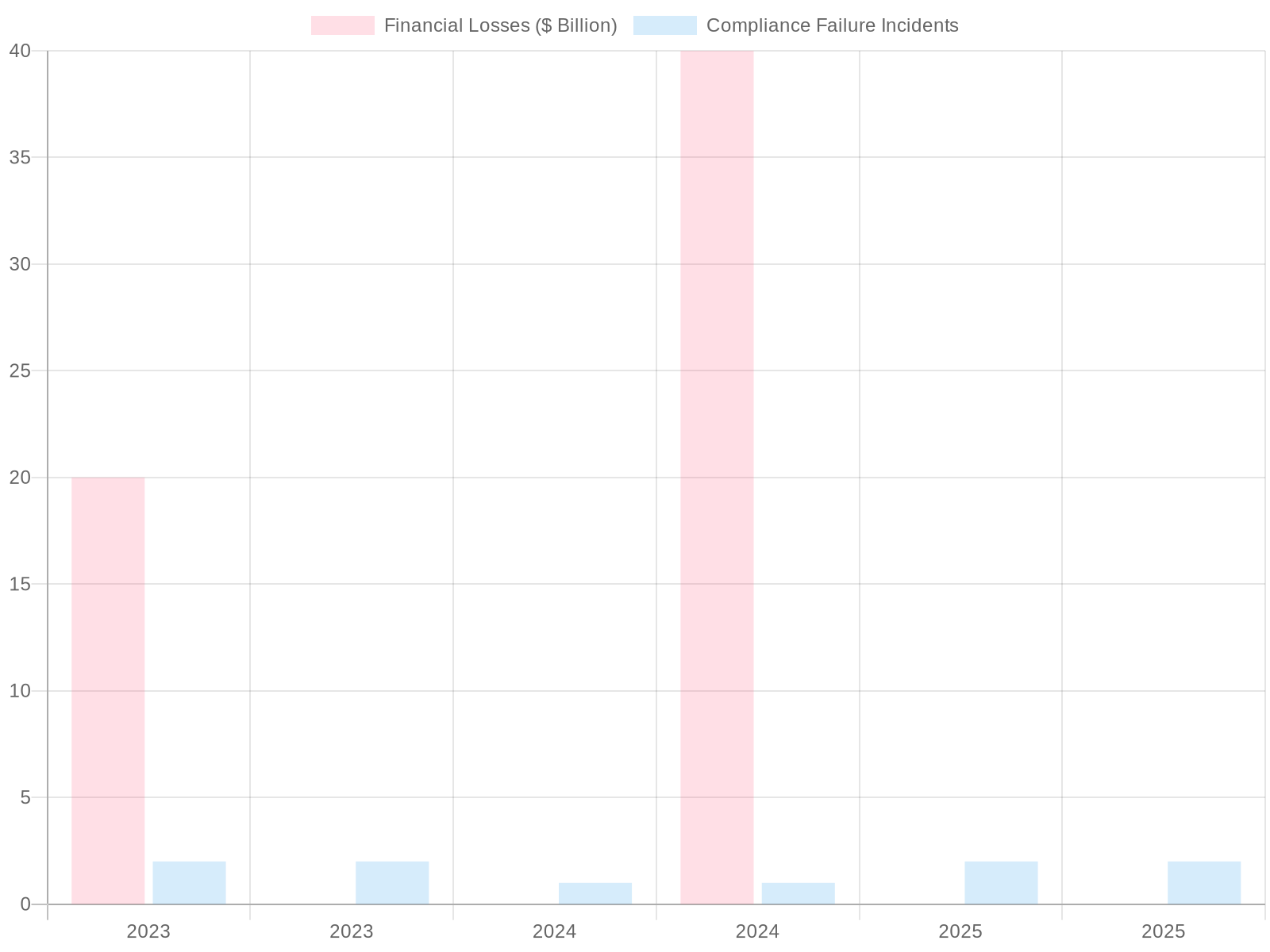
Given the severe financial implications of nuclear verdicts, investing in strong compliance management systems is not merely a proactive measure, but a necessary strategy to safeguard against potential financial devastation.
Recommended Outbound Links
- For fleet compliance technology: Fleet Compliance: A Three-Pronged Approach – Explains how technology streamlines compliance tasks.
- For regulatory compliance programs: What Is a Compliance Program and Why Trucking Companies Need One – Overview of essential components of compliance programs in trucking.