
In recent months, significant regulatory changes have emerged that could drastically reshape the landscape for non-citizen commercial driver’s license (CDL) holders in the United States. With the enforcement of stricter rules by the Department of Transportation (DOT), a staggering 194,000 non-citizen drivers are at risk of leaving U.S. highways, creating a potential crisis in the trucking industry.
These changes not only underscore the growing challenges faced by immigrant drivers seeking to maintain their livelihoods but also raise alarms about an impending shortage of qualified drivers at a time when the demand for freight transport continues to surge. As states navigate the consequences of these new regulations, the ripple effects may reverberate across the supply chain, impacting both the economy and the safety of our roads.
Understanding the full implications of these changes is crucial for industry leaders and policymakers alike, as they strive to balance safety with accessibility in a rapidly evolving regulatory landscape.
Analysis of Regulatory Implications
The recent tightening of CDL regulations for non-citizens marks a significant shift in transportation policy, purportedly aimed at enhancing safety on U.S. roads. Spearheaded by the Department of Transportation (DOT), the new rules restrict the issuance of CDLs to a narrower category of individuals, primarily focusing on employment-based nonimmigrant visa holders. This decision is underscored by Secretary Sean Duffy’s emphasis on preventing unsafe foreign drivers from obtaining or renewing their licenses. However, these safety concerns, while valid, raise critical questions about equity, workforce sustainability, and the broader economic implications.
Advocacy groups have been vocal about their opposition to the rules. They argue that these regulations disproportionately target immigrant drivers, many of whom have years of experience and play a vital role in the trucking industry. The Maine Immigrant Rights Coalition and other organizations have pointed out that the rule could endanger livelihoods and disrupt local economies, particularly in rural areas where immigrant labor is essential. Notably, data cited by these groups indicate that only a minuscule percentage of fatal crashes involved non-domiciled drivers, calling into question the rationale behind the sweeping restrictions.
Moreover, the implication that non-citizen drivers represent a larger safety risk raises concerns about the legitimacy of these claims. Notably, in 2025, only five out of 2,399 fatal incidents involved non-domiciled drivers, a statistic that suggests other factors may be at play when assessing road safety. This discrepancy underscores the need for a nuanced approach that considers both safety and the socioeconomic contributions of non-citizen drivers, particularly as the transportation industry grapples with a significant driver shortage estimated at 80,000 drivers nationwide.
The DOT’s tight rein on CDL issuance comes at a time when the demand for qualified drivers is at an all-time high, compounded by previous driver shortages and increased freight transportation needs. The economic analysis of these changes suggests that while the impact on the freight market may be minimal in the short term, the long-term ramifications of losing over 200,000 non-domiciled CDL holders could exacerbate supply chain challenges and inflate freight rates for logistics providers.
The crux of the matter lies in balancing the dual needs of safety and economic viability. While the DOT’s measures aim to ensure road safety, the potential fallout from disengaging a considerable segment of the trucking workforce may threaten to destabilize the industry further. Policymakers and regulators need to find a middle ground that fortifies safety without stifling economic opportunity. Engaging with advocacy groups to understand their perspectives and experiences can foster a more inclusive regulatory environment that values both safety on the road and the contributions of all drivers, regardless of their immigration status.
As this discourse evolves, continuous dialogue between the DOT and impacted communities will be foundational in achieving a regulatory framework that aligns safety imperatives with economic realities. The transportation sector’s resilience will depend heavily on how effectively these diverse interests can be reconciled in an ever-changing landscape.

Image illustrating the implications of tightened CDL regulations for non-citizens.

Image depicting a diverse group of truck drivers, showcasing individuals of different ethnicities and genders, located in truck cabs with a blurred highway background.
Key Statistics on Non-Citizen CDL Holders
Recent data highlights the significant presence of non-citizen commercial driver’s license (CDL) holders in the United States. It is estimated that non-citizen drivers comprise approximately 5% of active CDL holders, which equates to around 200,000 non-domiciled drivers operating in the trucking sector. This statistic underscores their pivotal role in the logistics and transportation industries.
Furthermore, safety statistics reveal that these non-domiciled drivers are involved in just 0.2% of fatal crashes, showcasing a strong safety record relative to their numbers. This data raises critical questions regarding the recent regulatory changes that could adversely affect this group of drivers.
The consequences of potential regulatory actions could be substantial. If approximately 194,000 non-citizen drivers are forced out of the workforce, it may exacerbate the existing driver shortage, which already stands at about 80,000 drivers nationwide. Such a loss not only threatens the livelihoods of these experienced drivers but could also lead to disruptions in the transportation supply chain, ultimately impacting road safety and the efficiency of freight transport across the country. It is essential to consider these statistics in the ongoing discussions about CDL regulations and their implications for non-citizen drivers.
| State | Compliance Approach | Consequences for Non-Compliance |
|---|---|---|
| California | Must pause issuance of non-compliant CDLs and revoke within 30 days. Requires SAVE verification for CDL renewals. | Risk of losing $160 million in federal highway funding, increasing to $320 million if non-compliance continues in subsequent years. |
| Minnesota | Must identify and revoke illegal non-domiciled CDLs; issuance of new non-compliant licenses paused. | Risk of losing $30.4 million in federal funds, especially for licenses issued incorrectly under citizenship rules. |
| Colorado | Must comply with new regulations; facing audits to enforce compliance. | Subject to penalties and potential federal funding cuts if non-compliance is discovered. |
| Pennsylvania | Similar requirements for verification and issuance; must align with federal guidelines. | Risks include federal funding loss, penalties, and additional audits. |
| Texas | Must adhere to updated policies on non-domiciled CDLs and complete SAVE verifications. | Potential penalties involving withholding of federal funds if found non-compliant. |
| South Dakota | Requires verification and compliance with federal standards for CDL issuance. | Audits may lead to federally mandated penalties if states are non-compliant. |
| Washington | Stricter enforcement of CDL rules and required verifications in line with new regulations. | Similar to other states, risks withholding of federal funding based on compliance audits. |
Overview
Across the United States, states are facing strict new requirements regarding the issuance of Commercial Driver’s Licenses (CDLs) for non-citizens, as laid out in recent federal guidelines. These changes vary across states but generally require pausing the issuance of non-compliant licenses and revoking those already issued within a specific timeframe.
Most importantly, states risk significant funding cuts from federal highway funds, creating a financial incentive to adhere strictly to the new regulations. For example, California could lose up to $160 million in federal funding if it cannot comply, while Minnesota faces a loss of $30.4 million under similar mandates.
Each state is expected to take audits seriously to prevent losing vital federal resources while ensuring that all issued licenses adhere to the newly established rules.
Impact of New Regulations on Driver Shortage in the Trucking Industry
The new regulations for non-citizen commercial driver’s license (CDL) holders are likely to create significant challenges for the trucking industry, particularly in light of the current driver shortage. An estimated 194,000 non-citizen drivers may leave U.S. highways, which could lead to severe labor shortages. A reduction in available drivers will likely result in higher freight costs and delayed deliveries, complicating logistics. This situation places companies in a tough position as they compete for fewer qualified drivers, which may undermine the reliability of their services.
Additionally, these regulations bring forth safety concerns. The Department of Transportation (DOT) justifies these changes as measures to enhance road safety. However, data shows that non-citizen drivers have a commendable safety record, being involved in only a small percentage of fatal crashes. Thus, losing experienced non-citizen drivers could ironically increase accident risks. As freight demand rises and the number of available drivers declines, both the trucking industry’s efficiency and roadway safety may be compromised.
Regulators must carefully consider these factors to strike a balance between safety and the economic realities facing the transportation sector. Policymakers should ensure that safety measures do not inadvertently eliminate experienced drivers from the workforce, jeopardizing the entire industry.
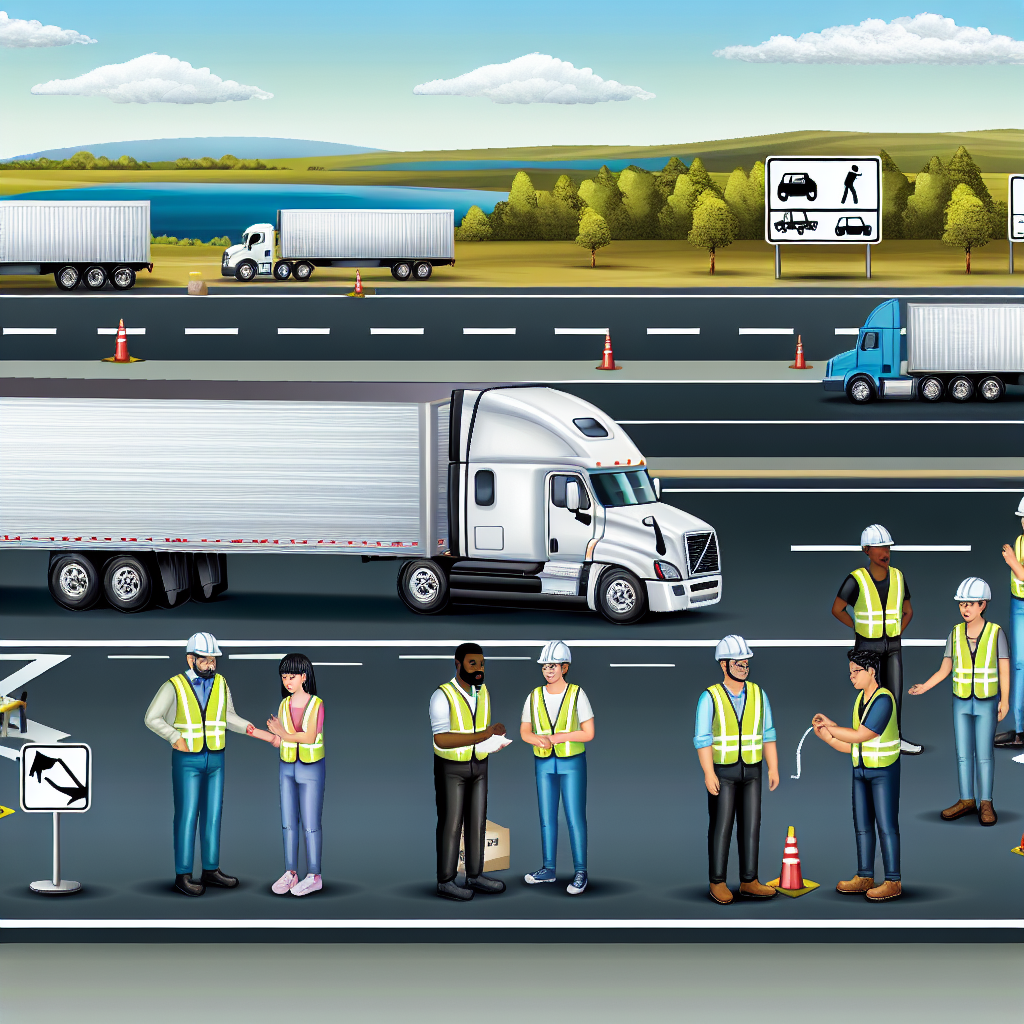
Image depicting safety precautions taken in the trucking industry, including truck inspections, reflective gear, and maintenance checks to enhance safety on the road.
Perspectives from Regulatory Leaders
The recent regulatory changes concerning commercial driver’s licenses (CDLs) for non-citizens have drawn significant attention from regulatory leaders, particularly from the Department of Transportation (DOT). DOT Secretary Sean Duffy has articulated his strong stance on these changes, reflecting both safety concerns and the economic implications of non-compliance.
One of his notable statements highlighted the severe risks posed by granting licenses to non-compliant drivers, stating,
“What our team has discovered should disturb and anger every American. Licenses to operate a massive, 80,000-pound truck are being issued to dangerous foreign drivers – often times illegally. This is a direct threat to the safety of every family on the road.”
This comment underscores the urgency of enforcing these regulations for the safety of all road users.
In another instance, Duffy remarked,
“Currently, the licensing system for non-citizens is absolutely 100 percent broken and a national emergency that requires action right now.”
This emphasizes the pressing need for addressal within the licensing framework, particularly following incidents linked to non-domiciled drivers.
Moreover, he pointed out that
“states are failing to follow even the most basic procedures”
regarding CDL compliance, indicating a call for stricter oversight at the state level to ensure that proper procedural checks are in place.
As these regulations unfold, it is crucial to consider the potential fallout within the trucking industry. Duffy specifically noted that bankruptcy for carriers reliant on cheap labor could spike, as non-compliance with the new rules could lead to significant operational disruptions. In light of these new standards, safety and economic viability must be weighed, with ongoing dialogue necessary to find a middle ground that prioritizes both public safety and the livelihoods of countless drivers.
Conclusion
As the landscape of CDL regulations for non-citizens continues to evolve, the future remains uncertain but crucial, not only for those directly affected but also for the entire trucking industry. The recent changes signal a clear intent from the federal government to prioritize safety, yet they also highlight the pressing need for states to comply with these mandates to ensure the continued safety of all road users. The anticipated exit of a significant number of experienced non-citizen drivers could exacerbate existing labor shortages, ultimately placing additional strain on transportation networks already grappling with increased freight demands.
Moreover, the importance of safety within the trucking industry cannot be overstated. Enhanced regulations may aim to mitigate risks on the roads, but it is essential to ensure that these measures do not inadvertently hinder the effectiveness of the workforce or lead to a destabilization of the trucking industry. The challenge lies in balancing stringent safety regulations with the economic realities faced by states and businesses reliant on a diverse driver pool.
Each state must recognize its responsibility to follow federal guidelines while safeguarding the invaluable contributions of non-citizen drivers. The engagement between regulators, advocacy groups, and local communities will be vital in fostering a fair regulatory environment that prioritizes both the safety of highways and the livelihoods of the drivers who operate them. As these conversations progress, it becomes ever more important to seek solutions that embrace safety without compromising the diversity and skill sets that non-citizen drivers bring to the industry, ensuring a resilient future for everyone involved in trucking.
Public Sentiment Regarding CDL Regulations for Non-Citizens
The user reactions and opinions regarding the new CDL regulations for non-citizens reflect a complex and polarized public sentiment. Here’s a summary of the findings:
- Support for Safety: On platforms like X (formerly Twitter), many users express strong support for the regulations, praising them as necessary for enhancing road safety and preventing unqualified foreign drivers from operating on U.S. highways. A notable user, @libsoftiktok, garnered significant positive engagement with over 84,000 likes for their comments on the importance of these safety measures.
- Mixed Opinions in Trucking Forums: Discussions in trucking-focused forums such as r/Truckers reveal varied opinions. Some American drivers celebrate the potential for increased wages and professional standards, enthusiastically commenting, “LOVE LOVE LOVE ❤️ !!!!!!!!” when discussing the regulations.
- Concerns over Workforce Impact: Despite support from some, there are significant criticisms regarding the impact these regulations may have on the trucking workforce. Critics label the policy as ‘racist’ and argue that the impending loss of nearly 200,000 non-domiciled drivers could lead to critical labor shortages in an already stressed industry. Concerns are especially vocal among non-citizen drivers, who assert that their livelihoods are threatened without adequately addressing the industry’s labor needs.
- Debate on Fairness and Equity: Discussions on Reddit highlight the rule’s potential unfairness to DACA recipients and temporary visa holders, stressing the responsibility to consider their contributions alongside safety issues. Some users advocate for an inclusive approach that encompasses vetted legal residents, arguing that excluding them could exacerbate driver shortages and wage issues without improving road safety significantly.
- Prominent Calls for Action: A thread discussing the revocation of illegally issued California non-domicile CDLs found users both outraged and supportive of further restrictions, with some suggesting a total ban on non-citizens to restore American jobs. The heated debates include calls for stricter immigration enforcement to bolster employment for domestic drivers.
In summary, the public reaction to the new CDL regulations for non-citizens represents a blend of endorsement for road safety, concerns about labor shortages, and significant divisions over equity and fairness. This discourse will play a crucial role in shaping future trucking policies and regulations.
Insights from Transportation Analysts
Cassandra Zimmer-Wong, an immigration policy analyst at the Niskanen Center, critiques the recent CDL restrictions, stating, “It just feels like this is an immigration raid by another name.” She argues that the changes lack evidence linking immigrant drivers to safety issues, noting that DOT’s own audits found no connection between a driver’s country of origin and their driving records. Zimmer-Wong further emphasizes the workforce implications of these regulations, warning that nearly 200,000 legally authorized drivers may be displaced, exacerbating shortages in an industry already facing significant labor gaps. This perspective raises important questions about the balance between safety and the economic needs of the trucking sector.
Images Depicting the Demographic Impact of CDL Regulatory Changes
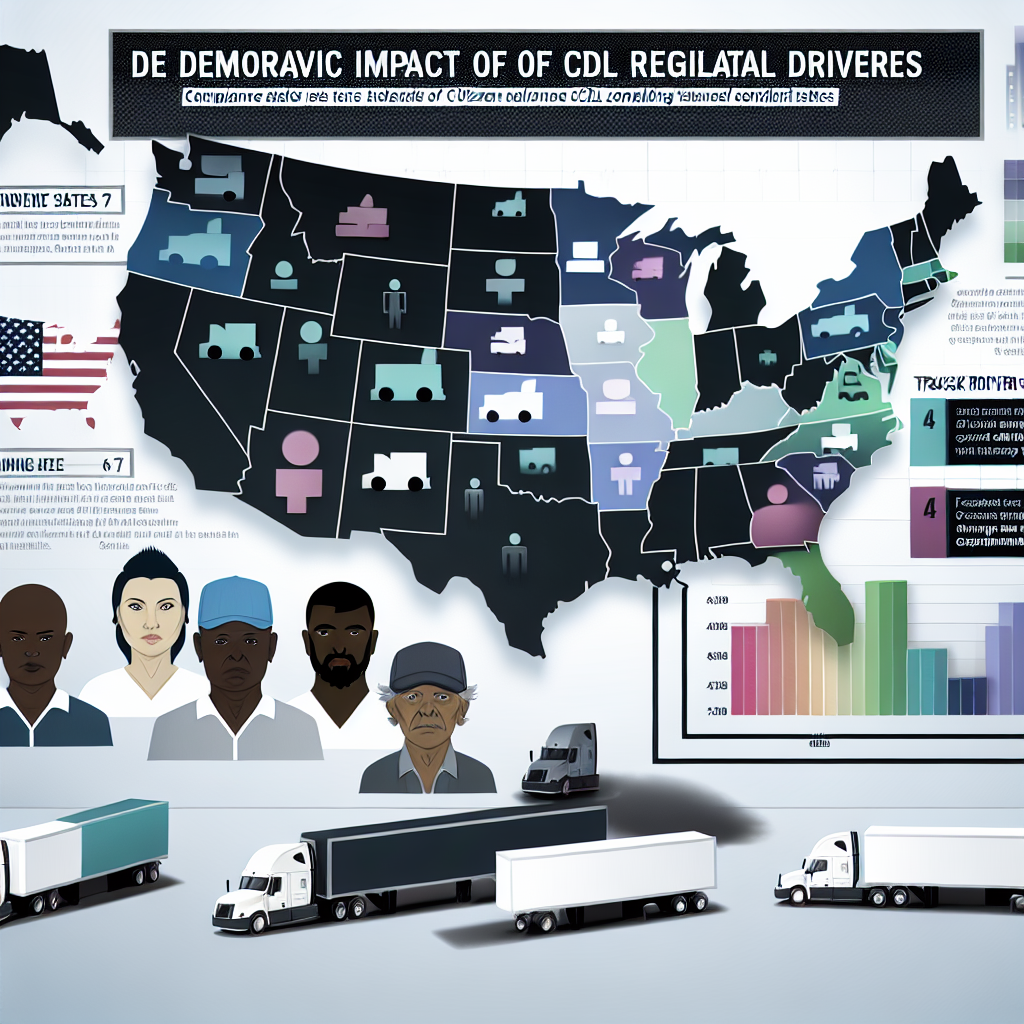
Infographic illustrating the demographic impact of CDL regulatory changes, highlighting statistics about non-citizen drivers, compliance rates, and forecasts for truck driver shortages.
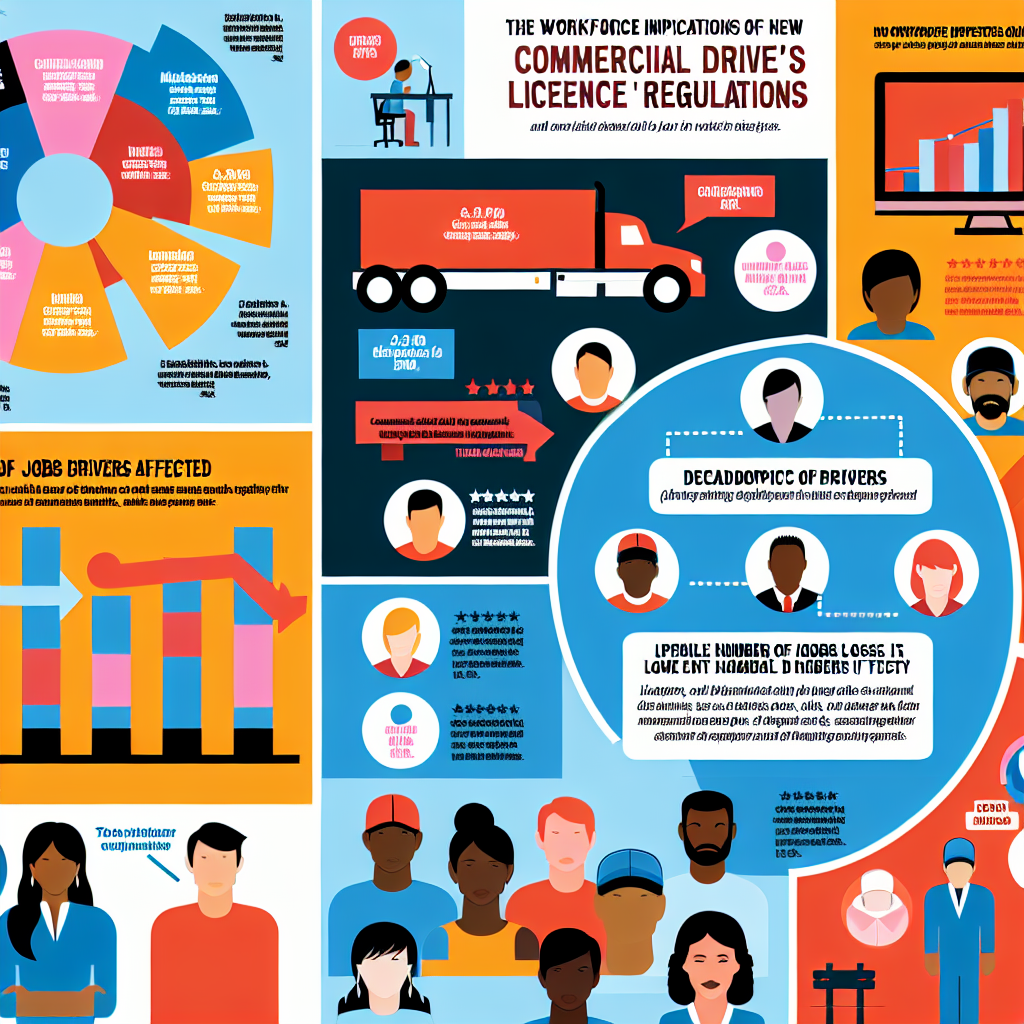
Infographic depicting workforce implications of new CDL regulations, focusing on the potential number of jobs lost and impact on the trucking industry.
Outbound Links to Credible Sources
To provide further insight into the transportation workforce and CDL regulations, here are some credible sources:
- Labor and Workforce Development – American Trucking Associations: The trucking industry faces notable workforce challenges, including a shortage of qualified drivers estimated at 78,800 in 2022.
- Economics and Industry Data – American Trucking Associations: Summary of data related to U.S. motor carriers and their importance in transportation.
- Trucking Wages Continue to Rise – American Trucking Associations: Insights on the increasing earnings for professional drivers even amid freight economy challenges.
- ATA Calls on Congress to Strengthen CDL Standards: Recommendations from the American Trucking Associations on enhancing CDL training and licensing standards to ensure safety.
- Safety – American Trucking Associations: Advocacy for uniform, performance-based testing standards and safety initiatives in the trucking industry.