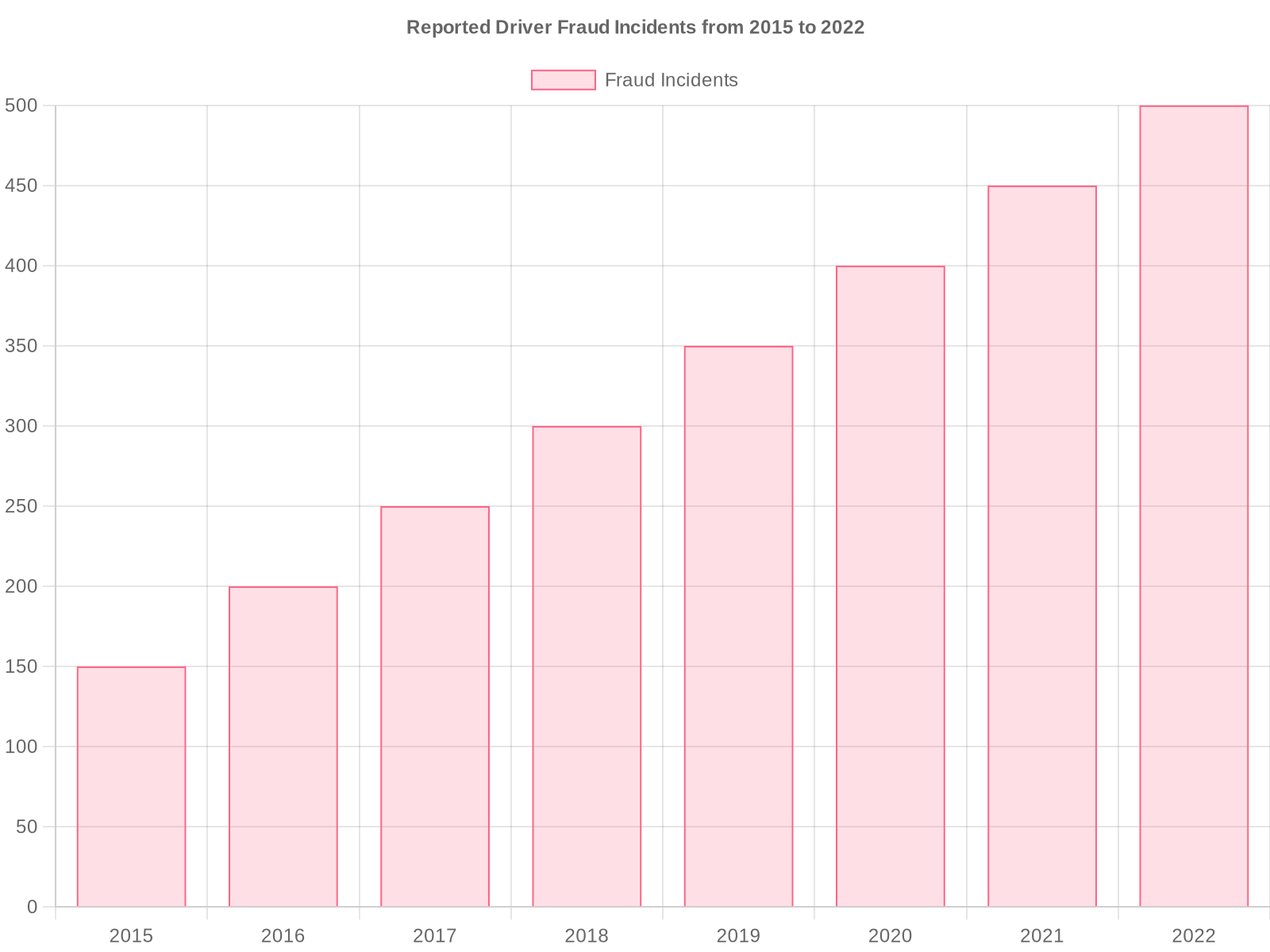
In recent months, Ontario’s driving school scandals have come to light, shaking the very foundation of road safety in the province. The Ontario Ministry of Transportation (MTO) has been compelled to suspend the licences of hundreds of truck drivers after uncovering systemic fraud in training and testing processes at various driving schools. These shocking findings reveal that dishonesty has not only compromised the integrity of driver assessments but also jeopardized public safety.
Under the scrutiny of investigations, the implications of such fraudulent practices extend far beyond individual misconduct; they raise grave concerns about the qualifications of those behind the wheel of large commercial vehicles. As the MTO implements licence suspensions for a period of 90 days, the urgency for reform in the driver training sector has never been clearer.
Stakeholders, including the Ontario Trucking Association, have voiced unanimous support for these measures, underscoring the resolve to restore public confidence in the transportation system. The question remains: what will be done to ensure that future drivers are not only adequately trained but truly qualified to operate safely on Ontario’s roads?
Implications of Fraud in Driving Schools
The implications of fraudulent activities in driving schools extend deeply into public safety concerns, particularly evident following the Ontario trucker licence suspension incident. This event exposed serious shortcomings in the training and assessment processes within certain driving schools, where dishonesty was rampant. Such practices not only affected the credibility of licensed drivers but also posed a significant risk on the roads.
Industry Responses
Safety advocates, including Dakota Brasier, have expressed grave concerns regarding the fallout of these fraudulent practices. Brasier remarked, “We have zero tolerance for bad actors on our roads,” emphasizing the urgency to root out dishonest operators. This sentiment resonates with many in the industry who understand the critical importance of having properly trained drivers, particularly in sectors requiring commercial licenses like trucking.
The Ontario Ministry of Transportation (MTO) had to suspend the licenses of numerous truck drivers, highlighting how widespread the deception had become. The fraudulent practices involved falsifying training records, which allowed unqualified drivers to obtain their commercial licenses without undergoing essential safety training. Stephen Laskowski, President of the Ontario Trucking Association, echoed these concerns, stating: “Drivers who received this letter would never be allowed to drive a truck a few feet in an OTA member’s yard…” This statement underscores the potential danger presented by inadequately trained individuals behind the wheel of heavy vehicles.
Reports indicate that the dishonest testing and training processes not only undermined the regulatory framework but also increased the likelihood of accidents involving commercial vehicles. The risk of having unqualified operators on the road jeopardizes the safety of all road users. As noted in a CBC article, fraudulent driving schools directly impact public safety as improperly trained truck drivers pose significant risks on roads. The investigations have underscored the importance of maintaining strict compliance with industry training standards and the potential consequences for public safety when those standards are circumvented.
Need for Reform
Moreover, the Ontario government acknowledges the urgent need for reform in the driver training sector. In response to these shocking findings, officials are working to increase oversight and regulation of driving schools to prevent future occurrences of fraud. This includes cracking down on schools that assist applicants in cheating on exams and falsifying training documentation, ensuring that all drivers on the road are genuinely qualified.
The fallout from the trucker licence suspension incident serves as a clarion call for systemic change. Both industry leadership and regulatory bodies must work hand in hand to restore integrity to driving schools and elevate public safety standards. As Dakota Brasier aptly stated, a collective commitment is needed to ensure our roads remain safe from those seeking to benefit from dishonest practices at the expense of public safety.
Ultimately, ensuring that all drivers receive adequate training and assessment is crucial for public safety. The Ontario trucker licence suspension has brought to light the dangerous repercussions of driving school fraud, making it evident that immediate and effective reforms are necessary to protect road users.
In a recent crackdown on fraudulent activities in the driver training sector, the Ontario Ministry of Transportation (MTO) has taken decisive action by suspending the licences of truck drivers for 90 days. This suspension is not merely punitive; it is a critical public safety measure aimed at addressing the alarming issue of unqualified drivers being allowed to operate large vehicles on the roads.
The rationale behind the 90-day licence suspension centers on the necessity for thorough investigations into the misconduct uncovered during driver testing and training. Reports suggest that certain driving schools engaged in dishonest practices that allowed individuals to bypass legitimate testing protocols. The MTO’s swift response seeks to prevent these potentially unsafe drivers from operating commercial vehicles during the investigation period, thereby mitigating risks to public safety.
Safety advocates, including those from the Ontario Trucking Association, have voiced strong support for these suspensions, underscoring the need for reform in the driving school sector. According to a report from CBC News, the 90-day window not only facilitates comprehensive investigations but also serves as a deterrent for dishonest practices, promoting accountability within the industry.
The MTO has articulated a clear position: maintaining the integrity of commercial driving assessments is paramount. Each day that improperly trained individuals remain mobile on public roads represents a potential risk. The 90-day suspension period provides the necessary time for the ministry to verify qualifications and ensure that only those who meet established standards are permitted to drive professionally.
Ultimately, the MTO’s actions reflect an urgent response to a critical issue affecting public safety on Ontario’s roads. By implementing these temporary suspensions and pushing for enhanced oversight in the driver training industry, the MTO seeks to rebuild trust and ensure the safe operation of commercial vehicles in the province.
| Suspension Criteria | Duration | Retraining Steps | Consequences |
|---|---|---|---|
| Dishonesty during testing or training | 90 days | Drivers must complete retraining from legitimate driving schools | Loss of licence for 90 days; potential additional penalties if found guilty of fraud. |
| Falsification of training records | 90 days | Verification of training through MTO-approved courses | Inability to operate commercial vehicles. |
| Prior offences or accumulated demerits | Varies (up to 2 years for severe cases) | Completion of remediation courses and re-testing | Further licence suspension or revocation; mandatory defense driving courses. |
Challenges Faced by Affected Drivers
The suspension of truck drivers’ licences in Ontario has caused significant uncertainty and distress. Drivers like Tony, who committed their futures to trucking, are devastated by these events. They face challenges such as job loss and anxiety about what lies ahead.
Many drivers rely on their income to support their families, so losing this revenue can lead to serious financial difficulties. CTV News reported on drivers feeling betrayed by a system they believed to be legitimate. The rapid disruption of their careers has caused fear regarding their ability to care for their families and a deep sense of hopelessness about the future.
Moreover, many drivers face stigma linked to fraud allegations, even when they are not directly guilty of any wrongdoing. As a result, finding new jobs becomes more challenging, as they often find themselves blacklisted from the industry. The emotional impact can be severe, with rising reports of anxiety and depression among those affected.
While the MTO’s intentions in promoting public safety are evident, it is clear that the human impact on drivers is profound and long-lasting. The difficulties go beyond regulatory compliance; they affect livelihoods and the mental health of individuals caught in a situation that often feels unfair. This reality calls for more compassion in the frameworks governing regulatory actions.
Conclusion
The recent exposure of fraud within Ontario’s driving schools represents a critical juncture for the province’s road safety standards. With the Ontario Ministry of Transportation (MTO) suspending the licences of hundreds of truck drivers due to dishonest training and testing practices, it has become evident that reforms are urgently needed. The reckless actions of a few have not only jeopardized the integrity of the driver training system but have also posed significant risks to public safety by allowing unqualified individuals onto the roads.
The emotional toll on affected drivers has been profound. Many, like Tony, have expressed feelings of helplessness and despair, as their livelihoods hang in the balance. The financial strain from sudden job losses coupled with the stigma associated with fraud allegations creates a perfect storm of challenges, leaving them navigating an uncertain future. Such implications extend beyond individual losses; they underscore the broader failures of a system meant to ensure public safety.
Stakeholders across the industry, including the Ontario Trucking Association, have called for immediate and substantial reforms in driver training protocols. The commitment to uphold safety standards must be strengthened to restore public confidence, ensuring that only qualified individuals operate commercial vehicles. Moving forward, the collaboration between regulatory bodies, driving schools, and industry advocates will be essential in rebuilding trust and fostering an environment where safety and integrity flourish within Ontario’s driving landscape.
User Sentiments Regarding MTO’s License Suspensions
Recent actions by the Ontario Ministry of Transportation (MTO) regarding license suspensions have ignited a strong response across social media platforms. Numerous users have taken to Twitter, Reddit, Facebook, and Instagram to voice their frustrations. Key insights from these discussions include:
- Frustration Over Fairness: A significant number of drivers perceive the enforcement actions as unfair and lacking adequate procedural transparency. Many believe that the approach to suspensions has not taken individual circumstances into account, leading to adverse outcomes for innocent drivers.
- Economic Impact: Shared personal stories reveal the devastating economic repercussions of these suspensions. Drivers are expressing concern about sudden job losses, loss of income, and their inability to support their families during this uncertain period.
- Calls for Policy Review: Users are advocating for a comprehensive review of the MTO’s policies related to license suspensions. Many suggest that the regulatory framework should include more equitable practices and support measures for affected individuals.
- Solidarity and Distrust: There is a noticeable sense of solidarity among drivers, with calls to organize protests or legal challenges against the MTO. Simultaneously, a common theme is a growing distrust in government enforcement practices and agencies.
Overall, the sentiments reflect a community in distress, navigating significant challenges amid the MTO’s crackdown on fraudulent practices in driving schools, while demanding accountability and support from regulators.