
Understanding how to find a vehicle owner by their license plate number is essential for various scenarios — whether you’re involved in an accident, trying to resolve parking disputes, or simply seeking information on a vehicle’s ownership. Laws protecting personal privacy complicate these searches, necessitating the use of official and legal channels. This article breaks down reliable methods for discovering vehicle ownership through law enforcement, government apps, and local authorities, thereby equipping new and existing drivers, vehicle owners, and auto dealerships with essential knowledge.
Tracing a Vehicle’s Owner by License Plate Through Law Enforcement: A Responsible Path Within Legal Bounds
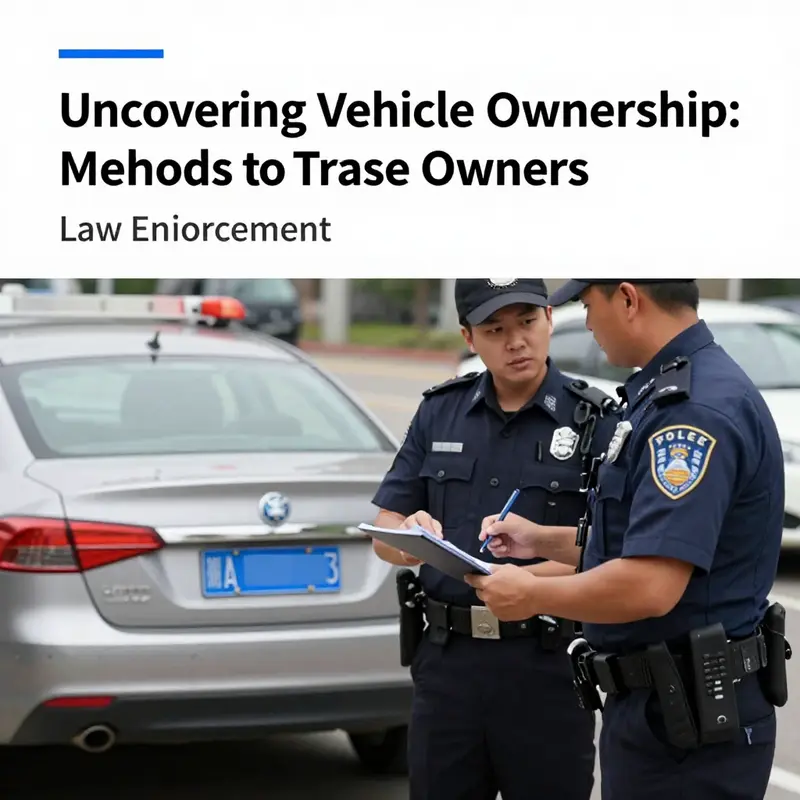
The license plate is a practical breadcrumb on the road of modern civil administration. It points toward a vehicle’s registration record, and within many jurisdictions that record contains personal information about the vehicle owner. Yet the same systems that enable quick travel and efficient policing also safeguard individual privacy. This tension—access for legitimate purposes, privacy to protect citizens—shapes every lawful path you might take to learn who owns a vehicle by its plate. When you need to pursue such information, the route is not a casual lookup on a public website. It is a formal process anchored in law, backed by official channels, and carried out only when a clear, legitimate purpose exists. Understanding this landscape helps you navigate incidents such as accidents, obstructive parking, or vehicle-related crimes with both care and effectiveness, ensuring that action taken is legitimate, traceable, and protective of everyone’s rights. The goal is not to dredge up private contact details for personal reasons but to connect a legitimate concern—often involving safety or property—to the right authority that can respond within the boundaries set by law.
In practice, the road to obtaining ownership information begins with the recognition that a license plate number functions as an informational pointer rather than as a public contact passport. If a driver has fled the scene after a collision, if a vehicle is illegally blocking access to a driveway or a storefront, or if a potentially criminal activity is suspected, you have a defensible reason to involve law enforcement. The proper first step is to contact the local police or traffic management office and report the situation. You should provide all observable details that support your claim: the plate number, the time and location, a description of the vehicle, and any available evidence such as photos or witness statements. In many places, you can reach non-emergency lines for routine or non-urgent concerns. In emergencies, dialing the established emergency number remains essential. The emphasis here is not on rapid public disclosure but on a lawful inquiry that authorities can pursue through the appropriate channels. When you articulate a legitimate concern and present your case clearly, you give law enforcement a basis to initiate the process that leads to access to registration data, if justified.
Once you have engaged the authorities, the process shifts from public inquiry to official procedure. Law enforcement officers will assess your report for credibility and necessity. This assessment is not a mere formality; it is a gatekeeper function designed to prevent the unauthorized dissemination of private information. If the claim meets the threshold of necessity—such as a hit-and-run incident, a vehicle obstructing critical access, or a crime-related pursuit—the officers will document the case internally and begin the formal chain of requests to the Vehicle Administration Office or its equivalent. A formal report is essential here. It anchors the inquiry in a lawful record, demonstrates that your request is grounded in a verifiable incident, and supports any subsequent legal steps, should they become necessary. The report is not just paperwork; it functions as a bridge linking a local incident with the official data repositories that hold vehicle registration records and owner information. In this phase, the accuracy of the initial report matters. Details like precise timing, location coordinates, and photographic evidence can influence the speed and success of the data retrieval while minimizing the risk of errors or misidentification.
The data retrieval itself is governed by privacy laws and internal policies designed to protect individuals’ personal information. What authorities can access and what they can disclose varies by jurisdiction, but a consistent principle runs through all systems: access is restricted to legitimate, documented needs tied to enforcement, adjudication, or safety. When a request is approved, the information is provided to the appropriate official channel, not publicly broadcast. In many cases, a representative of law enforcement will contact the vehicle owner or the registered keeper through official means, or they will forward the information to the party who filed the legitimate claim, along with guidance about what steps to take next. The role of privacy protections here is explicit: the data is safeguarded, access is logged, and disclosures are limited to those with a lawful interest and a clearly defined purpose. This is why personal contact details do not appear on a public portal or a casual search; they are accessible only to those who have earned authorization through proper legal processes.
The path through official channels often involves a careful layering of authorities and platforms. In some jurisdictions, a government service portal or a designated app (used by authorized staff) enables agencies to coordinate requests for owner information, sometimes in the context of a specific incident. The exact mechanics vary. In one country, for example, an official mobile service can route a request via staff who then reach out to the owner on behalf of the requesting party. This model preserves privacy; it avoids exposing private data publicly and ensures that communications occur through sanctioned channels. Importantly, even when such platforms exist, access to ownership details remains tightly regulated, and only a person or entity with a legitimate legal interest may trigger the process. If you are involved in a civil dispute or a property-related claim, a court order or legal representation can provide the necessary authorization to obtain the information through the same enforcement architecture. This emphasizes a core principle: ownership data is not a commodity to be purchased or publicly screened; it is a protected asset that flows to those who, by law, require it to resolve a case, enforce a claim, or ensure public safety.
The practical implications of these rules are many. For one, there is no reliable, legal “do-it-yourself” public lookup that reveals owner contact information solely from a plate number. Attempts to bypass official channels can be illegal and harmful, exposing individuals and organizations to penalties and civil liability. Lawful paths emphasize documentation, legitimacy, and proportionality. If a vehicle creates a hazard—such as blocking emergency access or hosting a crime—authorities align the response with the severity and immediacy of the risk. In such circumstances, faster resolution may be achievable through formal requests, but even then, privacy controls remain in force. The result is a measured, accountable approach that respects privacy while prioritizing safety and justice. It also means that those seeking information bear the burden of presenting credible, verifiable facts and pursuing the matter through the proper avenues, rather than attempting ad hoc or unauthorized contact with a vehicle owner.
There is also a broader ecosystem of official platforms designed to facilitate legitimate, time-sensitive actions involving vehicles. In some regions, a dedicated public service interface supports incident resolution—an approach that ties together reporting, verification, and subsequent action, such as towing or immediate hazard removal. The essential idea is that these tools are designed for efficiency and accountability. They help to ensure that if a plate number corresponds to a vehicle that is harming access, obstructing a path, or contributing to an illegal activity, the appropriate authorities can respond quickly while maintaining privacy safeguards for the owner. When you engage with law enforcement, you are not simply filing a complaint; you are initiating a structured process that channels information through official channels, enabling a lawful, traceable path from plate to registered record through the appropriate administrative layers.
From a practical standpoint, it helps to understand the role of documentation and timing. A well-prepared report, including photos, timestamps, and a clear narrative of the incident, improves the ability of authorities to establish a legitimate basis for data access. It also clarifies the legitimate interest behind the request, a necessary element when the case might later be examined in court or during an administrative review. The more precise your information, the less room there is for misinterpretation or dispute about the purpose of the inquiry. In jurisdictions where non-emergency police contact is encouraged for incidents that do not pose immediate danger, using the non-emergency line with a structured report can be a prudent first step. You avoid overwhelming emergency channels while still ensuring that authorities treat your concern with the seriousness it deserves. This approach keeps the process orderly and within the framework of the law, which in turn supports the integrity of the information obtained and shared.
A further nuance involves the cross-border and statutory differences in data access. Some systems distinguish between public records and internal records, with ownership data treated as part of the protected personal information that is shielded behind legitimate-need criteria. For residents and property owners, this distinction matters not only for privacy but also for due process in disputes. For example, civil actions seeking recovery of damages caused by a vehicle might hinge on obtaining ownership information to identify the responsible party. In such scenarios, a lawyer can help frame the request in terms that satisfy legal standards, often requiring court authorization, a subpoena, or other formal instruments. The involvement of legal counsel ensures that the request adheres to applicable privacy laws, such as general data protection principles and sector-specific regulations. It also provides a layer of procedural rigor that protects both sides of the dispute, reducing the likelihood of inappropriate disclosures or misuses of information.
To underscore the legitimate pathways, consider the broader purpose of these processes: safety, accountability, and the protection of property rights. When a vehicle encroaches on public space or endangers others, the public interest can justify a targeted inquiry into ownership to enable remedy—whether it is facilitating a tow, initiating a civil claim, or pursuing an appropriate removal. The privacy safeguards woven into these procedures are not ornamental; they are critical to maintaining public trust in the systems that regulate driving, vehicle ownership, and street-use. The balance is delicate but essential. It requires that you approach the matter with honesty and preparedness, document the incident thoroughly, and rely on the official channels designed to handle such inquiries. The aim is not to expose private information for its own sake but to address a concrete problem in a way that respects the rights of all involved.
In the landscape of official avenues, it is helpful to recognize the difference between an ordinary complaint and a data-access request backed by legal authority. An ordinary complaint seeks resolution of a problem—like a car blocking a driveway or an accident scene—while a data-access request seeks information about the vehicle owner under a legitimate legal authorization framework. If the situation involves potential crime, missing persons, or substantial property damage, law enforcement agencies are trained to weigh the urgency against privacy protections and to proceed with the appropriate legal instruments. In such moments, patience paired with precise information can significantly improve outcomes, because it ensures that authorities can justify every step of the process and that any disclosed information is already curated for the legitimate purpose identified in the initial report.
The takeaway is straightforward: you cannot publicly expose or casually obtain vehicle owner data using a license plate number. The only dependable methods involve formal engagement with law enforcement or the relevant government administration, supported by a credible incident narrative and, when necessary, court-authorized documentation. A straightforward, legally compliant approach reduces risk for everyone and preserves the integrity of the information involved. If you are curious about the regulatory backdrop that governs such access and you want a sense of how rules may shape the availability of information in your jurisdiction, you can explore broader discussions about how state rules intersect with driver licensing. state-rules-impact-on-driver-licensing. This internal perspective helps illuminate why access to owner data is constrained and why the process requires official intervention. While the specifics will differ by country or region, the core principles remain consistent: legitimate need, formal authorization, and privacy protections that shield individuals from unwarranted disclosure.
As you transition to considering civil remedies or more formal legal actions, keep in mind the possibility of relying on courts or legal representatives to obtain appropriate data. A court order or subpoena, when properly issued, compels the relevant agencies to release ownership information to the extent permitted by law. This pathway is not a shortcut; it is the proper mechanism by which private parties can pursue claims without compromising the privacy rights of others. The careful orchestration of incident documentation, law enforcement involvement, and judicial authorization ensures that the process remains transparent, accountable, and in compliance with the privacy framework that protects everyone on the road. In the end, the aim is not to bypass privacy but to navigate it judiciously in pursuit of safety, accountability, and restitution when warranted by the facts of a case. The chapter ahead continues to build on these ideas, illustrating how to prepare your case, what to expect from authorities, and how to align your actions with the ethical and legal responsibilities that govern interactions with vehicle ownership information on the road network.
External resource: For official information on government traffic management service portals and related processes, see the national platform page at https://jg.12123.gov.cn.
Using Government Apps to Find a Vehicle Owner by License Plate
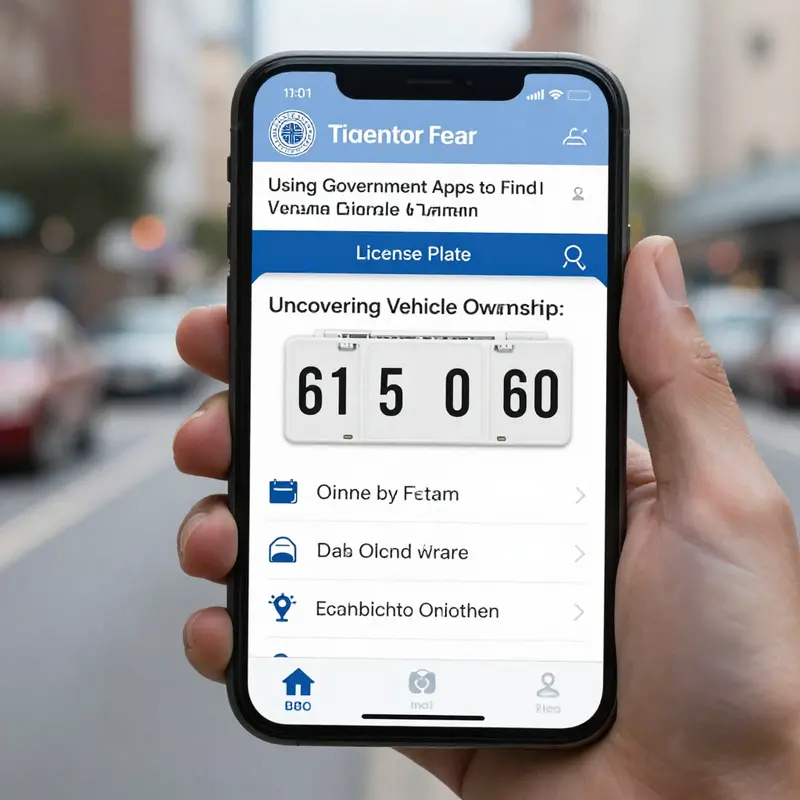
In many places, the idea of tracing a vehicle owner by reading a license plate conjures concerns about privacy. A commonsense approach to addressing a parking issue, a blockage, or a safety hazard is to turn to official channels rather than attempting to extract private information through public-facing tools. This chapter focuses on how government-installed apps and services in a specific jurisdiction provide a lawful, transparent pathway to communicate with the person who owns a vehicle tied to a plate, without exposing personal data to the general public. It is a narrative about procedure, privacy, and the ethical duties that accompany the misuse-risk landscape surrounding license plate inquiries. The central premise remains straightforward: legitimate concerns can be resolved through formal processes that preserve individual privacy while enabling timely action to restore access, safety, or safety-related obligations in traffic environments.
When a vehicle becomes an obstacle—blocked driveways, parked vehicles causing a gateway to a property to be inaccessible, or a car left in a position that directly endangers pedestrians and other road users—the most effective and lawful recourse is to engage the relevant government authority. This is not a recommendation to search for or contact a vehicle owner through informal channels; rather, it is a path that leverages the built-in protections of a national or local system designed to handle such disputes with due process. In the jurisdiction under discussion, the primary vehicle-related inquiry mechanism rests in a government-managed traffic administration ecosystem. This ecosystem is designed to connect a license plate with the owner’s registered contact pathways in a controlled manner—one that respects privacy while enabling a prompt resolution of the underlying problem. The design philosophy centers on minimizing private-data exposure while maximizing the chance that the authoring party can convey a legitimate, time-sensitive message to the vehicle’s owner.
A practical starting point is to recognize what the system can and cannot do. It cannot reveal the owner’s personal information to a member of the public. It cannot provide direct access to the owner’s phone number, home address, or email. This constraint is not a limitation of bureaucratic whim but a deliberate policy anchored in privacy law and data protection principles. The objective is to create a bridge between the need to fix an immediate problem and the right of individuals to control how their information is used. The bridge takes the form of a secure notification mechanism that the owner can choose to respond to or ignore, depending on their circumstances and the seriousness of the issue prompting the contact. In practice, when a license plate is entered into the official system, the software routes a notification or message to the registered owner through channels that the owner previously linked to the vehicle account—channels that could include a registered mobile number or an app-based alert within a government-approved platform. The recipient then has the option to respond within the bounds of the service’s terms, enabling them to move the vehicle or to initiate further traffic-management workflows if necessary.
From a user’s perspective, engaging with the system begins with a clear, legitimate reason. Obstruction or blockage is the most immediate case that justifies triggering a notification. If a vehicle is physically blocking a driveway, restricting access to a business, or creating a hazard on a public street, the incident qualifies as a legitimate use case that authorities typically recognize. The user reports the issue to the appropriate government department via the conventional channels—such as a non-emergency police line or a traffic-management office—depending on the local framework. In many jurisdictions, there is a conferred right to file a formal report, to attach visual or documentary evidence of the obstruction, and to request the government to issue a targeted intervention. This process often involves submitting the license plate number along with a description of the obstruction, the time it occurred, and any corollary impacts on safety or access.
Once the report is filed, a workflow unfolds that is designed to protect privacy at every step. The government system uses the license plate as a reference point and, rather than disclosing owner data, triggers a message to the registered owner. The message typically arrives via a registered phone number or through an app notification channel that the owner has previously linked to their vehicle. The owner receives a concise prompt asking them to relocate the vehicle to restore access or to correct the unsafe condition. The notification is time-stamped and traceable within the system, adding a layer of accountability that is valuable to both sides of the exchange. The owner retains the option to respond within the app or to contact the authorities for clarification if they believe there is a misunderstanding about the reported obstruction. The central idea is to facilitate cooperation and swift remediation without unsealing private information across the public domain.
A crucial aspect of this model is transparency. The public-facing information about the system emphasizes that the owner’s personal data remain protected, and the communication is mediated by a secure, privacy-conscious channel. This design reduces the risk of data leakage or misuse and aligns with broader privacy protections that govern how personal information is stored and accessed by public authorities. For individuals who are hesitant about engaging with the process, the reassurance comes from seeing that the mechanism is built with guarantees: if an owner disputes a movement request, the system can log the dispute, route it to the appropriate administrative unit, and provide a clear path for both sides to present evidence. This approach is an embodiment of the principle that data about a vehicle should facilitate action, not expose sensitive personal data to strangers or online lurkers. It is a framework that addresses the tension between the need for timely problem-solving and the imperative to safeguard privacy.
The operational steps are practical and designed to be accessible to the average person. If a vehicle is causing an obstruction, the person affected should contact the local traffic authority or police line and describe the situation with as much precision as possible: the exact location, the time of discovery, the nature of the obstruction, and any immediate safety concerns. In many places, authorities advise providing photographic evidence or video footage of the obstruction. The report then enters a queue of reviewed cases, where a trained agent can assess the risk level and decide whether to deploy a field officer to issue a warning, or, in more urgent circumstances, to arrange for temporary towing or immediate movement of the vehicle. The privacy-preserving notification mechanism plays a decisive role in these scenarios by providing a direct, time-bound prompt to the owner to rectify the obstruction without exposing private data to the general public. The system thereby acts as a mediator, balancing the right to privacy with the public interest in safe, accessible streets.
It is important to note that while this mechanism makes it easier to prompt owners to address issues related to their vehicles, it does not operate as a public directory of owner information. The design deliberately excludes broad access to personal contact details. Instead, it uses a secure, two-way communication channel that preserves the integrity of both sides of the exchange. If the situation extends beyond obstruction or safety concerns—for example, if an accident occurs or damage has resulted—the path typically leads to a formal, legally substantiated claim. In those cases, the authorities may require downstream steps, such as filing a formal report with supporting documentation, engaging the insurance system, or pursuing a court order, to access more detailed information or to compel action.
In addition to obstruction scenarios, the same ecosystem can support legitimate investigations into traffic violations or disputes arising from a vehicle’s presence in shared spaces. Here again the emphasis is on legality and privacy: the information that flows through the official channels is designed to facilitate resolution while safeguarding sensitive data. The architecture of the system discourages any casual use—there is no easy, do-it-yourself path to obtain owner data, and attempts to circumvent the process are treated as breaches of policy and, in many jurisdictions, as potential violations of data-protection laws. The lesson is that the responsible approach to using license plates as a conduit for contact with owners is to respect the legal scaffolding and procedural prudence that govern such exchanges. This is not merely a procedural formality; it is a critical safeguard against harassment, doxxing, or other forms of data abuse that can arise if information becomes readily accessible to the public.
As a practical matter, the success of this approach hinges on user trust and government accountability. Citizens want to know that when they rely on official channels, they are participating in a system that prioritizes accuracy, speed, and privacy. The design of the notification workflow often includes time-based prompts and escalation protocols. If the owner fails to respond within a predetermined window, the case may be escalated to enforcement or additional investigations, depending on the original reason for contact and the local regulatory framework. The key idea remains that a license plate activity is a signal that triggers a governed response, not a release of personal information. In this sense, the system is designed to maximize the chance that the vehicle owner receives the message and takes corrective action, while minimizing the risk of data exposure to strangers or unauthorized entities.
The relevance of such a system extends beyond the immediate need to relocate a car or clear a blockage. It provides a blueprint for how modern governance can intersect with everyday mobility in a way that respects privacy yet remains effective in maintaining order on public streets. The balance struck by this approach—privacy-preserving notifications paired with accountable enforcement—offers a template for other countries seeking to modernize their traffic-management practices without surrendering fundamental rights. For individuals curious about how rules shape the broader environment in which vehicle ownership and licensing are managed, one can consider how state rules influence the responsibilities of drivers and owners, including how information is accessed through official channels. See the discussion on state rules impacting driver licensing to understand how these frameworks can influence the design and deployment of such apps and services. Here is a reference to explore that topic in greater depth: state rules impact on driver licensing.
It is also useful to situate this discussion within the wider landscape of privacy protections and data-sharing norms. In many regions, public access to personal data is tightly regulated, and licenses to access or share information are granted only under specific conditions. This is complemented by clear statutory boundaries that define what constitutes a legitimate purpose for retrieving ownership information and what constitutes inappropriate or unlawful access. The approach described above aligns with those principles by ensuring that the owner receives a notice, rather than exposing private data to the public, while the authority preserves the ability to investigate and intervene when necessary. In short, the objective is not to disclose, but to facilitate, and to do so with accountability and transparency that bolsters public trust.
For people navigating this landscape, two practical takeaways emerge. First, when a vehicle blocks access or creates a safety hazard, the recommended route is to report the incident through official channels that coordinate with traffic and law-enforcement authorities. Second, if you need to verify ownership for legitimate purposes—such as resolving an insurance claim or pursuing a legal remedy—the appropriate path is to operate through courts or authorities with the required documentation. Private, third-party attempts to bypass these procedures typically fail or run afoul of privacy laws and can put all parties at risk. The overarching message is that the connection between a license plate and an owner is navigated most safely and effectively through formal, privacy-protective channels rather than through public or semi-public lookup methods.
As you reflect on this framework, consider the broader implications for how data about vehicles and their owners should be managed in society. The architecture of license-plate-based communication, when designed with privacy as a core principle, supports timely, fair outcomes without exposing individuals to undue risk. This is not merely a technical feat; it is a statement about governance in an era where mobility and personal data intersect with unprecedented speed and scale. The system’s strength lies in its ability to limit exposure while still enabling swift action, a combination that helps people regain access, resolve disputes, and address hazards promptly. This approach demonstrates that the tools we use to manage the movement of vehicles can be efficient and respectful of privacy at the same time.
For readers seeking additional clarity on how to engage with official channels, it is worth noting that these processes are designed to be user-friendly in terms of reporting and documentation. If you confront a blocked driveway or a similar obstruction, you would typically file a report with the appropriate authorities, attach any relevant photographs or videos, and provide a precise description of the incident. The system will then use the license plate as a reference point to attempt contact with the vehicle owner through the channels the owner has linked to their vehicle profile. This approach helps ensure that the message reaches the right person while upholding privacy protections. When the owner is informed, they have the opportunity to take corrective action, such as moving the vehicle, which can reduce the need for a more invasive intervention by police or field personnel. In cases where there is a dispute or a potential safety risk, the authorities may escalate the matter to a formal process, including the possibility of a towing action or a more formal investigation. Throughout this process, the privacy safeguards remain in place, and the public retains confidence that personal information is not being exposed to unauthorized observers.
For those who want to verify the existence and functioning of the government platform described here, the official source provides authoritative guidance and access to the services that enable legitimate owner communication. The platform’s official portal and app integration points describe how users can register, link their vehicles, and participate in the alert system in a manner that ensures data protection and user accountability. The public-facing information emphasizes that the system is designed to protect private data while providing a direct, secure means to prompt the vehicle owner to take action when necessary. Such emphasis on privacy is critical to maintaining trust in government services that intersect with everyday life, including the sometimes contentious space of street-level vehicle movement and enforcement.
In closing, the government-backed approach to finding or contacting a vehicle owner via license plate is not about exposing private information. It is about delivering a measured, lawful response to practical problems that affect daily life and safety. It is about enabling cooperation between citizens and authorities in a way that respects privacy, accommodates legitimate needs, and maintains the integrity of data protection laws. It is a model of how modern, privacy-conscious governance can facilitate timely outcomes in mobility-rich environments, while preserving the dignity and rights of individuals. For those who wish to explore this topic further and see the official service in its own terms, the platform’s portal offers a starting point for understanding how such systems are designed, implemented, and governed, and it includes further guidance on how to engage with the process lawfully and effectively. Official guidance on vehicle management services and their privacy protections can be accessed at the government’s portal: https://www.12123.gov.cn
Reporting to Local Authorities: Navigating Legal Channels to Locate a Vehicle Owner by License Plate
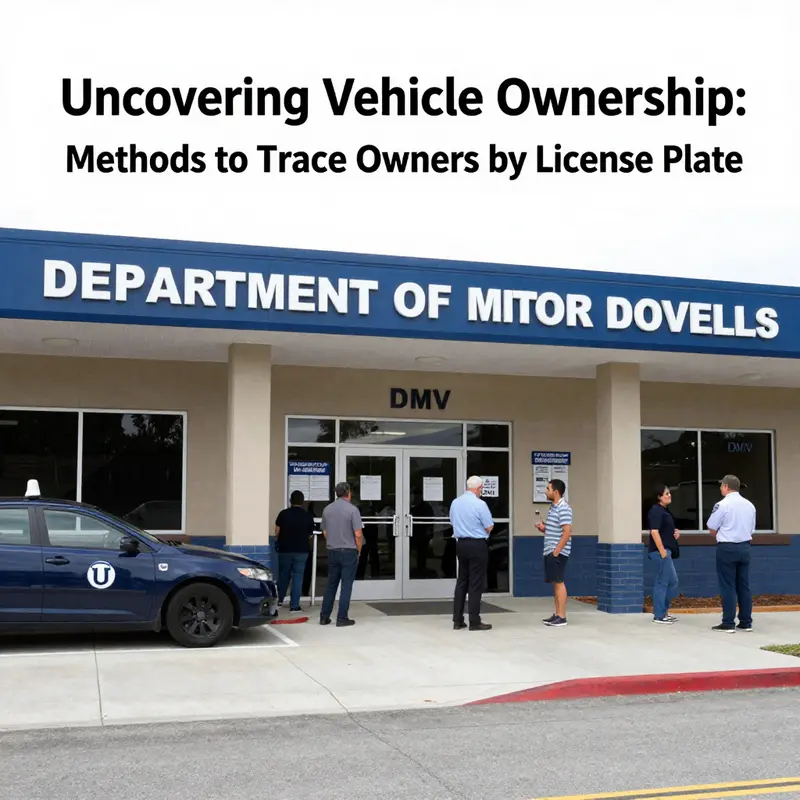
When a license plate first catches the eye, it often signals more than a simple set of numbers. It can represent a moment of conflict, property damage, or a potential safety concern. Yet searching for the owner behind that plate is not a matter of public sleuthing or a quick online lookup. Privacy laws across jurisdictions are designed to protect individuals from being identified through vehicle data by any unauthorized party. The very premise of finding a vehicle owner by license plate, if attempted without proper authorization or a legitimate purpose, risks crossing into misuse of personal information. The path forward, instead, is a careful, procedure driven process. It relies on official channels that are designed to safeguard privacy while preserving public safety. This chapter weaves together the core procedures that govern how to engage with local authorities, how those authorities handle plate data, and how committed, legitimate requests are processed in a manner that respects the rights of vehicle owners while addressing the specific concerns that bring a person to the attention of law enforcement or administration offices in the first place. The aim is not to teach a method of bypassing privacy, but to illuminate the lawful routes that can be taken when there is a legitimate claim, such as a traffic collision, a damaged property incident, illegal parking, or a suspected abandoned or stolen vehicle. Across borders, these routes map to a shared principle: information about a vehicle owner is access restricted, and it is accessible only through official procedures that establish a verified need, supported by documentation and appropriate legal authority. In many places, the vehicle plate is a key piece of data in a larger investigative framework, but it does not unlock private contact details for the general public. Understanding how to interact with authorities and what documentation to prepare can reduce frustration and increase the likelihood of a correct and lawful outcome. The first principle to hold in mind is simplicity and honesty. When you contact law enforcement or a vehicle registration authority, you should present clear, factual information about the situation. You should specify the reason you are seeking information about the vehicle owner and provide details that can help the authorities assess whether your request falls within their purview. This includes the plate number itself, the make, model, and color of the vehicle if known, the precise time and location of the incident, and any other observations that could assist the investigation or the claims process. It is essential to avoid speculation or attempting to influence the process with unofficial channels. Privacy protections are there to protect both the owner and the broader public, and seeking information through proper channels ensures that the data is used for legitimate purposes, such as resolving a dispute, pursuing a claim, or supporting an accident investigation. The practice of reporting to local authorities is thus more than a step in a bureaucratic sequence; it is a safeguarding mechanism that aligns public safety with individual privacy. The guidelines that govern these processes are designed to be practical, predictable, and enforceable. They provide a clear pathway for people who need to recover a vehicle or establish contact with the owner in a lawful context. The following considerations address the most common scenarios and the steps that accompany them, from the moment an incident occurs to the point when an official determination is made about whether owner information can be accessed or shared in a legally sanctioned manner. In many jurisdictions, the police are the primary conduit for requests that involve determining ownership through vehicle data. When a traffic incident occurs, or when a vehicle is found in an illegal or unsafe situation, dialing the appropriate emergency or non-emergency line is the recommended first step. In china, the emergency line for urgent situations is 110, and the police are trained to respond to reports that implicate driver behavior, potential theft, or property damage. In other countries, the equivalents exist in their own language and numbering schemes. The crucial element is not the number itself but the role of the operator who can triage the situation, determine whether an official investigation is warranted, and initiate the appropriate data retrieval through authorized channels. A well-structured report to the authorities will typically include the plate number, the vehicle’s description, the exact location, and a precise timeline. If the incident involves injuries or significant property damage, responders will categorize the event as a potential investigation rather than a casual inquiry. They will collect statements, examine any available surveillance footage, and consult with vehicle registration databases as needed. The owners’ privacy remains protected because access to their information is granted only within the framework of a formal investigation and under appropriate legal authority. This is why the act of reporting to authorities carries responsibilities as well as protections. The person making the report has to demonstrate a legitimate interest, which could be a claim arising from an accident, a dispute about damages, or a suspicion of illegal activity such as stolen or abandoned vehicles. The authorities then determine whether the request aligns with the permitted uses of the data under applicable laws and regulations. In China, for example, the process may begin with a police report that triggers a formal case, especially in theft or loss scenarios. If the vehicle is stolen, the owner’s information becomes a matter for a formal investigation, and the report must be filed within a designated period, often within 24 hours of discovery, with a detailed outline of the circumstances. The police will collect critical identifiers such as the VIN and engine number, as well as the license plate, and they will record the last known location and the sequence of events leading to the discovery. The goal is not to reveal private contact details to the public. It is to create a chain of custody for the information that allows investigators to locate the vehicle and identify the rightful owner in the course of the investigation. In practice, this means that the information you can garner from public channels is usually limited. In many jurisdictions, the public may confirm that a vehicle is associated with a registered owner, but the actual contact details remain restricted. To access more than that, an authorized officer or a person with a court order or a formal legal requirement must be involved. This distinction is critical because it preserves privacy while ensuring that rightful claims and safety concerns are addressed. When the situation involves verification of ownership in the context of a legal matter such as an insurance claim, dispute resolution, or a court action, the relevant authority may require you to demonstrate your legal interest through documentation. Commonly, this includes an official report, a subpoena, a court order, or a formal request supported by liability or ownership claims. In many regions, this process is designed to minimize the risk of misidentification or misuse of data. The line between a legitimate interest and an improper inquiry is drawn at the point where the request would be used for purposes beyond the stated legitimate need, such as personal stalking, harassment, or commercial exploitation. This is why the vehicle registration authorities, police departments, and data protection regulators emphasize due process. The due process ensures that information is released only when required for a legitimate purpose and only to persons who have the authority to receive it. The practical implications of this framework are best understood by considering a few representative scenarios. Suppose you are involved in a minor collision with an unattended vehicle and the other party refuses to exchange information at the scene. In that case, you would contact the local police or traffic authorities. You would provide the plate number, vehicle description, location, and any relevant evidence such as photos or witness statements. The authorities may determine whether the owner’s information is essential for resolving the incident and may then initiate steps to locate the owner or claim a vehicle through the insurance process. If the vehicle is suspected of illegal activity or abandonment, the authorities may conduct surveillance, cross-check databases, and coordinate with the vehicle registration office to determine ownership as part of a broader investigation. In such circumstances, ownership data becomes a tool within the investigation, not a public resource. The process ensures that only those who have a legal or administrative interest can access it, and only for the duration required to advance the investigation or remedy the situation. When legitimate access is granted, it is usually through formal channels. The vehicle administration bodies or police will verify the identity of the requester, assess the legal basis for the request, and document the chain of custody for any data disclosures. This careful process is essential to maintain public trust in the institutions responsible for vehicle data and to prevent abuse. It is also important to note that there are official platforms designed to support legitimate users in some jurisdictions. For example, a government platform may allow registered users to verify vehicle details that are linked to their own accounts. These platforms do not disclose private owner information to the general public; instead, they offer a controlled view of data for the purpose of safety, compliance, and administrative tasks. The limitations of such platforms do not frustrate legitimate users; they reflect a careful balance between access and privacy. Users who need to pursue a claim, write a report, or support a legal process can use these official channels to obtain the information that is strictly necessary for that purpose. In all cases, the starting point remains contact with the authorities who can assess the situation, determine whether owner data is required, and guide you through the appropriate steps. This is the backbone of lawful access and a reliable path to resolving a license plate related concern without compromising the privacy of private individuals. As you navigate these processes, it is helpful to stay mindful of the jurisdiction you are in and the corresponding rules governing data access. The specifics can vary from country to country, and within larger jurisdictions such as federal states, provinces, or regions, there may be local variations in how requests must be justified and documented. The overarching principle, however, is consistent: license plate data are sensitive, and access is restricted to those with a legitimate reason and proper authorization. When you encounter resources that claim to reveal owner details from a plate number through public channels, view them with skepticism. These services often operate outside the law or exploit weak privacy protections, and they can expose you to scams or legal penalties. The responsible course is to engage with the official channels that have been established to manage incidents and legal claims in a controlled, auditable manner. This is especially true in jurisdictions with robust data protection regimes where unauthorized access can carry serious consequences, including penalties under privacy or data protection laws. The objective of this chapter, then, is not to sensationalize the idea of discovering who owns a vehicle, but to emphasize the etiquette, legality, and procedural discipline required to pursue legitimacy. You must be prepared to work within the framework that authorities provide, to supply documentation, and to accept that the information you can access publicly may be limited. In the end, the goal is to reach a lawful resolution that protects both your interests and the privacy rights of others. The road to locating a vehicle owner through license plate data runs through the front desk of a police office or a vehicle registration authority, not through online search portals or informal networks. A well-structured report, supported by concrete facts, will more effectively trigger the official channels to take action. It will lead to the necessary steps, whether that means locating the owner for a claim, retrieving contact details through a subpoena or court order, or determining the vehicle’s status within an ongoing investigation. The process can be meticulous, but it is designed to prevent harm, reduce risk, and preserve trust in public institutions. It also underscores the importance of privacy for ordinary drivers who might otherwise worry that their information is readily accessible. A culture of responsible access helps maintain a balance: safety and accountability on one side, privacy and protection on the other. Proper procedure matters precisely because it ensures that the right information goes to the right people at the right time. For anyone facing a situation that requires identifying the owner of a vehicle via the license plate, the best ally is patience paired with a clear and legitimate justification. Prepare your documentation, be ready to provide precise details, and approach the authorities with transparency about your reason. You will find that the path to resolution is not a race against privacy laws but a careful, lawful process that recognizes the rights of individuals while giving authorities the tools they need to act when a legitimate claim or safety concern arises. In practice, that means that you should begin with a call to the appropriate emergency or non-emergency number in your jurisdiction, describe the situation succinctly, and follow the guidance offered by the operator. If the incident involves potential theft, loss, or damage that requires more formal action, you should file a formal report with the police within the mandated timeframe. In China, as noted, this includes the potential for a case filing and the involvement of the local police in initiating an investigation, with the police then coordinating with the vehicle registration authority and other relevant agencies. The process can include recording the VIN, engine number, license plate, and last known location, as well as collecting surveillance footage and cross-referencing across databases as necessary. This multi-step approach is designed to be thorough and defensible in a court or other legal setting, should the matter escalate. It is equally important to acknowledge that non-emergency situations may be handled through official platforms that support lawful access. Such platforms, while offering verification of data linked to a user account, do not disclose private owner information to the general public. The careful design of these systems reflects a commitment to privacy while enabling legitimate, administrative tasks to proceed in a timely fashion. The ultimate test of any such process is its ability to produce a lawful outcome that is traceable and justifiable. That means every step must be documented, every disclosure must be accounted for, and every decision to share information must be anchored in a legitimate purpose and backed by proper authority. It also means recognizing that there are limits to what can be accessed and when access is granted. The originating incident will determine the course of action. A report about illegal parking, for example, is managed differently from a formal theft investigation. Yet both rely on the same underlying principle: the information is a resource that should be managed responsibly and only released in response to a verified need and a valid legal basis. For individuals who may be uncertain about where to begin, a practical course is to contact the local authorities first and seek their guidance on what documentation is required, what steps you should take, and what timelines apply. In doing so, you are aligning yourself with established procedures that have been designed to protect privacy while addressing real-world concerns. This alignment is supported by the availability of official platforms and offices dedicated to carrying out these tasks in a controlled, lawful manner. Within the Chinese context reflected in the detailed research materials, the guidance centers on formal reporting, the use of official channels, and the involvement of police and vehicle administration bodies when there is a legitimate reason to access owner information. The guidance also underscores the critical role of time sensitivity, especially in theft or loss scenarios, and the necessity of presenting documentation that reinforces the claim and demonstrates a legitimate interest. It is not a path to ease of access, but a path to lawful rescue and accountability. The overarching theme across these discussions is that privacy and safety can coexist with responsible data access. The essential practice is to follow the rules that govern the release of personal information. This means avoiding unauthorized methods, not attempting to circumvent the system, and accepting that if you want genuine results, you must engage through the official channels. A concrete, actionable reminder appears here: if you need to report a vehicle or locate its owner using the license plate number, do not expect a public, direct reveal of personal information. Instead, contact the local authorities immediately, present accurate information, and let the system determine whether access to private data is warranted. In situations involving a legitimate need, such as a collision, property damage, or a theft claim, the authorities can initiate the appropriate procedures. This may include issuing a case filing, requesting additional evidence, or guiding you through the proper avenues to contact the vehicle’s registered owner or the insurer with the appropriate authorization. The emphasis remains on lawful conduct and the protection of privacy. It is a framework built on trust between citizens and the institutions that hold sensitive data. It is a framework that recognizes that the plate number is a mere entry point to a broader investigative process, not an invitation to bypass privacy or to obtain private data at will. For readers who are compiling a guide or researching the topic for policy development or public safety purposes, this approach provides a structured, defensible template for handling plate-based inquiries. It focuses on the steps that yield results without compromising privacy, on the careful documentation that supports lawful access, and on the court of public policy that upholds both safety and dignity. In sum, the route to locating a vehicle owner by license plate is not a shortcut but a principled journey through official channels. It requires respect for privacy, adherence to legal standards, and a commitment to using data only for legitimate purposes. The emphasis is on the process, the safeguards, and the practical steps you can take when you need to address a real-world concern in a way that stands up to scrutiny. For those who wish to connect the ideas discussed here with broader policy considerations, the discussion of state rules impacting driver licensing offers a useful lens. These rules illustrate how data protection measures shape the accessibility of vehicle owner information and how responsible access is regulated at the state level. See more on that topic in the broader materials from the referenced state-focused policy discussions: state-rules-impact-on-driver-licensing. This link provides a deeper context for why official channels operate the way they do and how privacy protections are embedded in licensing and registration processes. While the specifics differ by jurisdiction, the shared objective remains consistent: protect personal data while enabling legitimate administrative and safety-related uses of license plate information. In closing, the practical guidance centers on three pillars: approach authorities directly with a clear and legitimate purpose, provide accurate incident details and documentation, and rely on official platforms and processes to request or access owner information when warranted. By following these pillars, you align with the norms of responsible governance and privacy protection that govern how license plate data is managed around the world. As you prepare to engage with authorities, keep in mind that the most reliable and lawful outcomes arise from patience, accuracy, and adherence to established procedures. If there is a need to consult with legal counsel or local regulations to determine the precise requirements in a given area, do so to ensure your actions are compliant with the relevant privacy and data protection laws. This careful approach helps ensure that your inquiry remains legitimate, that the information accessed is appropriate to the case, and that you honor the rights of the vehicle owner while addressing the concerns that brought you to the matter in the first place. For readers who require additional authoritative context on official channels and privacy considerations in different jurisdictions, the local vehicle registration authority and law enforcement agency websites and guidance documents remain the most trustworthy sources. As a closing reinforcement of the practical orientation of this chapter, consider the key takeaway: every license plate is a signpost to a broader record that belongs to an involved, or potentially involved, party. Access to that record is guarded, but it can be accessed in accordance with law when a legitimate need is demonstrated. The process itself is the message—that privacy is protected not to shield wrongdoers, but to preserve the rights of ordinary citizens while ensuring public safety. External reference to a formal government perspective shows the consistency and seriousness with which these matters are treated in official circles. To explore official information about privacy and data protection and to ground discussions in a broader regulatory framework, you may consult the Ministry of Public Security site. https://www.mps.gov.cn
Final thoughts
Navigating the search for a vehicle owner by license plate can pose challenges due to privacy laws, but understanding the correct channels can make the process clearer. By leveraging law enforcement resources, utilizing government apps, and reporting to local authorities, individuals can responsibly and legally obtain the information they need. This not only fosters accountability among drivers but also ensures compliance with privacy regulations. Always remember to approach such inquiries judiciously and within legal guidelines to maintain respect for personal privacy.