
Understanding vehicle license fees is crucial for every driver and vehicle owner. These fees cover not just the annual registration costs but also potential fines from traffic violations. In this guide, we explore various methods to locate your vehicle license fee information, including the widely-used Traffic Management 12123 app, local Public Security Bureau websites, alternative official methods, and visits to Vehicle Administration Offices. Each chapter offers targeted insights that make it easier for new drivers, existing vehicle owners, and auto dealerships to efficiently manage their vehicle-related costs and obligations.
Untangling the Annual Vehicle License Fee: A Steady, Reliable Approach to Finding the Right Cost

Finding the true cost of keeping a vehicle legally on the road hinges on understanding what is meant by the vehicle license fee and how it fits into the broader calendar of costs that accompany ownership. In many regions, the license fee refers to the annual registration or renewal charge that a vehicle owner pays to keep the license plate valid. It is distinct from penalties tied to traffic violations, insurance, taxes, or mandatory inspections. Yet for a driver planning a budget, knowing where to look and what to expect can feel like navigating a maze of portals, phone lines, and local rules. The practical path starts with clarity about what you are seeking and then moves through official channels designed to deliver precise, region-specific figures. This chapter traces that path with care, focusing on how to locate your exact vehicle license fee using the most authoritative sources while also recognizing the limits of digital tools that are often marketed as all-in-one solutions for vehicle management.
To begin, it helps to anchor the inquiry in the understanding that the license fee is primarily about registration, renewal, and the plate’s continued validity. This fee can vary widely from place to place and even inside the same country, depending on vehicle type, emission standards, whether the vehicle is new or used, and the local policy environment. When you hear about “fees,” you may immediately think of a single number. In practice, you may encounter a tiered structure where different components—such as base registration, plate issuance, and any regional surcharges—contribute to the final amount due. Because regional administrations set these charges, the speed and format of obtaining the precise figure depend on which jurisdiction your vehicle belongs to. The most reliable approach is to rely on official channels that are designed to reflect the current policies and any recent adjustments.
One important observation from recent practice is that digital tools aimed at vehicle management are often centered on compliance and reminders rather than on calculating or displaying license fees themselves. A widely referenced official digital platform in the field of traffic management is primarily oriented toward traffic violation checks, handling fines, and general vehicle information management. It is common for users to assume that such an app or portal will also reveal the license fee, simply because it is part of the broader vehicle administrative workflow. However, the reality is that the app’s core scope focuses on violations, point management, and service scheduling. The fee for registration renewal is typically managed through separate official channels, and in many cases the fee calculation is not displayed within the app as a financing tool. When the app provides options to renew registration or schedule inspections, the action is often handled through a different system or a subsequent step, which may be processed by payment portals that are linked but not embedded within the violation-tracking interface.
Understanding this separation is essential for constructing an efficient, accurate process. If you fire up the popular official platform with the expectation of instantly seeing your license fee, you may be surprised to find that the amount is not presented in that environment. This is not a failure of the platform; it is simply a reflection of how government digital services are structured. The traffic management interface is optimized for quick access to up-to-date information about infractions, points, and service scheduling. Fee calculation is treated as a distinct administrative function, often routed through a dedicated registration or licensing portal, which holds the most current fee schedules and any region-specific adjustments.
With this landscape in mind, the most reliable, user-friendly path to the exact cost of license renewal unfolds through a sequence of official steps that are designed to minimize confusion and maximize accuracy. First, you should identify the key identifiers for your vehicle: the license plate number, Vehicle Identification Number (VIN), or engine number, and, in some cases, your own personal identification details. These identifiers are not only convenient; they are often required to locate the correct record in the system and to ensure that the figures you receive correspond precisely to your vehicle. The exact combination of data you need can vary by region, but the general rule remains consistent: the more precise your inputs, the sooner you will land on the correct fee figure.
The most authoritative route to your license fee is a visit or a query through the local Department of Motor Vehicles or Vehicle Administration Office. These offices are the custodians of the official fee schedules, and they are also the points of contact for any exemptions, discounts, or special provisions that may apply to your vehicle. In addition to the fee itself, staff at these offices can explain any regional nuances. For instance, some regions distinguish between vehicles by type—cars, light trucks, motorcycles—or by usage category, such as commercial versus private. Other regional policies may tie lower fees to environmental performance, with deductions for low-emission engines or electric propulsion. These possibilities mean that an online feed from a general portal may not capture these idiosyncrasies, making a direct inquiry to the DMV or Vehicle Administration Office the most reliable choice for precise figures. The process is straightforward: present your vehicle information, confirm the vehicle’s ownership, and request the current renewal fee and any applicable surcharges or reductions. You will typically receive a formal notice if you are enrolled in any automated reminder programs, and you may be guided to a payment portal that processes the renewal once the correct fee is confirmed.
Second, the region’s official government web portal serves as a vital supplementary tool. In many communities, the portal hosts a dedicated section for vehicle registration and licensing where the current fee schedules are published, sometimes in downloadable formats or as interactive calculators. If you prefer to search online without visiting a physical office, this portal is your best starting point. The benefit of using the government portal is twofold: it provides a single source that is updated to reflect new fiscal years and policy changes, and it offers the convenience of sampling the fee structure across vehicle categories before you commit to renewal. You should navigate to the segment labeled with terms equivalent to vehicle registration, licensing, or fees, and then locate the page that corresponds to your vehicle type and location. In many cases, you will need to bind your vehicle to your online account, which adds a layer of verification to prevent errors. Once bound, you can review the exact license fee and any related charges that will appear on the renewal invoice. If the portal offers a calculator, you can cross-check the figure by entering the same identifiers used at the DMV, but beware of discrepancies caused by the portal’s own update cycles; cross-verifying with a human agent is still prudent when the numbers are unexpectedly high or when you anticipate exemptions.
In parallel with these official channels, you may also consider the option of a dedicated hotline or phone service. Calling the regional customer service line can be a practical way to obtain guidance on where to locate the fee. A trained representative can confirm the exact page or form you should access, help you understand any regional specifics, and tell you what documentation to bring during an in-person visit. The phone channel is particularly useful if you have unusual circumstances—such as a recently relocated residence, a newly purchased vehicle that hasn’t yet appeared in the system, or a vehicle that was previously de-registered and re-registered. With a quick phone call, you can confirm whether the registration record is current and whether any outstanding items might affect the fee. The guidance you receive over the phone is typically aligned with the information in the official websites and can save you the time of rummaging through multiple pages.
Beyond these primary routes, there are supplementary channels that can prove valuable, especially when you want to combine the fee inquiry with other vehicle-related tasks. Some regions offer SMS-based services that allow users to query registration status and associated charges by sending a short text with the city, province code, and vehicle identifiers. This approach can be convenient if you are away from a computer or prefer the immediacy of a mobile message. Additionally, many large urban centers now provide mini-programs or lightweight interfaces within popular social platforms and mobile payment apps. These channels are designed to streamline certain tasks for busy owners, such as updating contact information or initiating the renewal process. It is important to recognize, however, that even when these channels exist, the final license fee figure should still be validated against the official fee schedule published by the local government or confirmed in person, to avoid any mismatch caused by data lag or regional exceptions.
An essential aspect of this process is the preparation you bring to each interaction. Before approaching the DMV, gather your vehicle’s plate number, VIN, engine number if required, and your personal ID or proof of ownership. Having these documents ready not only speeds up the inquiry but also reduces the likelihood of errors that could complicate your renewal. If you anticipate that your vehicle may be eligible for any discounts or exemptions—such as those tied to emission standards, hybrid or electric propulsion, or vintage status—bring any relevant documentation that substantiates these claims. In many jurisdictions, reductions or exemptions require proof, such as an emissions certificate, vehicle type designation, or prior approval from a regional authority. By assembling the necessary documents in advance, you can avoid the back-and-forth that often occurs when requests move from person to person within a government office.
It is also helpful to understand how the license fee interacts with other ongoing costs around vehicle ownership. The annual renewal is only one piece of the broader renewal cycle, which may include a separate plate-related charge, inspection fees if renewals are synchronized with mandatory inspections, and potential administrative surcharges. In some areas, the renewal may be bundled with a clean-slate revalidation or a vehicle safety check, while in others these items are billed separately. Keeping a steady sense of the total annual cost—not just the license fee—helps in budgeting and planning for future ownership. If you are buying a car with immediate registration needs, you may encounter prorated charges or initial setup fees that apply until the next standard renewal date. A clear understanding of these timing nuances can prevent surprises when the renewal bill lands in your inbox or mailbox.
The practical takeaway from this framework is straightforward: for the license fee itself, do not rely solely on a single source, particularly a tool designed for another purpose. Instead, triangulate information across primary channels—the local DMV or Vehicle Administration Office for the most precise, vehicle-specific figure; the region’s official government portal for policy-aligned schedules; and the official hotline for direct guidance in real time. When you combine these sources, you build confidence that you have captured the correct, current amount and the correct procedure for payment. The process becomes not a binary check of a single number, but a guided journey that yields a comprehensive understanding of the renewal requirements, any possible discounts, and the step-by-step path to completion.
In practice, this approach translates into a calm, methodical routine rather than a rush to press a button on an app that promises more than it delivers. If you begin by confirming your vehicle’s essential identifiers with the DMV, you can then consult the official portal to see the exact fee structure for your vehicle category. If the online pathway presents ambiguities, a quick call to the hotline can clear them up before you proceed to payment. If your situation includes special circumstances—such as a pending vehicle inspection, a relocation, or a recent change in ownership—act sooner rather than later. Delays can lead to late renewal penalties or temporary plate suspensions that complicate travel and daily life. The key is to align expectation with the official cadence of renewal, which varies by jurisdiction and is shaped by policy changes announced at the start of each fiscal period.
For readers who are actively comparing the digital tools available for vehicle management, the central message remains: the license fee is an official, revenue-derived figure that is best obtained from formal government sources. The app you might use for violation checks and related services remains a valuable companion for staying compliant on the road, but its scope does not typically extend to calculating renewal costs. Embrace the division of labor: leverage the app for violations, vehicle records, and scheduling where appropriate; rely on the DMV, the regional portal, and the hotline for the license fee and renewal process. This disciplined approach minimizes the risk of miscalculation and helps you plan your renewal with clarity and confidence.
As you finalize your plan, remember that the landscape of vehicle licensing is not static. Fee schedules can update with each budget cycle or policy adjustment, and exemptions or discounts can be introduced or refined. Staying informed means checking the official sources regularly, especially if you’re approaching renewal near the start of a new policy year. Maintain a habit of reviewing the latest notices from the DMV and the government portal, and set reminders ahead of your renewal date. If a renewal notice arrives with a fee that seems higher than expected, use the documented steps to confirm whether a regional surcharge, an environmental incentive, or an administrative fee has altered the total. In most cases, a quick comparison between the notice, the online portal, and a phone inquiry will reveal whether the difference is legitimate or the result of a catch-21 scenario where multiple items are bundled into the final invoice.
The path to discovering your vehicle license fee is, at its core, a disciplined practice of using official channels in a layered fashion. It is not a single-click outcome but a careful collection of data points and confirmations. By approaching the process with a clear understanding of what the license fee covers, knowing which sources are authoritative, and preparing the right documentation, you transform a potential headache into a straightforward administrative task. The goal is not to capture a tentative number but to obtain the exact, lawful amount required to renew your license plate and keep your vehicle on the road without interruption. In this sense, the journey mirrors the broader objective of responsible vehicle ownership: making informed decisions based on verified information, maintaining compliance, and budgeting with foresight.
For readers seeking an official starting point for the broader licensing landscape, consult the government licensing portal available to residents of your region. This portal serves as a central hub for policy details, fee schedules, and procedural guidance that reflect current laws and administrative practice. The site is designed to help you locate the precise page for your vehicle’s category and location, ensuring that you access the most accurate numbers and the correct renewal pathway. If you prefer direct human assistance, the local DMV or Vehicle Administration Office remains an indispensable resource, ready to provide personalized guidance, confirm the exact fee, and illuminate any region-specific nuances that could affect your renewal. Finally, should you need a quick confirmation or a last-minute clarification, the official hotline stands ready to connect you with a knowledgeable representative who can navigate you to the appropriate pages or appointments.
As you move through these steps, a practical reminder surfaces: the license fee is not an isolated line item in a random obituary of charges. It is part of a coordinated system designed to ensure vehicles remain legally registered and roadworthy. By aligning your inquiry with the authoritative sources and maintaining a clear record of your vehicle’s identifiers and status, you safeguard yourself against delays, penalties, and misinterpretations. The process becomes transparent, repeatable, and, most importantly, reliable. If you want a concise pointer to the official starting point for official information, you may refer to the government licensing portal that hosts the fee schedules and related guidance. For direct access to the official licensing information, visit the government portal at https://www.122.gov.cn.
In closing, the journey to uncovering your vehicle license fee is less a search for a single number and more an engagement with a structured workflow. The workflow begins with precise vehicle identifiers, proceeds through the DMV or Vehicle Administration Office to verify the exact amount and any exemptions, and is supported by the official government portal for policy context and updates. The official hotline can accelerates this process if you encounter ambiguities or unique circumstances. Taken together, these channels form a reliable, efficient system for understanding and paying your license renewal. The result is clear: you know the exact amount due, the correct steps to pay it, and the peace of mind that comes with compliance, all without guesswork. For ongoing clarity and access to official information, refer to the government licensing portal and use it as your primary reference point during renewal season.
Tracing Vehicle License Fee Details Through Local Public Security Portals: A Practical, No-Nuss Guide to Your Annual Registration Costs

Unraveling the costs tied to keeping a vehicle on the road starts with a clear distinction between the annual license fee and the penalties that can arise from traffic infractions. The license fee represents the recurring charge that accompanies the renewal or ongoing validity of a vehicle’s registration and its license plate. It sits aside from fines or penalties tied to violations, which are charged for offenses such as speeding or running a red light. In practice, the most dependable way to confirm the exact amount you owe, plus any upcoming due dates, is to consult official channels maintained by local public security bureaus. These channels consolidate a vehicle’s registration status, inspection timelines, and any outstanding charges into a single, authoritative record. The central premise is simple but powerful: the official portals are designed to present precise, up-to-date information that reflects your vehicle’s real-world status, tailored to your region and vehicle type. This approach helps owners plan ahead, budget for renewals, and avoid surprises when renewal time arrives. The journey to these details is easier than it might seem, but it requires a careful sequence of steps anchored in verified, official platforms rather than third-party summaries that may suffer from lag or inaccuracies.
At the heart of this process is a trusted traffic management and vehicle information system operated under the umbrella of the public security framework. The central idea is to present a unified, user-friendly way to query your vehicle’s information—everything from registration status to the next inspection date, and any fees or penalties tied to the license. The most reliable access point for this data is an official platform that aggregates vehicle records across provinces and cities. When you begin, you should be prepared to verify your identity and connect the vehicle you own to your own account. This typically requires registering with real-name information and a verified mobile number. The authentication step is not merely bureaucratic; it ensures that the sensitive details about a vehicle and its owners are protected and only accessible to the rightful registrant. Once you complete this verification, you gain entry to a dashboard that reads like a concise financial and administrative profile of your vehicle.
Within the vehicle management area, the information you seek is organized to reflect both the lifecycle of the vehicle and the financial obligations tied to its license. You will see the current registration status, a clear indication of when the vehicle’s next annual inspection is due, and any outstanding fees or penalties that have accrued against the license. The annual license tax, often labeled as the license fee in these portals, is presented alongside related charges that may include administrative fees or service charges associated with the renewal process. The structure is designed to avoid ambiguity: you do not need to chase disparate notices or reconcile multiple mailers. Everything is consolidated in one place, allowing for a straightforward calculation of what you owe and when the payment is due. This clarity is not a luxury; in many regions, renewal windows are bound by strict timelines. Missing a deadline can trigger late fees, and the system will typically remind you of upcoming due dates well in advance. The user experience is purposefully built to minimize friction. By logging in, you avoid re-entering vehicle details repeatedly, and the portal uses the vehicle’s license plate and VIN or engine number to fetch the relevant data automatically.
The practical value of this streamlined access becomes especially evident when you consider the potential regional variations. Although the overarching framework is standardized, each locality may introduce minor differences in how information is presented, or in what is included under the umbrella of the license fee. Some regions may display a single consolidated total that covers both the annual registration and any mandatory emissions-related charges; others may separate these costs into distinct line items. In some places, the portal may also display discounts or exemptions based on vehicle type, age, or energy source, though the specifics vary widely by jurisdiction. This means that while the portal offers a singular source of truth, interpreting the numbers requires a careful eye for context and local rules. If you own an older model, or a vehicle designed to meet particular environmental standards, you may encounter reduced or accelerated renewal fees in certain districts. The same is true for newer or electric vehicles in some areas, where policy objectives align with lower recurring charges to encourage compliance and modernization.
As you navigate the interface, you may notice that the data presented is not just a static snapshot. The platform often includes a renewal calendar, highlighting the critical dates you need to observe. The date of the next inspection is a key milestone, since many jurisdictions tie the renewal cycle to safety checks and compliance benchmarks. If your vehicle requires periodic inspection, the system will display the due date and, in many cases, a status indicator—whether inspection has been completed, is upcoming, or is overdue. This is particularly valuable for busy owners who must juggle multiple administrative tasks. The capability to see the exact due dates in a centralized place helps you schedule reminders, arrange the necessary inspections, and avoid last-minute rushes that could lead to penalties or service interruptions.
The quality and reliability of the information depend on sticking to official channels. The platform described here is designed to be the most authoritative source for vehicle license fee details, especially when compared with third-party platforms that may scrape data from public records but often fail to reflect the most current updates. Using the official platform also minimizes the risk of encountering outdated or erroneous figures, which can occur when information is cached or republished by others who do not have direct access to the real-time records. In practice, this means that when you have questions about the exact amount due or the status of your license, your first port of call should be the official portal rather than casual inquiries or secondhand summaries. If you ever find the data inconsistent or unclear, the portal typically provides guidance on contact options for official support—whether it is through a service helpline, an online chat with a government representative, or a formal inquiry submission.
Within this framework, it is worth noting the broader ecosystem of official channels through which you can verify or supplement the information about license fees. In addition to the central portal, many regions offer direct access through a dedicated local platform that mirrors the official vehicle records. The same logic applies if you prefer not to log in through a desktop interface; you may be able to use a dedicated mobile pathway, designed to be easier to access from a smartphone while still preserving strong authentication and data protection. The underlying principle remains the same: you bind your vehicle to your identity, retrieve a complete profile, and interpret the line items that constitute the annual license fee and any ancillary charges. This approach ensures you are not surprised by hidden costs at renewal time and that you understand which charges are mandatory and which might be negotiable or eligible for exemptions.
For readers who want a broader sense of how these licensing rules intersect with other facets of driver and vehicle regulation, a related thread of discussion explores how state rules shape licensing decisions and the broader regulatory environment. For a broader context on how state rules affect licensing, see state-rules-impact-on-driver-licensing. This cross-reference helps connect the practical task of checking a license fee with the policy landscape that creates and modifies those charges over time. It is a reminder that the fee you see on a given day may reflect not only the vehicle’s age or class but also evolving regulatory objectives aimed at road safety, emissions, and public finance. If you follow this thread, you will gain a more holistic understanding of why fees change, how often, and what factors trigger adjustments.
The stepwise journey to obtaining license fee details from local public security bureau portals is not merely a routine administrative requirement. It is a doorway to greater financial predictability and compliance. The official route consolidates the information you need into a single point of truth, making the renewal process smoother and less prone to miscommunication. It also serves as a protective measure against paying more than you owe or missing incentive opportunities that your region may offer. When everything is visible in one place—your vehicle’s registration status, next inspection date, and a transparent ledger of fees and penalties—you gain confidence and control over your ownership responsibilities. The clarity afforded by official portals reduces friction, supports timely renewals, and helps keep the broader system functioning smoothly.
For those who may still prefer alternative channels, it is helpful to know that many official lines offer multiple pathways to reach the same destination. Telephone hotlines, SMS-based services, and integrated mini-programs within widely used digital ecosystems often provide vehicle information queries. These channels can be particularly convenient when you do not have immediate access to a computer or when you need a quick check while away from your desk. Still, even when using these auxiliary channels, the underlying data they present should align with the official records accessible through the primary portal. If there is any discrepancy, you should return to the official platform to verify the numbers. The goal is not to replace primary verification with shortcuts but to supplement your ability to monitor your vehicle’s licensing status in real time, wherever you are.
As you close the loop on your inquiry, you may choose to bookmark or store a reference to the official platform URL and to the relevant local vehicle management pages. This makes future checks more straightforward and ensures you always consult the authoritative source. The central truth remains: the license fee is part of the ongoing cost of vehicle ownership, and understanding it thoroughly requires engaging with the official records maintained by the local public security bureau. By embracing the official pathway, you protect yourself from misunderstandings, you sharpen your preparedness for renewal, and you contribute to a system that values accuracy and accountability above all. To learn more about how state-level and local policies converge in practice, you can explore related discussions at the linked article on state rules, which offers a broader lens on licensing in the regulatory landscape. state-rules-impact-on-driver-licensing.
External resource: https://www.122.gov.cn
Official Routes to Vehicle License Fees and Fines: A Practical Guide
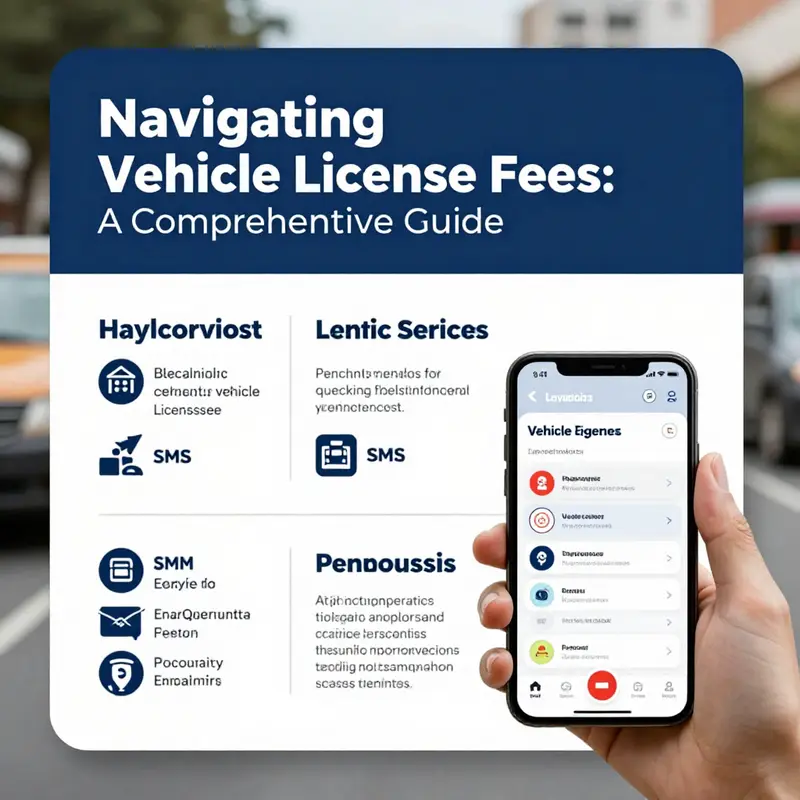
This chapter explains official channels to check vehicle license renewal fees and traffic fines. Start with the national Traffic Safety Comprehensive Service Management Platform and the 12123 app to view current violations, outstanding balances, and payment options. Provincial and city traffic management portals provide region-specific fee schedules and renewal deadlines; you can search by license plate and VIN or engine number. For formal documentation or complex cases, an in-person visit to the local Vehicle Administration Office remains reliable. SMS and phone inquiries offer quick status checks, while government service hubs within trusted digital wallets provide convenient access to the same official data when used through verified channels. Always verify that data comes from official sources, cross-reference across channels, and keep records of inquiries and payments in case of discrepancies. This approach minimizes risk from third-party sites and ensures your records reflect current figures. The central portal harmonizes data across regions, though local rules may vary; consult provincial guidance if you move jurisdictions. By following these official routes, you can confirm renewal fees, penalties, and deadlines with confidence.
From Counter to Confirmation: Navigating Local Vehicle Administration Offices to Uncover Your License Fee
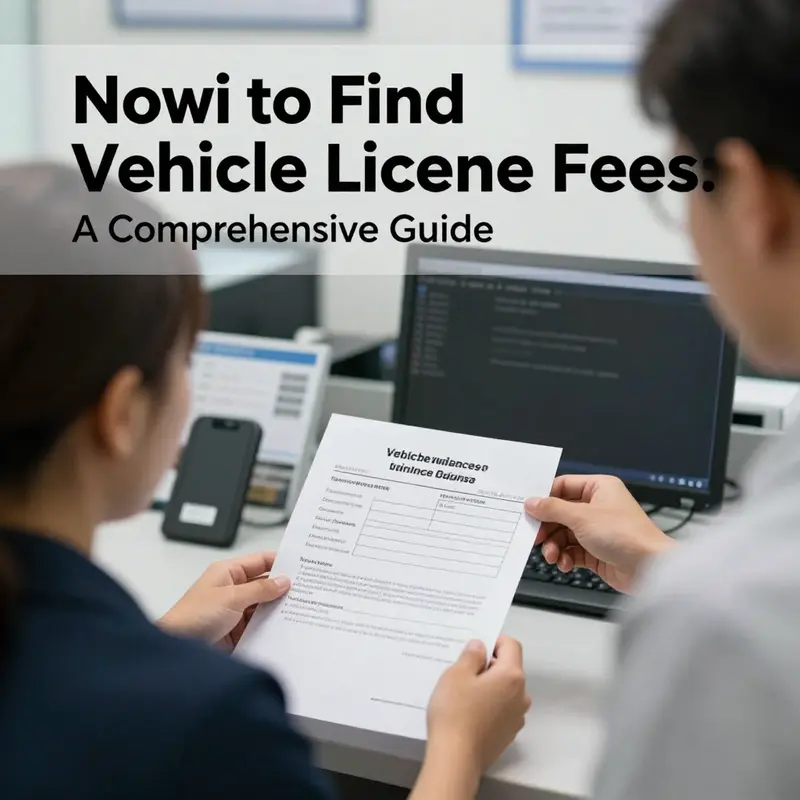
Understanding your license fee starts with recognizing that it is a registration expense set by local rules. The amount depends on the vehicle type, weight, age, and sometimes emissions or incentives. In many places there may be regional surcharges or discounts for newer, cleaner vehicles. The most reliable source is the official vehicle administration system for your jurisdiction. While many people begin online, an in person visit offers direct clarification and an opportunity to resolve discrepancies.
Before you go, assemble the core documents: a government issued photo ID and the vehicle registration document. If you are not the registered owner, bring authorization papers. Some regions also ask for proof of address. Bringing the basics covers the majority of scenarios and reduces the need for a second trip.
At the office, look for the counter that handles registration and fee queries. The clerk will pull up the official records and provide an itemized breakdown of the current renewal cost, the due date, and any outstanding charges. They may show additional items such as environmental surcharges or municipal fees. If you have questions, ask for a quick explanation of how each line item is calculated.
If you plan to pay at the counter, many offices offer card or cash options, though methods vary. You can also be guided to an online portal that mirrors the data. Online tools are helpful for checking renewal status or printing receipts, but they may lag behind the official figures. Use the portal as a supplement, not a replacement for the in person check.
Discrepancies can arise if records show a misclassified vehicle category or a prior ownership transfer. The counter staff can annotate the file and guide you through corrections. You will leave with a confirmed fee, a due date, and a printed receipt that itemizes the charges.
To maximize the value of the visit, ask about any exemptions or reductions, such as low emission vehicle programs, and confirm whether prepayment options exist for early renewals. If you are nearing the start of your renewal window, ask for the guidance on the timing so you know when to return or apply online.
Finally, recognize that the in person visit is part of a broader ecosystem. The online portal can be a useful companion, but the in person confirmation remains the authoritative source. This approach keeps you prepared and helps you avoid surprises when renewal time arrives.
Final thoughts
Acquiring knowledge on how to find vehicle license fees is imperative for all vehicle owners and drivers. By utilizing the Traffic Management 12123 app, local Public Security Bureau websites, and other official channels, you can ensure that you are informed about both your registration fees and any relevant traffic violations. Understanding these processes not only aids in financial planning but also in maintaining compliance with local laws. Always stay proactive about your vehicle’s fees to ensure smooth and lawful driving.