
Purchasing a vehicle is often considered a straightforward commercial transaction, but the complications arise when a prospective buyer’s driver’s license is suspended. This article delves into the nuances of buying a vehicle under such circumstances, outlining critical legal considerations, practical steps, and the impact on insurance. It also highlights the consequences of driving without a valid license and provides a comprehensive overview of state-specific regulations. Understanding these aspects is vital for new drivers, vehicle owners, and auto dealerships to navigate this complex landscape effectively.
Owning Without Driving: Navigating the Legal Landscape of Buying a Car With a Suspended License
Buying a car while your license is suspended sits at the edge of ordinary transactions and legal risk. The act of entering into a purchase agreement, signing a contract, and exchanging money for a vehicle is a distinctly commercial action. In most places, you do not need a valid driver’s license to complete a sale. As long as you are of legal age and have the financial means to pay, you can sign the paperwork, provide the required identification, and take possession of the vehicle. The car becomes your property, albeit with important limits that quickly become clear when you consider the broader mechanics of ownership, registration, and the practical realities of life with a suspended license. The quiet truth is that the purchase itself is not a license check; it is a contract between you, the seller, and possibly a lender. Yet the moment you shift from ownership to operation, the world changes dramatically. Driving a car with a suspended license is illegal in virtually every jurisdiction. The law treats it as driving under suspension, a distinct offense that carries risk: fines, penalties that can escalate with the severity of the suspension, and, in some cases, jail time. The legal distinction between owning a vehicle and being permitted to drive it is not merely academic; it creates a practical and emotional tension for anyone in this position. You may be solvent, you may have the means to purchase, but your ability to utilize the vehicle on public roads is constrained by the very status that led to the suspension in the first place. This tension underscores a central theme of the broader discussion: the line between ownership and operation, and how state rules shape what you can do with a car once the sale is complete. The process of registering the vehicle in your name is a different matter altogether. Registration is the formal acknowledgment by the state that the vehicle belongs to you and is registered to you for legal operation on public roads. In many places, the registration process hinges on a valid driver’s license. When your license is suspended, you may encounter roadblocks at the point of registration. Some jurisdictions will not allow you to register a vehicle in your name if you are currently suspended from driving. Others may permit a registration in your name if you have the proper documents and a way to comply with the law, such as a reinstated license or a restricted license in the near future. The critical point remains: having the vehicle in your name and having the right to drive it are two separate questions, governed by different rules and different departments. This distinction is not merely administrative. It has real-world consequences. If you cannot complete the registration due to lack of a valid license, you may face penalties for improper registration or for possessing an unregistered vehicle. Law enforcement can view possession, even if undriven, as a potential indicator of intent to drive without a license. The possibility of missteps looms large, and the practical path forward is to seek clarity before any action that could complicate your legal position. State-specific regulations further complicate the landscape. Vehicle ownership laws and the requirements for transferring title and registering a vehicle vary from one state to the next. The same purchase can entail very different outcomes depending on where you live. The responsible approach is to consult official guidance from the state’s DMV or its equivalent. This is not a call to micro-manage every detail, but a reminder that the rules governing ownership, title transfer, and registration are not uniform. They reflect a mosaic of policy decisions about transportation, public safety, and the administration of licensing. For anyone navigating this scenario, it is helpful to recognize that there is a living, changing body of rules at the state level. In some states, you may be able to hold title while your license is suspended, but you may still be barred from registering the vehicle or from driving it until the suspension is resolved. In others, the act of transferring ownership or maintaining an existing registered vehicle with a suspended license could trigger penalties or scrutiny from authorities. To understand your position with precision, you will likely need to review your own state’s rules and seek guidance from knowledgeable sources. A compact way to frame the core issue is this: ownership and registration are not guaranteed by a purchase alone. Ownership is a legal relationship between you and the vehicle, while registration is a public record that ties you to the vehicle for regulatory and taxation purposes. The two do not always align when a license is suspended. This alignment matters because it frames what you can do with the vehicle, how you can use it, and how you must comport yourself in transactions now and into the future. Within this framework, practical steps emerge. First, consider consulting legal counsel. A lawyer who focuses on traffic or motor vehicle law can translate the specifics of your suspension into concrete options, warnings, and steps to minimize legal exposure. They can help you understand whether a sale might be completed without triggering additional penalties and what protections you may need if you intend to register the vehicle later or to store it until you regain driving privileges. Second, evaluate alternatives during the suspension period. If the overarching goal is mobility, do not let the suspension silence all possibilities. Public transit, ridesharing, or car-sharing can provide essential access without compounding your legal exposure. These options may preserve your ability to reinstate your license without facing broader financial or legal complications that could arise from attempting to use a vehicle in violation of the suspension. Third, plan for the logistics of ownership and future use. If you proceed with a purchase, you will want to be ready to address title transfer, registration, and insurance in a way that aligns with your license status. The purchase agreement can be a clean step toward ownership, but it does not erase the legal realities of your suspension. The practical pathway typically involves ensuring you have an approved registration path once driving privileges are restored, or arranging for a legitimate, licensed driver to handle the vehicle’s operation during the interim. The recognition that ownership does not grant driving rights is not merely legalism; it is a sober frame for aligning your financial decisions with your legal obligations. In thinking about the broader landscape, it becomes clear that the process of purchasing a vehicle with a suspended license is not simply about whether you can sign a transfer document. It is also about whether you can responsibly manage the vehicle once the sale is complete. Insurance, for example, introduces another layer of complexity. Some insurers will consider your license status in underwriting. You may still be able to obtain auto insurance, perhaps at higher premiums or with coverage limitations, but there is a real risk that a policy could be canceled or denied if the insurer discovers you intend to or actually drive without a license. Honesty with the insurer is essential; misrepresenting your status would only invite denial of a claim or cancellation of the policy. If you do obtain insurance, you must comply with the lawful restrictions on your use of the vehicle. That means abiding by license suspensions, avoiding the wheel until your status changes, and maintaining transparent communication with the insurer about the sale and ownership status. Financing a vehicle under a suspended license presents its own set of questions. Lenders typically want assurance that the vehicle will be properly registered, insured, and operated within the bounds of the law. A cash purchase may simplify some aspects, but it does not eliminate the need to align your plans with the legal framework. If you rely on financing, you may find that lenders require, among other things, a path to reinstatement or a plan to satisfy registration and insurance requirements before disbursement. All of this points to a central message: the legal reality of buying a car with a suspended license is not a single rule but a constellation of rules and practical considerations. Your rights to purchase, to register, and to drive are separate—and in the middle lies the practical question of how to move forward in a way that avoids legal trouble while still preserving future mobility. Within this constellation, it helps to reference the broader picture of state rules and their impact on licensing decisions. The nuance here lies in understanding that your status as a suspended driver informs, but does not automatically dictate, every transaction related to your vehicle. If you want to explore the specific rules that might affect your case, you can consult a concise overview of how different states approach driver licensing, a resource that can illuminate where your state draws lines between ownership, registration, and operation. For a broader sense of how state rules shape driver licensing, see State Rules Impacting Driver Licensing. As you gather knowledge, you turn from a purely transactional mindset toward a strategic one: how to hold and manage a vehicle responsibly while you work toward reinstatement. This requires careful documentation, honest communication with professionals, and a willingness to adjust plans if the legal framework proves more restrictive than anticipated. When you look at the purchase itself, you may realize that the act of buying the car is the simplest piece of the puzzle. The more complex pieces are the steps after the sale: proving ownership through a title, transferring that ownership through a registration, and ensuring there is a credible and compliant path to use the vehicle once your license is reinstated. The overarching takeaway remains practical and clear: yes, you can purchase a vehicle with a suspended license, but you must not drive it until your license is reinstated. The vehicle’s presence in your name does not grant driving privileges and may carry consequences if you attempt to operate it in violation of the suspension. You should approach the situation with a careful plan that respects the law, protects your financial investment, and positions you to regain mobility as quickly and smoothly as possible. For those seeking guidance beyond general principles, consult official state guidance and, when necessary, legal counsel to map out the precise steps you must take in your jurisdiction. The goal is straightforward: secure the asset you need while staying firmly within the boundaries of the law, so that when your license is restored, you can transition from ownership to operation with clarity and confidence. External resource: https://www.dmv.org
Owning Without Driving: A Practical Roadmap to Buying a Car with a Suspended License
When your license is suspended, it can feel like a roadblock to every plan that involves a car. Yet the law distinguishes between owning a vehicle and operating one. Purchasing a car is a civil transaction governed by contract and property rights, not by your current ability to drive. This means you can legally buy a vehicle and have it titled in your name even while your license remains suspended. The critical caveat is simple and important: do not drive the vehicle until your license is reinstated. Owning a car and driving a car are two different activities under the law, and confusing them can lead to penalties that derail your longer-term goals, whether those goals involve returning to work, caring for a family, or simply maintaining mobility during a difficult legal period.
The practical upshot is that you can begin the ownership journey with the awareness that driving remains off-limits. You may need the vehicle for essential tasks—commuting on days when transportation is possible through permissible means, running errands for dependents, or ensuring you can meet work obligations that do not require a licensed driver at the wheel. This phase is about securing a means of transportation in a way that aligns with your current legal status, while keeping a clear eye on the reinstatement process that will eventually restore your driving privileges. In other words, ownership is a functional bridge to eventual lawful operation, not a workaround that sidesteps the suspension. Understanding this distinction early helps you plan financially and legally, reducing the risk of missteps that could complicate reinstatement or create new penalties.
To begin, organize the essential documents. The core items you’ll need are a valid government-issued photo ID, proof of income or financing approval, proof of address, and the purchase agreement. Interestingly, many DMV processes for registering a vehicle do not require a valid driver’s license—identity and ownership documents can be enough to move the transaction forward. If you’re pursuing financing, lenders will focus on your income, credit history, and stability rather than your driving status. If you’re paying cash, the process can be even more straightforward, but you’ll still want to ensure the title and bill of sale clearly reflect your ownership. In all cases, verify that your name appears on the paperwork and that the vehicle identification number on the documents matches the VIN on the car. A meticulous approach to documentation helps prevent delays later when you attempt to register or title the vehicle.
As you proceed to complete the purchase, whether you’re buying from a dealer or a private seller, the emphasis remains on transferring ownership properly. You can conduct the transaction using your ID and funds, but the post-purchase steps demand careful attention. A bill of sale should record the purchase price, the odometer reading, and the VIN. The title must eventually be transferred into your name, and you should receive all relevant disclosures from the seller. Dealers typically manage much of this paperwork, but you should still confirm that the title records reflect your ownership and that the transaction is accurately logged. Retain copies of every document and confirm that tax and registration details are correct. A thorough approach at this stage reduces the risk of complications when you reach the point of registration and plates, and it helps establish a reliable chain of ownership should you need to transfer the car later or demonstrate your investment in the vehicle during reinstatement.
When it comes to registration, many jurisdictions allow you to register a vehicle without a valid driver’s license, but the rules vary widely. In some places, you’ll simply provide your ID and proof of insurance, and you’ll be issued plates and a registration. Others may require extra steps, such as a notarized statement about the suspension or a letter from an attorney. These variations reflect the local policy landscape and the way each jurisdiction interprets license suspension in the context of vehicle ownership and public records. Before you head to the DMV, check your state’s exact requirements. The process is not merely procedural; it sets the stage for public recognition of ownership and the ability to legally plate and insure the vehicle. If you’re unsure, speak with a legal professional who can interpret local rules and help you prepare the right documentation. The bottom line: you can own and register a vehicle without a licensed driver, but you must follow your state’s specific process to avoid missteps that could lead to penalties or delays.
Insurance presents another layer of complexity. It’s possible to obtain auto coverage even with a suspended license, but many insurers will either deny coverage or impose higher premiums once they know your status. If coverage is available, you may encounter restrictions on how the policy is used, such as limitations on operation or the requirement of a non-operational or storage-only clause. Transparency is essential. Disclose your license status accurately to prevent claims issues or policy cancellations due to misrepresentation. If you can secure a policy, you may face higher costs, but there are strategies to manage this, including shopping around with multiple providers and exploring options that accommodate drivers who are not currently licensed. In some cases, you may need to demonstrate that the vehicle will not be driven until reinstatement, which might influence the insurer’s willingness to issue coverage. The objective is to find a balance between protecting the asset and maintaining financial prudence while your driving status remains unresolved.
The prohibition on driving while suspended is strict for good reason. Operating a vehicle without a valid license is illegal in every jurisdiction, and penalties can be severe. Fines, extended suspensions, or even jail time can be on the table, depending on where you live and the particulars of your suspension. The consequences go beyond legal penalties; unlicensed driving can raise insurance costs, affect future licensing eligibility, and invite vehicle impoundment in some cases. A prudent approach is to arrange alternative transportation for daily needs. Rideshare options, if they are permissible within your legal framework, car-sharing with a licensed driver, or a trusted stopgap arrangement with a friend or family member can keep you mobile without taking on illegal risk. Meanwhile, treat the owned vehicle as a temporary asset to be managed with care. Store it securely, maintain it regularly, and ensure insurance and registration stay current while you navigate the reinstatement process. The goal is to avoid incidental costs or legal trouble that would complicate your path back to the road.
Reinstatement planning deserves careful attention because the ultimate objective is to regain driving privileges. The specifics vary by jurisdiction, but most places require a blend of waiting periods, fees, tests, and documentation. You may need to complete required waiting periods, pay reinstatement fees, pass written or road tests, and provide proof of insurance. If the suspension stems from more serious matters, such as DUI or other restricted situations, the requirements are typically more stringent and may include education programs or longer waiting intervals. Navigating this process smoothly means staying current on fines, attending required courses, and gathering all necessary documentation before you approach the point of reinstatement. By planning strategically, you reduce the risk of a protracted loss of driving rights and improve your odds of returning to the road sooner. In this light, owning a vehicle during the suspension can be reframed as a practical necessity that aligns with your life circumstances and a forward-looking plan for reentry to normal driving.
There are practical cautions that help keep you on track. Owning a vehicle without driving it still carries ongoing costs: insurance, storage, maintenance, taxes, and registration fees. A thoughtful budget that anticipates these expenses can prevent surprises and keep your finances stable while you wait for reinstatement. It’s wise to monitor registration renewal dates and ensure continuous insurance coverage, even if the policy is restricted in use. Keeping receipts for work on the car and for related expenses can prove helpful for tax or legal documentation later. If your plan hinges on a future reinstatement timeline, set clear milestones that align with that timeline and consider financing options that suit a non-driving owner, such as short-term loans or credit lines that don’t rely on immediate vehicle operation. This pragmatic approach helps you maintain control over the asset and preserve it as a resource once you regain the ability to drive.
States diverge in how they handle vehicle ownership alongside license suspensions, so the most reliable guide is your local DMV and the official rules that govern your area. The distinction between owning and driving remains central throughout this process: you can own, register, and insure a vehicle while your license is suspended, but you may not operate it legally until reinstatement. For the most precise guidance, consult your state’s official resources and seek clarification when rules seem unclear. The path to driving again is navigable if you stay organized, proactive, and compliant with the requirements that apply to your jurisdiction. For ongoing context, you can explore the internal resource that examines how state rules impact driver licensing: State Rules Impact On Driver Licensing. This chapter has integrated those practical steps with a clear understanding of the limits, reinforcing that ownership and operation are two different tracks on the same journey. To broaden your information, you can also consult the external guidance provided by the state’s official agency on registration without a license: https://www.dmv.ca.gov/portal/dmv/vehicle-registration/vehicle-registration-without-a-license/
Buying a Car with a Suspended License: Insurance Realities, Risk, and the Rules You Must Understand
Purchasing a vehicle while your driver’s license is suspended sits at a strange crossroads of legality and practicality. The act of buying, signing a contract, and even taking possession of a car is largely a commercial transaction. It does not, in itself, require a valid license. You can enter into a purchase agreement, provide funding, and have the vehicle titled and registered in your name. But the moment you try to operate that vehicle on public roads, the lines become sharp and dangerous. The real friction point is not the purchase but the risk and consequences tied to driving with a suspended license, especially when insurance is involved. This tension lies at the heart of why the decision to buy requires careful legal and financial consideration, even if the transaction itself seems straightforward at first glance.
The insurance piece is the most immediate and consequential facet of the scenario. Insurance companies assign risk based on who they are insuring and how that person is likely to behave behind the wheel. A suspended license signals a higher probability of violations or accidents, and insurers respond accordingly. In most cases, the underwriting guidelines for auto policies simply do not accommodate a driver who has a suspended license. The consequence is often a hard denial of coverage for a vehicle you may have already purchased or are planning to purchase. When coverage is unavailable, you are exposed to the full financial liability of any incident involving that vehicle. Even when a policy can be found, it is frequently through non-standard or high-risk markets where premiums soar to levels that can consume a large portion of any payment plan or savings you had set aside for the purchase.
This risk is not theoretical. Insurance is designed to protect the policyholder from the financial fallout of accidents and claims. If your license is suspended, the fundamental assumption behind most auto policies—that you will legally drive and operate the vehicle in compliance with traffic laws—no longer holds. Losses in an accident with no valid license can be catastrophic. The insurer may refuse to pay claims if the driver on the policy was driving without a license at the time of the incident. In practice, this means you could face a denial of payout for damages and injuries, leaving you personally responsible for property damage, medical costs, and potentially lawsuits. The consequences extend beyond the immediate accident. If the suspension is tied to a serious violation, the legal costs and penalties deepen the financial strain, and your credit and liability in future car-related transactions may be affected as well.
Because the risk calculus is so unfavorable, you may encounter a few recurring patterns. First, you might find that no standard insurer will issue a policy on a newly purchased vehicle for a driver with a suspended license. Without coverage, lenders and automotive dealers may tighten or even halt funding. A purchase that seemed simple in a dealership showroom can quickly become a gray area of risk and compliance. Second, if you do manage to secure coverage through a high-risk carrier, the premium structure is likely to be severe. Higher deductibles, limited coverage options, or exclusions on certain drivers and perils can accompany these policies. The price tag on insurance then becomes an ongoing reminder of the underlying status that triggered the elevated risk in the first place.
The legal landscape reinforces these insurance realities in at least two critical ways. First, driving a vehicle with a suspended license remains illegal in most jurisdictions. The law treats it as a separate offense from the act of owning or registering a car. If you are involved in a crash while driving under suspension, you risk criminal charges, fines, and potential jail time. Second, even if you own the car outright and have a valid registration, you cannot assume you will receive a payout from your insurer if any claim arises from driving without a valid license. Courts and insurers have repeatedly underscored the principle that the policyholder bears the risk of violating license status when using the vehicle. These factors together create a stark picture: purchasing a car while suspended can saddle you with both legal jeopardy and a cul-de-sac insurance market that may not be willing to underwrite the policy you need.
The practical steps you take after deciding to purchase are not merely about completing the transaction. They also involve understanding and negotiating the intersection of license status, registration, and insurance. You can and should register the vehicle in your name if you are the purchaser, and you can present the required documents to complete the title transfer, which usually include proof of purchase, identity, and applicable fees. But you must be acutely aware that registration does not confer the freedom to drive. In many places, registration and insurance requirements are separate from the status of your driving privileges. It is entirely possible to legally own and register a vehicle while your license sits suspended, but it is unlawful to operate it until reinstatement occurs. The act of driving while suspended remains the central legal risk, and insurance reflects that risk with its own set of prohibitions and penalties.
Navigating these waters calls for a clear, disciplined approach. One guiding principle is to resist the impulse to treat ownership as a substitute for driving rights. If your goal is merely to secure a means of transport for future use once your license is reinstated, you might consider exploring storage and legal ownership arrangements that minimize exposure. This could include keeping the vehicle parked in a secure, insured arrangement where the vehicle is not driven, or arranging for a trusted intermediary, such as a family member, to manage the vehicle’s use in compliance with the law until you regain driving privileges. Each option carries its own considerations and should be discussed with a qualified attorney or a trusted DMV representative to ensure you are not inadvertently stepping into illegal territory.
The social and financial costs of attempting to bridge this gap can be substantial. If you attempt to purchase independently of your license status, you may be tempted by financing or loan offers that look favorable on the surface. A lender might approve a loan based on collateral and creditworthiness, but they will still depend on your ability to furnish evidence of insurance, which you may not be able to secure under suspended-status conditions. The mismatch between ownership and operability can create a situation where you own an asset without the means to use it legally, which in turn invites penalties, fines, and added scrutiny from lenders and insurers alike. In such moments, the best path often involves aligning your plans with the practical limits of your status and prioritizing reinstatement over acceleration of ownership. The DMV process, though sometimes slow and challenging, is the official channel through which you can restore your driving privileges, and it should be your first strategic objective before any new vehicle purchase becomes a serious consideration.
To fully grasp the implications, it helps to engage with the broader policy framework that governs license suspensions, vehicle registration, and insurance. State rules around licensing can vary widely, and understanding these nuances is essential. For a clearer map of that terrain, you can explore the resource that outlines how licensing rules interact with vehicle ownership and registration in different jurisdictions. This guidance emphasizes that while ownership can be established independently of a driver’s license status, driving remains contingent on reinstatement and compliance with local laws. state rules impact on driver licensing.
As you weigh the decision to purchase, it is wise to consult the official guidance from federal and state authorities. The National Highway Traffic Safety Administration (NHTSA) offers authoritative information on driver licensing and vehicle registration, including how suspensions are handled and what that means for vehicle ownership and operation. Their materials can help you understand the legal boundaries and what actions are prudent given your current status. For authoritative information on this matter, see NHTSA’s guidance: https://www.nhtsa.gov/vehicle-safety/driver-licensing-and-vehicle-registration. This external resource underscores the reality that while the vehicle itself can be owned and registered, the privilege to operate remains a separate, legally conditional matter that often requires reinstatement or alternative arrangements.
In sum, purchasing a vehicle when your license is suspended is not categorically forbidden, but it is laden with risk and complexity—especially on the insurance front. The typical insurance pathway is blocked by underwriting standards, and even when a policy is possible, costs are high and protections may be limited. The legal consequences of driving without a license can be severe, extending beyond immediate fines to long-term impacts on insurance, credit, and future mobility. If you are contemplating a purchase under these conditions, the prudent course is to resolve the suspension first through the DMV or your state’s licensing authority, and only then revisit ownership with a full understanding of the insurance landscape and the law. This approach protects you from falling into a financial and legal quagmire and aligns your actions with both safety and lawful mobility. Keeping the vehicle intact without driving it until reinstatement is a reasonable interim strategy, one that honors the boundaries of the law while you pursue a legitimate path back to the road. The complexity of these issues—legal, financial, and logistical—merits careful, informed consideration rather than impulsive decision-making, especially when the risks touch both your present and your future ability to move freely and safely on public highways.
When the Wheel Is on Hold: The Real Costs of Driving with a Suspended License
Buying a car while your license is suspended creates a paradox shaped by law and common sense. The vehicle you purchase is a private asset, a commercial transaction that you can complete with a seller, a bank, or a dealership even if your driving privileges are temporarily removed. The purchase contract is a matter of title, transfer, and payment. The law does not automatically bar you from signing a purchase agreement or from taking possession of a vehicle simply because you cannot legally drive it at this moment. You can own and register a car without a valid license, provided you have the legal capacity to contract, the funds to pay, and the necessary identification. But ownership and operation are two different realities, and the separation is not a minor nuance. It is a boundary that is enforced every time you consider turning a key and pressing a gas pedal while your license sits suspended.
The practical mechanics of what you can and cannot do with a suspended license are echoed in every phase of the car‑buying journey. You will need to present identification, proof of purchase, and the usual documents required for registration. A license stamp or a current driving privilege is not a precondition for ownership or for the transfer of title. In many places, the act of registering a vehicle in your name hinges on your identity and your right to own property, rather than on a valid driver’s license. The DMV’s role in this process is to confirm ownership and ensure that the vehicle is properly documented, not to adjudicate whether you may operate it. The distinction matters because it immediately shapes what happens after you sign the papers: you may become the proud owner of a car that you cannot legally drive until your license issue is resolved. The legal logic is simple and stark: owning a car requires capacity to contract and to pay, operating the car requires a license. When those conditions diverge, the car sits in a kind of legal limbo.
If you map the landscape of consequences that follow driving with a suspended license, the most immediate and tangible risks pop up in the form of penalties. The penalties are designed not only to punish but to deter. In many jurisdictions, the first offense comes with fines that can reach up to three hundred dollars and a jail term that may extend to thirty days. Those numbers are not universal; they vary by state and by the specifics of the case, but the framework is consistent across many regions: driving while suspended triggers both financial and custodial consequences. For a first offense, the deterrent aim is clear—demonstrate that the law treats suspended driving as more than a mere administrative slip, but a serious break with the rules that organize public safety.
Should the same behavior recur, the consequences intensify. A second or later offense typically carries steeper fines and longer periods in jail. The penalties can escalate quickly, and in some places, persistent violations may lead to a permanent revocation of driving privileges. The prospect of losing the ability to drive permanently is real for some individuals, especially when history includes multiple suspensions, prior convictions, or serious traffic incidents. The gravity of the consequences is not merely punitive; it reaches into everyday life, limiting one’s ability to commute, hold a job that requires travel, or manage family responsibilities when public transit falls short. The balance of penalties grows heavier with each offense, reflecting a policy intention to protect road users by constraining those who repeatedly operate a vehicle despite being legally barred from doing so.
Beyond fines and jail time, the chain of implications extends to the realm of insurance and vehicle management. Insurance companies routinely assess risk, and a suspended license is a red flag that can cause premiums to rise or even prompt a denial of coverage. The logic is straightforward: an individual who cannot legally drive carries a higher risk of an uninsured or underinsured claim, and insurers price that risk accordingly. Some insurers will not issue a policy at all until the license status is resolved, while others may require explicit disclosure and impose higher deductibles, larger premiums, or stricter policy terms. It is essential to disclose your status honestly to avoid policy cancellations or disputes during a claim later on. If you manage to secure coverage despite the suspended license, it is often on terms that recognize the elevated risk you pose as a non-driving owner with a lawful right to possess a vehicle but no right to operate it.
Another practical consequence centers on enforcement: vehicle impoundment can occur in certain jurisdictions if a driver is caught operating a vehicle while suspended. Law enforcement officers may tow and impound the car, especially if it is deemed unsafe or if the driver has a history of traffic infractions. The owner then faces storage fees, administrative hurdles, and the burden of retrieving the vehicle after reinstating driving privileges. The experience is more than a temporary inconvenience; it can become a financial drain, a source of friction with authorities, and a reminder of the narrow window between ownership and use.
The legal record itself can be affected in ways that echo into other areas of life. A conviction for driving with a suspended license can appear on a criminal record, depending on the jurisdiction and the severity of the offense. This is not merely a line on a file; it can influence employment opportunities, eligibility for professional licenses, and even the ability to obtain certain housing or financial services. The social and economic ripple effects remind us that suspensions are not isolated legal events; they can shape long-term outcomes for individuals who are trying to put their lives back on a stable track.
The variability of rules across landscapes is no small detail. State rules on licensing, suspensions, and the consequences of driving while suspended can differ in meaningful ways. Some jurisdictions emphasize rehabilitation and restoration, offering paths to reinstatement tied to the completion of programs, payment of fines, and proof of financial responsibility. Others swing toward stricter enforcement and longer timelines before a driver can regain privileges. This is why it matters to consult the local DMV or a legal professional familiar with the nuances of your location. The road from suspension to reinstatement is not universal; it is a jurisdictional journey that requires careful navigation.
For anyone contemplating purchase in this situation, the practical takeaway is clear: you can complete a sale and even register a vehicle in your name, but you must never drive it until your license is reinstated. The act of driving a car while suspended is a separate, punishable act. The lesson is not a prohibition on ownership but a warning about the costly, cascading consequences that can arise if the line between ownership and operation is crossed. If you are facing a suspension, consider arranging transportation through alternatives or ensuring that only a licensed driver operates any vehicle you own. If an emergency makes driving unavoidable, legal counsel and a prompt reinstatement plan are not luxuries but necessities.
Because state rules vary, and because the paths to reinstatement differ, it is wise to educate yourself on the specific rules that govern your situation. A good starting point is to review the broader landscape of licensing requirements and the factors that influence driver status in your area. For a concise overview of how state rules can impact driver licensing, you can explore additional context at this resource: state rules that impact driver licensing. This perspective helps frame how penalties, insurance implications, and enforcement practices intersect with the practical realities of owning a vehicle without being able to drive it.
In all these considerations, a reliable, evidence-based reference point remains crucial. The broader literature on suspended licenses consistently highlights how the consequences extend beyond the immediate penalties. Insurance implications, potential for vehicle impoundment, and the possibility of criminal records all compound the direct legal costs. However, the most consequential thread running through this topic is the fundamental rule: owning a car does not grant the right to operate it if your license has been suspended. That separation—between possession and permission to drive—grounds the entire policy framework and shapes the choices you make in the weeks or months following a suspension. If you want to build a safer, more navigable path through this period, start with reinstatement as soon as possible, seek professional guidance to understand your local requirements, and approach ownership with the sober awareness that you are buying time as much as you are buying a vehicle.
External resources can illuminate local specifics. For a broad overview of suspended licenses and their implications, refer to DMV guidance and state resources that outline penalties and processes. Source: https://www.dmv.org/nc/traffic-offenses/suspended-license.php
Buying Despite a License Suspension: Navigating State Rules, Registration Hurdles, and the Realities of Owning a Car When You Can’t Drive
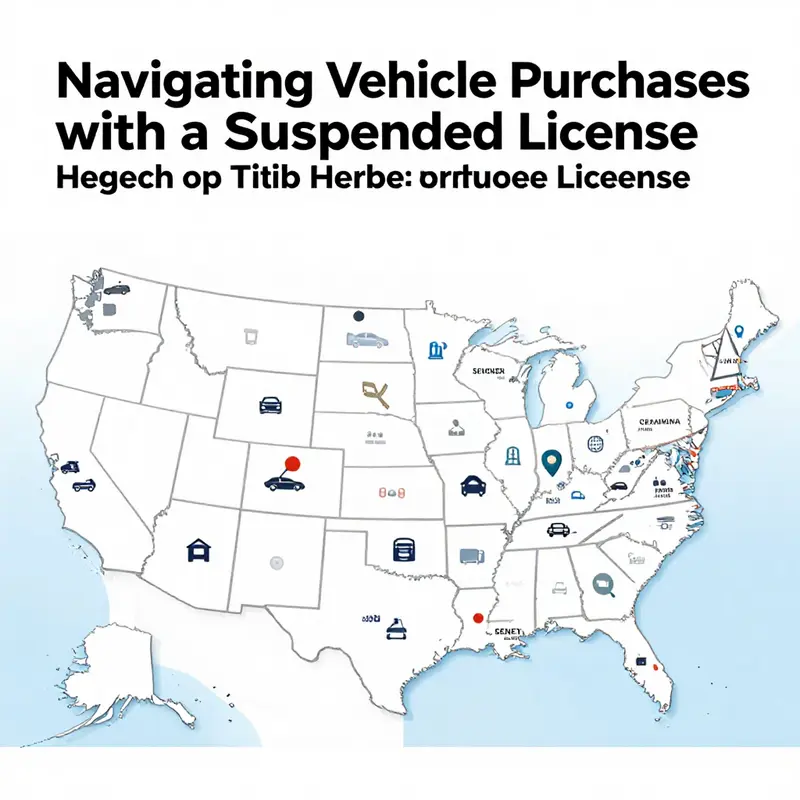
When people ask if they can purchase a vehicle while their driver’s license is suspended, the instinctive answer might seem straightforward: a car is a tool for getting around, so why not own one if you can pay for it? The practical truth, however, is subtler. A suspended license does not ban you from entering a contract or paying for a car, and in many places ownership can be secured even as your privilege to operate on public roads is paused. Yet the moment you try to move that vehicle on a public street or highway, you step into a completely different legal landscape. Ownership and operation are two separate activities, each governed by its own set of rules, and those rules vary widely from state to state. The chapter that follows builds a coherent picture from the mosaic of state practices, showing how you can legally own a car with a suspended license while avoiding the penalties that accompany driving without a valid license. It is a guide to understanding the boundaries, not a loophole to circumvent them.
Most people who have learned to live with a suspended license discover early that purchasing a car is a transactional process governed by contract law and commercial documentation. You can enter into a purchase agreement, sign the bill of sale, and transfer funds just as anyone would. You can even have the vehicle titled and, in some circumstances, stored in your name. But in many states, registration and the ability to legally operate the vehicle on public roads depend on having a valid driver’s license or an approved substitute. In California, for instance, you may be able to buy the car and even have the title issued in your name, yet you cannot register the vehicle until your license is reinstated. The DMV can require a valid licensure as a prerequisite for title transfer and registration. If you attempt to operate the car in this state without a license, you face criminal penalties, fines, and potential impoundment. The picture in Texas is similar in logic but different in detail: you may purchase a vehicle regardless of license status, but you must possess a valid license to register the vehicle and obtain plates. Driving with a suspended license remains a prosecutable offense. Florida presents another variation: purchases are permitted, but registration and lawful operation hinge on a valid license or an acceptable alternative such as a temporary instruction permit. The DMV generally will not issue a title or registration if there is no valid driver’s license, and driving without one can lead to immediate arrest and towing of the vehicle. These snapshots illustrate a core principle that runs through all jurisdictions: ownership does not automatically equate to the right to operate on public roads. You may own the car, but you must not drive it until your status changes.
What this means in practice is that your plan should accommodate both the purchase and the subsequent hurdles that can appear at the registration stage. Consider insurance as another layer of complexity. Even if you can secure a policy while your license is suspended, insurers often view the situation as high-risk. Some carriers may deny coverage outright, while others may impose steep surcharges or require high deductibles. You must be candid about your license status when applying. Failing to disclose this status can lead to policy cancellations or denials when you need to file a claim. Conversely, being upfront can sometimes help you negotiate terms that reflect the reality of your use and the risk involved. The insurance dynamic thus becomes a practical constraint on how you use the vehicle and what kind of coverage you must carry, especially if you ever hope to reinstate your license with a smoother path to future operation.
Beyond the financial and administrative dimensions, there is a legal dimension rooted in the very purpose of a driver’s license: public safety. A suspended license indicates that the state has determined you should not operate a motor vehicle at this time. Entering a contract to purchase a car does not erase that policy. When you attempt to drive, you trigger criminal liability that can escalate quickly depending on your jurisdiction. The penalties can include fines, mandatory jail time, or other sanctions. This is not just about slipping through a loophole; it is about recognizing a framework designed to prevent dangerous driving while you are not in a position to meet the conditions for safe operation.
In most states the practical sequence becomes clearer once you separate ownership from operation. You can own or even title a vehicle, but you cannot legally operate it on public roads until you meet reinstatement requirements or obtain an approved alternative. The distinction matters for daily life: you can entrust a licensed driver to operate the car for essential tasks, or you can arrange for a dealer or lender to handle certain steps under specific conditions. If you are purchasing through a dealer, transparency is beneficial. Dealers often prefer customers who can demonstrate a clear plan for insurance, registration, and eventual compliance with driving laws. A dealer may be less willing to complete certain steps if your license status creates uncertainty about future registration or if the vehicle will be used in ways that contravene local rules. In other words, the purchase can move forward, but you must align the path to registration and use with the requirements of the state, and you may need additional documentation or assurances from your insurer and DMV.
A crucial clarification comes when you map out a concrete, state-specific pathway. In California, for example, you might find that you can purchase and transfer ownership, as long as the vehicle is not yet registered in your name or is registered under a plan that complies with the law during your suspension. You would not be able to operate the vehicle legally without reinstatement or an approved permit. In Texas, you may proceed with the purchase, but expect that registration will be blocked without a valid license. In Florida, the absence of a valid license can stall the entire process of registration, and in many cases can trigger punitive actions if you attempt to drive. Understanding these particularities is essential before you sign any contract.
To navigate this landscape, a practical and prudent approach is to focus on three pillars: compliance, documentation, and timing. First, compliance means understanding what is allowed and what is prohibited under your specific license suspension and your state’s statutes. It means avoiding any activity that would be classified as driving without a license. Second, documentation means gathering the pieces you will need for the purchase, the title, and the eventual registration. This includes government-issued identification, proof of purchase, proof of payment, and any insurance arrangements you can obtain. It may also include proof of your reinstatement status or any temporary permit that your state recognizes. Third, timing concerns when you act. If your suspension status is temporary, you might be able to coordinate a purchase with a plan for reinstatement that aligns with the period before you can legally drive again. If your suspension is long-term or indefinite, you may need to adjust your plans around the realities of registration and use, possibly delaying or forgoing the registration until you meet the criteria that the state requires.
There is also the question of how to manage vehicle registration in the absence of a valid license. In many jurisdictions, the endorsement you receive during a purchase—such as a lienholder’s name or a power of attorney for registration—becomes essential. If you do not have a license, your ability to sign for registration may depend on the presence of a responsible adult or a legally authorized agent who can complete the process on your behalf. The vehicle’s title can be issued in your name, and you can insure the vehicle in anticipation of future operation, but you should be mindful that many states require the license holder to sign off on the registration. The consequences of missteps in this area can range from delays and extra fees to outright refusal of the registration, which would prevent you from legally placing the car on the road until the appropriate condition—your license—has been restored.
In thinking about risk and everyday life, it is worth considering the broader ecosystem around car ownership with a suspended license. The car can still be a financial asset, a means of refinancing, a way to maintain mobility through a trusted intermediary, or even a method of preserving a future transportation option if your reinstatement becomes likely. Some people choose to keep the vehicle parked privately with the keys in a secure place and to arrange alternate transportation for daily needs, especially while the license issue is unresolved. Others may pursue a temporary registration solution where permitted, or they may designate a trusted driver who can operate the vehicle under controlled circumstances when the law permits. Each choice has implications for insurance, taxes, and potential liability if someone else operates the vehicle and is involved in an incident.
Throughout this discussion, the value of local guidance remains evident. State motor vehicle agencies publish rules that are frequently updated and nuanced. A careful review of your state’s rules, ideally in consultation with a lawyer or a qualified DMV representative, helps prevent missteps that could complicate reinstatement or trigger penalties. When you want a concise, jurisdiction-specific snapshot, you can consult resources that summarize how state rules intersect with driver licensing and vehicle ownership. For a broader sense of how state rules impact licensing, you can explore more about how different jurisdictions shape the landscape of driver licensing in practice via dedicated overviews such as state-focused rule collections. As you navigate, the key takeaway is simple: you can own a car with a suspended license, but you cannot legally drive it until your status changes or you obtain an approved alternative under your state’s framework. This dual reality—ownership without operation—defines the practical path forward and helps you plan for a future when you can legally reclaim the road.
For readers who want a direct path to state-specific guidance, the phrase state rules impact on driver licensing can serve as a starting point to locate the official resources that apply in your area. You can follow this link to explore how those rules are described in a state-focused context: state rules impact on driver licensing.
In conclusion, the ability to purchase a vehicle with a suspended license is a nuanced possibility that hinges on the particular statutes of your state, the specifics of your suspension, and how you plan to use the vehicle in the interim. Ownership can be secured, documents can be assembled, and insurance can often be arranged, all while keeping within the law by avoiding any operation until your license is reinstated or a legally sanctioned alternative is approved. The careful alignment of your purchase with the realities of registration and operation will not only minimize risk but also preserve your future mobility once the suspension lifts. Always start from the official state DMV or motor vehicle agency resources for the most current and precise guidance, and consider obtaining professional advice if your situation involves complex enforcement or atypical conditions.
External resource: For jurisdiction-specific guidance and updates on vehicle registration and licensing, you can consult the California DMV at https://www.dmv.ca.gov/portal/.
Final thoughts
Purchasing a vehicle with a suspended license is legally permissible, yet fraught with nuances that demand careful consideration. Buyers must remain aware of their limitations regarding driving and ensure compliance with local laws. Furthermore, understanding the implications for insurance and potential consequences for driving without a valid license is paramount. By equipping oneself with this knowledge, prospective vehicle owners can navigate the process effectively and responsibly, reinforcing their commitment to legal compliance.