
Vehicle insurance is a crucial aspect of vehicle ownership, but many wonder if it’s possible to insure a vehicle without holding a driver’s license. Understanding the ins and outs of this process is essential for new drivers, vehicle owners, and auto dealerships. This guide will provide insights into the principles of insuring vehicles without a license, the application process, legal implications, and practical considerations, ensuring that readers are well-informed and can make sound decisions regarding insurance options available to them.
Policy Without a License: Navigating Vehicle Insurance for Owners Who Don’t Drive
Ownership can confer a powerful legal and financial stake in a vehicle, even when the person who owns it never sits behind the wheel. The question of whether you can insure a car without a driver’s license is not only practical but also legal in many places, including systems where insurable interest and vehicle ownership take precedence over driving qualifications. This chapter follows the thread from ownership through risk to coverage, showing how a policy can be issued to an owner who lacks a license while still preserving the integrity of the road-usage framework and the rights of third parties who may be affected by the vehicle’s operation. The underlying principle is straightforward: the policy is tied to the vehicle and the owner’s stake in it, not to the owner’s ability to drive it. Yet the way the policy is used matters just as much as how it is issued. The owner can obtain the required coverage, but the vehicle must be driven by someone who holds a valid license. If someone operates the car without a license, or if an unlicensed driver is allowed behind the wheel, the insurance arrangement can unravel in important ways, particularly when a claim is filed.
To ground this in a practical frame, think of insurable interest as the hinge of the door. If you own the car, you have an insurable interest, and that interest is typically sufficient to purchase the coverage that law requires for on‑the‑road use. This means you can obtain the minimum mandatory liability protection that all motor vehicles on public roads must carry, along with optional protections that extend to damages to your own vehicle or to other kinds of loss. The key nuance, however, is that the policy is issued to the owner on the basis of ownership and intended use, not on the sole basis of the owner’s driving status. The legal structure recognizes that a vehicle exists in society as a liability and a potential source of financial harm to others, and it assigns responsibility accordingly. In this way, the vehicle remains insured regardless of whether the owner can drive it; what matters is who may operate it and under what conditions.
From a regulatory perspective, this arrangement is supported by general principles that regulators emphasize across many jurisdictions. The central aim is to ensure that a vehicle operated on public roads carries the required coverage to compensate others for injuries or damages caused by its use. In this sense, the owner’s lack of a license does not automatically strip the vehicle of insurance, because the risk is tied to the act of driving itself, which requires a licensed operator. The policy can be issued to the owner, and it will typically require that any person who actually drives the vehicle be properly licensed and named, or at least properly disclosed, on the policy. If the vehicle is driven by someone who lacks a license, the policy is at serious risk of being voided or claim-denied. The insurance contract is built on the presumption that the insured will act within the law, and driving without a license—and allowing others to do so—constitutes a breach of that presumption that insurers must consider.
The practical path to coverage begins with a clear separation of roles: the owner, the vehicle, and the driver. The owner acquires the policy, the vehicle becomes the insured object, and the driver becomes the operational agent. The underwriting process looks for insurable interest and for reasonable control over how the vehicle is used. Ownership demonstrates the insurable interest, and the policy will be issued accordingly. The insurer assesses risks by looking at ownership status, the vehicle’s use, and the likelihood of those who drive it being properly licensed. It is not the owner’s driving status per se that governs the initial issuance; it is the combination of ownership and the anticipated use pattern. This distinction explains why a vehicle can be insured without the owner holding a license yet cannot be driven legally by an unlicensed individual without risking a denial of claims.
When the policy is issued, the owner will typically be asked to provide documents that establish identity, ownership, and the vehicle’s legal status. Commonly required items include the owner’s ID, the vehicle registration certificate, and a purchase invoice or proof of ownership. These documents substantiate the insurable interest and help the insurer verify that the person applying for coverage indeed owns the vehicle. In many systems, the policy will be written with the understanding that the vehicle will be operated under the supervision of a licensed driver. The insurer may require that the policy lists any licensed drivers or that usage is restricted to certain named drivers who hold valid licenses. This arrangement protects the insurer against the risk of unlicensed operation while still honoring the owner’s financial stake in the vehicle.
A central caveat accompanies this structure. While the owner can be the policyholder without holding a license, the act of driving is governed by licensing laws, and those laws intersect with insurance in a practical way. If an accident occurs and the driver at the time does not have a valid license, the insurer will likely apply an exclusion that denies claims arising from driving without a license under commercial coverage. In some places, the mandatory liability protection (the minimum required by law for any vehicle on public roads) may still respond to third-party claims, such as medical expenses to a certain limit, even if the at-fault driver is unlicensed, but the right to recover those costs from the at-fault party remains with the insurer. This means that while the event may still trigger some financial responsibility for third parties, the policy may not provide coverage for the owner or the unlicensed driver for property damage or for the driver’s own injuries. It is essential for owners and operators to understand that the act of driving without a license is an exclusion that can complicate claim outcomes and potentially complicate the indemnity chain.
From a risk-management perspective, this arrangement creates a tension that is worth acknowledging upfront. The owner who cannot—or chooses not to—hold a driver’s license can still hold and sustain the vehicle’s insurance, but insurers may perceive higher risk. That perception can translate into higher premiums, more stringent underwriting criteria, or tighter usage restrictions. Insurers weigh the likelihood that a vehicle will be operated by someone who is licensed and properly disclosed, and the more uncertain that becomes, the more cautious the pricing and policy terms may be. The policy may include provisions that require the licensed operator to be present when the vehicle is being used, or to list all licensed drivers with the policy so that coverage can respond properly when an incident occurs. This balancing act—allowing ownership-based coverage while ensuring legal operation—reflects a broader regulatory objective: keep the roadways safe and ensure that those who drive are duly authorized and identifiable.
The process can be thought of in terms of two interlocking protections: first, the legal obligation to insure the vehicle so that third parties can be compensated for injuries or damages caused by its use; and second, the contractual safeguards that ensure only properly licensed individuals operate the vehicle. In many jurisdictions, you will find that the law requires a certain minimum level of liability coverage, regardless of who drives. This means that even if you own the vehicle and do not drive, you have a legal obligation to maintain coverage to satisfy the public policy that protects other road users. Skipping this coverage can bring penalties, including fines and potential vehicle registration issues, and may leave you exposed to civil liability beyond what the insurance would cover. The adherence to these rules is not merely bureaucratic; it is a practical shield against severe financial risk that can arise from accidents involving unlicensed drivers.
From the standpoint of the owner, the most sensible approach is to secure coverage that aligns with how the vehicle will be used. The owner should, if possible, designate a licensed driver as the primary operator or at least ensure that any regular driver is named on the policy with a valid license. This approach helps ensure that when the vehicle is used in routine circumstances, coverage applies consistently. It also provides a clear path for handling claims: if a covered incident occurs, there are clearly identified roles, which—when a driver is licensed—tend to simplify the process for both the insured and the insurer. In cases where a vehicle is used by multiple people, some jurisdictions require each user to be licensed or to be listed on the policy. Even where listing all potential drivers is not mandatory, transparency about usage and licensing status is essential to prevent disputes during claim adjudication.
The Chinese regulatory framework adds another layer to this discussion. Official guidelines from the relevant regulatory bodies emphasize the principle of insurable interest and stipulate that a vehicle may be insured even if the owner does not hold a driver’s license, precisely because ownership creates a legitimate risk exposure that insurance should manage. However, these guidelines also reinforce a crucial operational discipline: driving a vehicle without a license is not only illegal in most cases but also a scenario that insurers may treat as grounds for denial of claims under the specific terms of a policy. For the policy to be effective in practice, the operator’s licensing status must be addressed, and the policy must be structured to accommodate this reality. The careful drafting of policy terms—so that coverage responds to legitimate use by licensed drivers while preserving the owner’s insurable interest—helps ensure that insurance fulfills its public-policy mission without exposing the owner to unnecessary legal or financial penalties. In this context, the owner can still purchase both the minimum required liability coverage and additional protections, but the policy will be more robust if it explicitly contemplates the licensing status of the actual drivers. This alignment reduces the chance of misinterpretation at the claim stage and supports a smoother resolution when incidents occur.
To illustrate how this unfolds in practice, imagine a vehicle owner who does not hold a driver’s license due to a temporary suspension or a pending application. The owner can proceed to purchase the necessary liability coverage and optional protections for the vehicle, documenting ownership and the vehicle’s registration and purchase details. The policy will then be used by a licensed driver who operates the vehicle whenever it is on public roads. If a collision occurs while a licensed driver is at the wheel, the policy proceeds in the ordinary course, with the usual process of fault assessment, damages, and compensation to injured parties. If an accident occurs with an unlicensed driver, the insurer will scrutinize the policy terms and the applicable exclusions, and the claim may be denied if the driving without a license is deemed to be a material cause of the loss. In a more favorable scenario for all parties, the owner and the driver establish clear licensing compliance before use, maintain up-to-date licensing, and document who is driving at all times the vehicle is on the road. This proactive approach minimizes ambiguity and aligns with both legal obligations and insurance requirements.
The broader lesson here is consistent with the principle that insurance is about risk transfer and risk management. The owner’s lack of a license does not automatically bar the purchase of vehicle insurance, but it does require careful planning about who drives the car and under what conditions. The policy should reflect this arrangement through appropriate provisions, such as named or disclosed drivers, usage restrictions, and the clear separation of ownership from driving authority. In essence, the owner’s rights are preserved, while the essential legal and financial safeguards for the road-first responsibilities of driving are also upheld. The result is a coherent, enforceable coverage that honors insurable interest and helps ensure that third parties are protected, even if the person who owns the car cannot or does not drive it.
For readers navigating this landscape, a simple guide helps keep everything aligned. Start by confirming insurable interest—do you own the vehicle, and is your ownership recognized by the registration and title documents? Next, gather the standard documents required for policy initiation: your ID, the vehicle registration, and proof of ownership. Then, discuss driver status with your insurer: who will drive the car, and who is licensed? If there is more than one potential driver, determine whether you need to list them all or designate a primary operator who holds a valid license. Finally, review the policy language with care to confirm how driving without a license would affect coverage. If possible, appoint a licensed driver as the main operator, or ensure that the policy explicitly covers scenarios in which unlicensed driving would void or restrict coverage, so that you have a clear and enforceable framework when you need to file a claim.
The legal and practical message is straightforward: you can insure a vehicle without a driver’s license if you own the vehicle and the policy is structured to reflect that ownership. The driver’s license status matters most where the actual driving occurs. If the vehicle is operated by someone who lacks a license, you should expect the insurance response to be constrained, with higher risk of claim denial and potential enforcement consequences. The road to secure coverage without a license is navigable, but it requires disciplined planning around licensing, driver disclosure, and the precise terms of the policy. To stay compliant and protect yourself and others on the road, stay informed about the licensing rules that apply to the jurisdiction in which the vehicle is operated and consider how those rules interact with the insurance terms you adopt. In a regulatory landscape that recognizes insurable interest while maintaining strict driving qualifications, the owner can hold the policy and secure essential protection even when the owner does not drive, provided the actual operation of the vehicle is conducted by someone who holds a valid license. This approach aligns with safety, legality, and financial prudence, creating a coherent framework for vehicle ownership and risk management that respects both the law and the realities of how vehicles are used in everyday life.
As you move forward, consider consulting the principle-based guidance embedded in professional resources that discuss how licensing status affects insurance outcomes and how regulators view these situations. The nuanced reality is that while ownership can secure coverage, the act of driving is the key factor for claim adjudication. For a broader understanding of how nonstandard insurance can work in higher‑risk scenarios and the legal implications of driving without a license, see the external resource linked at the end of this chapter. This broader context helps illustrate how the insurable interest concept translates into practical, defensible coverage when ownership sits with someone who cannot or does not drive. The overarching aim remains constant: ensure that vehicle-related risk is managed so that third parties are compensated where warranted, while the insured and the owner are treated fairly under the terms of a clear and legally compliant policy.
For readers who want to explore the regulatory dimension further, the topic of driver licensing rules and their influence on vehicle insurance is a live and evolving area. See how state rules impact driver licensing and how those rules can shape insurance practices here: state rules impacting driver licensing. This link provides a useful frame for understanding how licensing decisions can affect insurance handling in practice, especially for owners who do not drive but carry the vehicle on public roads. While policy language and local law vary, the core concept remains: ownership enables coverage, but authorized operation enables the coverage to respond when a loss occurs.
External perspectives can also broaden your understanding of how insurance markets handle higher-risk scenarios, including those involving unlicensed driving. A comprehensive reference to regulatory views on insurance, risk pooling, and consumer protections is available through the National Association of Insurance Commissioners. This resource offers a wider scope of context for the principles discussed here and helps frame how insurable interest, licensing, and policy terms interact across jurisdictions. Access the external resource at https://www.naic.org to gain a broader perspective on how these issues are addressed within established insurance oversight frameworks.
Insuring a Vehicle Without a Driver’s License: Ownership, Coverage, and Legal Safeguards in a World of Licensing Gaps
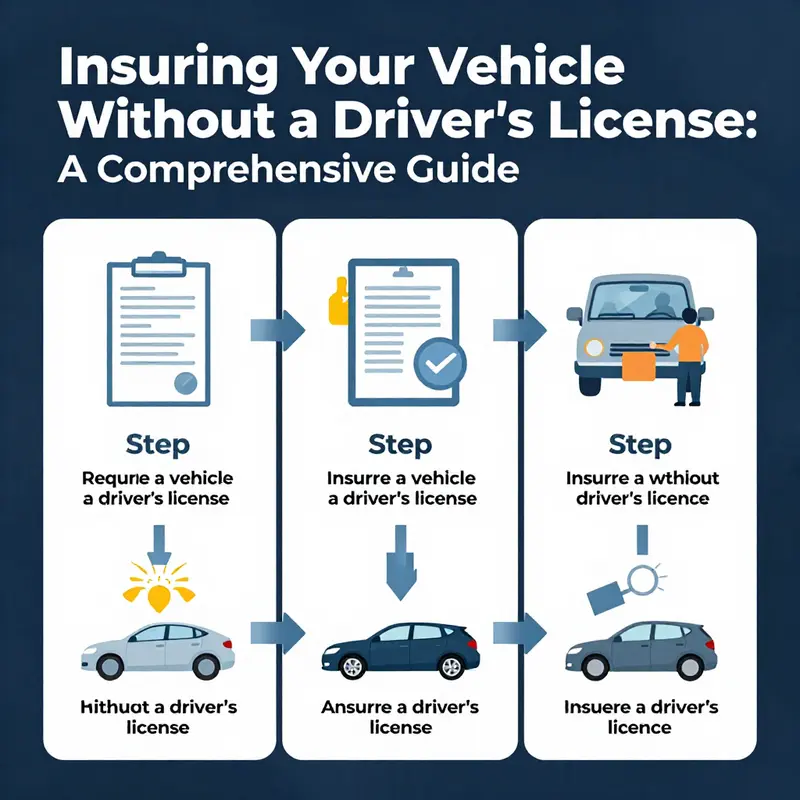
The question of whether a vehicle can be insured when there is no licensed driver behind the wheel touches a quieter, often overlooked seam between ownership and use. The answer, in many jurisdictions, is that insurance can be purchased even if the owner does not hold a valid driver’s license. The practical truth, however, is more nuanced: insurance protects the vehicle and its financial liability, not the privilege to operate it. A policy can bind the vehicle to a person who owns it, who has a right to insure it as an insured interest, while the actual act of driving will still require someone who is licensed. This distinction matters deeply because the policy’s coverage and the law’s enforcement do not always align in the moment of a mishap. When the vehicle is driven by someone with a valid license, the protection can work as intended. When an unlicensed driver takes the wheel, both the insurer’s willingness to pay and the legal consequences of the incident can shift in ways that surprise the unprepared owner. Understanding these dynamics means recognizing how ownership, risk, and law intersect in the real world of motor insurance.
At the core is a straightforward principle: insurance is tied to insurable interest, not the driving credentials of the owner. In many systems, including those influenced by the guiding principles of motor insurance regulation, the essential criterion for purchasing coverage is ownership of the vehicle and the applicant’s identity. If you are the legal owner, you can seek to insure the car even if you do not hold a driver’s license. This reality rests on the regulatory recognition that ownership creates a financial stake in the vehicle and its protection, which is separate from the operator’s qualifications. Yet this separation carries with it a caveat that becomes decisive in the event of an accident: the person who actually drives must be licensed for the insurer to honor certain claims, especially under comprehensive or private automobile policies. The law and the contract align on one point: you cannot legally operate a vehicle without the appropriate license. The policy, however, can be established around your ownership while you arrange for someone licensed to drive the vehicle.
To appreciate how this works in practice, it helps to unpack the typical documentation and the kind of risk assessment insurers undertake when you apply without a license. In most contexts, the application process emphasizes verifiable ownership and identity. You will present standard documents: a government-issued photo identification to confirm who you are, the vehicle’s registration certificate to prove ownership, the Vehicle Identification Number (VIN) to uniquely identify the specific car, and, when applicable, the purchase invoice or bill of sale to establish ownership history and value. A vehicle inspection certificate may also be requested when appropriate. Importantly, the process generally does not require a driver’s license from the applicant at the time of purchase. Insurers focus on the vehicle’s characteristics—its make, model, year, usage profile, and the owner’s identity and ownership chain—rather than the owner’s ability to drive. This emphasis on insurable interest over the owner’s driving status is what allows a non-driver to secure coverage in the first place.
The practical consequence of this structure emerges most clearly when you consider who actually drives the car. If you are the policyholder but do not hold a valid license, you must arrange for licensed individuals to operate the vehicle. If you allow someone without a license to drive and an accident occurs, you will almost certainly face a claim denial under most private or commercial policies. The contract is built on the assumption that the insured driver or designated drivers have the necessary qualifications to operate safely. When the driver lacks a license, the insurer views the incident through a liability lens that can produce limited or denied coverage for the vehicle’s damages, particularly under comprehensive or collision protections. There is a separate, more nuanced dimension under compulsory coverage like CTPL (the mandatory third-party liability insurance in several jurisdictions). CTPL can, in some scenarios, cover medical expenses for third-party injuries up to statutory limits, even if the at-fault driver lacks a license. Yet the insurer retains the right to recover those costs from the at-fault party later, and in most cases, CTPL does not extend to property damage or to compensation for the insured vehicle’s own damage. This distinction is crucial: CTPL may provide a safety net for injury costs to bystanders, but it does not guarantee the vehicle’s own restitution or the driver’s licensure status.
A clear consequence of these rules is that while you can legally purchase and hold a policy as the vehicle’s owner without a license, you should not assume the policy will act as a blanket shield if you end up behind the wheel without proper authorization. The risk management logic here is straightforward: avoid driving without a license, and ensure anyone who does drive is properly licensed. This is not merely about compliance with the letter of the law; it is about sustaining coverage when you most need it. The contract’s definitions and exclusions are designed with the reality of driving behavior in mind, and a misalignment between who is licensed and who is driving translates into higher chances of claim denial or post-accident dispute. It is a simple, sobering reminder that insurance is not a substitute for legal operations—license status matters at the point of driving and can determine whether a claim is honored, partially honored, or rejected.
What does this mean for the everyday owner who does not hold a license but wants to insure a car used for occasional supervised trips or for a family vehicle that someone else will operate? The answer lies in practical risk management and policy design. First, you can secure the policy by establishing your insurable interest and fulfilling the documentation requirements, even if you are not licensed. Second, you should actively manage who drives. One common strategy is to designate licensed drivers in formal policy language, either by listing specific individuals as named drivers or by using a “non-owner” or “excluded driver” arrangement that reflects the reality of your usage pattern. This distinction matters not only for potential premium calculations but also for the enforceability of coverage when a claim is made. Third, you should consider adding coverage that guards you from the consequences of others’ actions. Uninsured/Underinsured Motorist coverage can provide a buffer if someone with or without a license collides with your vehicle or if your own insured vehicle is involved in a sanction-laden scenario where the law of coverage interacts with licensing status. While this does not erase the licensing requirement for operation, it can provide critical financial protection in the event of an accident with an unlicensed driver or with a driver who cannot fully compensate for damages.
A practical way forward involves recognizing the subtleties embedded in the policy contract and in the regulatory framework. If your vehicle is operated by someone who lacks a license, the incident becomes a contract risk for the insurer. The insurer’s first line of defense is to verify that the driver’s license requirement is satisfied for at-fault operation. If it is not, claims related to the driver’s negligence can be denied, and any costs related to the vehicle’s own damage may be disallowed under a standard policy. The policy may still provide some basic protection for medical expenses of third parties under CTPL, but the broader coverage for property damage and for the driver’s liability may be compromised. The impact is not merely about a single denied claim; it can cascade into premium recalculations, policy cancellations, or the need to restructure the policy in a way that aligns with the legal driver status for the vehicle’s use. This is why many insurers advise owners who do not drive to maintain a well-defined structure: appoint licensed drivers, consider a named-driver arrangement, and ensure all actions taken with the vehicle are compliant with licensing laws. The goal is a policy that remains robust in coverage for legitimate use while avoiding the gaps that arise when unlicensed operation occurs.
It is also worth noting the regulatory landscape that shapes these decisions. In many jurisdictions, regulators emphasize consumer protection and clear disclosures about coverage limits and exclusions. The Insurance Law often centers on the concept of insurable interest, the requirement to verify ownership, and the obligation to ensure that the vehicle is used by licensed individuals. For the owner who does not drive, there is often a deliberate, policy-based accommodation that allows the purchase of insurance so that ownership and transfer of risk can be properly managed. This accommodation also acknowledges the practical reality that households may own vehicles that are driven by other family members or employees who are licensed. In this sense, the non-driver-owner may act as a prudent steward of the vehicle’s financial protection while delegating the driving role to trained and authorized individuals. There remains, however, a fundamental caveat: the legal right to operate rests with the license status, and driving without license remains an offense with potential penalties. The toll of that offense can be heavy, including fines, possible imprisonment, and the risk of impoundment, in addition to the insurance consequences. These realities reinforce the central message: owning a vehicle does not authorize its use by anyone who lacks proper licensing, and insurance coverage will reflect that constraint at the moment of a claim.
From a planning perspective, the path to secure coverage while navigating licensing gaps is paved with clarity and diligence. First, be transparent in your application about ownership status and the intended use of the vehicle. Your documents should reflect a precise narrative of who owns the car, who will drive it, and how those drivers are licensed. Misrepresentation or nondisclosure can undermine policy validity later, possibly resulting in a total loss of protection if the insurer discovers discrepancies after a loss. Second, cultivate a roster of licensed drivers and document them in the policy language. Even if the vehicle is owned by someone who does not drive, having named licensed drivers ensures that legitimate use is within the contract’s framework, reducing the risk of unintended claim denial. Third, if you anticipate situations where you may need to drive without a license for a very short, unanticipated circumstance, consult with the insurer about temporary provisions or endorsements that may exist in some markets. While these are not universal, some regimes allow temporary allowances under strict conditions for specific tasks or emergencies. Fourth, be mindful of the broader protections that can accompany a policy. Beyond traditional liability and collision coverage, consider additional layers such as uninsured/underinsured motorist coverage and personal injury protection, depending on your jurisdiction. These coverages can offer a more resilient safety net when licensing realities complicate the driving scenario.
An essential companion to this practical framing is awareness of the legal and moral responsibilities that accompany vehicle ownership. Driving without a license carries serious consequences that extend beyond the insurance contract. Fines, potential jail time, vehicle impoundment, and the risk of criminal charges in cases involving injury or death are real and consequential. Even when the car is insured, the absence of a licensed driver at the moment of a crash can lead to a denial of claims or a reduced settlement, especially for damages borne by the vehicle itself. This reality underscores a simple, often overlooked truth: ownership does not confer the right to drive without meeting licensing requirements. The best protection for all parties is proportional to that truth—ensure that every act behind the wheel complies with licensing rules, and structure your insurance to reflect the actual pattern of usage and operator qualifications.
To weave these threads into a coherent everyday approach, consider a scenario drawn from the regulations and common practice: a household owns a sedan that is primarily driven by a spouse who holds a valid license. The policy is issued in the name of the non-driving owner, with the licensed spouse listed as a named driver. In this arrangement, the car remains a legally protected asset, the owner maintains control over the contract, and the vehicle’s operation remains firmly within the scope of the license. If a traffic incident occurs while the licensed spouse is operating the vehicle, coverage follows the policy terms because the operator’s license status aligns with the contract’s assumptions. If, however, the owner attempts to drive the car themselves without a license, the insurer would likely scrutinize the driving event and possibly deny coverage for the vehicle’s damage or liability claims arising from that act. This example illustrates how a careful structure—grounded in ownership, licensed operation, and transparent disclosure—can preserve protection while upholding legal compliance.
Finally, as you navigate these choices, you may find it useful to consult broader insights about how licensing intersects with vehicle use. For a deeper look at how state rules can impact driver licensing and, by extension, insurance needs, you can explore this resource: State rules impacting driver licensing. This link provides a grounded overview of how regional regulatory differences shape both the issuance of licenses and the legal responsibilities of vehicle owners. State rules impacting driver licensing.
In sum, yes, you can buy insurance for a vehicle without a driver’s license, provided you are the legal owner and you arrange for licensed individuals to operate the vehicle. The insurance contract will reflect the owner’s insurable interest, while the act of driving will be governed by the driver’s license status. A careful approach—clear documentation, named- or designated-driver arrangements, and protective coverages—offers meaningful protection without inviting breach of contract or legal trouble. The moment a non-driver seeks to use the car, the licensing requirement becomes the controlling factor for lawful operation and for the acceptance of claims. Thus, ownership can be separated from driving in the realm of insurance, but the law binds the actual use to licensed operators, and the financial protections hinge on respecting that boundary.
For readers seeking a concise, expert resource to anchor these ideas in a broader insurance framework, the Insurance Information Institute provides a foundational overview of auto insurance basics, including how licensure interacts with coverage and claims. External resource: https://www.iii.org/article/auto-insurance-basics
Insuring a Vehicle Without a Driver’s License: The Legal Tightrope Between Ownership, Coverage, and Driving Privileges
The question of whether a vehicle can be insured without a valid driver’s license sits at the intersection of ownership rights, risk management, and the immutable requirement that someone behind the wheel must be licensed. It is a question that sounds straightforward in everyday speech—ownership does not depend on the ability to drive—yet it opens a complex landscape of rules, exclusions, and practical consequences once a policy is in place. In many regulatory environments, you can legally acquire insurance for a car even if you do not hold a license. The core idea is that insurance is designed to cover financially the risk associated with the vehicle, not to certify the right to operate it. The key factor insurers routinely assess is insurable interest: does the owner have a legitimate stake in the vehicle, such as ownership, lease rights, or other recognized interests? From this perspective, the act of purchasing coverage is not automatically tied to the operator’s licensing status. This distinction becomes especially salient when we examine the details of compulsory coverage and the broader spectrum of commercial vehicle policies. In the context of a major market like China, the governing framework laid out by the banking and insurance regulator makes this separation explicit. The official guidelines indicate that a person can be the policyholder without possessing a driver’s license while the vehicle is not flagged as being driven by an unlicensed individual. The practical upshot is that CTPL, or the compulsory traffic accident liability insurance, and typical forms of commercial vehicle insurance can be arranged by someone who does not hold a license. When applying, the documentation tends to center on the vehicle and the applicant’s identity and ownership relationships: a valid ID card, the vehicle registration certificate, and proof of purchase or ownership. These requirements reflect a concern with who owns the vehicle and who is financially responsible for it, not directly with the owner’s ability to drive.
However, there is a crucial distinction that cannot be overlooked: even if you can purchase insurance without a license, the policy coverage itself is tethered to who operates the vehicle. In practice, the vehicle must be driven by someone who holds a valid driver’s license. This constraint is not a minor technicality; it is a fundamental condition of most motor insurance contracts. If an accident occurs while the vehicle is being operated by an unlicensed individual, insurers are likely to reject claims under commercial policies. The logic is straightforward: driving without a license contravenes traffic law and represents a heightened risk to others on the road. In the case of CTPL, which covers the medical expenses of third parties within statutory limits, the insurer may still fulfill those medical costs but reserves the right to recover those sums later from the at-fault party. In other words, the basic medical coverage for third parties might still be available, but the landscape shifts dramatically once the operation of the vehicle involves an unlicensed driver. This dynamic is not simply an abstract risk; it translates into real-world outcomes such as claim denials, coverage disputes, and potential legal exposure for misrepresentation if the policyholder lists someone as the driver or as an authorized user without full licensing verification.
These dynamics illuminate why the legal framework often insists on a clear separation between ownership and driving rights. The vehicle can be owned and insured in the name of a person who does not hold a license, but the act of driving becomes the critical choke point. Driving without a license is illegal in virtually all jurisdictions, and the consequences extend beyond criminal penalties into insurance policy interpretations. Consider the broader implications of attempting to secure coverage for a vehicle that will be operated by an unlicensed person: insurers may deny coverage if they learn that the vehicle was to be operated by someone without a valid license. Even when a policy is in force, an accident investigation might reveal that the at-fault operator lacked licensing, triggering a misrepresentation claim against the policyholder or, at minimum, a denial of the portion of the claim tied to the unlicensed driver. The risk calculus for insurers rests on the basic premise that an unlicensed driver cannot be trusted to meet the standard obligations of safe operation, and this risk is what regulatory regimes are designed to mitigate through licensing laws.
The legal consequences of attempting to insulate an unlicensed driver from the normal rules can be stark. In many places, driving without a license carries penalties that may include fines, license suspension, or even imprisonment, depending on the severity and frequency of the offense. A concrete illustration emerges from the Thai legal framework, where the Land Traffic Act provides penalties that underscore the seriousness of operating a vehicle without a license. Under that act, penalties can include imprisonment of up to one month, a fine of up to 1,000 baht, or both. While this example is situated in a specific jurisdiction, the underlying message is universal: the license is not a mere formality but a protective standard that supports safe road use. When insurance law intersects with this standard, the insurer’s risk pool changes the moment a driver operates without a license. The result is not simply a policy cancellation or a denied claim; it can also involve questions of fraud or misrepresentation if policyholders attempt to list unlicensed operators as drivers or authorized operators without full disclosure. The specter of misrepresentation is not academic; it is a real risk that can undermine the legitimacy of the entire contract and complicate any later recovery actions.
A practical implication follows from these legal realities. Some jurisdictions permit a person to own and even insure a vehicle without driving it themselves. There are contexts in which the vehicle is registered and kept in the name of someone who does not hold a license, often with explicit limitations on use and with a requirement that any operation be carried out by a licensed driver. Those arrangements, however, almost always come with stringent disclosure requirements and a tight regulatory leash. The insurer’s willingness to underwrite such an arrangement hinges on a precise accounting of who will drive, when, and under what conditions. Without transparent disclosure, coverage becomes precarious and claims handling becomes a potential battleground. In the Chinese context, the CBIRC guidelines emphasize the importance of the relationship between owner and vehicle, but they do not dispense with the fundamental rule that the vehicle must be operated by a licensed driver. The policyholder’s status can be maintained in the absence of a license, but coverage hinges on the identity and licensing status of the actual operators at the time of any incident. This nuanced stance—ownership and insurance can be decoupled from the driver’s license, yet driving itself remains inextricably linked to licensing norms—frames the core legal tension that policyholders must navigate.
The practical tension is that insurance, at its heart, is a contract built on risk transfer. When risk is allocated to the insurer for a vehicle that might be driven by an unlicensed person, the insurer’s pricing, terms, and exclusions become navigable only through rigorous controls on who may operate the vehicle. The core risk concerns include the possibility of higher accident rates, greater uncertainty in fault determination, and stronger regulatory scrutiny over any misrepresentation. From a consumer perspective, the prudent path is to view the license as a gating condition that preserves both legal compliance and the integrity of the insurance contract. This approach aligns with a broader ethical principle: the driver behind the wheel should meet the licensing standards set by the jurisdiction to ensure that road use remains predictable and accountable, a critical factor when losses arise and claims must be adjudicated.
These considerations also highlight a practical, policy-level truth: the person who purchases insurance is not automatically the person who will operate the vehicle. This separation allows some flexibility in ownership arrangements, such as family members who may own a car but pass the driving duties to a spouse or another licensed driver. Yet the insurance contract is not a blank slate; it requires clear disclosure of who can operate the vehicle and under what circumstances. The subtle but real effect is that insurers will insist on a licensed driver being present behind the wheel for the insured vehicle to be used with coverage in force. When this condition is not met, the policy may fail at the moment of truth—the moment an accident occurs. The consequences cascade beyond the denial of a single claim: it can affect the policy’s overall validity, the insured’s claims history, and any future dealings with insurers who will look at past misrepresentations as a signal of risk management failure.
In navigating this terrain, it is useful to connect the Chinese regulatory stance with a broader, more universal perspective. While the specific regulatory text and enforcement mechanisms differ from country to country, the underlying logic holds: ownership and insurance are separable, yet operation hinges on licensing. A reader seeking deeper alignment with particular jurisdictional rules can explore resources on how licensing status interacts with driver eligibility and insurance requirements. For instance, the concept of state-level licensing rules shaping who may drive is captured in discussions that emphasize the importance of licensing for both legal driving and valid insurance coverage. You can explore a focused examination of how state rules impact driver licensing to see how different jurisdictions handle the balance between ownership rights and driving privileges. State rules impact on driver licensing
For readers who are grappling with a real-world scenario—owning a car without a license or intending to insure a vehicle without an immediate driver in mind—the practical guidance is clear. Do not assume that insurance can compensate for noncompliance with licensing requirements. Even where a policy is technically available to purchase without a license, the risk that a future operator may lack licensing is a built-in deterrent to obtaining or maintaining coverage for any meaningful use of the vehicle. Instead, plan for a licensed driver to be legally responsible for the vehicle when it is used. If you anticipate the need to keep a car in your name without driving it yourself, ensure you disclose the exact use case to the insurer, confirm whether there are any restrictions on operation, and obtain explicit confirmation that the policy will respond to claims arising from licensed drivers only. In addition, keep a careful record of all licensing documents, transfer or ownership papers, and any changes in the vehicle’s use that could alter risk exposure. The safeguards built into these disclosures are not mere administrative steps; they are essential risk controls that help maintain the integrity of the insurance arrangement and protect all parties from disputes that could otherwise escalate into litigation.
In sum, insuring a vehicle without a driver’s license is not a simple loophole to exploit. It is a legally nuanced arrangement that depends on a clear delineation between ownership and driving, a robust set of disclosures about who will operate the vehicle, and an understanding of how the insurer will handle claims when an unlicensed driver is involved in an incident. The policyholder, the vehicle, and the potential operator must align with licensing laws and the insurer’s risk assumptions. Where this alignment exists, insurance can be obtained in a way that preserves financial protection for the owner while also honoring the legal requirement that the actual driving be performed by a licensed individual. When it does not, the risk of claim denial, coverage disputes, or legal repercussions increases, undermining the fundamental purpose of insurance as a stabilizing force in the face of road risk. This nuanced equilibrium is what makes the topic of insuring a vehicle without a driver’s license both practically important and legally consequential. For readers who want to explore how licensing rules in different jurisdictions shape these outcomes, the linked discussion on state licensing rules offers additional context, while the external reference to the Land Traffic Act in Thailand provides a concrete example of how licensing enforcement can influence the consequences of unlicensed driving in the real world.
External resource: https://www.thaigov.go.th/en/land-traffic-act-b-e-2522
Ownership First: Navigating Auto Insurance Without a Driver’s License
When a car owner looks into insurance, the instinct is to assume the driver’s license status must be perfectly aligned with policy eligibility. Yet in practice, the world of vehicle insurance often works in a way that surprises people who do not hold a valid driver’s license. The core idea is straightforward: insurable interest matters more than a license in the initial act of obtaining coverage. If you own the vehicle, you can typically purchase both compulsory traffic accident liability insurance and independent, or commercial, vehicle coverage even if you do not yourself hold a license. The nuance reveals itself only when the vehicle is on the road and someone else, ideally a licensed driver, takes the wheel. The moment you step into a claim scenario, the differences between insurability and actual driving come clearly into focus, and the practical consequences of driving unlicensed become both legally and financially significant.
From a legal and underwriting perspective, ownership trumps licensing at the moment of policy inception. Insurance underwriters assess risk through the lens of insurable interest, not the driver’s current qualification. The person who has ownership or a demonstrable financial stake in the vehicle is the natural candidate for the policyholder role. This aligns with general insurance principles, which hold that the policy is designed to protect the owner’s financial interest in the asset. Because the vehicle is the asset, the policy is issued to the owner, regardless of whether the owner can legally operate a vehicle themselves. This distinction is not only logical; it is repeatedly reflected in national guidelines and the way insurers structure coverage.
Yet the same framework that enables a policy to be written for an unlicensed owner also creates a critical line in the sand: the operation of the vehicle on public roads. Insurance policies are designed to respond to the risks that arise when the vehicle is being driven by someone with a valid license. When the actual act of driving falls to an unlicensed individual, the insurer’s standard response is to scrutinize the claim under exclusions. In many jurisdictions, including where the widely observed regulatory framework is applied, driving without a valid license constitutes a material exclusion in commercial policies. That means if an accident occurs while an unlicensed person is behind the wheel, the insurer may repudiate coverage for the damage or loss arising from that incident. The policy may still have some life-saving or transitional provisions, especially in terms of third-party medical expenses, but the property damage recovery, and any material damages from the collision, may be left to the policyholder to bear.
The distinction between compulsory insurance and commercial coverage becomes especially important in this context. The compulsory third-party liability insurance, often referred to as CTPL in many markets, is designed to cover the costs the driver’s negligence causes to third parties. It is a minimum legal requirement and tends to be more focused on human harm and medical costs than on property damage. If an accident happens because an unlicensed driver was at the wheel, CTPL can still step in to cover third-party medical expenses up to the policy’s limit. However, even this coverage carries the possibility of a later recovery action. The insurer retains the right to pursue repayment from the at-fault party, which in practice means the uninsured or underinsured party with no license could face a back-end claim to reimburse medical costs. The practical takeaway is clear: CTPL offers a safety net for victims and a financial exposure for the at-fault driver in the same breath, but its scope is not an all-encompassing shield for the accident’s consequences.
Commercial vehicle policies, which cover a broader array of risks including comprehensive and collision coverage, routinely exclude driving without a valid license as a standard matter. This is a crucial point for any owner who relies on the policy to protect against theft, vandalism, collision, or loss of use. If the vehicle is driven by someone without a license, a large portion of the commercial policy’s protections may be denied at the outset. At best, there may be a narrow window of coverage for certain minor incident consequences or for damages that do not arise from the act of driving, but the damages resulting from a collision caused by an unlicensed driver are typically outside the policy’s remit. The net effect is straightforward: insurance does not compensate for illegal driving, and the vehicle owner could be left bearing the financial burden of repairs, medical bills for third parties, or liability beyond the policy limits.
This dynamic places the vehicle owner in a paradox. On one hand, ownership allows a policy to be in place, and on the other hand, the policy’s ultimate value rests on ensuring that the vehicle is operated only by licensed drivers. The practical implication is that ownership alone is insufficient to guarantee coverage on the move. A policy issued in the owner’s name is not a license to drive; it is a contract that binds the owner to the reality of who is actually behind the wheel and whether that person holds a valid license at the time of operation. For the policyholder, the question then becomes not how to obtain coverage in theory, but how to structure the policy so that it protects the most realistic driving arrangement while reducing exposure to the insurer’s exclusions.
Documentation plays a decisive role in translating ownership into insured status. When you apply for insurance, you will typically provide documents such as a government-issued photo identification, which proves your identity; the vehicle registration certificate, which demonstrates ownership and legal status; and the purchase invoice, which confirms the vehicle’s price and origin. These materials are standard across markets and serve to establish your insurable interest, your ownership stake, and the basic credibility of the transaction. In this phase, you are not required to disclose drivers’ licenses, which can feel counterintuitive to some applicants. The absence of a license is not a disqualifier at the point of application, but it is a decision point about who will operate the vehicle when it leaves the driveway. That distinction matters because the policy’s life and its price are influenced by the scope of operation that will be allowed under the contract.
In practice, this means you, as the owner and policyholder, can secure the policy while deciding which drivers may legally operate the vehicle. The more transparent you are about the expected use and the actual license status of the drivers, the smoother the underwriting process tends to be. It is common sense that insurance is about risk transfer and risk management. If you acknowledge that only licensed drivers will operate the vehicle, you reduce the likelihood of a claim denial, and you inform the insurer about the actual risk profile. Conversely, attempting to hide or misrepresent the reality of who drives the car can create legal and financial vulnerabilities. Misrepresentation—even if it is unintentional—may lead to the cancellation of the policy or the denial of a claim when a loss occurs.
A practical path emerges from this understanding: designate the licensed drivers clearly within the policy. If a family owns the vehicle, and multiple relatives or friends might use the car, it is prudent to use policy options that accommodate named or specified drivers. Some policies offer the flexibility to list drivers who have valid licenses, which allows the insurer to assess risk by the operator’s qualifications. If it is anticipated that the car will be driven by a broader circle of licensed individuals, an unrestricted or broadly defined coverage arrangement may be appropriate, provided that all potential drivers maintain valid licenses. The guiding principle is honesty about who will drive, paired with a plan that ensures those drivers are properly licensed and able to meet the statistical risk the insurer expects.
A corollary to driver designation is the strategic choice to maintain separate coverages for very specific purposes. For instance, if the owner does not intend to drive the car at all, a non-operational vehicle policy or a parked-car coverage could be contemplated to protect against theft, fire, or other perils that do not require the vehicle to be moved. This approach can be especially appealing for owners who have access to a licensed driver for essential trips but want to minimize premium costs when the car sits idle. It is not uncommon for insurers to offer lower premiums when the vehicle remains parked for extended periods and is not exposed to the same level of driving risk.
The legal and practical implications of driving without a license extend beyond insurance into the realm of public safety and regulatory compliance. The act of operating a vehicle without a valid license is illegal in many jurisdictions. The penalties span fines, potential vehicle impoundment, and criminal charges, depending on the severity of the offense and the local statutory framework. Insurance does not shield the driver from these consequences. The policy is a contract that provides economic protection for listed perils and for legally driven scenarios; it does not legislate the legality of the act of driving itself. This distinction is essential for any owner navigating the process: obtaining coverage is a separate objective from ensuring lawful operation. If you anticipate a scenario in which you must drive, the path forward is clear—pursue the appropriate licensing process. In the meantime, arrange the vehicle’s use so that only licensed operators are at the wheel. That recommendation might feel obvious, but it is the practical hinge on which insurance viability turns.
To bring these ideas together, consider the design of a policy as a tool for risk management rather than a barrier to ownership. The policy should reflect the fact that ownership entitles you to coverage, while the actual driving arrangement determines whether that coverage will respond to a loss. The interplay between these factors shapes the owner’s financial exposure after an claim event and clarifies the steps needed to safeguard against potential denials. It also highlights how crucial it is to communicate honestly with the insurer about the vehicle’s use and the drivers who will operate it. The more precise and transparent the disclosures, the more predictable the policy’s performance when a claim arises and the less room there is for disputes about coverage when it matters most.
For readers seeking deeper, jurisdiction-specific guidance on how state or national rules shape driver licensing and insurance, a concise resource on how state rules impact driver licensing can be helpful. You can explore this topic in more detail here: state rules impact on driver licensing.
In sum, owning a vehicle provides the legal and procedural doorway to insurance even without a license, but driving without a license closes that door in practical, enforceable ways. The policy is not a license to drive; it is a contract that protects your financial stake in the vehicle while recognizing that the actual operation on public roads must be performed by licensed individuals. The smart path blends responsible ownership with prudent risk management: secure a policy that fits your ownership, designate licensed drivers, consider alternatives for non-operational use if appropriate, and pursue licensing in parallel with the ongoing coverage. The result is a coherent framework that aligns legal compliance, financial protection, and everyday mobility.
For readers who want to anchor these ideas in a broader, external perspective on vehicle insurance practices, consult established industry resources. The linked external reference offers additional context and regulatory nuances that help frame the conditions under which insurability is granted and the limits of coverage when driving without a license are involved: https://www.pcauto.com.cn/.
Final thoughts
Insuring a vehicle without a driver’s license is entirely feasible within the framework of existing insurance laws. As long as the individual has an insurable interest in the vehicle, they can secure coverage, albeit with the critical understanding that the vehicle must be driven by someone who is properly licensed. By staying informed about the principles, processes, and legal aspects, vehicle owners can navigate their insurance needs effectively, ensuring compliance and protection on the road. Emphasizing the significance of licensed drivers will help mitigate legal complications and enhance the insurance experience.