
Understanding the timeline for licensing a vehicle is essential for both new and existing drivers, vehicle owners, and auto dealerships. Licensing is a legal obligation that involves various processes, from initial registrations for newly purchased vehicles to renewals of existing licenses. Each step can come with specific deadlines and regulations, making it crucial to grasp how long you have to complete these necessary tasks. This guide will explore the duration for licensing after a vehicle purchase, provide insights into renewal timelines, highlight online services that expedite the process, examine key factors influencing timing, and illustrate how local regulations can affect your licensing experience. Together, these chapters will furnish you with a well-rounded understanding of vehicle licensing and the timeframes associated with it.
Timing the Paperwork: Navigating the Real Window to License a Vehicle After Purchase
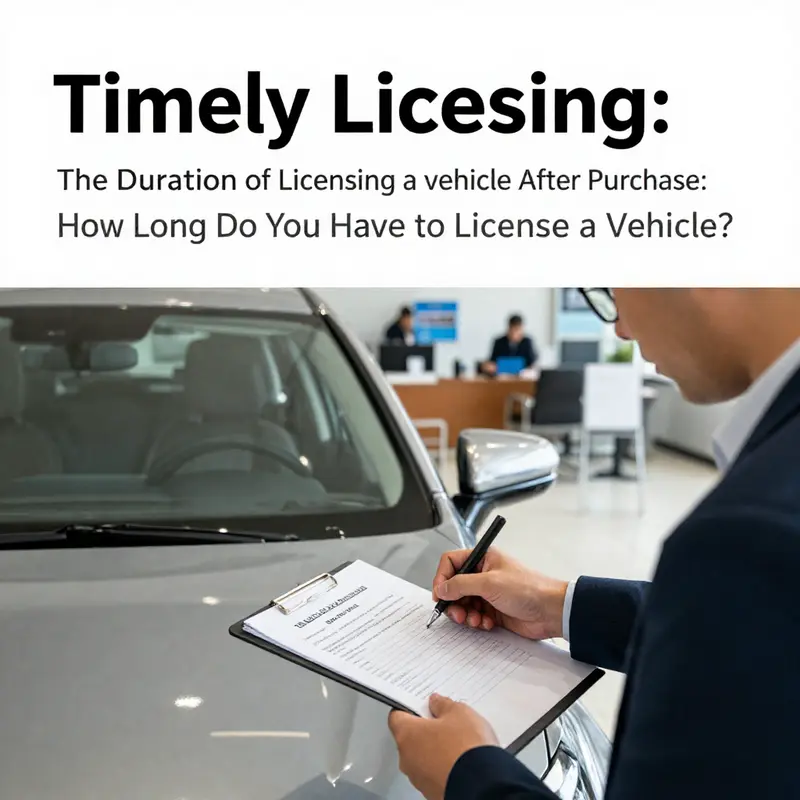
When you bring a vehicle home, the clock starts ticking on licensing. The window to register a new or used car varies by state and city, but most places give you a limited number of days to complete the official steps before you can legally drive on public roads. Common ranges are roughly seven to thirty days after purchase, reflecting the balance between giving buyers time to gather documents and keeping registrations current. There are notable exceptions. In some states the deadline is tighter, underscoring how a small policy difference can become a practical pressure point for buyers.
The practical takeaway is straightforward: the speed of licensing depends as much on the pre-submission workflow as on the final submission. The documents you need are not optional extras; they prove ownership, identify the owner, verify insurance, and establish the vehicle information. A title transfer or deed, a bill of sale, proof of insurance, and proof of identity are the core anchors. If the vehicle is financed, you may also have to address lienholder requirements, which can add delays if the lender needs to review documents or issue a lien release before the title can be transferred.
Beyond the documents, logistics around the vehicle and any required inspections or emissions tests can reshape the calendar. In many places you can submit online or schedule appointments, but bottlenecks often occur when an inspection or certificate is needed or when appointments are scarce. Digital processing can speed things up, allowing you to upload documents and track progress, but only if the state systems accept the data cleanly and promptly alert you to missing items.
State variation matters. Some jurisdictions let you initiate registration while you still owe the dealer money or while you hold the car, and online portals can compress timelines. Others require a trip to a DMV office and a longer wait for appointments. A practical approach is to assume that timing problems may arise from the steps before final submission: gathering the right documents, obtaining compliant proof of insurance, and ensuring paperwork can move from seller to buyer without holds. The timing equation is about momentum in collecting what is required and scheduling inspections or verifications.
Because the landscape varies, the most reliable strategy is to consult your state DMV or official online portal for the exact deadline and any extensions or exemptions. The documentation should be organized logically: proof of identity, proof of address, purchase details (bill of sale and any title documents), vehicle information (VIN, make, model, year), proof of insurance that matches the vehicle and owner, and any lender communications if financed. Delays often begin when a piece of the chain is broken—an insurance card with a mismatched VIN, an address that does not match DMV records, or a title not yet released. In those moments the clock stops, and you must resolve the discrepancy before the registration can proceed.
The online dimension adds another layer. Many jurisdictions offer portals to submit forms, upload documents, and schedule inspections. This can shorten the practical duration, but only if the platform accepts the documents in the required formats and the inspection can be scheduled without long delays. If you are buying from a dealer, they may have already started some steps, pre-submitting information, arranging temporary tags, or guiding you to the specific registration package your state requires. The final approval and plate issuance still depend on presenting complete, consistent documentation and completing any mandatory inspections.
When deadlines loom, penalties for missing them are real. Most states impose fines, and some may restrict driving until registration is complete. The consequences vary, but the core lesson is the same: driving a vehicle with expired or missing registration carries legal risk and potential enforcement action. A practical mindset shift helps here: plan the process as a multi-day project, set early reminders for document collection, schedule inspections and DMV visits in advance, and recognize that even the best plan can be delayed by a missing title, a delayed lien release, or a backlog at the inspection station. If you approach the cutoff, consider contacting the DMV for guidance on temporary permits or extensions, which may be available in some states.
No discussion of licensing timelines is complete without acknowledging the broader regulatory ecosystem. State rules govern not only how quickly you must license after purchase but also what counts as valid proof of ownership, how insurance is verified, and whether temporary tags are allowed. For readers who want to dig deeper, there are official resources to explore, such as state DMV guidance on licensing and registration. If you want a comparative perspective across contexts, external references can be informative. External resource: a representative article on registration timelines can provide broader context.
In the end, licensing after purchase is a multi-step process rather than a single moment. Start by confirming the exact deadline with your state DMV and assembling every document with consistency and cross-reference. If you buy from a dealer, use their experience to map out a feasible timeline and set expectations for how quickly the vehicle can be legally registered and plated. If you buy independently, create your own internal checklist and calendar that links the purchase date, title transfer, insurance activation, and inspection or DMV appointment windows. By building a proactive system, you reduce the risk of late registration and can focus on enjoying the benefits of driving a legally registered and insured vehicle.
null
null
Digital Gateways and the Licensing Clock: How Online Services Streamline Vehicle Registration
Timelines for licensing a vehicle are never uniform. They bend to place, procedure, and the speed of you, the applicant, rather than to a universal deadline. Across regions, the core steps typically look similar: gather documents, present them, undergo a vehicle inspection if required, and finally issue or renew a registration and license plate. Yet the advent of online services reshapes that arc. The Transport Department in Hong Kong offers a compact ecosystem of digital tools designed to bring these steps into the online realm, reducing the friction that once came with in-person visits for each milestone. In places with robust online portals, the central bottlenecks shift from the queue at a counter to the readiness of your paperwork and the availability of inspection slots. This chapter looks at how those online services translate into a practical timetable, revealing what you can reasonably expect when you decide to license a vehicle today and how the clock can be shortened by design rather than luck.
Among the most impactful tools are digital certificates that consolidate vehicle data into a single online request: the Certificate of Particulars of Motor Vehicles. When this certificate is requested online, it streamlines verification and reduces back-and-forth. Instead of waiting for a paper trail to be assembled or a clerk to manually compile an file, you obtain a consolidated summary that can be attached to your licensing submission with confidence. The effect on timing is not magical, but it is measurable: fewer administrative cycles between inquiry and authorization, fewer trips to government offices, and a smoother flow into the next required step. The practical consequence is that a process which once sprawled across days or weeks in some jurisdictions can, with a well-timed online submission, become a sequence of moves that progresses in a matter of days. The alignment between document readiness and digital verification matters here; every minute saved in data consolidation travels forward into the subsequent activities, and the better your records are organized, the tighter the chain becomes.
Another pillar of streamlined timing is the online booking of appointments for annual vehicle examinations. When you can select a time slot for the designated car testing centre from a computer or a phone, you avoid the friction of wandering through an office looking for available slots. In practice, slots can appear within days, especially when demand is not at peak, and the process allows you to prepare for the inspection with greater predictability. This predictability matters for the timing of licensing because the vehicle inspection is often a prerequisite for full licensing approval. If your car is in good condition and the appointment is secured promptly, the examination becomes less a race against the calendar and more a scheduled milestone in a well-planned sequence. The design of online appointment systems emphasizes capacity management—front-loading the administrative workload so that when the day arrives, the inspection proceeds without unnecessary delays.
A further digital lever is the ability to renew vehicle licences electronically. Renewal systems eliminate a recurring journey to the office and the associated waiting times. For many drivers, renewal can be accomplished in minutes once the system confirms the vehicle details and the required insurance or emissions data are in order. The speed here is not only about the renewal itself but about the confidence that the details are current. When renewal is handled online, it is considerably easier to correct or update information before the next licensing cycle, which can prevent delays caused by mismatched data or missing policy details. In the same online ecosystem, transferring vehicle ownership becomes a streamlined digital transaction. Ownership changes that might have required multiple visits and extensive documentation can be initiated and tracked online. The core requirements remain, yet the digital process surfaces clear, real-time status updates, ensuring both parties understand where the transaction stands. This clarity reduces impedance late in the process and helps avoid last-minute surprises that could slow licensing.
The capacity of online processes to handle paperwork efficiently also extends to the recovery of documents, in cases of loss or damage. Applying for duplicates becomes a digital request rather than a scavenger hunt through paper archives. Since the online interface often includes status notifications, it becomes easier to anticipate when a duplicate document will arrive or when a reissue is ready for collection. That predictability matters: it eliminates the anxiety that comes with waiting for critical paperwork and, in turn, reduces the risk that missing documents derail the entire licensing timetable. Finally, some jurisdictions support specialized digital pathways for those who seek personalized vehicle registration marks, or PVRMs. The inquiry and bid process for these marks can be conducted online in designated periods, which, although not a direct licensing requirement for everyone, affects the broader timeline for vehicle identity changes. Those who pursue PVRMs are guided through a transparent, time-bound procedure, with clear milestones from inquiry to awarding, which helps them coordinate their licensing timelines with personal preferences.
All of these digital services sit within a broader regulatory logic that shapes how quickly a license can be issued. The Online Licensing Platform, as implemented in this example, is designed to reduce administrative delays and to keep the workflow moving when the user has prepared the necessary elements. The timeline for licensing then becomes a reflection not only of the system’s capacity but of the user’s readiness. The most common source of delay remains the practical side of document preparation: the speed with which you can assemble proof of identity, proof of address, the purchase invoice, the vehicle’s conformity certificate, and the compulsory insurance policy. If any of these items are missing or incorrectly formatted, the system’s advantages erode, and the approval process can slip. The lesson is straightforward: the more complete and accurate your digital submissions are, the faster the entire process will be, because the online platform can validate data instantly and route it to the right queues without manual re-entry.
A key takeaway from this online framework is that the clock stops not when you click the submit button, but when the administrative gears catch up with your documentation. In Hong Kong’s model, the platform’s efficiency hinges on the speed of appointment slots for the inspection and the readiness of all required documents. When both are aligned, the duration from first submission to licensing can compress into a few days. But if you try to proceed with incomplete information, the platform will not magically shorten the delay; instead, it will signal gaps, trigger requests for additional documents, and push you back into a cycle that wastes time. This is the paradox of digital licensing: speed is conditional on preparation. With that in mind, prospective applicants are urged to begin early, to collect and organize documents in advance, and to check the local authority’s guidance for any distinctive rules that might alter the timing. In practice, this means paying attention to the specifics of local regulations, which can differ from one city to another and from one country to another. For those who want a broader perspective on how rules alter licensing timelines, it is helpful to consider the viewpoint captured in discussions about driver licensing more generally, such as how different state or national rules shape timelines. See also the discussion on state rules impact on driver licensing.
From a user experience standpoint, the digital ecosystem is designed to deliver confirmations rapidly. After submitting requests for certificates, renewals, transfers, or duplicates, applicants typically receive immediate acknowledgments followed by progress updates. Appointment availability for examinations often becomes visible within days, and the final licensing decision follows once the vehicle passes the inspection and all data checks are satisfied. Because these systems centralize data, the risk of missing or incompatible information declines, which further trims the likelihood of delays once the process is underway. In practice, the resulting timeline is a composite of a few distinct moments: the time to gather and submit accurate documents, the time to secure an inspection appointment, the inspection duration itself, and the post-inspection processing that assigns or confirms the license and plates. When these moments are tightly synchronized, the overall licensing clock is shortened in a meaningful way. The experience across jurisdictions that have invested in online licensing platforms indicates that the core administrative task—verification and issuance—can be completed efficiently, but only if the input data are complete and the scheduled steps are adhered to.
For anyone navigating this terrain, the lesson is clear. Online services can dramatically reduce the bureaucratic drag that once slowed vehicle licensing, but the effectiveness of the digital pathway hinges on preparation and punctual action. Start early, gather the papers, and use the online tools to their fullest—request the certificate that consolidates vehicle data, book the inspection slot as soon as you have everything in order, and proceed with renewals, transfers, or duplicates as-needed to maintain a smooth flow toward licensing. With this approach, the question “how long do you have to license a vehicle?” becomes less about a fixed deadline and more about orchestrating a sequence where each digital step leads promptly to the next. For authoritative, up-to-date guidance alongside the online tools described, refer to the Transport Department’s official site: https://www.td.gov.hk.
Understanding Vehicle Licensing Timeframes

The period you have to license a vehicle varies widely by jurisdiction, vehicle type, and whether the vehicle is new or previously registered. In many regions, once all required documents are prepared and the vehicle passes any mandatory roadworthiness inspection, the core processing can be completed within a few business days, especially when online submission systems are used. However, delays often arise from waiting for inspection appointments, gathering missing paperwork, or navigating specific rules for certain vehicle classes (e.g., commercial trucks, motorcycles, or specialty vehicles). If the vehicle already holds a valid license, renewals are typically quicker, but you must still adhere to local renewal windows and may not receive refunds for unused time. Conversely, new or unregistered vehicles must undergo the full inspection and registration process, which can extend the timeline if appointment slots are scarce or additional compliance checks are required. To minimize delays, start early, verify the exact document checklist for your area, schedule inspections promptly, and use any available digital portals for submission. By aligning your preparation with the specific requirements of your jurisdiction and vehicle class, you can ensure the licensing process proceeds as smoothly and quickly as possible.
How Long Do You Have to License a Vehicle?
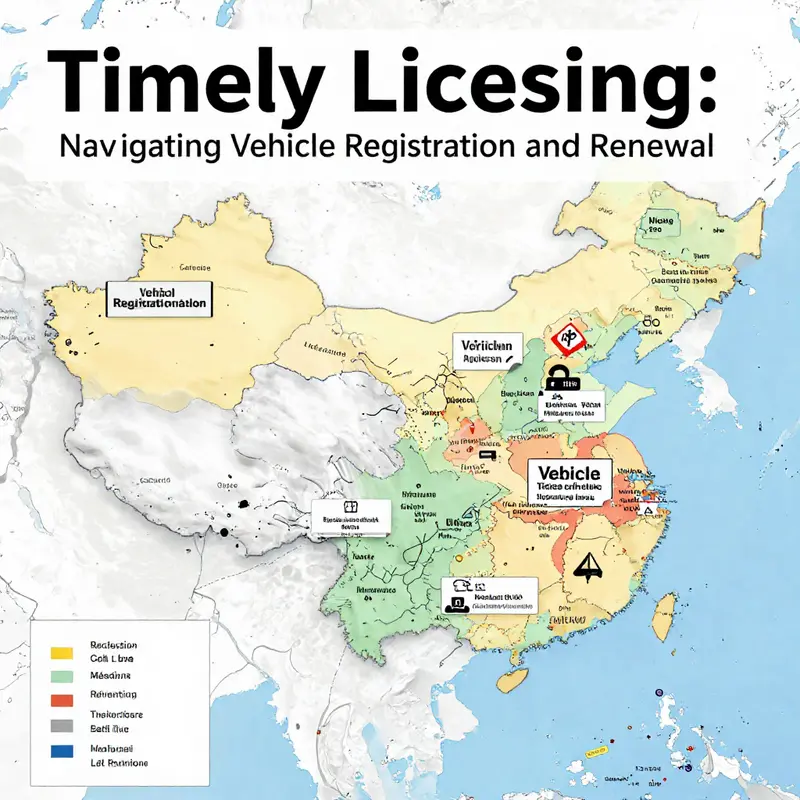
The time you have to license a vehicle varies by jurisdiction. In most U.S. states, a newly purchased vehicle must be titled and registered within 30 days of the sale, while some states allow up to 60 days. In the United Kingdom, a vehicle must be taxed and have a valid MOT within 14 days of purchase. European Union countries generally require registration within 30 days, but the exact period can differ. Canada’s provinces set deadlines ranging from 14 days in Ontario to 30 days in British Columbia. Always check the local motor‑vehicle agency for the precise deadline, as missing the window can result in fines or penalties.
Final thoughts
Navigating the complexities of vehicle licensing is essential for compliance and peace of mind. By understanding the different timelines for registering a new vehicle, renewing existing licenses, utilizing online services, and considering local regulations, both new and seasoned drivers can ensure a smoother experience. It’s crucial to stay diligent about documentation and to be aware of any applicable deadlines in your locality. In summary, being proactive in your vehicle licensing journey will help avoid penalties and enhance your driving experience.