
In today’s fast-paced world, understanding how to find a vehicle license plate number is increasingly crucial for various groups, including new drivers, existing drivers, vehicle owners, and auto dealerships. License plates are more than just identification tags; they serve as a key to unveiling a vehicle’s history and ownership, providing significant insights into legal statuses and safety metrics. For new drivers and learners, mastering the process of license plate lookup can be essential for understanding their responsibilities on the road, while existing drivers may need this knowledge for purposes ranging from parking validations to insurance matters. Vehicle owners might find themselves in situations requiring a license plate number to resolve disputes or verify ownership. Auto dealerships, on the other hand, rely heavily on vehicle identification for inventory management and sales processes. The ability to accurately find a vehicle license plate number can lead to crucial legal implications, such as ensuring the vehicle isn’t stolen or involved in any criminal activities, highlighting the necessity for diligence and due process. Furthermore, understanding the laws surrounding vehicle identification and the protocols for license plate lookup can safeguard drivers against potential legal repercussions. It’s not only about fulfilling registration requirements but also about enhancing road safety through informed practices. In this article, we will delve deeper into various methods of locating license plate numbers, helping you become well-equipped in handling any vehicle-related inquiries effectively.
For further insights into public safety and the implications of CDL requirements, check out this link and explore various state rules impacting driver licensing.

Finding a vehicle’s license plate number can be essential for various reasons such as verifying vehicle ownership or checking registration details. Below are some common methods to locate license plate numbers:
-
Online Services: Many local traffic management bureaus allow users to access vehicle information through their official websites. By logging in with personal identification details and the Vehicle Identification Number (VIN), users can often retrieve license plate information.
-
DMV Inquiries: Although most state Departments of Motor Vehicles (DMVs) limit public access to license plate info due to privacy concerns, they often provide other services that can be useful. Users can check registration status or vehicle specifications through secure online portals. For personal inquiries, an ID verification may be required.
-
Insurance Providers: If you carry auto insurance, your insurance provider can assist in obtaining your vehicle’s license plate number. Contact their customer service or check their website for support options.
-
Authorized Dealerships: Vehicle dealers where maintenance or purchase occurred can access databases using either the VIN or details from the insurance policy.
-
Mobile Apps: Some mobile applications provide functionality for querying vehicle data using the VIN, allowing users quick access to its license plate information.
These methods cater to various users, whether individuals or businesses requiring vehicle data.
Online Methods to Find Vehicle License Plate Numbers
With the increasing reliance on technology, there are various online methods available for individuals seeking to find vehicle license plate numbers. Each of these methods has its own advantages and potential limitations, impacting user experience and accessibility, especially for new drivers, existing drivers, vehicle owners, and auto dealerships.
1. DMV Official Websites
One of the most reliable methods to find a vehicle’s license plate number is through the Department of Motor Vehicles (DMV) websites. By logging in and verifying one’s identity, vehicle owners can access their vehicle registration details, including license plate numbers.
Advantages:
- Legitimacy: Information is sourced directly from government databases.
- Data Accuracy: Official records are maintained, ensuring high accuracy.
- Secure Process: User data is protected under privacy laws.
Limitations:
- User Restrictions: Only the registered owner of the vehicle can access this information.
- Identity Verification Required: Comprehensive identification proofs are necessary, which may deter some users.
- Varying State Policies: Different states have varying procedures and functions available on their DMV sites, which can lead to confusion. Some states may even require payments for printed documents.
For a more in-depth look on this topic, you can learn more about state vehicle inspection requirements.
2. Online Insurance Platforms
Many vehicle owners store their registration details digitally on insurance platforms. By logging into their accounts, users can typically find information concerning their vehicles, including the license plate number.
Advantages:
- Accessibility: Most users can quickly access their account without needing additional verification steps.
- Convenience: The information can be retrieved anytime, thus avoiding the need for physical paperwork.
Limitations:
- Dependency on Digital Records: This method only works if the user has previously registered online with their insurance company.
- Limited to Own Vehicles: Users can only access their own vehicle information, not any others.
- Access Issues: Loss of account credentials can hinder access to the information.
3. Electronic Vehicle Registration (e-reg)
Some states offer electronic vehicle registrations which allow users to view their registration details online.
Advantages:
- Speed: Users can instantly view registration details without mailing forms or waiting in queues.
- Legal Validity: Electronic documents can often be printed and used as legally recognized documents where necessary.
Limitations:
- Availability: Not all states have implemented complete electronic registration systems; some may only provide summarised information online.
- Costs Involved: Users may have to pay a nominal fee for obtaining official copies.
4. Online Third-Party Services
A variety of online services claim to provide license plate information. However, these should be approached with caution.
Advantages:
- Variety of Information: Some websites may offer additional vehicle insights, like accident history.
Limitations:
- Legal Risks: Many of these services may not comply with the Driving Privacy Protection Act (DPPA) and can lead to privacy violations.
- Scams: Numerous platforms are unreliable, with potential risks of fraud or phishing.
It is crucial to be aware of the legal boundaries in the search for a vehicle’s license plate number, as public access to another individual’s license plate ownership is restricted and can only be further pursued through legal channels, as stated by groups like LegalShield.
Conclusion
While the internet has simplified the process of finding vehicle license plate numbers, the methods must be used cautiously, keeping in mind state regulations and personal privacy concerns. New drivers and vehicle owners should seek reliable sources such as official DMV websites and be wary of unofficial third-party services that may compromise their data security.
By understanding these online methods and their respective pros and cons, users can make informed decisions tailored to their needs.
| Service Name | Cost | Accuracy | User Reviews |
|---|---|---|---|
| AutoCheck | $49.99 | 98% | Highly reliable, detailed reports |
| VinAudit | $24.99 | 92% | Good value, praised for affordability |
| LicensePlateLookupPro | $14.99 | Moderate | Inconsistent results, especially for out-of-state plates |
| Carfax | $39.99 | 95% | Trusted service integrated with AutoCheck |
| PlateViewer | Free | >60% | High error rates, limited reliability |
For in-depth details on vehicle inspection requirements, learn more here.
Legal Considerations
Searching for vehicle license plate numbers involves various legal and ethical considerations, especially in light of privacy laws and the ethical implications of such actions. For new drivers, vehicle owners, and auto dealerships, understanding these laws is imperative to ensure compliance and maintain public trust.
Privacy Laws
In many jurisdictions across the United States, accessing information related to vehicle license plates is regulated by privacy laws. The Driver’s Privacy Protection Act (DPPA) governs the disclosure of personal information in the databases maintained by state motor vehicle agencies. This law restricts access to personal data gathered from vehicle registration records unless certain conditions are met. Generally, permissible purposes include law enforcement activities, vehicle safety research, and some legal activities.
Ethical Implications
Apart from legal constraints, ethical considerations also play a crucial role in searching for license plate information. Some individuals or companies may seek to exploit personal data for inappropriate purposes such as stalking, harassment, or discrimination. Thus, even if the information is accessible legally, misusing it poses serious ethical dilemmas. For instance, accessing someone’s vehicle information without a legitimate purpose can infringe on their privacy rights and can be seen as an invasion of personal space.
Vehicle dealerships and service providers should pay particular attention to how they handle sensitive personal information related to license plates. Failure to adhere to privacy standards can lead to both legal repercussions and reputational damage. The importance of data protection compliance is emphasized by several regulatory bodies, which often publish guidelines on best practices for data handling and protection.
Conclusion
In conclusion, searching for vehicle license plate numbers requires a careful balancing act between fulfilling legitimate needs and adhering to privacy laws. It’s imperative for those involved, including new drivers and auto dealerships, to seek guidance when in doubt about legality and ethical practices. Consulting legal resources or engaging with organizations that focus on compliance can provide insights into the best ways to manage license plate searches responsibly. For further information, you can learn more about the implications of driving privacy and understand state rules that impact driver licensing.
Legal Considerations in Searching for Vehicle License Plates
When it comes to searching for someone’s vehicle license plate number, it’s essential to understand the legal ramifications involved. Many individuals may not realize that improperly seeking this information could lead to violations of privacy laws.
“The public should not attempt to access another individual’s vehicle license plate information through unofficial channels. The proper approach is to report issues to law enforcement, who can retrieve this information through official databases. Any effort to bypass legal processes to obtain such information could violate privacy laws, leading to civil or criminal liability.” – Legal Expert from LegalShield
For further guidance on vehicle-related laws, you can learn more about state inspection requirements that affect driving and licensing processes.
Efficiently Finding Vehicle License Plate Numbers: Tips for Auto Dealerships
As auto dealerships engage in a plethora of transactions, efficiently managing vehicle information-particularly license plate numbers-is crucial for operational success. The process of finding and transferring vehicle license plate numbers can be complicated, especially given the variety of state regulations and customer expectations. Here are some effective tips for auto dealerships to streamline this process:
1. Implement License Plate Recognition Technology
Utilizing Automated License Plate Recognition (ALPR) technology can significantly reduce human error associated with manual data entry. When equipped with appropriate hardware and software, ALPR systems can automatically read and input license plate numbers and VIN (Vehicle Identification Number) into dealership management systems. This not only improves accuracy but also enhances efficiency during transactions.
2. Standardize Data Formats
Inconsistencies in data entry often arise from varied approaches to writing license plate numbers. To combat this, establish standardized formats and validation rules within your dealership’s software to ensure that all employees enter data uniformly. Encourage the use of predefined templates for entering license plate information, which can further minimize errors.
3. Ensure Compliance Across State Lines
Dealerships frequently deal with vehicles registered in multiple states. Understanding and complying with state-specific regulations regarding plate transfers and ownership verification is essential. Integrate a regulatory compliance tool that alerts employees to specific requirements based on vehicle origin. This precaution helps mitigate risks associated with non-compliance and ensures smoother interactions with buyers from out of state.
4. Utilize Comprehensive Training for Staff
Regularly train all staff on the procedures for handling license plate numbers. Knowledge about the necessary documentation and state regulations ensures adherence to compliance and empowers your sales team to serve customers efficiently. Keeping your team informed about the latest regulations, such as those pertaining to license plate transfers, will improve both employee performance and customer satisfaction.
5. Automate Reporting Processes
Delays in reporting transactions to state agencies can occur when administrative bottlenecks arise. To counter this, seek to automate your reporting workflows by establishing a connection between your dealership management system and the relevant DMV portals. This can significantly cut down the time it takes to report plate transfers and ensure compliance with vehicle inspection requirements.
Challenges Faced by Auto Dealerships
To shed light on the common challenges auto dealerships face when managing license plate numbers, consider the following:
| Challenge | Description | Potential Solution |
|---|---|---|
| Manual Data Entry Errors | Typing errors can lead to compliance issues. | Implement ALPR to streamline data input. |
| Inconsistent Formatting | Variations in how plates are recorded can create discrepancies. | Use standardized templates and validation rules for data entry. |
| Cross-State Plate Compliance | Compliance with different state regulations poses challenges. | Integrate compliance tools that notify staff of state-specific requirements. |
| Duplicate Records | Errors can create confusion and reduce efficiency. | Utilize unique identifier checks to prevent duplicate entries in your system. |
| Regulatory Reporting Delays | Time-consuming internal processes can delay reporting. | Automate workflows for seamless DMV submissions. |
Conclusion
By implementing these strategies, auto dealerships can enhance their efficiency when locating and managing vehicle license plate numbers. Streamlining these processes not only improves operational efficiency but also contributes to greater customer satisfaction, reducing delays, and optimizing transactions. The automotive industry continues to evolve, and dealerships must adapt to manage compliance and technological advancements effectively, optimizing their service delivery.
By paying careful attention to these considerations, auto dealerships can navigate the complexities of license plate management smoothly and enhance their reputation within the automotive market.
License Plate Variations Across Different US States
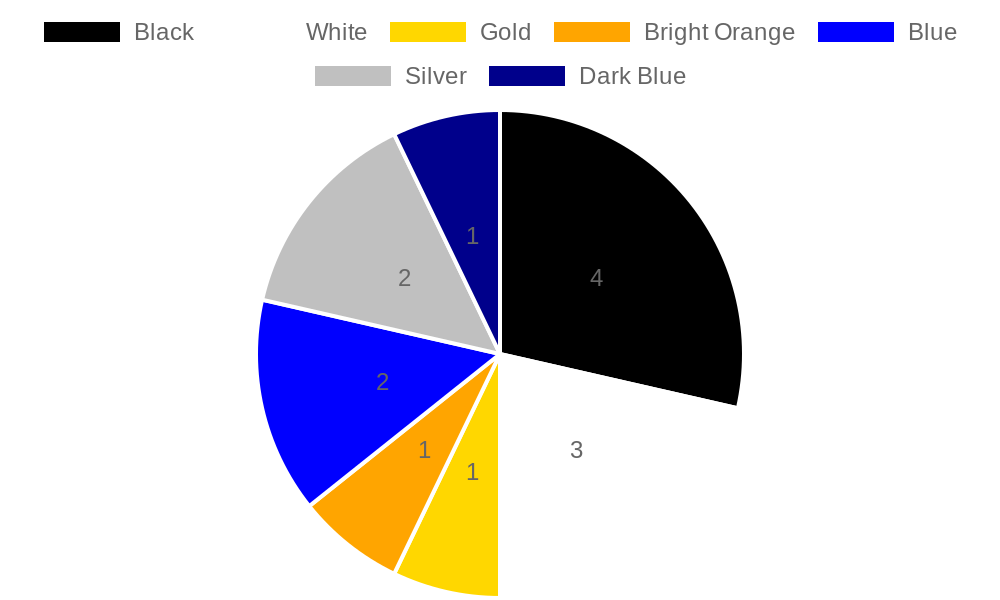
This chart illustrates the various license plate formats found across different US states, highlighting the unique designs and colors:
| State | License Plate Format | Design Elements | Colors |
|---|---|---|---|
| California | Black-on-white with gold star | Gold star, “California” text, state outline | Black, White, Gold |
| Florida | Bright orange with orange tree | Orange tree icon, “Florida” text, state name in script | Bright Orange, White |
| New York | Blue and white with eagle | Eagle emblem, “New York” text, state motto (“Excelsior”) | Blue, White |
| Texas | Dark blue with Lone Star | Lone Star emblem, “Texas” text, state flag design | Dark Blue, Silver, White |
| Colorado | Blue with mountain range | Rocky Mountain range, “Colorado” text, state seal | Blue, Silver, White |
For more information on license plate regulations, visit the AAA website.
You can also explore a visual guide on how U.S. License Plates Differ by State.
In conclusion, understanding how to find vehicle license plate numbers is vital for any driver, vehicle owner, or auto dealership. Throughout this article, we’ve discussed various methods of locating these numbers, including leveraging public databases, utilizing official channels, and recognizing the importance of legality in every step of the process. It is crucial to understand the legal implications associated with accessing vehicle information, as misuse of such sensitive data can lead to severe consequences, including legal actions and violations of privacy laws.
The importance of adhering to legal guidelines cannot be overstated. Engaging in improper methods can jeopardize personal privacy and potentially lead to legal penalties. As outlined in the legal framework surrounding vehicle information inquiries, it’s advisable to contact appropriate government or legal bodies if you need consistent access to vehicle records. For instance, services like those mentioned in a recent article emphasize the need to follow lawful pathways to retrieve information, such as guidelines from traffic management and security services. Learn more about the legal implications regarding license plate information.
Moreover, it’s essential to leverage available resources that can assist you in your quest for vehicle data while ensuring compliance with the law. Summit Fairings stands out as a reliable partner in this aspect, providing motorcycle fairing kits and a range of other services aimed at enhancing your vehicle’s performance and aesthetics. Their products not only improve your vehicle’s visual appeal but serve to uphold safety standards as well. You can explore their offerings here.
Ultimately, staying informed and using the right resources will empower you to access vehicle license plate information responsibly and effectively. By understanding the importance of legality and exploring solutions from trusted service providers, you can ensure a safe driving experience.