
In today’s automotive landscape, understanding vehicle ownership is critical for multiple stakeholders, including new drivers, vehicle owners, and auto dealerships. As of 2023, the United States boasts a staggering vehicle ownership rate of 84%, meaning that nearly every household has access to at least one vehicle. This statistic underscores the importance of vehicle ownership information, which is invaluable for people looking to purchase, sell, or inquire about vehicles. For instance, new drivers might find it beneficial to identify ownership details of pre-owned vehicles to avoid potential pitfalls, while auto dealerships can leverage this information to understand market trends and customer preferences.
Moreover, the growing complexity of vehicle ownership, especially with the rise of electric vehicles (which reached 14% of all new car sales in 2023), highlights the necessity for accurate vehicle ownership records. Knowledge about vehicle history, including previous ownership, accidents, and maintenance records, can significantly impact consumer decisions and dealership strategies. With accurate data, individuals and businesses alike can navigate the vehicle market more effectively.
This article will guide you through finding out who owns a vehicle by its license plate, helping you make informed decisions and enhancing your understanding of vehicle ownership dynamics. 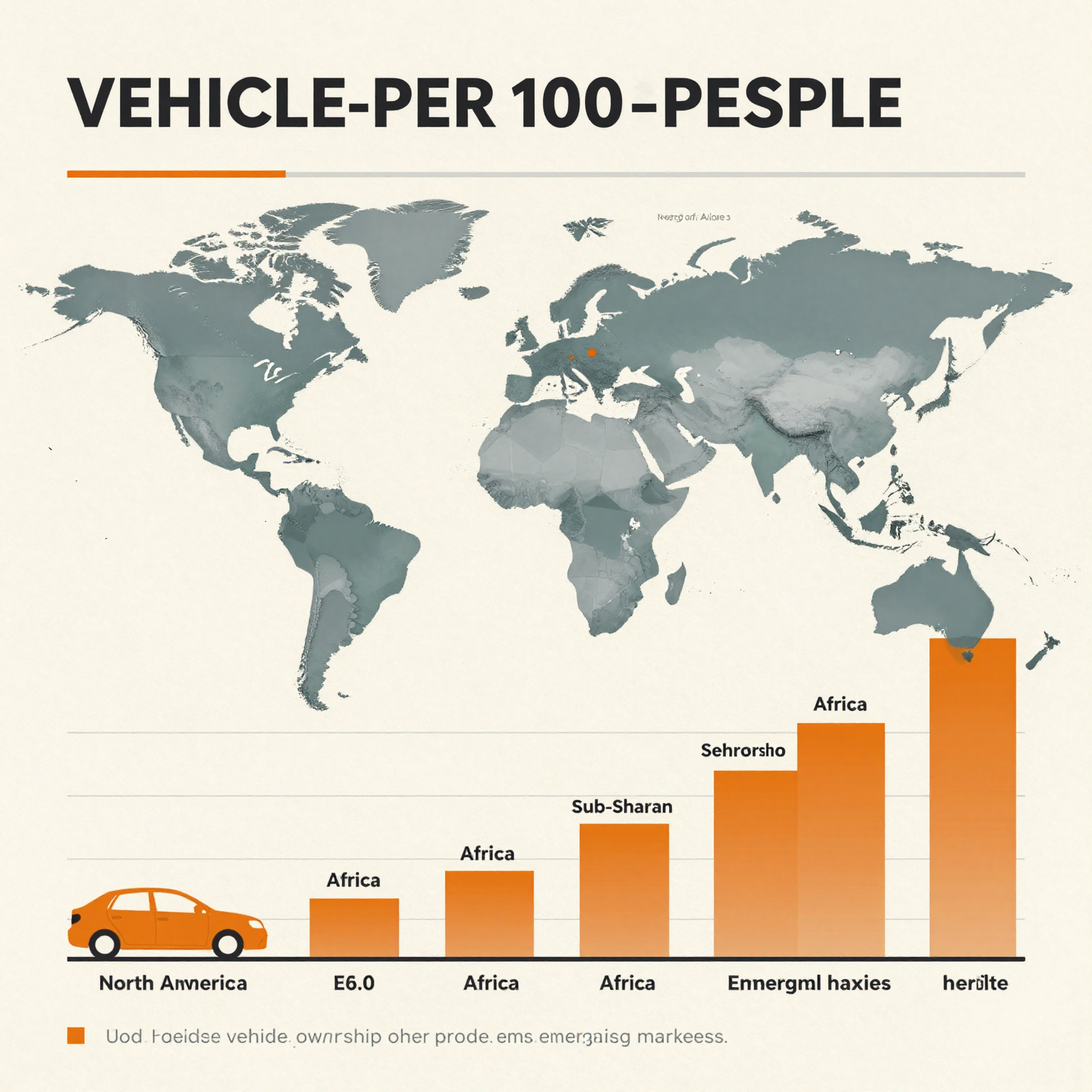
Learn how to protect yourself with vehicles by visiting our article on state rules that impact driver licensing.
Legalities of Accessing Vehicle Ownership Information
Accessing vehicle ownership information, particularly through methods like license plate lookup, is fraught with legal complexities. The laws governing this access vary significantly by jurisdiction and are primarily driven by concerns over privacy and data protection. This section outlines the critical legal frameworks, privacy regulations, and responsible practices users must recognize when seeking such information.
Legal Frameworks
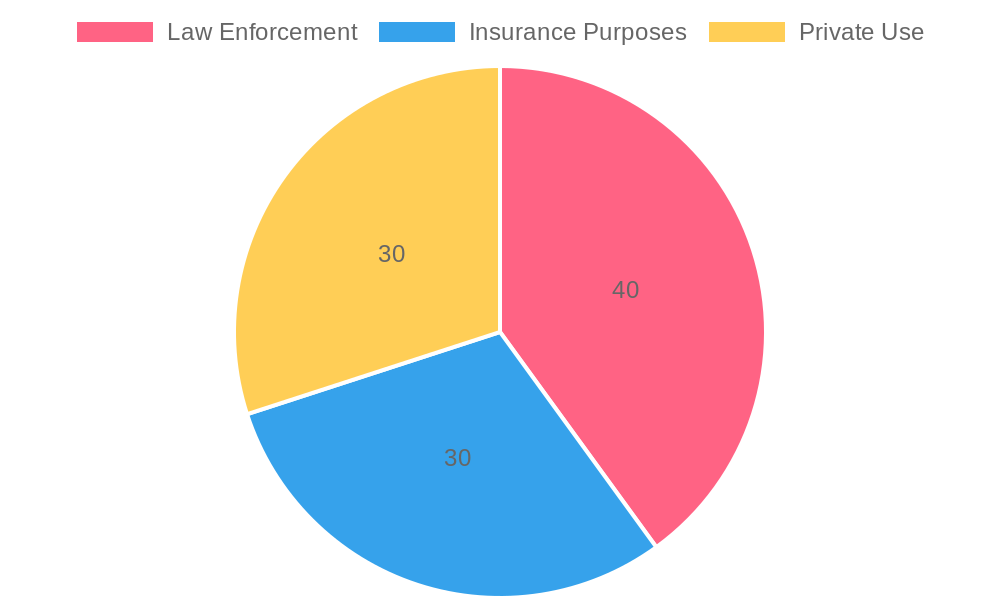
The primary regulation governing vehicle ownership access in the United States is the Driver’s Privacy Protection Act (DPPA). This federal law restricts access to personal data associated with vehicle registrations, mandating that most requests must have a legitimate purpose, such as:
- Law Enforcement: Authorized personnel can access ownership information to enforce traffic laws, investigate accidents, or address public safety concerns.
- Insurance Claims: Insurance companies are permitted to request vehicle information for legitimate purposes such as verifying coverage or processing claims. They must also comply with privacy laws and obtain necessary authorizations.
- Legal Reasons: Private individuals are typically prohibited from accessing this information unless they are involved in specific legal actions, like investigations of criminal activities or issuing subpoenas.
Privacy Regulations
Several state and federal laws further regulate access to vehicle data, underscoring the importance of privacy. For example, the California Consumer Privacy Act (CCPA) provides residents of California with rights over how their personal data is used, including data collected by vehicles. While this law is one of the stringent frameworks, the overall patchwork of regulations across the U.S. leaves gaps in consumer protection, posing potential privacy risks when accessing vehicle information.
Responsibilities of Information Seekers
Users looking to obtain vehicle ownership details must adhere to legal responsibilities to avoid infringing on privacy rights. These include:
- Understanding Legitimate Use: Before seeking vehicle data, understand whether your purpose falls within the allowed categories under the DPPA. Illegitimate requests can lead to significant legal consequences, including fines.
- Engaging Law Enforcement: If your query relates to an accident or other public safety issue, the appropriate action is to report it to law enforcement rather than attempting to retrieve the information personally. Law enforcement can use official channels to access this information legally on your behalf.
- Consider Legal Implications: Unauthorized access or attempts to seek vehicle information for personal reasons can constitute a violation of privacy laws, resulting in civil liability. Educating yourself on these laws is crucial before proceeding with any investigation into vehicle ownership.
In conclusion, while there are avenues to seek vehicle ownership information, doing so legally requires a clear understanding of the applicable laws and regulations. For further insights on related topics, you can learn more about privacy rights in vehicle ownership or browse relevant state rules.
In the following graphic, the legal categories regarding access to vehicle ownership information are displayed, showcasing the proportions of responsibility across different entities.
| Method | Cost | Time Efficiency | Reliability | Ease of Access |
|---|---|---|---|---|
| Online Lookup Services | $20-$50 | Seconds | Moderate to High | Very Easy |
| DMV (Department of Motor Vehicles) | Free – $20 | Days to Weeks | Very High | Moderate Difficulty |
| Private Investigatory Services | $100 – $1,000+ | Days | Very High | Difficult |
Sources:
- How to Find Vehicle Ownership Information: A Complete Guide
- Vehicle History Reports: What You Need to Know
- Understanding Your State’s DMV Vehicle Records Access Policies
- Private Investigative Services: Are They Worth It?
Online Services for License Plate Searches
In today’s digital age, search services for vehicle ownership based on license plate numbers have become increasingly popular. Various online platforms provide users important information regarding vehicle registration, ownership, and history. Here’s a breakdown of some notable services available:
1. AutoCheck
Description: AutoCheck is a well-known platform that provides vehicle history reports.
- Pros:
- Access to detailed vehicle history, including accident records and title issues.
- Reliable service with a good reputation.
- Cons:
- Does not consistently provide owner contact details due to privacy laws.
- Data is typically limited to vehicles registered within the last 10-15 years.
2. National Insurance Crime Bureau (NICB)
Description: The NICB service offers a legitimate way to verify vehicle information via license plate lookup, primarily aimed at law enforcement and insurance professionals.
- Pros:
- High accuracy and legal compliance.
- Useful for identifying stolen vehicles.
- Cons:
- Individual access is restricted; you need a valid reason to use the tool.
- Not intended for general public use, limiting accessibility.
3. Arizona Department of Transportation (ADOT)
Description: While ADOT does not offer a public license plate lookup service for owner details, it does provide official tools for license plate renewal and checking vehicle registration statuses.
- Pros:
- Government-backed accuracy and security, ensuring trustworthy information.
- Users can check the status of their own vehicles securely.
- Cons:
- Does not facilitate public searches for private owners via license number-only authorized personnel can access such data, maintaining privacy but limiting public usage.
Overall Considerations
When choosing an online service for a license plate search, consider the following factors:
- Purpose of Search: Determine if you are looking for general information or need specifics about ownership.
- Legal Compliance: Ensure that the service operates within legal boundaries to avoid privacy violations.
- Accessibility: Evaluate whether the service is available to the public or has restrictions.
Whether you are a new driver, a seasoned vehicle owner, or connected to an auto dealership, understanding these platforms helps ensure that you choose the right service to meet your needs for vehicle information. For additional guidance on vehicle registration and inspection requirements, learn more about state rules to ensure compliance and avoid potential issues.
How to Use DMV Records to Find Vehicle Ownership Information
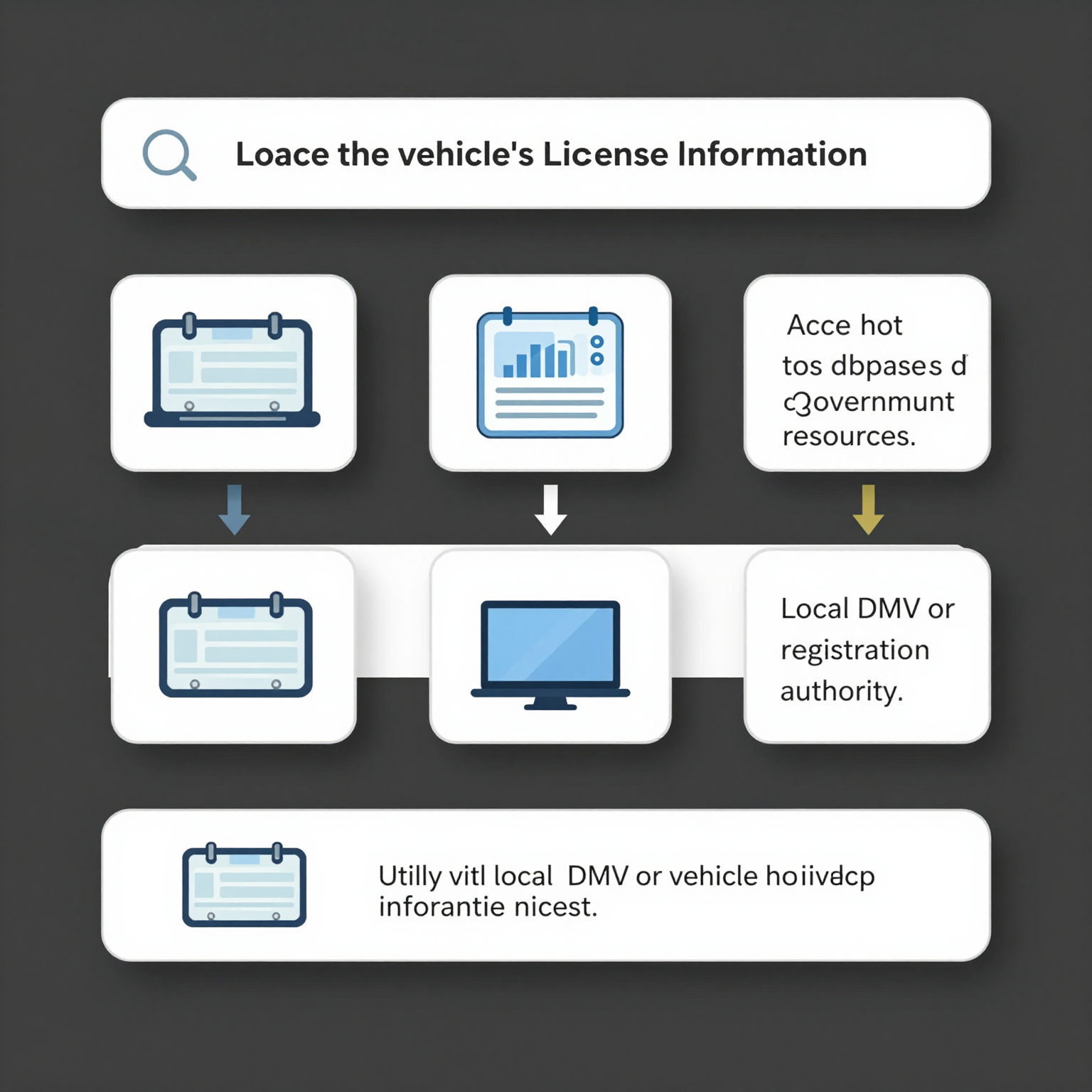
Finding out who owns a vehicle can be important for various reasons, such as purchasing a used car, verifying ownership during a transaction, or even clarifying issues related to an accident. Access to Department of Motor Vehicles (DMV) records can provide clarity on vehicle ownership, but the process can vary from state to state. Below, we break down how individuals can effectively use DMV records to find vehicle ownership information.
Steps to Access Vehicle Ownership Information
- Visit Your State’s DMV Website
Most states have official DMV websites where residents can access various vehicle-related services. Look for sections labeled “Vehicle Title Search,” “Ownership Inquiry,” or similar headings.
- For example, California has a dedicated Vehicle Ownership Inquiry tool where you can enter either the vehicle’s license plate or the VIN (Vehicle Identification Number).
- Provide Necessary Information
Enter the vehicle’s license plate number or VIN. This information is essential for the system to pull up the correct ownership records.
- Ensure you’ve entered the information accurately to avoid delays in receiving the data.
-
Review Ownership Information
After submitting your request, you should receive information about the current registered owner, including their name and address, as well as the registration status and expiration date of the vehicle. -
Consider Privacy Restrictions
Not all vehicle ownership information is publicly accessible. Privacy laws can restrict access to certain details, especially if the vehicle has been flagged for protection. In these cases, you might need to submit a formal request through the DMV’s Freedom of Information Act (FOIA) process, which often requires proof of identity and justification for your request.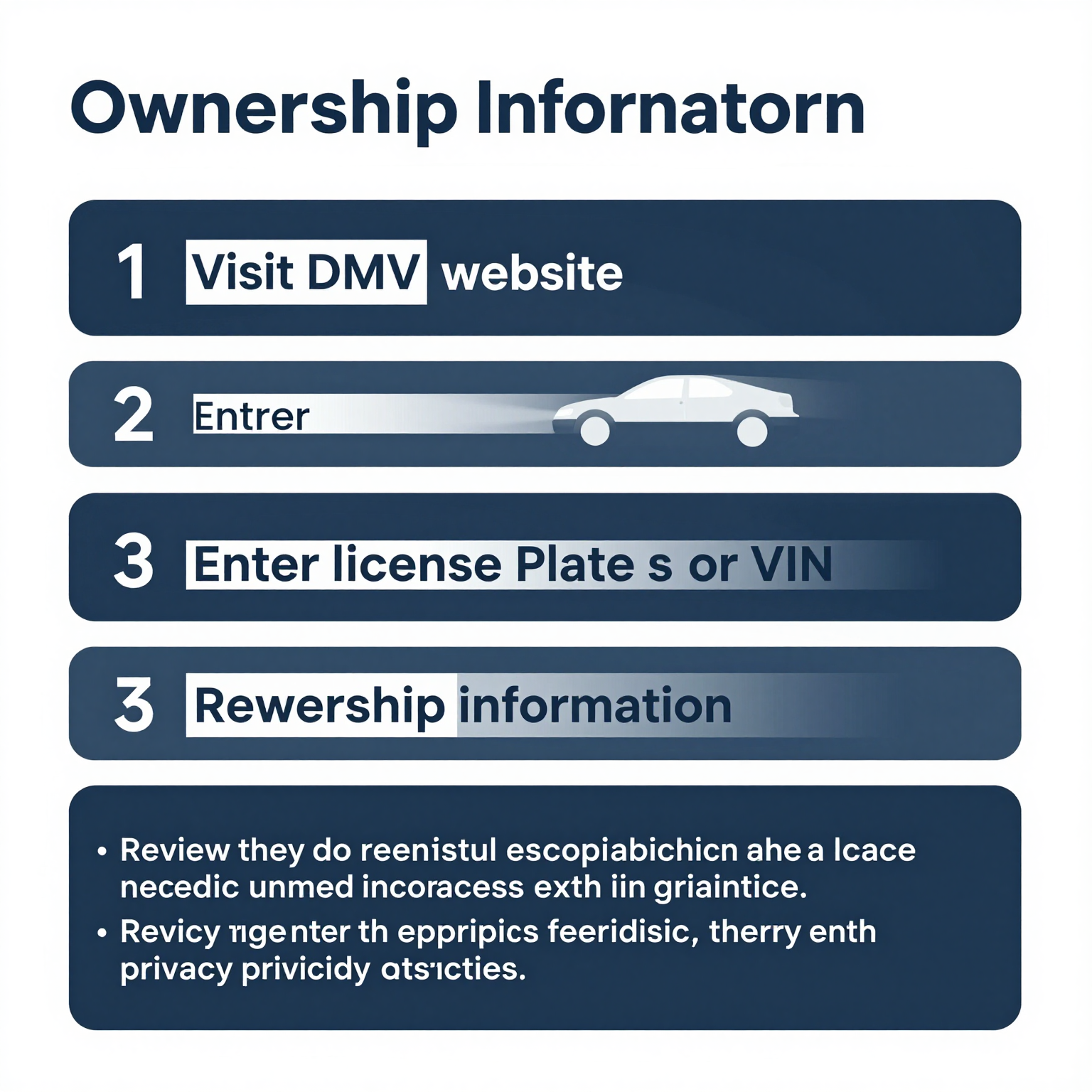
Additional Resources
While online searches are convenient, purchasing a vehicle history report from third-party services like Carfax can also provide a comprehensive ownership history, including any past owners and any accidents the vehicle might have been involved in.
Potential Barriers in Accessing DMV Records
While the steps above outline the process to access vehicle ownership information via DMV records, potential barriers should also be considered:
- Privacy Laws
Many states have stringent privacy laws that limit the information you can access. For example, states like California and New York enforce policies that restrict public access to full ownership histories, making it difficult for individuals and researchers alike. - Formal Requests Required
In some cases, you’ll need to submit formal requests for information. This procedural step can be cumbersome and may involve fees. - Variability Across States
Requirements and accessibility can vary significantly by state. Check the specific DMV guidelines for your state for detailed information on available services.
A significant report by the National Highway Traffic Safety Administration underscores that these legal barriers can also impact access for researchers and public health officials looking to study vehicle ownership trends and traffic safety issues (NHTSA Report).
Conclusion
Navigating DMV records can seem daunting, but understanding the process can empower individuals to access crucial vehicle ownership information. Being aware of potential barriers is equally important, as it ensures that individuals approach the request with the right expectations and preparation. Whether you are purchasing a vehicle or conducting research, the proper access to these records plays a vital role in ensuring transparency and accountability in vehicle ownership.
Tips for New Drivers Involved in an Accident with an Unknown Vehicle
If you find yourself in an accident with a vehicle you cannot identify, follow these best practices to ensure your safety and that you properly handle the situation:
-
Stay Calm and Assess the Situation: Take a moment to breathe, stay calm, and assess if anyone is hurt. Check on all parties involved and ensure everyone is safe.
-
Secure the Scene: Turn on your hazard lights to alert other drivers of the incident. If it is safe to do so, move your vehicle to the side of the road to avoid blocking traffic.
-
Call the Authorities: Immediately call the police to report the accident. Provide them with all necessary information and wait for them to arrive before leaving the scene. This is crucial, especially if there is property damage or injury. As addressed by the Insurance Information Institute, police can assist in gathering evidence and filing reports.
-
Document Everything: Take detailed notes of the accident scene, including the make, model, color, and license plate number of the unknown vehicle. Additionally, photograph any damages to your vehicle and the surrounding area. This documentation can be essential for insurance claims.
-
Gather Witness Information: If there are any witnesses, ask for their contact details. Their account can be invaluable in providing a clearer picture of the accident to authorities and insurance companies.
-
Contact Your Insurance Company: Notify your insurance provider as soon as possible. Many policies cover damages from hit-and-run accidents. The sooner you report the incident, the better, as stated by the American Automobile Association (AAA).
-
Do Not Chase the Vehicle: If the unknown vehicle leaves the scene, do not chase after it. This could create more dangerous situations and possibly legal issues.
-
Seek Legal Advice if Necessary: If complications arise, such as injuries or extensive damages, consider speaking with a legal professional to understand your rights and responsibilities.
Following these steps can help new drivers navigate the complexities of dealing with an accident involving an unknown vehicle effectively and safely.
Case Studies of Successful Vehicle Ownership Searches
When it comes to identifying vehicle owners using license plates, both individuals and dealerships have shown creativity and determination. Here are notable case studies that illustrate successful vehicle ownership searches.
1. Urban Mobility Initiative in a Metropolitan Area
In a bustling city, the local government launched a program utilizing smart license plate recognition technology to manage parking efficiently. This initiative aimed to tackle the persistent issues of parking violations and unauthorized vehicle entries into restricted zones.
The system, installed at key intersections, captures license plate information and cross-references it with registered vehicle databases, enabling staff to identify owners of vehicles parked illegally. This program not only ensured proper vehicle management but also increased public satisfaction. Citizens noted a marked improvement in parking availability and safety due to immediate follow-ups on violators. Learn more about vehicle inspection requirements.
2. Dealership Identification Strategy
A successful auto dealership in a suburban area implemented a unique strategy to enhance their customer service while also identifying previous vehicle owners. They partnered with law enforcement to gain access to a secure database that allows for license plate lookups. When a car is brought in for trade-in, they can cross-reference license plates to assess whether the vehicle was flagged for any issues. For example, a 2026 survey revealed that this practice not only improved their inventory but also minimized fraud cases by verifying vehicle history. As a result, the dealership significantly increased customer trust and satisfaction.
Their new services led to a 25% increase in repeat customers.
3. Community Safety Drive by Local Police
In another case, the local police department initiated a community safety drive, focusing on vehicles reported stolen. By employing a specialized license plate recognition system, officers successfully identified vehicles across the precinct. During a six-month period, the newly implemented system helped recover over 200 stolen cars. One notable success involved tracking a particular license plate linked to a series of vehicle thefts in various neighborhoods.
This proactive approach involved collaboration with a neighboring precinct and allowed officers to resolve cases swiftly while enhancing community trust in law enforcement. With successive updates to their operating procedures, they continued to iterate on their processes to improve effectiveness further. Explore state licensing impacts.
4. Private Investigator’s Success Story
A private investigator, renowned for his success in tracking down individuals using minimal details, utilized plate checks as a major part of his strategy. He received a request from a client wanting to identify the owner of a luxury vehicle parked outside a residence. By employing both online resources and local public databases, he identified the vehicle’s owner within days. His client was able to address ongoing neighborhood disputes effectively. This method highlighted the value of employing both traditional and digital resources in identifying vehicle ownership, showcasing how private citizens can leverage available public resources to solve disputes and issues meticulously.
These case studies illustrate the diverse and effective methods employed by various entities to identify vehicle owners. Techniques range from advanced technology adopted by local governments to creative strategies by auto dealerships and private citizens, highlighting the importance of regulations and collaborations in maintaining vehicle ownership transparency.
“Your data, your rights.” – A prominent legal expert emphasized that individuals must retain control over their personal information, especially concerning sensitive data like vehicle location and driving behavior. This reflects the growing consensus in the legal community about prioritizing data ownership in automotive contexts. Source: Privacy Advocacy Platform
In today’s world, the balance between privacy and access to vehicle ownership information is more critical than ever, particularly as cars become increasingly connected and autonomous. Legal experts argue that automakers and relevant authorities must ensure transparency in data collection and provide users with effective control over their information.
This balance is explored further by firms like Cooley, which advocate for clear consent mechanisms and robust data governance to comply with laws like the California Consumer Privacy Act (CCPA) and GDPR. For a more in-depth discussion on legal privacy issues in the automotive sector, you can explore this resource.
Conclusion
Understanding vehicle ownership is crucial in today’s world, not only for legal and safety reasons but also for fostering responsible community interactions. Knowing who owns a vehicle can promote transparency and accountability, especially in cases of accidents or disputes. With this knowledge, vehicle owners can protect their assets and ensure that they comply with local regulations.
Various methods are available for discovering vehicle ownership through a license plate, ranging from online databases and state DMV resources to engaging with local law enforcement. However, it’s vital that such information is utilized responsibly to respect individual privacy rights and comply with applicable laws. Misuse of ownership data can lead to legal repercussions, so ensure you are fully aware of the guidelines that govern vehicle ownership access in your state.
At Summit Fairings, we are committed to supporting vehicle owners in various aspects of their automotive journey. From acquiring durable automotive parts to guidance on vehicle regulations, our resources are designed to assist you in making informed decisions. We encourage you to explore our website and take advantage of the information available to enhance your experience as a vehicle owner. Let’s work together to foster a more informed and responsible community of drivers.
In conclusion, being aware of who owns a vehicle is not just an act of curiosity; it’s a necessary step toward ensuring safety, accountability, and proper usage of vehicle ownership information. Whether you are a new driver, an existing vehicle owner, or part of an auto dealership, committing to this awareness will contribute to a more transparent and responsible driving environment.