
Introduction to Obtaining a Heavy Vehicle License
Navigating the world of heavy vehicles can be both an exciting and challenging journey for drivers. Whether you are a new driver aspiring to enter the realm of heavy-duty transportation or an existing driver looking to upgrade your qualifications, obtaining a heavy vehicle license is a significant step toward enhancing your career and expanding your opportunities. This specialized license not only allows you to operate larger vehicles, such as trucks and buses, but also opens doors to various job prospects in multiple sectors, including logistics, transportation, and construction.
For new drivers, the heavy vehicle license serves as a gateway to a fulfilling career where the demand for skilled operators is continually growing. With many companies actively seeking qualified drivers to fill positions, obtaining this license can significantly enhance your employability. Additionally, for drivers who already hold a standard license, upgrading to a heavy vehicle license represents a commitment to professional development and could potentially lead to higher earning potential.
Furthermore, understanding the importance of regulations and safety standards associated with heavy vehicle operations is crucial. Drivers must stay informed about the latest state rules impacting driver licensing, ensuring compliance and promoting safety. With the evolving landscape of the transportation industry, your heavy vehicle license will empower you to meet these challenges and seize the opportunities that lie ahead.
Eligibility Requirements for Obtaining a Heavy Vehicle License
If you’re considering obtaining a heavy vehicle license, it’s essential to be aware of the general eligibility requirements. These standards vary by state or country, but here are the common criteria you can expect:
-
Age Requirements:
-
Applicants must typically be at least 18 years old to apply for a heavy vehicle license. In some jurisdictions, additional age limits may apply depending on the type of vehicle.
-
For example, in China, the maximum age for applying can be up to 63 years, with specific licensing extensions based on medical fitness after that age.
-
Medical Assessments:
-
A medical examination is crucial to ensure the applicant is physically and mentally fit to operate heavy vehicles. This often includes:
- Vision tests (corrected or uncorrected standards like 20/50)
- Hearing assessments, ensuring the ability to discern sounds from specific distances
- Overall health evaluations to exclude conditions that impair driving, such as epilepsy or severe cardiac issues.
-
Depending on the region, the medical assessments may need to be conducted by approved healthcare providers.
-
Pre-Licensing Courses:
-
Most regions require completion of pre-licensing courses that cover necessary driving knowledge and skills. Typical classes include:
- A Heavy Vehicle Driver Training Program (HVDTP) to prepare for practical and theoretical licensing components.
- Specialized courses such as the Heavy Vehicle Driver Improvement Course (HVDC), which may cover safe driving practices and regulatory compliance.
-
Endorsements:
-
Depending on the intended use of the heavy vehicle, additional endorsements may be required. This includes training specific to different vehicle classes (e.g., rigid, articulated vehicles) and operations like hazardous material transport or passenger services.
Understanding these requirements is crucial for a smooth transition into heavy vehicle driving. For more detailed information on specific eligibility requirements within your region, you can refer to resources like Transport for NSW or VicRoads.
Step-by-Step Guide to Applying for a Heavy Vehicle License
Obtaining a heavy vehicle license can open doors to several job opportunities in industries such as transportation and logistics. Here’s a detailed guide on how to navigate through the application process effectively.
Step 1: Confirm Eligibility
Before you begin your application, ensure that you meet the eligibility criteria:
- Age Requirement: You must be between 22 and 60 years old.
- Previous License: You should hold a valid C1 (light vehicle) or C2 license.
- Traffic Violation History: A clean driving record is essential; no major violations that could incur a 12-point deduction within the last two scoring cycles.
- You may also need to meet specific requirements for the type of heavy vehicle you wish to operate, such as holding certain other licenses for a specified duration. For more information, check vehicle licensing state rules.
Step 2: Gather Required Documents
Compile all necessary documents for your application, including:
- Identification: A valid ID proving your identity and age.
- Medical Certificate: A recent medical examination to confirm physical fitness and vision requirements. Commonly, you are required to have a vision score of 5.0 or above. (For details on medical certifications, you can review the FMCSA medical certification waiver).
- Photos: Two passport-sized photos with a white background.
- Fees: Be prepared to pay any application fees that apply.
Step 3: Training and Practice
After your documents are ready:
- Enroll in a Driving School: Join a certified driving school that specializes in heavy vehicles. They will provide both theoretical and practical training, focusing on safety protocols, vehicle handling, and road laws.
- Practice: Spend sufficient time practicing driving under supervision to develop the skills necessary to operate heavy vehicles safely.
Step 4: Take the Required Exams
To get licensed, you must pass three examinations:
- Written Test (Theory): Covers traffic laws and regulations applicable to heavy vehicles.
- Practical Driving Test: Tests your ability to handle a heavy vehicle through various driving maneuvers.
- Road Driving Test: Assesses your skills in real traffic conditions.
Step 5: Submit Your Application
Once you’ve completed the above steps and passed your exams:
- Submit your application: Provide your documents, medical certificate, and proof of training completion to the local vehicle management office (DMV).
Step 6: License Issuance
After processing your application, if all criteria are met and tests passed, you will receive your heavy vehicle license, usually within a day. Ensure you keep a record of your license for future reference.
Navigating the licensing process may seem daunting; however, with the right preparation and understanding of the steps involved, you can make the experience smoother. For more guidance on license requirements across different states, feel free to explore additional resources on vehicle inspection requirements.
| License Class | Vehicle Types Allowed | Requirements (Minimum Age, Endorsements, Testing) | Potential Uses |
|---|---|---|---|
| Class A | Combination vehicles with a Gross Combined Vehicle Weight Rating (GCWR) of 26,001 pounds or more, including tractor-trailers, truck and trailer combinations, and other large rigs. | – Minimum age: 18 years (19 for interstate driving) – Must pass written knowledge tests and a skills test – Required endorsements: Hazardous Materials (H), Tanker (X), Doubles/Triples (T), Passenger (P), School Bus (S) – Skills test includes pre-trip inspection, basic control skills, and on-road driving |
Long-haul freight transportation, over-the-road trucking, transporting large cargo across states |
| Class B | Single vehicles with a GVWR of 26,001 pounds or more, such as straight trucks, buses, dump trucks, and delivery trucks. Does not include trailers over 10,000 lbs GCWR unless towed by a Class A vehicle. | – Minimum age: 18 years (19 for interstate driving) – Must pass written knowledge tests and a skills test – Required endorsements: Hazardous Materials (H), Tanker (X), Passenger (P), School Bus (S), Doubles/Triples (T) – Skills test includes pre-trip inspection, basic control skills, and on-road driving |
Local and regional delivery services, city bus operations, refuse collection, construction equipment transport |
| Class C | Vehicles designed to transport 16 or more passengers (including the driver), or any vehicle used to transport hazardous materials in quantities requiring placarding under federal regulations. Also includes smaller vehicles that fall under these categories. | – Minimum age: 18 years (19 for interstate driving) – Must pass written knowledge tests and a skills test – Required endorsements: Hazardous Materials (H), Passenger (P), School Bus (S) – Skills test includes pre-trip inspection, basic control skills, and on-road driving |
Shuttle services, school buses, transit buses, hazardous material transport (e.g., chemicals, fuel), intercity passenger coaches |
Note:
- GCWR (Gross Combined Vehicle Weight Rating): The total weight of the vehicle and its trailer(s).
- GVWR (Gross Vehicle Weight Rating): The maximum weight rating for a single vehicle.
- All CDL holders must meet federal and state-specific requirements, including background checks and medical certification.
- Endorsements are required for specific vehicle types or cargo; they involve additional testing and fees.
Sources:
- Federal Motor Carrier Safety Administration (FMCSA) – CDL Information
- Washington State Department of Licensing – CDL Classes
- LinkedIn – Truck Driving License Classes in USA (2024)
Common Challenges of Obtaining a Heavy Vehicle License
Obtaining a heavy vehicle license can be a daunting task for new drivers, often filled with various challenges across multiple dimensions. The process is inherently complex due to regulatory requirements, extensive training, and financial obligations.
Complexity of the Process
The licensing process typically involves several stages:
- Theoretical Knowledge: Prospective drivers must pass a theory exam covering regulations and safety procedures.
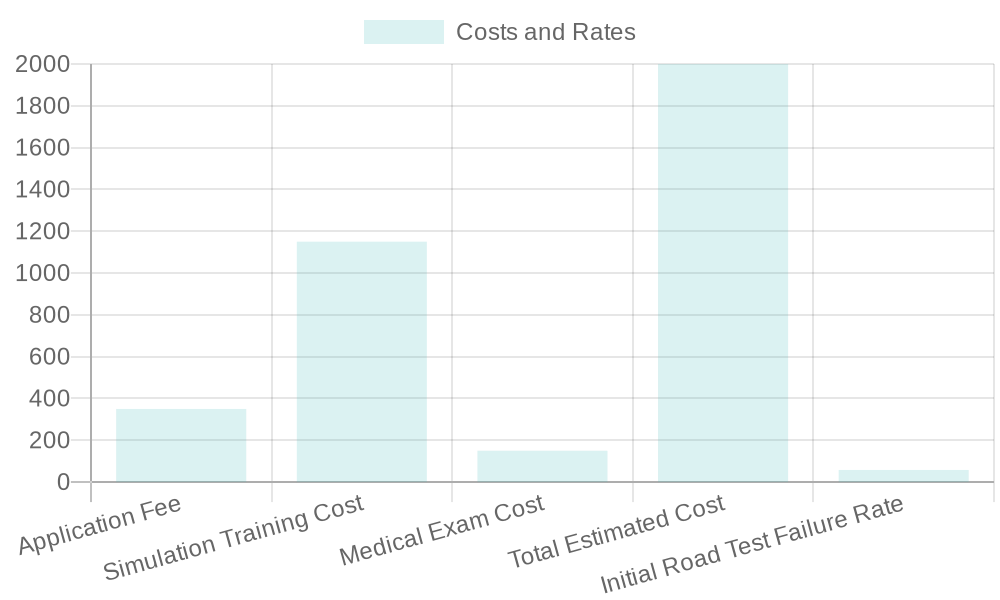
- Training and Practical Tests: Training ranges from 10 to 15 days, often including a rigorous practical driving test. Reports indicate that many new applicants struggle with the practical skills required, with approximately 40% to 50% failing their first attempt. For instance, around 30% of first-time Commercial Driver’s License (CDL) applicants in the United States fail the knowledge test.
Financial Costs
Financially, obtaining a heavy vehicle license is a significant investment.
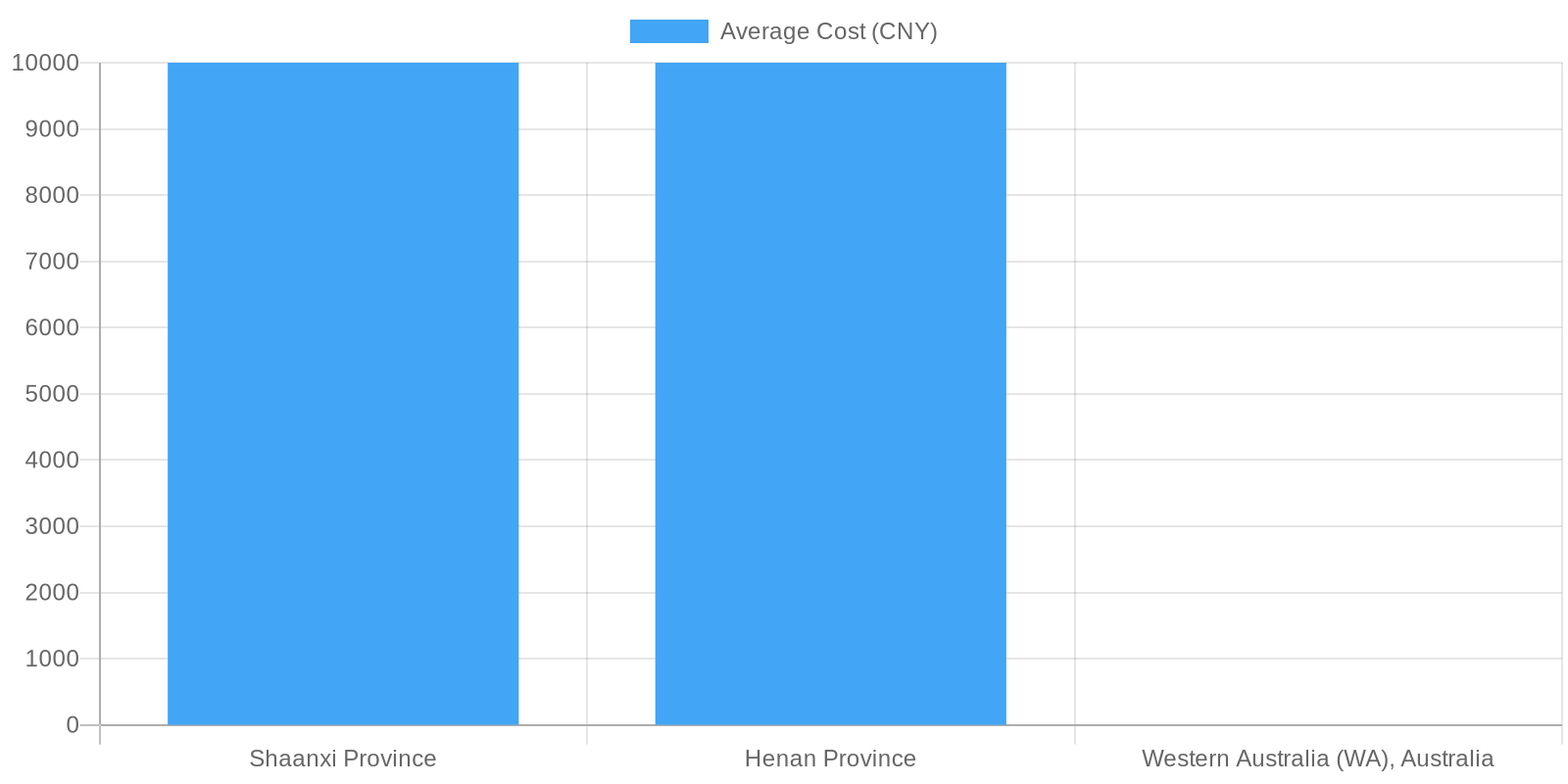
- Average Costs: Costs can vary widely based on location, but estimates suggest that obtaining a heavy vehicle license may range from $2,500 to $10,000. For example, in Australia, the entire process can cost between AUD $2,500 to $4,000, including training, licensing fees, and medical exams. In the United States, costs can range from $150 to $500 for initial exams and up to $10,000 for comprehensive training.
Overcoming Obstacles
New drivers often face:
- Technical Skills Development: Mastering vehicle control in larger vehicles is challenging.
- Understanding Regulations: Heavy vehicle operations involve compliance with complex legal frameworks, which can be daunting for beginners.
- Stress Management: The high-pressure environment of practical tests can lead to anxiety, further complicating the process of obtaining a license.
To learn more about the state-specific rules impacting licensing, refer to State Rules Impact on Driver Licensing. For valuable insights into the challenges of driver training, you might consider visiting CDL Cheating Scheme Exposed: Public Safety at Risk.
Importance of Being Well-Prepared for Heavy Vehicle Licensing
Expert Insight
Driving a heavy vehicle requires not only skill but also a well-rounded understanding of safety protocols and regulations. According to an expert in vehicle safety, “The rigorous examination process for heavy vehicle licensing is not just about skill; it fundamentally evaluates a driver’s sense of responsibility and professionalism. This process is essential to ensure that only qualified individuals operate these large vehicles on our roads, which is critical for public safety.”
Preparing for Heavy Vehicle Licensing
- Understanding Requirements: Ensure you meet all prerequisites, including necessary licenses.
- Training: Enroll in accredited driving schools that specialize in heavy vehicle training.
- Documentation: Prepare all required legal documents ahead of time to avoid delays.
For more insights on the nuances of heavy vehicle licensing, learn more about regulatory changes.
Importance of Compliance
Compliance with both state and federal regulations ensures that you not only secure your license but also maintain a safe operating environment on the roads. This extensive preparation can significantly enhance road safety and operational efficiency.
In conclusion, being well-prepared for the heavy vehicle licensing process is vital for ensuring safety and compliance within the transport industry.
Tips for Success in Acquiring Your Heavy Vehicle License
Acquiring a heavy vehicle license can be a challenging yet rewarding endeavor for new drivers. Here are practical tips to help you succeed in obtaining your heavy vehicle license:
1. Understand the Requirements
Before you begin, familiarize yourself with the specific requirements of your state or region regarding heavy vehicle licensing. Each area may have different prerequisites, such as age, and documentation, which you can explore in detail by visiting the relevant state rules here.
2. Create a Study Plan
Develop a structured study plan that covers all necessary topics and materials required for the written and practical tests. Include regular review sessions to reinforce your knowledge and prepare for any potential questions you may encounter.
3. Utilize Official Resources
Use official study materials provided by the transportation department or relevant modules from reputable driving schools. For instance, you can find significant study resources and insights at the DMV or equivalent authority’s website.
4. Practice Regularly
Gain hands-on experience by practicing driving a heavy vehicle as frequently as possible. Consider enrolling in a driver training program that offers practical driving experience under expert supervision. Simulated driving exercises can also accelerate your learning.
5. Focus on Safe Driving Techniques
Learn and practice critical safety measures for operating heavy vehicles, including how to manage your vehicle’s weight, perform safe maneuvers, and maintain appropriate speeds in different environments. Prioritize mastering your vehicle’s handling and transition management.
6. Simulate the Driving Test
Before taking the official driving test, simulate the test conditions. Familiarize yourself with the testing routes and common challenges. Consider using real-time driving simulators to enhance your skills without the pressure of the actual test.
7. Communicate with Instructors
Engage in open communication with your driving instructors. Ask questions regarding techniques and driving laws to clarify any confusions. Their experiences and knowledge can provide invaluable tips for success.
8. Stay Calm and Focused
On the day of your driving test, ensure to stay calm and collected. Engage in deep breathing exercises to manage any anxiety. Remember that driving tests assess not just your skills but also your ability to handle stress.
By following these strategies, you’ll be better prepared to successfully acquire your heavy vehicle license and drive safely and confidently on the roads. For more information on specific licensing requirements, check out our guide on CDL requirements which provides insights tailored for new heavy vehicle drivers.
Take the Next Steps Towards Your Heavy Vehicle License
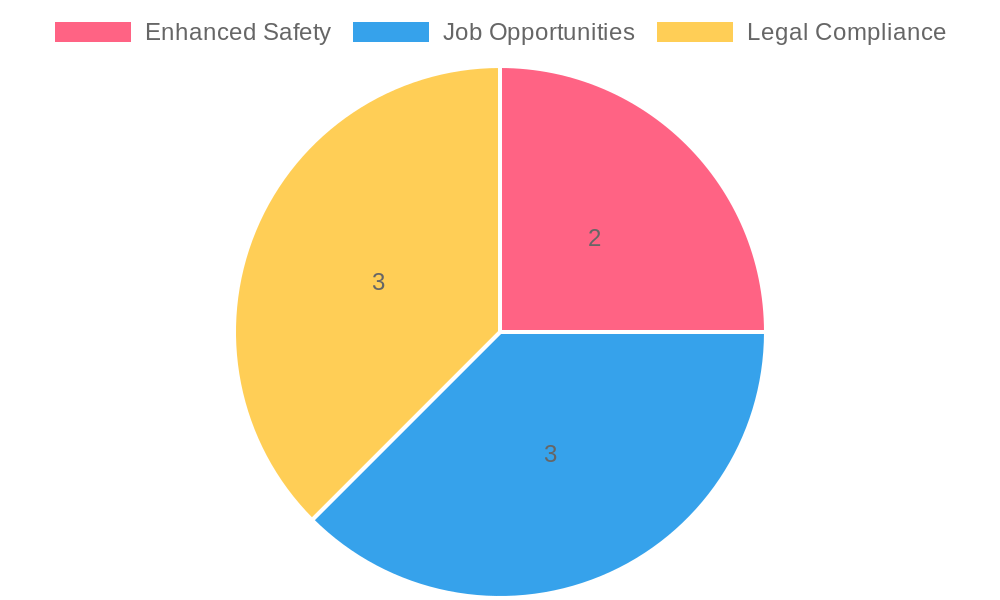
Congratulations on considering obtaining your heavy vehicle license! Not only does it equip you with the necessary skills to operate larger vehicles safely, but it also opens the door to numerous exciting career opportunities. The demand for qualified heavy vehicle drivers continues to grow, particularly in sectors such as logistics, construction, and public transport. Below are some compelling reasons to pursue your heavy vehicle licensing journey:
- Enhanced Safety: Learning how to handle heavy vehicles properly reduces the likelihood of accidents and enhances overall road safety.
- Job Opportunities: With a heavy vehicle license, you will be eligible for high-demand jobs that often pay significantly better than standard driving roles.
- Legal Compliance: Having the correct licensing ensures that you are legally authorized to operate heavy vehicles, avoiding potential fines and legal issues.
Now is the time to take action! Start by researching your local licensing requirements, including training courses and tests you’ll need to undertake. You can also check out resources such as state rules impacting driver licensing for more guidance.
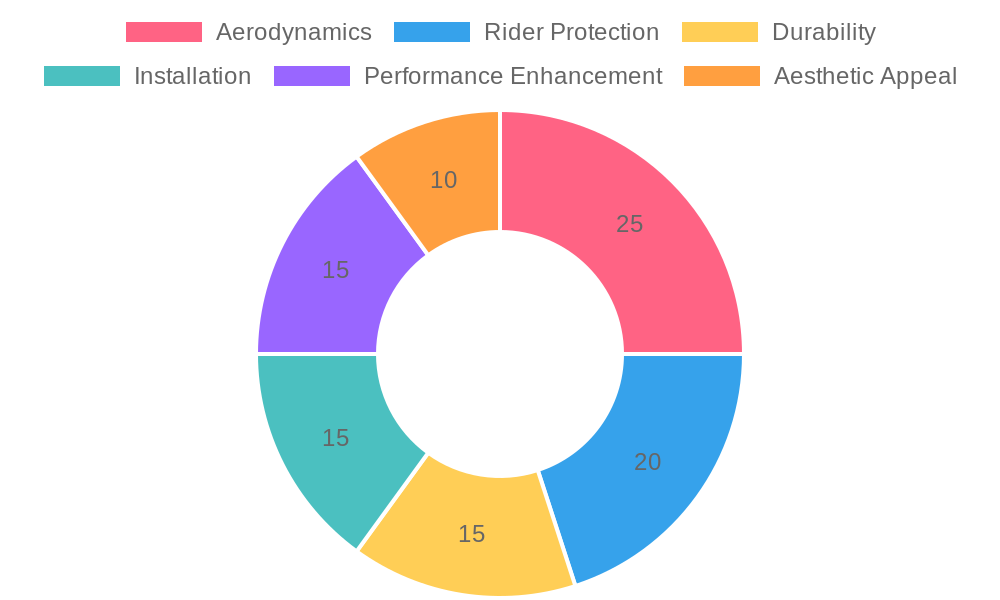
Additionally, if you’re a motorcycle enthusiast, don’t forget the importance of protecting your ride. Consider upgrading to premium motorcycle fairings, which not only enhance the aesthetics of your bike but also improve aerodynamics, reduce wind resistance, and provide vital protections against road debris and weather conditions.
Why Upgrade to Premium Motorcycle Fairings?
- Aerodynamics: They decrease drag and improve fuel efficiency.
- Durability: Made from high-quality materials, they resist impacts and UV damage.
- Aesthetic Appeal: They come in various designs that enhance your bike’s visual appeal.
Start your journey today and take control of your future. Whether you’re on the path to obtaining your heavy vehicle license or enhancing your motorcycle’s capabilities, the first step is always within your reach!