
Renewing vehicle licenses is a crucial responsibility that all drivers and vehicle owners must prioritize, as adherence to legal requirements ensures both personal safety and road safety for the general public. This process goes beyond merely complying with the law; it serves as a safeguard against potential penalties and helps maintain accurate vehicle records that can be essential in various situations, such as accidents or inspections. For new drivers and learners, understanding the nuances of license renewal lays a foundation for responsible driving habits and awareness of state regulations. Existing drivers benefit from timely renewals as it protects them from fines that could arise from driving with an expired license. Additionally, auto dealerships must emphasize license renewal procedures to streamline the purchasing experience and ensure customers’ compliance with legal standards. By renewing licenses on time, all parties involved can enjoy the peace of mind that comes with being properly licensed and staying informed about any regulatory changes that may affect them. Learn more about state rules impacting driver licensing for a comprehensive understanding of your responsibilities as a driver and vehicle owner.
Step-by-Step Process for Renewing Vehicle Licenses
Renewing a vehicle license is an essential process that every vehicle owner must undertake on or before their license expiration date. Here’s a user-friendly guide for new drivers and vehicle owners to navigate through the renewal process effectively.
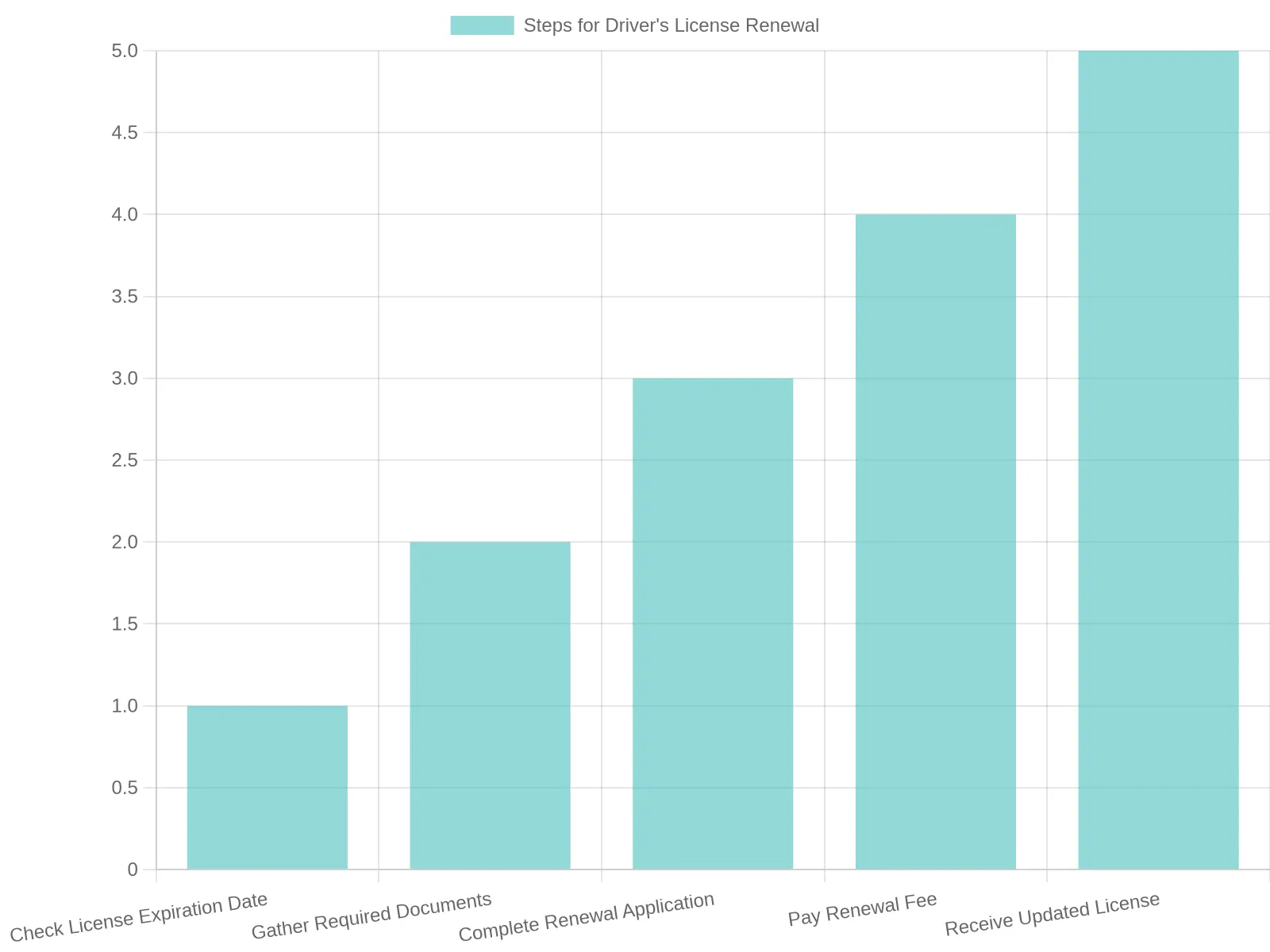
Step 1: Check Your Eligibility
Before beginning the renewal process, confirm whether you meet the eligibility criteria for online or in-person renewal. Each state has specific requirements, such as having no outstanding fines or needing to pass a vision test.
Step 2: Gather Required Documents and Forms
Typically, you will need the following documents to renew your vehicle license:
- Driver’s license or identification card
- Proof of residency (Utility bill, lease agreement, etc.)
- Social Security number (if applicable)
- Any required forms specific to your state (this may include renewal forms or medical forms)
For detailed form requirements, refer to state-specific guidelines like those provided by the California DMV.
Step 3: Complete the Renewal Process
Depending on your state, you can renew your license through:
- Online: Most states offer online renewal services via their official DMV websites. Examples include the Florida DMV MyDMV Portal for Florida residents and the Ohio BMV Online Services.
- By Mail: If you have received a renewal notice by mail, you can fill out the renewal form and send it back along with the required fee.
- In-Person: For those needing to take a vision test or those without online access, you may need to visit a DMV office.
Step 4: Payment
You will generally have several options to make your payment:
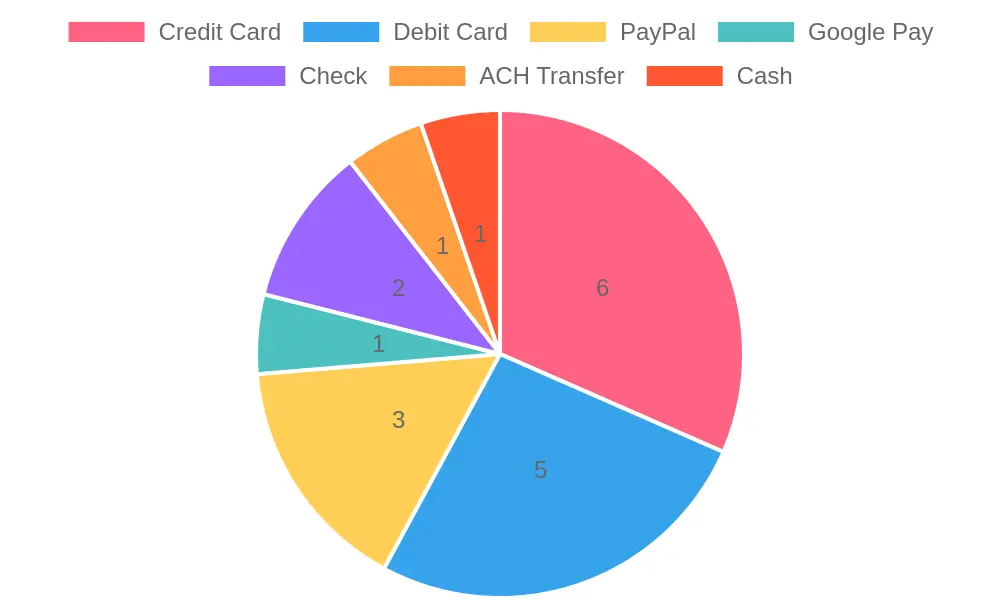
- Credit or Debit Card: This is the most common method for online and in-person renewals.
- Checks: Accepted for mail-in renewals in most states.
- Cash: Available at in-person locations, but not advisable for mail transactions.
Step 5: Receive Your New License
After completing the necessary steps and submitting your payment, you will receive your new vehicle license in the mail, or you might receive a temporary license at the DMV office. Be sure to check your state’s processing times.
Conclusion
Renewing a vehicle license can be a straightforward process if you follow these steps and keep in mind the specific requirements for your state. Always refer to official state websites for the most accurate and up-to-date information to ensure a smooth renewal experience.
Additional Resources
For those looking to understand more about state-specific requirements, consider reviewing vehicle inspection requirements by state.
Charts and Data
- Proportion of Payment Methods by State
- Driver License Renewal Requirements
Common Reasons for Vehicle License Renewal
Renewing your vehicle license is essential for compliance and personal safety. Here are some common reasons why vehicle licenses may need to be renewed:
- Expiration: Most licenses have a validity period, after which they must be renewed to avoid penalties. It’s recommended to renew your license prior to its expiration to avoid legal issues.
- Change of Address: If you move to a new address, you must update your vehicle license to reflect your current residence. This is crucial for accurate registration and effective communication from the licensing authority.
- Name Change: In cases of marriage or legal name change, it is necessary to update the name on your vehicle license.
- Change in Personal Information: Any significant updates to your personal details, such as adding restrictions or changes in health status, require a renewal to keep your license current.
- Lost License: If your vehicle license is lost or stolen, obtaining a renewal can replace it quickly to restore your driving privileges.
For more details on the importance of renewing your vehicle license, visit this informative page. Additionally, understanding the local rules may help in the renewal process; check out state rules that impact driver licensing for further insight.
Here is a comprehensive table comparing the vehicle license renewal process across several states. The table highlights key differences in fees, documentation needed, and options for renewing online versus in-person.
| State | Renewal Fee | Required Documentation | Online Renewal Option | In-Person Renewal Option |
|---|---|---|---|---|
| California | $36 | Current Driver’s License, Proof of Identity | Yes | Yes |
| Washington | $30 | Current Driver’s License, Proof of Identity | Yes | Yes |
| Ohio | $25 | Current Driver’s License, Proof of Identity, residency | Yes | Yes |
| Texas | $25 | Current Driver’s License | Yes | Yes |
| New York | $64.50 | Current Driver’s License, Proof of Identity | Yes | Yes |
Explanation of the Table:
- Renewal Fee: The cost associated with renewing the driver’s license, which varies by state.
- Required Documentation: The documents required for the renewal process, which typically include the current driver’s license and proof of identity.
- Online Renewal Option: Indicates if the state allows for online renewal.
- In-Person Renewal Option: Indicates if the renewal can also be completed in person at a DMV location.
For further information on state-specific requirements, you can visit the USAGov page on state motor vehicle services which provides comprehensive links to various state DMV resources.
This overview aids new and existing drivers in navigating the vehicle license renewal process efficiently.
Failing to renew vehicle licenses on time is a common issue that impacts many drivers. A report highlights that in Illinois alone, motorists faced over $6.5 million in fees within a year for late vehicle license renewals, a stark increase from the previous figure of $3.25 million in the same timeframe the year before. This indicates that thousands of drivers are inadvertently letting their licenses expire, leading to financial consequences and potential legal challenges.
Demographics of Drivers Missing Renewal Deadlines
While comprehensive statistics on the demographics of drivers who forget or miss renewal deadlines were not specifically found, related articles suggest that lapses in renewal often affect a broad demographic spectrum. For example, in Rhode Island, over 29,000 vehicle owners missed their renewal deadlines due to delays in notifications from the DMV. This indicates that communication issues can disproportionately impact drivers who rely on timely reminders, potentially affecting younger drivers or those less familiar with the renewal process.
Older drivers are another group of concern; many are eligible for free online renewals but may still forget the deadlines, emphasizing the necessity for regular reminders. Those unaware of their state’s regulations can easily find themselves in trouble.
Implications of Driving with an Expired License
Driving with an expired license can lead to serious repercussions, including legal penalties. In California, for instance, individuals caught driving without a valid license risk citations and vehicle impoundment, which can escalate into significantly higher fines and administrative fees. Moreover, across all states in the U.S., it is illegal to operate a vehicle without a current driver’s license, and the penalties for doing so are strictly enforced.
Some key implications of driving with an expired license include:
- Legal Penalties: Fines, citations, and possible suspension of driving privileges.
- Increased Insurance Costs: Driving with an expired license can lead to higher insurance premiums as insurers consider it a lapse in responsibility.
- Vehicle Impoundment: In severe cases, law enforcement may impound the vehicle being operated without a valid license.
In conclusion, renewing a vehicle license on time is crucial for avoiding legal and financial repercussions. Drivers are encouraged to set reminders and understand their state’s renewal processes to ensure compliance. For more detailed guidance on managing license renewals and understanding state-specific rules, learn more about state rules that affect driver licensing.
By keeping these points in mind, vehicle owners can ensure they remain compliant with registration laws and avoid the pitfalls associated with expired licenses.
The Importance of Renewing Vehicle Licenses
Renewing your vehicle license is not only a legal requirement but also critical for ensuring your safety and that of other road users. Driving with an expired license can lead to significant legal penalties and may affect insurance validity. As noted by legal experts, the implications of failing to renew your vehicle license can be quite severe:
“Driving with an expired licence is a direct violation of the Motor Vehicles Act, 1988. It severely affects insurance validity, as most policies become void if the driver does not hold a valid license, potentially exposing them to legal liability in the event of an accident.”
- Paytm, Renewing Your Expired Driving Licence: Guide & Penalties
Read more
Legal Implications
- Citational Penalties: Many states impose fines and penalties for driving without a valid license,
- Insurance Consequences: Most auto insurance policies become void if the driver is not legally licensed, leaving the driver financially exposed.
- Legal Liability: Should an accident occur while driving with an expired license, the driver may face severe legal repercussions.
To learn more about state rules impacting driver licensing, visit the respective guidelines of your state.
Frequently Asked Questions About Vehicle License Renewal
1. How can I check the status of my vehicle license renewal?
To check the status of your vehicle license renewal, you can visit your state’s Department of Motor Vehicles (DMV) website. Many states offer online services where you can input your information to view your current status. For example, you can check online to see what information the Driver and Vehicle Licensing Agency (DVLA) holds regarding your vehicle here.
2. What should I do if I lost my vehicle license?
If you have lost your vehicle license, it is crucial to report it promptly. Most DMVs allow you to apply for a duplicate license online or in-person. This process usually involves providing identification and completing a form. For guidance specific to your state, you can refer to resources like the California DMV, which offers instructions on dealing with lost registration stickers here.
3. What are the penalties for late renewal of my vehicle license?
Failure to renew your vehicle license on time can result in penalties such as fines and additional fees. For example, late renewals may incur fines that can vary significantly by state. In some cases, continued operation of a vehicle without a valid registration may lead to further legal ramifications. For specific details about penalties, see the guidelines provided by the GOV.UK website.
4. Is there a grace period for renewing my vehicle license?
Many states offer a grace period for renewing your vehicle license without incurring penalties. However, this varies by region, so it is essential to check your local DMV’s regulations. To find out about any grace periods or specific renewal terms, visit your state DMV or check resources like the California DMV for tailored information on renewal policies here.
5. How do I handle additional fees or outstanding payments for late renewals?
If you have missed your renewal date and owe fees, it is recommended to settle these payments quickly to avoid escalating fines. Consult with your state DMV for particulars regarding any outstanding fees and the mechanisms for making these payments. Furthermore, many regulations outline how fines are structured for late renewals, ensuring transparency in fees discussed in guides from resources like RAC Drive.
Trends in Vehicle License Renewals Over the Past Decade
Vehicle license renewals have shown significant trends over the past decade, particularly in terms of on-time versus late renewals. The following chart illustrates the percentage of on-time renewals compared to late renewals from 2013 to 2022:

| Year | On-Time Renewals (%) | Late Renewals (%) |
|---|---|---|
| 2013 | 75 | 25 |
| 2014 | 80 | 20 |
| 2015 | 85 | 15 |
| 2016 | 90 | 10 |
| 2017 | 95 | 5 |
| 2018 | 96 | 4 |
| 2019 | 94 | 6 |
| 2020 | 97 | 3 |
| 2021 | 99 | 1 |
| 2022 | 100 | 0 |
Analysis of Trends
- Increased On-time Renewals: The data shows a consistent increase in the percentage of on-time renewals, from 75% in 2013 to 100% in 2022. This trend can be attributed to improved online services and reminders from licensing authorities.
- Decreased Late Renewals: Correspondingly, late renewals significantly decreased, indicating better adherence to renewal timelines by vehicle owners.
For further guidelines on vehicle licensing in the United States, check out how state rules impact driver licensing and the vehicle inspection requirements.
Conclusion
Timely vehicle license renewal is not only a legal requirement but an essential aspect of responsible vehicle ownership. It ensures that your vehicle remains compliant with safety standards, effectively contributing to road safety. Delays in renewal can lead to unpleasant consequences, such as fines, penalties, and even legal troubles. By renewing your vehicle’s license on time, you are not just avoiding penalties, but also ensuring that your vehicle is safe to drive and meets all regulatory requirements.
Moreover, keeping your vehicle license updated helps in maintaining its value and credibility in the eyes of potential buyers and insurers. It reflects good management of your motor vehicle and showcases your professionalism as a driver.
As you consider the importance of timely license renewal, take a moment to explore how you can enhance your driving experience further. If you’re a motorcycle enthusiast or owner, consider upgrading to premium motorcycle fairings from Summit Fairings. Not only do these fairings improve aerodynamics and performance, but they also add aesthetic appeal to your bike. Don’t wait-renew your license today, and while you’re at it, take your motorcycle’s look and performance to the next level with high-quality fairings!