
Introduction
Navigating the world of vehicle registration can be a daunting task for new drivers and vehicle owners. One crucial question that often arises is whether a driving license is required for this process. Understanding the relationship between a driving license and vehicle registration is essential not only for those purchasing vehicles but also for individuals looking to ensure compliance with state regulations. Failure to have the appropriate documentation can lead to complications and delays. This topic is particularly relevant as it affects the ability to legally operate a vehicle on public roads and may influence decisions for auto dealerships and new drivers alike. As such, dissecting the requirements for vehicle registration in relation to driving licenses can provide valuable insights and clarify the necessary steps for compliance. Learn more about state rules impacting driver licensing and find out the vehicle inspection requirements to better prepare yourself for the registration process.
Importance of a Driver’s License for Vehicle Ownership and Registration
Having a driver’s license is essential for several reasons when it comes to vehicle ownership and registration. This legal document not only certifies that an individual has passed the necessary tests to operate a vehicle safely but also plays a critical role in various aspects of vehicle-related legalities, insurance, and safety.
Legal Implications
The foremost reason a driver’s license is required for vehicle registration is legal compliance. In most states, a valid driver’s license is a prerequisite for registering a vehicle. Without it, individuals might face legal penalties, such as fines or sanctions, including the potential impounding of the vehicle. As noted by the Florida Department of Highway Safety and Motor Vehicles, proof of a valid driver’s license and insurance coverage is critical to the registration process.
Insurance Considerations
Another vital aspect of holding a driver’s license is its role in securing automobile insurance. Insurance companies typically require a valid driver’s license to issue a policy. Without a driver’s license, individuals may struggle to find coverage, as insurers hinge their risk assessments on the qualifications demonstrated by the driver. Moreover, presence of a valid license can lower insurance costs, owing to the correlation between licensed drivers and responsible driving behavior. The National Highway Traffic Safety Administration emphasizes the importance of insurance and a valid license for legal vehicle operation in the U.S.
Safety Implications
From a safety perspective, possessing a driver’s license signifies that the individual has demonstrated the skills necessary to handle a vehicle responsibly. This assurance reduces the likelihood of accidents and promotes safer driving conditions on the roads. The Illinois Secretary of State explicitly states that a driver must present a valid license to ensure safety regulations are adhered to during the registration process. Unlicensed drivers can pose a significant risk not only to themselves but also to other road users, thereby underscoring the importance of licensing as a safety measure.
Conclusion
In conclusion, a driver’s license is a cornerstone of vehicle ownership and registration, intertwining legal responsibilities, insurance requirements, and safety assurances. It is imperative for all prospective vehicle owners to understand these facets to ensure compliance and promote safe driving practices. For further information on vehicle inspection requirements, you can learn more about the regulations.
General Requirements for Vehicle Registration in the U.S.
When it comes to vehicle registration, each state in the U.S. has its own specific requirements. However, there are several common elements that typically apply across almost all states. Below is an unordered list of general requirements needed for vehicle registration:
- Proof of Identity: Most states require an individual to provide a valid form of identification, which can include a driver’s license or state-issued ID. This may relate back to the discussion of whether a driving license is required for registration, where typically, yes, it is needed.
- Vehicle Title: A clear title that proves ownership of the vehicle is usually required. If you’re buying from a dealer, they often handle this for you. For private sales, you’ll need the signed title from the previous owner.
- Proof of Insurance: Many states require proof of insurance coverage to register a vehicle. This ensures that all vehicles are adequately insured against liability.
- Vehicle Inspection: Some states mandate that vehicles pass a safety or emissions inspection before they can be registered. This ensures vehicles meet safety standards and reduce environmental impact.
- Application Form: Completion of a vehicle registration application form is generally needed. This can usually be done online, by mail, or in-person at a Department of Motor Vehicles (DMV) location.
- Fees: There are generally registration fees that vary by state and vehicle type. These fees are due at the time of registration and can sometimes be affected by factors like the vehicle’s age or weight.
- Miscellaneous Documents: Additional documentation might be needed based on specific circumstances. For example, if the vehicle is financed, the lienholder’s information may need to be provided.
It is essential to check with your local DMV or equivalent authority for precise requirements, as they can vary significantly between states. For more detailed information, you may want to learn more about state-specific vehicle registration rules. If you’re curious about inspection requirements, you can check out the vehicle inspection requirements for U.S. states.
Understanding these requirements is a crucial step for new drivers and existing vehicle owners alike to ensure compliance and avoid penalties.
Vehicle Registration Documents
When registering a vehicle, various documents are required to ensure that the registration process is compliant with local laws. Understanding these documents is crucial for new drivers, vehicle owners, and auto dealerships alike. Here are some common types of vehicle registration documents:
- Vehicle Registration Certificate: This is the official document that proves a vehicle is registered with the state. It’s essential for legal driving.
- Bill of Sale: A legal document that transfers ownership of the vehicle from the seller to the buyer. It’s crucial for the registration process.
- Proof of Insurance: This document proves that the vehicle has valid insurance coverage, which is required by law in most states.
- Emissions Certificate: Certifies that a vehicle meets state emissions standards. This is often required for vehicles in areas with strict environmental regulations.
- Identification Documents: Typically includes a driver’s license or passport to verify the identity of the individual registering the vehicle.
These documents collectively ensure that the registration process is completed smoothly and legally. For more insights, you might find it helpful to learn more about state rules impacting driver licensing.
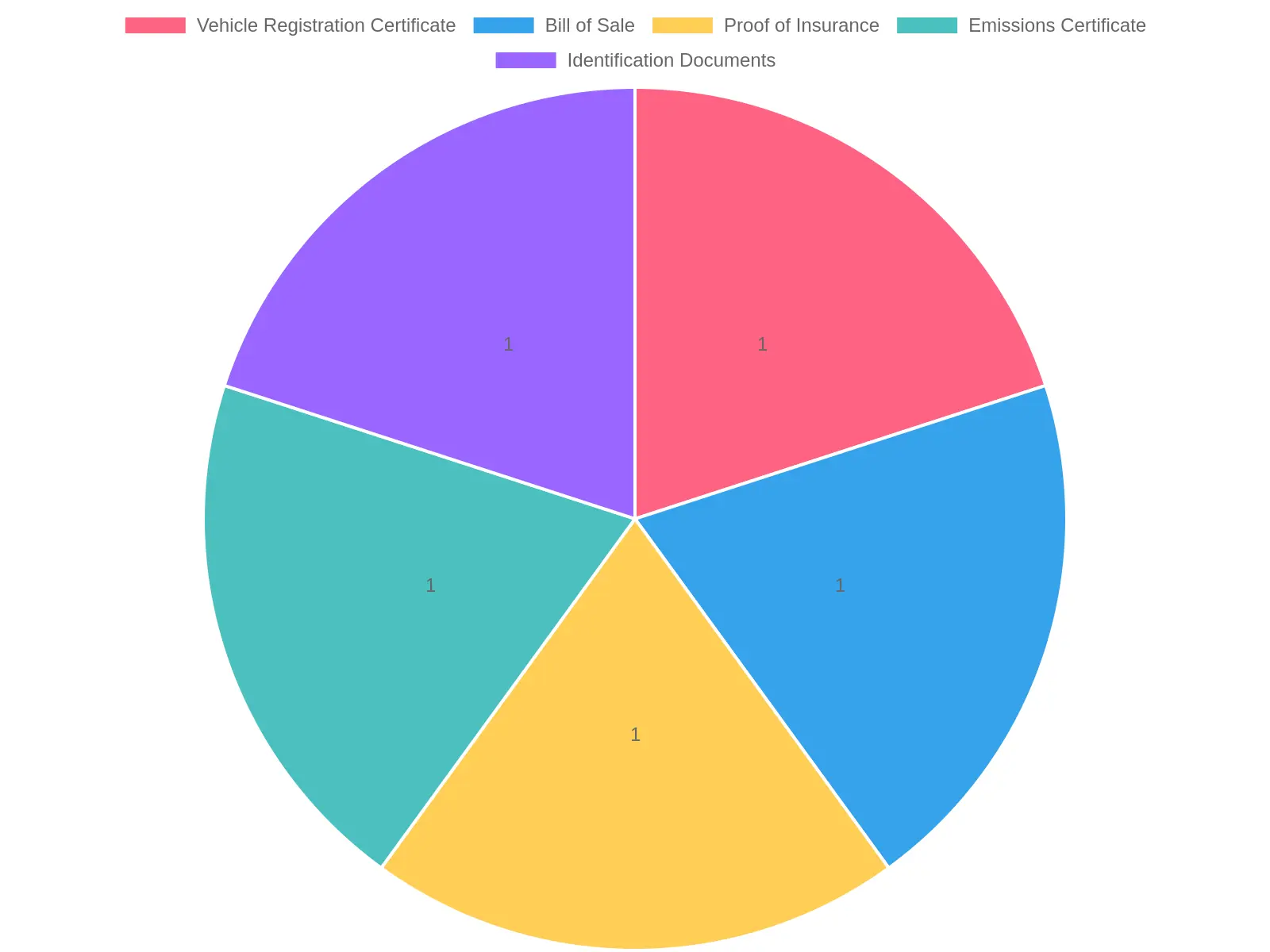
Understanding these documents is essential for drivers and vehicle owners to avoid potential legal issues. This can also invariably impact insurance and compliance requirements. For more information about vehicle inspection requirements, check out this resource.
Variations of Vehicle Registration Laws by State
Vehicle registration laws vary significantly from state to state in the United States, impacting what is needed to officially register a vehicle. One of the most notable requirements that differs is the need for a driver’s license.
General Overview of State Requirements
Most states require individuals to possess a valid driver’s license to register a vehicle, as this links the vehicle’s ownership to a competent driver. However, there are notable exceptions and variations:
- Without a Driver’s License: Some states allow vehicle registration without a driver’s license, particularly for non-domiciled individuals or those in special circumstances. For instance, a state like Michigan permits vehicle registration under certain conditions, provided the applicant can show proof of identity and residency.
- Identification Requirements: States such as Colorado require proof of auto insurance, while Florida mandates registration within ten days of establishing residency or employment, regardless of the driver’s license status.
- Fees and Penalties: Different states impose various fees, with some states offering discounts for vehicle registrations based on factors such as the vehicle’s weight or environmental impact. Additionally, states may impose late fees if registration is not completed in time, impacting drivers already facing mobility challenges.
Examples by State
Here are some specific examples of how vehicle registration requirements vary:
- Texas: Requires proof of insurance and charges an additional annual fee for fully electric vehicles.
- Colorado: Mandates proof of active auto insurance before allowing vehicle registration.
- Florida: Enforces strict timelines for registration after establishing residency, with penalties for delays.
These examples underscore the importance of understanding local regulations related to vehicle registration to avoid any complications. For further details about specific state laws, you can learn more about state rules that impact driver licensing and how they affect vehicle registration processes.
In conclusion, while a driver’s license is generally a prerequisite for vehicle registration, variations by state present different challenges and requirements that all vehicle owners and potential registrants should be aware of. Adequate research into local registration requirements is essential for compliance and to streamline the vehicle registration process.
Comparison of Vehicle Registration Requirements by State
| State | Is Driver’s License Required? | Additional Requirements |
|---|---|---|
| California | Yes | Proof of insurance, Vehicle title, Smog certification |
| New York | Yes | Proof of identity, VIN verification |
| Texas | Yes | Proof of liability insurance, Vehicle title |
| Florida | Yes | Proof of identity, Insurance card |
| Illinois | Yes | Proof of residency, Insurance proof |
Summary of Vehicle Registration in Multiple States
- California: A driver’s license is required, along with proof of insurance and a smog certification for most vehicles.
- New York: You must have a valid driver’s license to complete vehicle registration. Additional documents such as proof of identity and VIN verification are necessary.
- Texas: Registration requires a driver’s license along with liability insurance documentation.
- Florida: A valid driver’s license is needed, along with proof of identity and insurance information.
- Illinois: The state mandates a driver’s license for vehicle registration, supplemented by proof of residency and insurance proof.
Understanding the specific vehicle registration requirements across states is crucial for new drivers, learners, and vehicle owners. To further navigate the complexities of these requirements, consider checking out state rules impacting driver licensing for personalized guidance based on your state’s policies.
This comparison aids prospective registrants in knowing the basic requirements and guides them in gathering necessary documents effectively. Remaining informed ensures compliance with state laws and facilitates a smoother registration process.
User Testimonials on the Necessity of a Driver’s License for Vehicle Registration
Many users have shared their experiences and insights regarding the importance of having a driver’s license when it comes to vehicle registration. While specific testimonials were challenging to find, various sources compile common sentiments that underscore this necessity.
Summary of Experiences
-
Legal Requirements: Users frequently mention that obtaining a vehicle registration without a valid driver’s license can be nearly impossible. Most jurisdictions require proof of a driver’s license to ensure that the person registering a vehicle has met the necessary driving standards.
-
Mobility and Employment: Many individuals express how critical having a driver’s license is for their day-to-day mobility. As one user from the Washington State Department of Licensing noted, “Without my driver’s license, I cannot register my vehicle, and without that, I struggle to get to work every day.”
-
Safety and Accountability: According to ongoing discussions within the community, having a driver’s license also equips individuals with essential knowledge about road safety. A representative from Parivahan Sewa emphasized that “the process of acquiring a driver’s license imparts crucial skills and knowledge that considerably enhance public safety.”
Conclusion
The interdependence between driver’s licenses and vehicle registration is clear, serving both legal and practical purposes. This connection helps promote public safety and ensures compliance with laws across varying jurisdictions. For more detailed insights, feel free to check the Washington State Department of Licensing or the Parivahan Sewa for additional resources that outline these requirements.
In conclusion, the requirements for obtaining a vehicle registration in the United States are closely tied to the possession of a driver’s license, though this can vary from state to state. Generally, most states require a valid driver’s license to complete the registration process, ensuring that vehicle owners are legally authorized to operate their vehicles on public roads. However, there are exceptions, such as in Michigan, where alternative forms of identification can sometimes suffice for registration purposes.
Understanding these nuances is crucial for new drivers and vehicle owners, as the necessity for a driver’s license impacts insurance acquisition and compliance with state regulations. This knowledge reinforces the importance of being equipped with proper identification when registering a vehicle.
For a deeper insight into how state rules affect driver licensing, you can learn more about state-specific regulations. Additionally, for information on inspection requirements essential for new vehicle owners, check out this vehicle inspection overview.
Explore Premium Custom-Fit Fairings at Summit Fairings
Are you looking to enhance your motorcycle’s performance and aesthetics? Look no further than Summit Fairings! Our premium custom-fit fairings are designed to elevate your riding experience, providing both style and functionality.
At Summit Fairings, we understand that every motorcycle enthusiast wants their ride to reflect their unique personality. That’s why we offer a wide variety of options to choose from, ensuring that your bike not only performs at its best but also turns heads wherever you go.
Our fairings are crafted from high-quality materials, guaranteeing durability and perfect fitment for your specific model. Whether you’re a new rider or an experienced motorcycle owner, our custom fairings will meet your needs and exceed your expectations.
Ready to transform your motorcycle? Visit us today to explore our range of products and discover how Summit Fairings can enhance your ride!
Trends in Vehicle Registration
Understanding vehicle registration trends is crucial for new drivers, existing vehicle owners, and auto dealerships. Vehicle registration is affected by many factors, including changes in legal requirements and the overall demand for licenses. In recent years, we have observed notable fluctuations in vehicle registration rates influenced by various regulatory changes and market conditions.
In 2023, data revealed an increasing trend in vehicle registrations, which can be attributed to a growing population of new drivers and a need for vehicles among consumers as economic conditions improve. Having a driving license is typically a prerequisite for vehicle registration in most U.S. states, making it important for new drivers to understand both processes thoroughly.
The following chart illustrates the monthly trends in vehicle registration rates over the past year, highlighting the impacts of legal changes and the uptake of driving licenses:

Key Observations:
- March to June: A notable spike in registrations could be linked to seasonal buying patterns, especially in spring and summer.
- Changes in Regulations: Throughout the year, various states enacted changes to vehicle registration processes, which likely influenced increases in registrations as drivers rushed to comply with new laws. For a more detailed understanding of how state regulations impact vehicle registrations, you can learn more about state rules and their impact on driver licensing here.
- License Uptake: The availability of new testing locations, more flexible scheduling for driving tests, and outreach programs helped boost the number of new licenses issued, directly affecting vehicle registrations.
In conclusion, as the landscape of vehicle registration continues to evolve, staying informed on legal requirements is essential for ensuring a smooth registration process. Whether you’re a new driver or looking to understand the registration landscape better, it’s vital to keep abreast of these trends and changes.