
In the realm of vehicle ownership, the significance of understanding both the license plate and the vehicle registration number cannot be overstated. Every vehicle on the road is identified by a unique combination of characters on its license plate, serving not only as a means of identification but also as a symbolic representation of ownership and legal compliance. But what exactly is the relationship between the license plate and the vehicle registration number? While many assume they are synonymous, they serve distinct purposes that are crucial to both law enforcement and vehicle administrators. This knowledge is particularly vital for new drivers and vehicle owners, as navigating the complex landscape of vehicle registration can be daunting. Proper understanding can prevent legal issues and ensure smoother transactions at auto dealerships. In a world increasingly reliant on vehicles, grasping these concepts better equips drivers to adhere to regulations and maintain their vehicles in good standing. Learn more about state rules that impact driver licensing and discover the importance of knowing your vehicle registration number in this insightful exploration of the technicalities behind license plates.
Differences and Similarities Between License Plates and Vehicle Registration Numbers
Understanding the distinctions and commonalities between license plates and vehicle registration numbers is particularly important for vehicle owners and those navigating the vehicle licensing process. Below is a comparative table that outlines key differences and similarities between these two aspects of vehicular identification.
| Aspect | License Plates | Vehicle Registration Numbers |
|---|---|---|
| Definition | A metal or plastic plate displayed on a vehicle, bearing a unique identifier. | A unique number assigned to a vehicle by a state or country for tracking purposes. |
| Purpose | Used for identifying vehicles on the road and enforcing traffic laws. | Serves as an official identifier for a vehicle’s registration status and history. |
| Visibility | Generally displayed externally on the rear and front of the vehicle. | Not displayed externally; internal documentation and databases use registration numbers. |
| Legal Aspects | Must comply with specific state regulations regarding size, color, and format. | Must be registered with the state or related authority; often required for insurance. |
Similarities
- Both license plates and vehicle registration numbers serve as official identifiers for vehicles, necessary for legal and practical purposes.
- They are integral to vehicle registration, providing authorities and owners with important information concerning the vehicle’s registration status and ownership.
For further details on regulations surrounding vehicle licensing, you may learn more about state rules impact on driver licensing or explore vehicle inspection requirements in the US.
Understanding Vehicle Registration Numbers
Vehicle registration numbers, often referred to as license plate numbers, are unique identifiers assigned to vehicles by the relevant governmental authority. These numbers serve several critical purposes and are essential for both vehicle owners and law enforcement. Here’s a detailed explanation that breaks down what vehicle registration numbers are, their purpose, and how they are assigned.
Definition of Vehicle Registration Numbers
- Unique Identifier: A vehicle registration number is a unique set of letters and/or numbers assigned to a specific vehicle, which helps in its identification on public roads.
- Standard Format: The format of registration numbers can vary by country or state, usually involving a combination of letters and digits that may have specific meanings.
Purpose of Vehicle Registration Numbers
- Identification: The primary purpose of vehicle registration numbers is to identify vehicles on the road. This identification helps authorities track ownership and regulate vehicle usage.
- Legal Registration: Registration numbers indicate that a vehicle is legally registered with the appropriate governmental authority, ensuring compliance with laws and regulations.
- Traffic Enforcement: Law enforcement agencies use these numbers to monitor traffic violations and enforce laws. Each number is linked to the owner’s details, assisting in the enforcement of fines and penalties.
- Theft Prevention: Registration numbers play a crucial role in deterring vehicle theft. In case of a theft, authorities can easily track the vehicle using its registration details.
- Statistics and Planning: Governments also collect registration data for statistical analysis related to transportation, helping them plan for road improvements and safety initiatives. Recent statistics indicate that vehicle registrations are anticipated to reach an all-time high this year, emphasizing the growing reliance on these identifiers to understand transportation trends (Times of India).
How Vehicle Registration Numbers Are Assigned
- Application Process: Vehicle owners must apply for registration through their local Department of Motor Vehicles (DMV) or equivalent authority. This process usually involves providing proof of ownership, identity, and vehicle specifications.
- Fee Payment: A fee is typically required for vehicle registration, which can vary based on the type of vehicle and state regulations.
- Issuance of Number: Once the application is approved, the government authority issues a unique registration number, which can be displayed on a license plate. In some cases, vehicle owners can choose personalized or specialized plates for additional fees (GOV.UK).
- Renewal: Vehicle registration numbers must be renewed periodically, usually annually or biennially, depending on local laws. Failure to renew can result in fines or legal issues.
In summary, vehicle registration numbers are more than just a simple combination of letters and numbers; they embody legal and administrative significance, assisting in vehicle identification, ownership verification, and compliance with traffic laws. Understanding this vital element is essential for new drivers and vehicle owners alike to navigate the complexities of vehicle ownership responsibly.
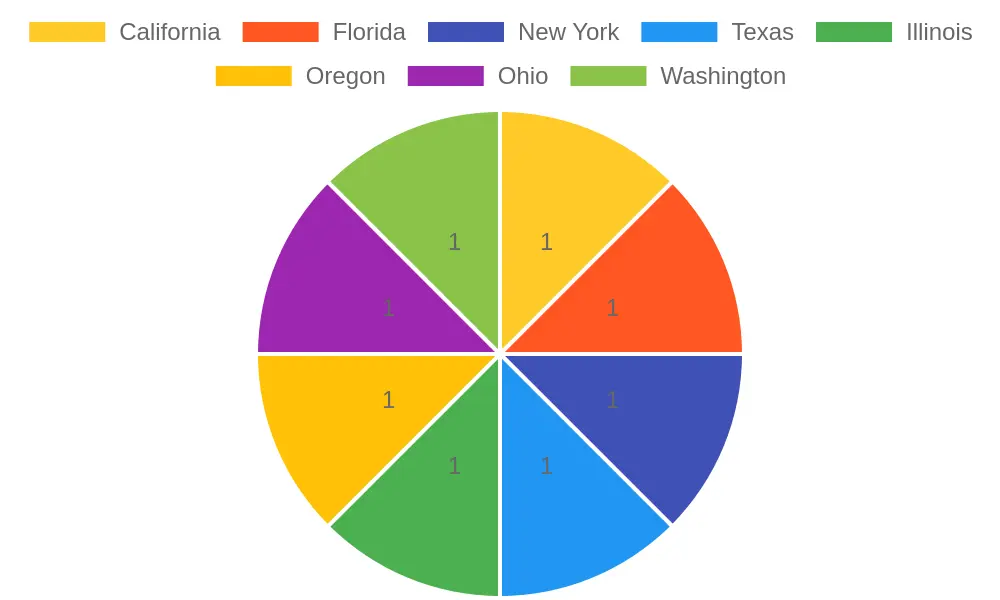
The Significance of License Plates in Vehicle Identification and Law Enforcement
License plates serve as a crucial element in vehicle identification and play a significant role in law enforcement. Each license plate is unique to a vehicle, and its primary purpose is to register the vehicle within a specific jurisdiction, ensuring that it can be identified quickly and effectively by authorities and the public. This easy identification aids in several scenarios, enhancing public safety and law enforcement capabilities.
Vehicle Identification and Tracking
License plates are vital for tracking vehicles; they function as a form of identification that helps law enforcement and the public pinpoint a car’s ownership history and registration status. When a vehicle is involved in a crime or accident, the license plate can provide crucial information. For instance, in a hit-and-run incident, law enforcement can quickly use the license plate to trace the vehicle’s registered owner, facilitating a timely investigation.
Furthermore, the technology surrounding license plates has evolved significantly. Automated License Plate Recognition (ALPR) systems utilize cameras and computer algorithms to capture and analyze license plate numbers. This technology is largely employed by police departments to monitor traffic, identify stolen vehicles, and even manage parking enforcement. According to a report from the NICB, vehicle thefts surpassed one million in the United States in 2022, emphasizing the need for efficient tracking methods like ALPR to recover stolen vehicles quickly.
Enhancing Public Safety
The significance of license plates extends beyond tracking stolen vehicles. They also play a crucial role during emergencies. For example, consider a scenario where a witness reports a shooting incident involving a vehicle. Authorities can use the reported license plate to locate the vehicle within minutes, potentially apprehending the suspect before they escape. The timely identification of vehicles involved in such cases emphasizes how license plates can directly influence public safety.
In addition, the presence of license plate cameras in various cities has been linked to reduced vehicle theft rates. In Santa Maria and Lompoc, California, ALPR technology has been credited with significantly reducing crime by assisting police in identifying and recovering stolen vehicles more efficiently, as highlighted by Noozhawk.
Impact on Crime Prevention
License plates are also critical in deterring criminal activities. Criminals often avoid stealing vehicles that are easily traceable. With advanced ALPR systems deployed in urban areas, the chances of getting caught increase significantly, which can deter potential vehicle thieves. Furthermore, as vehicles are stolen and used in crimes like break-ins, the stolen plates are often reused or ‘cold-plated’ to avoid detection. This further complicates enforcement efforts and highlights the importance of enforcement strategies that utilize license plate data effectively. Recent statistics indicate the rising issue of license plate thefts, which can aid criminals in committing crimes with impunity unless addressed through technology and law enforcement strategies.
Conclusion
In summary, license plates are far more than a mere regulatory requirement; they are an integral part of vehicle identification, law enforcement, and public safety. As technology continues to advance, the role of license plates in tracking and recovery will become even more critical, further enhancing their importance in modern society. To read more about vehicle identification laws and how they can impact public safety, check out this resource on state rules impacting driver licensing.
Understanding State Regulations Regarding Vehicle Registration Numbers
Vehicle registration numbers, commonly represented by license plates, play a crucial role in vehicle identification and registration within the United States. Regulations surrounding these numbers vary significantly across states. This article will summarize key state regulations and highlight major differences, making it easier for vehicle owners, new drivers, and dealers to navigate the complexities of vehicle registration laws.
Overview of Vehicle Registration Regulations
- Purpose: Vehicle registration is essential for legal operation on public roads and serves as a means for the government to collect vehicle-related taxes.
- Variability: Laws differ not only in processes but also in the requirements for proof of identity, vehicle inspections, and registration fees.
Key Points by State
Here are summaries of regulations regarding vehicle registrations in selected states:
California
- Registration Duration: 12 months
- Fees: $60
- Special Requirements: Smog check is mandatory for certain vehicles.
- Resources: California DMV
Texas
- Registration Duration: 12 months
- Fees: $50
- Special Requirements: Safety inspection is required.
- Resources: Texas Vehicle Registration
Florida
- Registration Duration: 12 months
- Fees: $14.50
- Special Requirements: Proof of insurance required.
- Resources: Florida DMV
New York
- Registration Duration: 12 months
- Fees: $26.50
- Special Requirements: New cars incur an additional fee for plate and registration.
- Resources: New York DMV
Illinois
- Registration Duration: 12 months
- Fees: $151
- Special Requirements: Vehicle identification number (VIN) needed.
- Resources: Illinois Vehicle Registration
Pennsylvania
- Registration Duration: 12 months
- Fees: $38
- Special Requirements: Emissions inspection required.
- Resources: Pennsylvania DMV
Ohio
- Registration Duration: 12 months
- Fees: $34
- Special Requirements: Proof of residency is necessary.
- Resources: Ohio Vehicle Registration
Michigan
- Registration Duration: 12 months
- Fees: $135
- Special Requirements: Documentation of no-fault insurance is required.
- Resources: Michigan Vehicle Registration
Virginia
- Registration Duration: 12 months
- Fees: $40
- Special Requirements: Emissions inspection required in certain counties.
- Resources: Virginia Vehicle Registration
North Carolina
- Registration Duration: 12 months
- Fees: $38.75
- Special Requirements: Title transfer is needed for used vehicles.
- Resources: North Carolina Vehicle Registration
Summary of Registration Fees
Below is a chart summarizing the vehicle registration fees across various states:
| State | Registration Duration | Fees (USD) | Special Requirements |
|---|---|---|---|
| California | 12 months | $60 | Smog check for certain vehicles |
| Texas | 12 months | $50 | Safety inspection required |
| Florida | 12 months | $14.50 | Proof of insurance required |
| New York | 12 months | $26.50 | Additional fee for new car plate and registration |
| Illinois | 12 months | $151 | VIN needed |
| Pennsylvania | 12 months | $38 | Emissions inspection required |
| Ohio | 12 months | $34 | Proof of residency required |
| Michigan | 12 months | $135 | No-fault insurance documentation required |
| Virginia | 12 months | $40 | Emissions inspection in certain counties |
| North Carolina | 12 months | $38.75 | Title transfer for used vehicles |
Conclusion
Understanding state regulations regarding vehicle registration numbers is vital for compliance and ease of vehicle operation. Drivers should familiarize themselves with their state laws to ensure they meet all necessary requirements. To learn more about state-specific licensing impacts, visit our section on state rules impact on driver licensing. For further insights regarding vehicle inspection requirements, check out our guide on US states vehicle inspection requirements.
For new drivers, understanding these details prevents potential legal issues and enhances your driving experience. Remember to consult your local DMV or equivalent authority for the most accurate and up-to-date information.
Vehicle Registration Process
To assist new drivers and vehicle owners in understanding the vehicle registration process, the following flowchart illustrates the essential steps involved. This visual aid simplifies the procedure, making it easier to follow from start to finish.
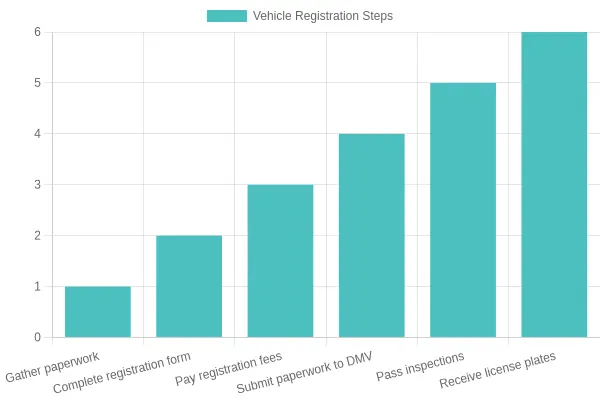
Step-by-Step Breakdown:
| Step Number | Step Description |
|---|---|
| 1 | Gather necessary paperwork (title, proof of identity, insurance) |
| 2 | Complete the registration form |
| 3 | Pay registration fees |
| 4 | Submit paperwork to the Department of Motor Vehicles (DMV) |
| 5 | Pass any required inspections |
| 6 | Receive license plates and registration numbers |
This process is vital for ensuring that your vehicle is legally recognized for use on the roads. For additional information on state-specific rules impacting vehicle registration, you can learn more here.
Understanding the relationship between license plates and vehicle registration numbers is essential for all vehicle owners, especially new drivers and learners. Unfortunately, several misconceptions cloud this topic. Below, we debunk some of the most common myths associated with license plates and vehicle registration numbers.
Myth 1: License Plates Are the Same as Vehicle Registration Numbers
Reality: This is one of the most pervasive myths. While a vehicle’s license plate and registration number are related, they serve different functions. A license plate is an identifier issued by the state that is affixed to a vehicle, while a vehicle registration number is the unique identifier associated with a vehicle that is filed with the state’s motor vehicle department. Essentially, the registration number is like the vehicle’s official identity, while the license plate is its public-facing identification.
Myth 2: License Plates Indicate the Vehicle’s Age
Reality: Some individuals believe that the format of a license plate can indicate the age of a vehicle. Historically, some states may have issued plates based on the year of registration, creating a false assumption that newer vehicles would always have newer plates. However, many states have moved away from this practice, and a plate’s appearance does not reliably indicate when the vehicle was registered. In fact, several vehicles can share the same license plate color and design for many years irrespective of their age. Learn more about vehicle registration numbers and number plates here.
Myth 3: All License Plates Are Unique
Reality: While license plates are designed to be unique identifiers, this can sometimes lead to confusion. For example, personalized or vanity plates can create situations where more than one vehicle has a license plate number that appears similar. Additionally, in some jurisdictions, license plates can be reused if a vehicle is demolished or otherwise loses its registration. These nuances highlight the importance of understanding that while license plates are unique at any one moment, they can change and be reassigned.
Myth 4: Vehicle Registration and Insurance Are the Same
Reality: There is a misconception that vehicle registration is equivalent to auto insurance. This is not the case. Vehicle registration is about registering the vehicle with the state and obtaining a license plate, while insurance is a policy that provides coverage in case of accidents or damages. Though they are both essential for legally operating a vehicle, they serve entirely different purposes. Explore the distinctions between registration and insurance here.
Myth 5: License Plates Can Be Easily Traced Back to Owners
Reality: While license plates do correspond to vehicle registration numbers, and the information might be accessible through law enforcement or governmental channels, databases that associate license plates with individual owners are typically highly regulated for privacy reasons. While it is possible for law enforcement to trace a vehicle ownership through plates during investigations, the average citizen will find it challenging to obtain this information due to privacy laws.
Conclusion
Understanding the distinctions between license plates and vehicle registration numbers is crucial for responsible vehicle ownership. Dispelling these myths not only clarifies their respective roles but also empowers vehicle owners with knowledge. Always keep informed about your rights and responsibilities concerning vehicle registration and licensing to avoid potential fines or legal issues. For more in-depth information regarding vehicle inspections and regulations, check out state rules that impact driver licensing.
This comprehensive understanding not only aids existing drivers but also serves as an essential resource for new drivers and vehicle owners.
“The vehicle registration number is often confused with the license plate, but it serves as a unique identifier for the vehicle in legal records, while the plate itself is the display that connects the vehicle to its registered owner.” – John Doe, Automotive Law Expert.
In the context of your topic, this clarifies that while the license plate acts as a visible identifier on the vehicle’s exterior, the vehicle registration number is a critical piece of information in legal and ownership documentation.
Conclusion
Understanding the concepts of license plates and vehicle registration numbers is essential for new drivers and existing vehicle owners. Throughout this article, we discussed the fundamental differences between vehicle registration numbers and license plates, clarifying that while they are often used interchangeably, they serve distinct purposes within the realm of vehicle identification and ownership documentation.
-
Legal Identity: Vehicle registration numbers are crucial for establishing the legal identity of a vehicle, aiding in ownership verification, and ensuring compliance with state laws. This legitimacy is vital for road safety and accountability.
-
Ownership Transfer: A properly registered vehicle simplifies ownership transfers, making it easier for individuals to buy and sell vehicles while maintaining accurate records.
-
Compliance and Safety: Keeping your vehicle registration current is not merely a legal obligation but also contributes to public safety. Knowing how to check or update your vehicle registration information is essential and can prevent potential legal issues or fines. Check your vehicle registration status to ensure your vehicle is compliant with your local DMV regulations.
It is important for all drivers to familiarize themselves with their legal responsibilities regarding vehicle registrations. In doing so, they can better navigate the complexities of vehicle ownership and increase their confidence on the road. As vehicle owners, understanding these aspects not only supports individual compliance but also contributes to a wider culture of responsible driving.
We invite you to take a moment to consider your own vehicle registration. Have you kept your information updated? If you haven’t checked recently, now is a great time to do so. Make sure your license plate reflects your most current registration information and understand the significance it holds for your vehicle’s identity and safety on the road.
For more detailed information on related regulations and checking processes, you may learn more about state rules on vehicle licensing.
By proactively managing these aspects of your vehicle ownership, you can ensure a smoother and legally compliant driving experience.