
Understanding Vehicle License Tax Deductions in Arizona
Have you ever considered how vehicle license tax deductions could affect your personal finances in Arizona? This often-overlooked aspect of auto ownership could lead to significant savings, especially for both new and existing drivers. Navigating the complexities of tax regulations can sometimes feel daunting, but grasping the basics of vehicle license taxes can empower you to make more informed financial decisions regarding your vehicles.
Whether you are a recent graduate getting your first car, a seasoned driver with multiple vehicles, or even an auto dealership owner, understanding these financial implications is critical. The ability to deduct vehicle license taxes on your state tax return can alleviate some financial burdens, affecting everything from your annual budgeting to long-term financial planning. People often underestimate how this deduction can enhance their overall driving experience by potentially lowering the long-term costs associated with vehicle ownership.
In this article, we will unpack the nuances surrounding vehicle license tax deductions, particularly focusing on Arizona. By understanding these deductions, you can maximize your return and make smarter financial choices. For more information about state rules impacting driver licensing in Arizona, consider checking out our comprehensive guide.
Additionally, if you’re keen on understanding the broader implications of various vehicle tax policies across different states, our article on vehicle inspection requirements can offer valuable insights. So, let’s dive deep into the world of vehicle license tax deductions and uncover how they can make a difference in your financial journey!
Tax Deductibility of Vehicle License Fees in Arizona
In Arizona, vehicle license fees can be partially tax-deductible under certain conditions. The Vehicle License Tax (VLT), which is assessed based on the vehicle’s value, is deductible from state income taxes when filing.
Key Points about Vehicle License Fees Deductibility:
- Tax Basis: The VLT is calculated at 60% of the vehicle’s original base retail price, with a reduction in taxable value of 16.25% each subsequent year. This means the deduction amount diminishes annually as the vehicle ages.
- Fixed Fees: Only the portion of the fees that correlate to the vehicle’s value is deductible. Fixed fees such as title and registration are not deductible for tax purposes. This is an important distinction for vehicle owners when calculating their potential deductions.
- Itemization Requirement: To claim this deduction, taxpayers must itemize their deductions on their federal tax return. For those who typically take the standard deduction, they won’t benefit from this opportunity.
- Exceptions: There may be exceptions for certain types of vehicles, like those used for business purposes. Additional rules may apply, and it’s advisable for vehicle owners to consult with a tax professional or review the Arizona Department of Revenue guidelines for specific details pertaining to their individual circumstances.
Relevant Arizona Tax Laws
Arizona tax laws regarding vehicle license fees and their deductibility are governed by the Arizona Department of Revenue. Recent discussions and interpretations suggest that deductions for the VLT can benefit vehicle owners, but remain contingent upon correct itemization and adherence to state law.
Further Reading
For additional insights into how vehicle registrations and fees impact your tax situation, visit FooteWork or TurboTax.
Factors Influencing Tax Deductibility of Vehicle License Fees in Arizona
When considering the deductibility of vehicle license fees in Arizona, several factors come into play that can influence whether these fees can be included on your tax return. Here are the key considerations:
- Type of Vehicle: Different vehicles may have different eligibility for tax deductions. For instance, commercial vehicles used for business may have broader deductibility than personal vehicles.
- Usage of the Vehicle: The purpose for which the vehicle is used is a significant determining factor. Vehicles primarily used for business purposes may qualify for deductions, while those used for personal reasons may not.
- Value of the Vehicle: The Vehicle License Tax (VLT) in Arizona is calculated based on the market value of the vehicle. The higher the vehicle’s value, the greater the potential deduction.
- Itemization of Deductions: Taxpayers must itemize their deductions on their federal tax return to include the deductible portion of the VLT. This may impact those whose standard deduction exceeds itemization.
- State Rules and Regulations: Tax laws can vary by state; thus, understanding Arizona tax regulations is paramount. Certain fees may not be deductible if they don’t meet specific state criteria.
- Changes in Tax Laws: Tax laws are subject to change, which can affect the deductibility of vehicle fees. Staying informed about legislative updates can help taxpayers make informed decisions.
Understanding these factors is essential for vehicle owners in Arizona to maximize their tax benefits. For more insights on how state rules might impact your vehicle licensing, learn more here. It is always advisable to consult with a tax professional for personalized advice.
General Information on Vehicle License Tax in Arizona
In general, the vehicle license tax in Arizona may not be universally deductible across all vehicle types. Here’s what is typically known:
- Passenger Cars: In some cases, license taxes may not be deductible.
- Commercial Vehicles: Often, these are more likely to have some deductible expenses, particularly if the vehicle is used for business purposes.
- Motorcycles: Similarly to passenger cars, tax deductibility may be limited.
If you need specific tax guidance, I would recommend consulting an Arizona tax professional or checking state government resources for precise and up-to-date information.
For further reading on laws affecting driver licensing and vehicle inspections in Arizona, you may refer to state-rules-impact-on-driver-licensing and us-states-vehicle-inspection-requirements.
Feel free to ask if there’s anything else I can assist you with!
Understanding if you qualify for the vehicle license tax deduction in Arizona is vital for vehicle owners looking to save on taxes. Here’s a comprehensive guide to help you determine your eligibility, including the necessary documentation and relevant forms.
Eligibility Criteria
-
Residency Requirement: To qualify for the vehicle license tax deduction, you must be a resident of Arizona. Your vehicle must also be registered in the state as a passenger car, truck, or another qualifying vehicle.
-
Vehicle Type: Generally, the deduction applies to personal vehicles that are used for motorized transport. Commercial vehicles may have different classifications and could be evaluated differently.
-
Noteworthy Exemptions: Certain groups are eligible for exemptions from the vehicle license tax. For example, individuals identified as 100% disabled veterans can have their vehicle license tax waived, provided they submit the required documentation verifying their status. This may include:
- A letter of eligibility from the Department of Veterans Affairs.
- Documentation of disability status.
Necessary Documentation
To successfully claim the vehicle license tax deduction or exemption, you will need to gather the following documents:
- Proof of Residency: This may include utility bills, lease agreements, or official government correspondence showing your name and address in Arizona.
- Vehicle Registration: The vehicle must be registered in Arizona. A copy of your vehicle registration documents should be retained for submission.
- Disability Verification (if applicable): For veterans seeking exemptions, a letter from the Department of Veterans Affairs affirming your disability status will be necessary.
- Tax Returns: When you file your state income tax return, be prepared to include the deduction on your return, typically using Form 140, Arizona Resident Income Tax Return. This form allows you to report the vehicle license tax you’ve paid during the tax year. Although the state does not provide a specific form solely for the vehicle license tax, including the amount on your tax return is essential.
Relevant Forms and Resources
While specific forms related to the vehicle license tax deduction may not be readily available online, it’s crucial to stay updated:
- Arizona Department of Revenue Resources: For the most accurate and updated information on documentation and forms, visit the Arizona Department of Revenue or consider contacting them directly for answers to your specific inquiries regarding forms and procedures.
Conclusion
Determining your eligibility for the vehicle license tax deduction in Arizona involves verifying your residency, understanding vehicle type qualifications, and gathering the necessary documentation. Be sure to stay informed of any changes in state tax laws and guidelines, as they can impact your eligibility and potential savings.
By taking these steps, you can maximize your tax benefits related to vehicle licensing in Arizona and help ensure a smoother experience during tax season.
For more about state-specific licensing rules, explore this resource.
Now that you’re informed about how to determine eligibility, plan accordingly to ensure that you gather all necessary documentation and complete any required forms.
Arizona, being one of the fastest-growing states in the U.S., reflects dynamic vehicle ownership trends influenced by multiple factors like population growth, urbanization, and economic conditions. Here’s a summarized look at vehicle ownership in the state:
-
Total Registered Vehicles: As of 2022, Arizona had approximately 6 million registered vehicles. This number is likely to have increased slightly due to the state’s growing population and the influx of new residents.
-
Types of Vehicles:
-
Passenger Vehicles: A significant portion of registered vehicles are passenger cars, comprising around 75% of the total.
-
Trucks: Light-duty and heavy-duty trucks form about 15%-18% of registrations, reflecting Arizona’s logistics and trade industries.
-
Motorcycles and Others: The remaining percentage includes motorcycles, RVs, and other vehicles, which are popular in leisure and tourism-driven segments.
-
New vs. Used Vehicles: The market for used vehicles continues to dominate, largely due to affordability concerns among consumers. However, sales of new vehicles have seen a steady increase, bolstered by incentives and new models introduced by dealerships.
Economic Impact of Vehicle Ownership
Vehicle ownership supports significant economic activities in Arizona, including:
- Local Job Creation: The automotive sector provides jobs in sales, maintenance, and manufacturing.
- Taxes and Fees: Registration fees, taxes, and compliance fees contribute to state revenues, essential for maintaining infrastructure.
Conclusion
To further explore vehicle ownership nuances in Arizona and how it relates to vehicle licensing, including tax-related implications, visit our detailed insights on state rules impacting vehicle licensing.
If you’re looking for specific statistics or more recent data, I recommend checking the Arizona Department of Transportation’s official website or other government publications as they release updated reports periodically.
Trends in Vehicle Tax Deductions in Arizona
Tracking the trends in vehicle tax deductions in Arizona over the past five years reveals significant fluctuations influenced by policy changes and regulations. Here’s a summary of the trends:
Sales Tax Deductibility
| Year | Sales Tax Deductibility | Key Changes and Regulations |
|---|---|---|
| 2019 | Yes | Initial foundation for tax deductions was established. |
| 2020 | Yes | No significant changes reported. |
| 2021 | Yes | Continued availability of deductions; minor updates in requirements. |
| 2022 | No | Major policy changes introduced affecting tax deductions. |
| 2023 | Limited | New regulations reducing deductions and introducing stricter guidelines. |
Visual Representation
The following chart illustrates the trends in vehicle tax deductions over the years:
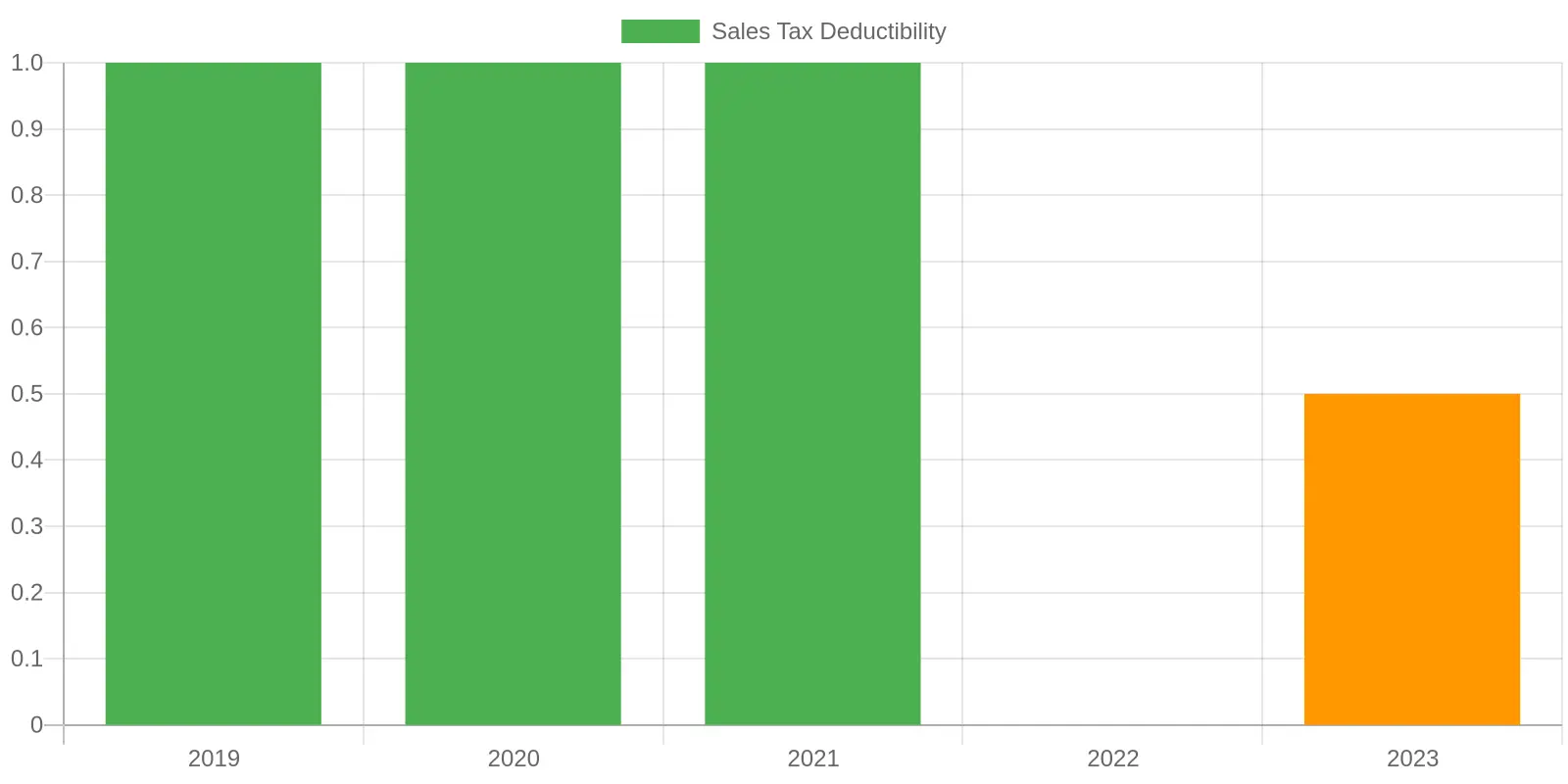
The analysis demonstrates a clear shift in policy, particularly notable from 2021 to 2022, accompanied by new regulations that have limited deductions in more recent years. For more insights, you may learn more about state rules impacting driver licensing.
Insights from a Tax Professional on Vehicle License Tax Deductions in Arizona
“In Arizona, the vehicle license tax is often misunderstood when it comes to tax deductions. While it is a personal property tax and is generally deductible as a personal property tax on your federal income tax return, the amount you can deduct depends on the state and local tax (SALT) deduction limits. Importantly, only the portion of the vehicle license tax based on the value of the vehicle qualifies for deduction, not fees based on weight or other factors. This makes it essential for vehicle owners to carefully review their tax bills and consult with a tax advisor to maximize their deductions. Understanding these nuances can result in meaningful tax savings, but mistakes in claiming deductions can lead to audits or penalties.”
- Jane M. Richards, CPA and Tax Consultant
This expert perspective underscores the importance of knowing how vehicle license taxes function within Arizona’s tax system and highlights the subtle details that drivers and vehicle owners should be aware of for their tax filings. For those interested in understanding how state-specific rules affect driver licensing and taxes, you might find it helpful to learn more about state rules impact on driver licensing.
Conclusion
In summary, understanding whether vehicle license fees are tax deductible in Arizona is essential for both personal and business vehicle owners. While it seems that vehicle registration fees for personal use are typically not deductible, there may be exceptions for business-related expenses. This ambiguity highlights the importance of keeping abreast of tax legislation and its implications on vehicle ownership. New drivers, existing vehicle owners, and auto dealerships alike should remain informed and seek guidance where necessary.
The complexities of tax deductions can be overwhelming, and professional assistance is often the best route to ensure compliance and maximize your entitlements. We encourage you to reach out to a tax professional or review the resources available through the Arizona Department of Revenue for definitive answers tailored to your unique situation.
Call to Action
For those navigating vehicle ownership decisions, whether you’re a new driver or an experienced one, exploring the range of products from Summit Fairings can enhance your vehicle’s performance and safety. Visit our website to discover innovative solutions tailored for your needs, and don’t miss out on potential enhancements that can make your driving experience more enjoyable and efficient. Start optimizing your vehicle today!