
Navigating the world of vehicle ownership can be challenging, especially for new drivers. Two terms frequently encountered in this journey are vehicle license and vehicle registration. While often used interchangeably, they represent distinct concepts essential for legal driving. A vehicle license is permission granted by a governmental authority, allowing an individual to operate a vehicle on public roads. In contrast, vehicle registration involves documenting a vehicle’s details with the state or country, thereby ensuring it meets required safety and legal standards. This delineation holds significant importance for new drivers who must grasp both aspects to ensure compliance with regulations. Failing to understand the differences between these two can lead to legal complications, hefty fines, or even being barred from driving.
Understanding these distinctions not only fosters responsible vehicle ownership but also promotes safety on the roads. For instance, new drivers equipped with this knowledge can better navigate legal requirements, avoid penalties, and ensure their vehicle is roadworthy. In essence, the interplay between license and registration forms the backbone of responsible driving practices. As you embark on your journey toward becoming a proficient driver, keeping these definitions in mind will empower you to maintain both your credibility and safety behind the wheel. So, whether you are a fresh learner or an existing driver seeking clarity, let’s delve deeper into the particulars of each, explore their functions, and understand why this knowledge is vital for all vehicle owners.
Through this introduction, we set the stage for a thoughtful exploration of vehicle licensing and registration, inviting readers to engage with the material and ensuring they recognize the importance of each concept in their driving journey. For further insights into regulations impacting driver licensing, you might find it useful to learn more about state rules.
Understanding Vehicle Licensing
A vehicle license, commonly referred to as a driver’s license, is an official document that permits an individual to operate a motor vehicle. It serves as proof that the holder has received proper training and meets the legal requirements to drive, thereby enhancing road safety for everyone. The purpose of vehicle licensing includes:
- Regulation of road use: Licensing ensures that only qualified individuals can drive, reducing accidents and promoting safety on the roads.
- Identification: A driver’s license serves as a form of identification in various situations, including traffic stops and identity verification.
- Insurance verification: Insurance companies often require a valid driver’s license to issue policies, helping to manage risk on the road.
Variation of Licensing by State
Vehicle licensing laws can significantly vary by state in the U.S., affecting things like testing processes, age requirements, and documenting necessary qualifications.
Some key distinctions include:
- Testing: While most states require a written exam covering rules of the road, some states may have stricter requirements or additional tests depending on the vehicle type (e.g., trucks or motorcycles).
- Fees: Licensing fees can also vary. For example, license fees in California might be different from those in Texas, reflecting local regulations.
- Renewal periods: Different states have various timelines for how often a license must be renewed; for instance, Florida requires renewal every eight years, while New York requires it every five years.
Importance for All Drivers
Whether you’re a new learner or an existing driver, having a proper vehicle license is essential. For new learners, obtaining a license means that you can legally drive and explore new opportunities. For existing drivers, maintaining a valid license is crucial to avoid penalties and ensure compliance with the law.
Examples of Licensing Requirements
- In California, new drivers are required to complete a driving test, a vision test, and a written exam before being issued a provisional license.
- In Texas, an applicant must also provide proof of identity and residency, as well as pass both a written and driving test.
Regularly checking the specific requirements for your state can help you stay compliant. For further exploration of how state rules impact driver licensing, you can learn more about the differences in regulations. This not only aids in understanding the process but also helps in avoiding unnecessary legal complications.
Comparison of Vehicle License and Registration
Understanding the differences between vehicle licenses and registration is crucial for new drivers, existing drivers, vehicle owners, and even auto dealerships. Below is a table that outlines the key distinctions between these two critical aspects of vehicle ownership.
| Category | Vehicle License | Vehicle Registration |
|---|---|---|
| Purpose | Authorizes an individual to operate a vehicle | Legally documents a vehicle as owned by an individual or entity |
| Requirements | Age, knowledge test, driving test, vision test | Proof of ownership, insurance, identification |
| Processes | Application at a licensing authority, written and practical tests required | Application at a registration office, payment of fees, issuance of registration documents |
| Renewals | Periodic renewal required, usually every few years | Must be renewed periodically, often annually or biennially |
| Key Differences | Required for driving, involves testing and skill assessment | Required for vehicle legality, involves administrative steps only |
For those interested in the regulations surrounding vehicle licensing, you can learn more about state rules impacting driver licensing. Additionally, understanding vehicle inspection requirements across U.S. states can further clarify the nuances of vehicle ownership.
Understanding Vehicle Registration
Vehicle registration is a legal requirement for anyone who owns and operates a vehicle. It serves as a means to register your vehicle with the government, linking your ownership to the vehicle’s unique identification number (VIN). The process involves submitting specific documentation to your local Department of Motor Vehicles (DMV) or equivalent authority, and it typically includes:
- Proof of Ownership: This could be the bill of sale or a previous registration.
- Identification: A valid driver’s license or ID is usually required.
- Insurance Documentation: Proof of insurance is often a prerequisite for registration.
- Payment of Fees: Vehicle registration typically involves fees, which can vary based on the vehicle type, its age, and local laws.
Importance of Vehicle Registration
The importance of vehicle registration cannot be overstated, particularly for vehicle owners:
- Legal Compliance: Not only is registration a legal requirement, but it also ensures compliance with local laws. Driving a vehicle without proper registration can lead to significant legal penalties, including fines or even impounding of the vehicle.
- Accountability and Ownership: Registration helps establish clear ownership of the vehicle, which is crucial in resolving disputes or in the event of theft.
- Insurance Validity: Many insurance providers require a vehicle to be registered under the owner’s name to issue insurance policies. Failing to register a vehicle can invalidate insurance claims, leaving the owner liable for damages in an accident. In fact, driving an unregistered vehicle may also result in increased premiums or denial of coverage.
Legal Implications of Unregistered Vehicles
Failing to register a vehicle can have serious consequences. The implications vary by state but often include:
- Fines and Penalties: In many jurisdictions, a substantial fine can be imposed for operating an unregistered vehicle. For instance, states like California impose fines that can reach several hundred dollars.
- Increased Scrutiny: Driving an unregistered vehicle can raise red flags with law enforcement, potentially leading to additional citations or heightened scrutiny during traffic stops.
- Complicated Legal Matters: If you are involved in an accident while driving an unregistered vehicle, you could face significant legal challenges, including liability for damages and difficulty with insurance claims.
In conclusion, vehicle registration is not merely a bureaucratic obligation; it is essential for the protection of vehicle owners and the integrity of the roadways. Understanding the requirements and implications surrounding vehicle registration will help ensure compliance and peace of mind for all drivers. For more information on how state rules impact driver licensing, learn more here and check out vehicle inspection requirements across states here.

Common Misconceptions About Vehicle Licenses and Registrations
New drivers and learners often encounter various misconceptions regarding vehicle licenses and registrations. Understanding these misunderstandings is crucial for ensuring compliance with legal requirements and safe operation of vehicles. Here’s a list of some prevalent misconceptions:
-
A Learner’s Permit is All I Need: Many new drivers believe that simply having a learner’s permit allows them to drive at any time without supervision. In reality, most jurisdictions require that a licensed adult accompany the learner at all times while driving.
-
Registration is Optional After Purchase: Some new vehicle owners assume that they do not need to register their vehicle until they plan to drive it. However, vehicle registration is typically a legal requirement that must be completed soon after purchasing a vehicle to ensure it is recognized by the state law.
-
All States Have the Same Licensing Requirements: New drivers often think they can transfer their licenses easily between states. In truth, each state has its own regulations regarding licensing, which can differ significantly, resulting in potential complications when moving.
-
Insurance is Not Required for Registration: A common belief is that vehicle registration can occur without insurance. This is misleading, as most states mandate proof of insurance or financial responsibility before allowing registration.
-
I Can Register a Vehicle Without a License: Many think they can register a vehicle without holding a driver’s license. In most cases, a valid license is necessary for the registration process.
-
Vehicle Licensing and Registration Are the Same: New drivers may confuse licensing with registration, believing they are interchangeable. In reality, vehicle licensing allows individuals to operate a vehicle, while registration pertains to the vehicle’s identification and legal status on the road.
-
I Don’t Need to Renew My License Often: Some drivers underestimate the importance of renewing their licenses on time. Licenses have expiration dates and failing to renew can result in penalties or additional testing requirements.
Understanding these misconceptions can help new drivers navigate the complexities of vehicle laws more effectively. For further guidance on the impacts of state rules on driver licensing, you can learn more here. To understand vehicle inspection requirements, please check this link.
Understanding Vehicle Registration and Licensing
- Vehicle Registration:
- This process involves officially recording a vehicle with a governmental authority, which includes obtaining license plates and a registration certificate.
- It proves ownership and is critical for vehicles to be legally driven on public roads.
- Registration typically requires submission of documents such as proof of purchase and payment of relevant fees.
- Vehicle Licensing:
- This refers to the process where individuals obtain permission to operate a vehicle, generally involving testing to demonstrate driving knowledge and skills.
- A driver’s license is evidence that the individual meets the necessary qualifications to drive safely.
Importance of Understanding the Differences
- Legal Compliance: Knowing the difference ensures compliance with state and federal laws, reducing the risk of legal penalties.
- Responsibility: Proper understanding of both processes allows drivers to be responsible vehicle owners, affecting safety and accountability on roads.
Reflecting on Legal Expert Insights
While I was unable to find a direct quote, a legal expert might emphasize that “the distinction between vehicle registration and licensing is critical for any driver to navigate the legal frameworks effectively, as confusion can lead to fines or legal issues.”
For further detail on state rules affecting driver licensing, you can learn more about the impact of state rules or explore the requirements for vehicle inspection in various states here.
Navigating vehicle licenses and registrations can often come with many questions. Below, we address some of the most frequently asked questions to help new and existing drivers, vehicle owners, and auto dealerships understand the processes better.
1. What is the difference between a vehicle license and vehicle registration?
- A vehicle license, often referred to as a driver’s license, permits an individual to operate a vehicle legally. Vehicle registration, on the other hand, is the process of officially recording a vehicle with the appropriate governmental agency and involves obtaining a license plate and registration document for the vehicle itself.
2. How do I register my vehicle?
- To register your vehicle, you’ll generally need to provide proof of ownership (like a title), proof of identity, and insurance information. The specific documentation may vary by state. It’s advisable to check your state’s department of motor vehicles (DMV) website for detailed instructions. Learn more about state rules impacting driver licensing.
3. Can I register my vehicle online?
- Many states offer online registration services, which can save time and effort. You must typically provide your vehicle’s VIN, personal identification, and payment information. You may encounter technical issues if the system is down or experiencing high traffic.
4. What are common reasons for registration denial?
- Common issues leading to registration denial include missing documentation, incorrect fees, outstanding tickets or fines associated with the vehicle, or issues with vehicle inspections. Ensuring all paperwork is complete and correct can help avoid these pitfalls.
5. How often do I need to renew my vehicle registration?
- Registration renewal frequency varies by state. Most states require an annual or biennial renewal. Always check your state’s requirements to stay compliant and avoid penalties.
6. What are the penalties for driving with an expired registration?
- Driving a vehicle with an expired registration can result in fines, penalties, or even a ticket. The severity of the penalty often depends on how long the registration has been expired, so it’s best to keep your registration current.
7. Can I transfer my registration to a new vehicle?
- Yes, you can typically transfer your registration to a new vehicle. You will need to fill out specific forms and pay the necessary fees, which can vary by state. Consult your state’s DMV for precise information.
8. Are there exceptions for late registrations?
- In some cases, there may be grace periods or exceptions for late registrations, such as for military personnel or in special situations. It’s advisable to contact your local DMV to understand your options if you find yourself in this situation.
Understanding these FAQs can greatly enhance your knowledge regarding the nuances of vehicle licensing and registration. For vehicle inspection requirements that may also pertain to your registration, visit vehicle inspection requirements by state.
By being informed, you can navigate the processes more smoothly and avoid common mistakes. If you have further questions, do not hesitate to seek assistance from your local DMV or consult relevant online resources.
Vehicle Registration and Licensing Processes by State
Understanding the complexity of vehicle registration and licensing in different states is crucial for new drivers, vehicle owners, and auto dealers alike. The processes vary significantly across the U.S., with some states having simple procedures while others contain unique complexities and additional requirements.
Overview of Processes
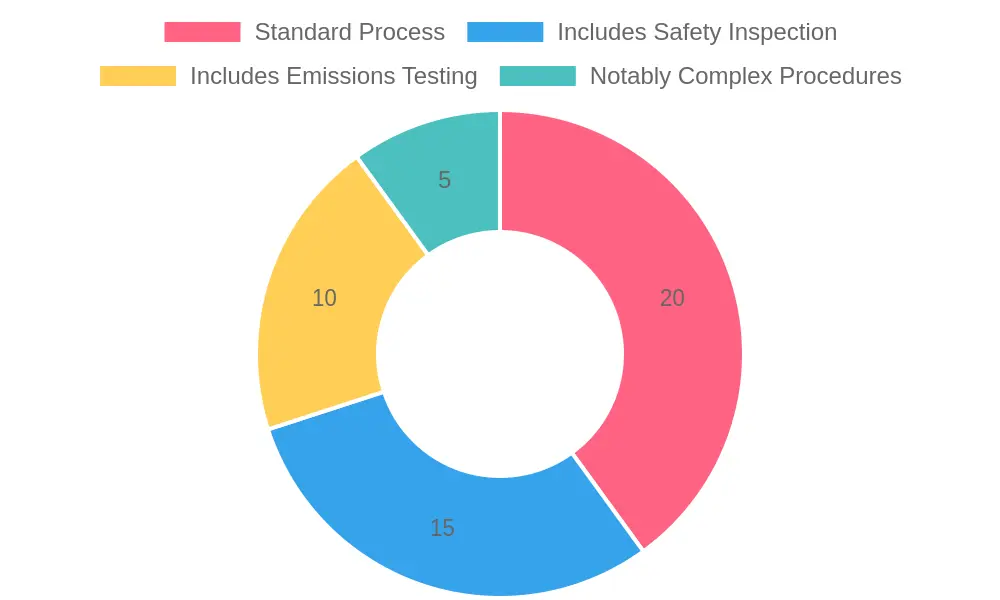
The following chart categorizes states based on the complexity and uniqueness of their vehicle registration and licensing processes:
| Category | Example States | Number of States |
|---|---|---|
| Standard Process | Florida, Colorado, Arizona | 20 |
| Includes Safety Inspection | Texas, Virginia, North Carolina | 15 |
| Includes Emissions Testing | California, New York, Michigan | 10 |
| Notably Complex Procedures | Pennsylvania, Massachusetts, New Jersey | 5 |
States like California and New York are known for having stringent emissions testing, while Texas has unique steps required for registration. Pennsylvania is often cited for complicated renewal processes, which exemplifies complexities that drivers may face.
For more insights on specific state rules and their impact on driver licensing, you may want to learn more about state-specific rules. Additionally, understanding unique state requirements can aid in smooth vehicle operation, so check the vehicle inspection requirements by state.
In conclusion, understanding the distinction between vehicle licensing and registration is paramount for all drivers and vehicle owners. Throughout this article, we have clarified how vehicle registration is primarily concerned with the vehicle itself, ensuring it meets legal safety standards and is properly recorded with the appropriate authorities. In contrast, vehicle licensing pertains to the driver’s qualifications-confirming that they possess the necessary skills and knowledge to operate a vehicle safely on public roads. Both licensing and registration are essential components that contribute to road safety and legal accountability, protecting both drivers and the public.
As you navigate your vehicle journey, it’s essential to stay informed about these differences to avoid potential legal issues and ensure compliance with local regulations. If you’re looking to enhance your vehicle experience, we invite you to explore Summit Fairings’ offerings, where you can find a variety of performance parts and accessories designed to upgrade and personalize your vehicle. Whether you are a novice driver or an experienced enthusiast, understanding and utilizing the correct licensing and registration processes will facilitate a smoother driving experience and foster safer roads for everyone.