
Common Misconceptions About Vehicle Registration Numbers and License Plates
-
Custom Plates Are Always Exclusive: Many people believe that custom registration plates are unique. However, in some regions, multiple vehicles can share similar custom plates if the combination is popular.
-
License Plates Cannot Be Transferred: Some assume that once a license plate is issued, it cannot be moved to another vehicle. In reality, many jurisdictions allow for the transfer of plates from one vehicle to another, often involving a fee.
-
Temporary Plates Are Not Legal: There is a misconception that temporary plates are not legally valid. However, temporary plates are legitimate and serve as a placeholder until the official registration is complete.
-
License Plates Are Only for Identification: Some users think registration plates are solely for vehicle identification. In fact, they also serve various legal purposes, including law enforcement tracking and toll collection.
-
All License Plates Are Identical Within a State: Many individuals assume that all license plates in a given state look the same. In truth, states often have multiple designs and options for license plates, which can include specialized themes, college affiliations, or environmental messages.
Understanding these misconceptions can help new drivers and vehicle owners ensure compliance with local regulations. For more about state rules impacting driver licensing, you can learn more here.
Difference Between Vehicle Registration Numbers and License Plates
Understanding the difference between a vehicle registration number and a license plate is essential for new drivers and vehicle owners. Though these terms are sometimes used interchangeably, they refer to distinct elements related to vehicle identification and regulation.
Vehicle Registration Number
A vehicle registration number is a unique identifier assigned to a vehicle when it is registered with the state’s Department of Motor Vehicles (DMV) or equivalent agency. This number is part of the vehicle’s official registration documents and is used primarily for administrative purposes. It establishes the vehicle’s legal record and links it to the owner. The registration number is often found on the vehicle registration certificate or card, which must be kept by the owner.
The registration process typically requires proof of ownership, payment of fees, and sometimes passing safety or emissions inspections depending on the state. Vehicle registration ensures that the vehicle is legally authorized to be on the road and that the state has a formal record of its ownership and characteristics.
License Plate
A license plate is a metal or plastic plate attached to the front and/or back of the vehicle that displays an alphanumeric code. This code is often but not always the same as the vehicle registration number. The license plate serves as a visible form of identification for law enforcement and other officials to quickly verify the vehicle’s registration status.
License plates must comply with state regulations, which include specifications about size, color, and design. Vehicle owners are required to display valid license plates, and these plates are renewed periodically in line with vehicle registration renewals. Some states offer special or vanity plates that allow vehicle owners to customize the characters on their plates.
Key Differences
- Purpose: The vehicle registration number is primarily an administrative identifier recorded in state databases, while the license plate is a physical identifier displayed on the vehicle.
- Format: The registration number appears on official documents; the license plate code is displayed on the vehicle itself.
- Relationship: License plates are issued based on the vehicle registration, but the visible plate code may not always exactly match the registration number.
Why It Matters
For new drivers and vehicle owners, knowing this distinction helps in understanding the legal requirements of vehicle ownership and operation. Always keep your vehicle registration documents safe and ensure your license plates are properly mounted and current.
For more information on how state-specific rules impact licensing and vehicle regulations, you can learn more about state rules impact on driver licensing and check vehicle inspection requirements by state.
Understanding these basics can help avoid fines and ensure compliance with vehicle laws, making your driving experience smoother and legally secure.
Comparison of Vehicle Registration and License Plate Requirements by State
In the United States, vehicle registration and license plate requirements can vary significantly from state to state. These differences may influence costs, design requirements, and renewal cycles for vehicle owners. Below is a comparative chart showcasing key aspects of vehicle registration in four states: California, Texas, New York, and Florida.
| State | Vehicle Registration Fee | License Plate Design Requirements | Renewal Cycle |
|---|---|---|---|
| California | Varies (based on value) | Plates must be legible and reflective; specific designs are allowed | Annually |
| Texas | $50.75 | Must be legible; no 3D or reflective surfaces; specific designs allowed | Annually |
| New York | $26.00 – $140.00 | Must be reflective and standard size; must register personalized plates | Annually (or bi-annually for some vehicles) |
| Florida | $14.50 – $32.50 | Standard size; must be reflective; customized designs allowed | Annually |
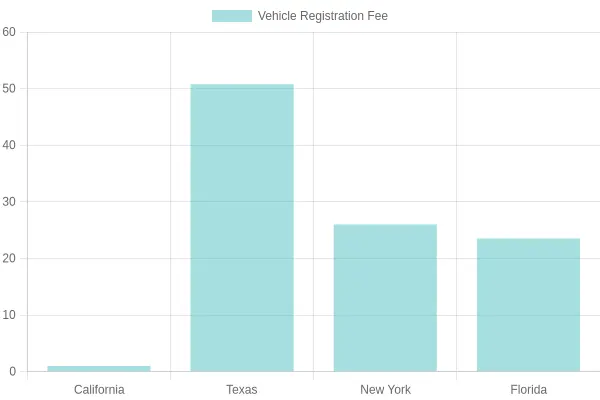
Analysis
From the chart, it is evident that:
- California has a variable fee based on the vehicle’s value, indicating a more personalized cost structure.
- Texas enforces specific design restrictions, which could affect customization.
- New York offers a wider range in fees and has the option for personalized plates, reflecting flexibility in registration processes.
- Florida’s lower registration fees make it an attractive option for vehicle owners.
To explore how state rules impact driver licensing more broadly, learn more about state regulations.
Vehicle registration is a crucial aspect of vehicle ownership, and it entails various legal responsibilities for both vehicle owners and dealerships. Understanding these responsibilities can help ensure compliance with local laws and avoid potential penalties.
Responsibilities of Vehicle Owners
-
Initial Registration: Upon acquiring a vehicle, owners must ensure that it is registered with the relevant Department of Motor Vehicles (DMV) within a specific timeframe. This often requires submitting proof of ownership, identification, and payment of registration fees.
-
Renewal Obligations: Vehicle registration is not a one-time task. Owners are required to periodically renew their registration, which involves verifying that their vehicle remains compliant with local regulations and that insurance is up to date.
-
Updating Information: If there are changes in ownership or if major alterations are made to the vehicle (e.g., modifications), owners must report these changes to the DMV. Failure to do so can lead to legal complications or fines.
-
Displaying Registration Tags: Owners are responsible for affixing the appropriate registration tags to their vehicles, which serve as proof of registration. Driving without valid tags can result in penalties.
Responsibilities of Dealerships
-
Initial Registration Process: Dealerships typically handle the initial registration of vehicles sold. They are responsible for submitting all necessary documents, such as the vehicle identification number (VIN) and tax information, to the DMV on behalf of the purchaser.
-
Issuing Temporary Registrations: Dealerships often provide temporary permits to buyers until the permanent registration is established. This allows customers to operate their vehicles legally while waiting for formal documentation.
-
Compliance with Local Laws: Dealerships must comply with state regulations regarding vehicle sales and registrations. This includes ensuring that vehicles are free of liens and properly documented, as any discrepancies can put both the dealership and buyers at risk.
-
Handling of Title Transfers: When a vehicle is sold, the dealership is responsible for managing the transfer of the title to the new owner, ensuring that all paperwork is completed accurately to prevent ownership disputes.
Conclusion
Both vehicle owners and dealerships have significant legal responsibilities concerning vehicle registration. Owners must keep their vehicles registered and compliant with local laws, while dealerships must facilitate the registration process during vehicle sales. Understanding these responsibilities not only promotes lawful practice but also protects against legal issues arising from improper registration.
For more detailed information regarding state-specific rules that may affect registration, you can learn more about state rules impacting driver licensing or check the vehicle inspection requirements in your area.
Benefits of Understanding Vehicle Registration Processes
Understanding vehicle registration processes is essential for both individual drivers and auto dealerships, providing numerous advantages that enhance the driving experience and streamline business operations. Here’s a detailed look at some of these benefits:
Legal Compliance
- Mandatory Requirement: Vehicle registration is a legal necessity in most jurisdictions. It ensures that vehicles are recognized by state authorities, preventing potential fines or legal issues for drivers who might otherwise operate an unregistered vehicle.
- Avoiding Complications: Knowledge of the registration process helps new drivers avoid complications, such as having to pay fines for late registration or driving without valid plates.
Ownership Clarity
- Resolve Ownership Disputes: A well-understood registration process establishes clear ownership, an essential element for both drivers and dealerships. This clarity is crucial during sales transactions, preventing complications should any disputes arise regarding vehicle ownership.
Insurance Needs
- Insurance Requirements: Most insurance companies require proof of vehicle registration before they can provide coverage. Understanding this process equips drivers to obtain necessary insurance, while dealerships often ensure registration is in place to accelerate sales and financing.
Enhanced Trade-In Values
- Improved Trade-In Options: For auto dealerships, a thorough knowledge of vehicle registration can translate into better trade-in values for customers. Dealerships can leverage well-documented registration histories to establish vehicle value during trade-in scenarios.
Safety and Accountability
- Ensure Safety Standards: Registration processes assist in ensuring that all vehicles meet local safety standards. For drivers, understanding these requirements is essential for maintaining vehicle safety and roadworthiness.
- Accountability for Infractions: Registration allows for tracking violations and accidents linked to specific vehicles, enhancing accountability on the road.
By grasping the intricacies of vehicle registration, drivers can enhance their safety and compliance with legal requirements, while auto dealerships can improve their operational efficiency and customer satisfaction. For more information on state rules impacting driver licensing, check out our guide on state rules and their impact on driver licensing. Understanding these processes not only promotes a safer driving environment but also fosters a trustworthy relationship between drivers and dealerships.
Importance of Vehicle Registration Numbers and License Plates
Overview
Vehicle registration numbers and license plates play a critical role in road safety, legal compliance, and public accountability. They serve as identifiers for vehicles, facilitating ownership tracking, law enforcement, and helping maintain traffic regulations.
Expert Insight
“Vehicle registration is crucial not merely for legal compliance, but also for enhancing road safety and accountability in the event of crimes or accidents.”
- [Legal Expert, (insert name if desired)]
Key Purposes
Here are the essential purposes of vehicle registration and license plates:
| Purpose | Description |
|---|---|
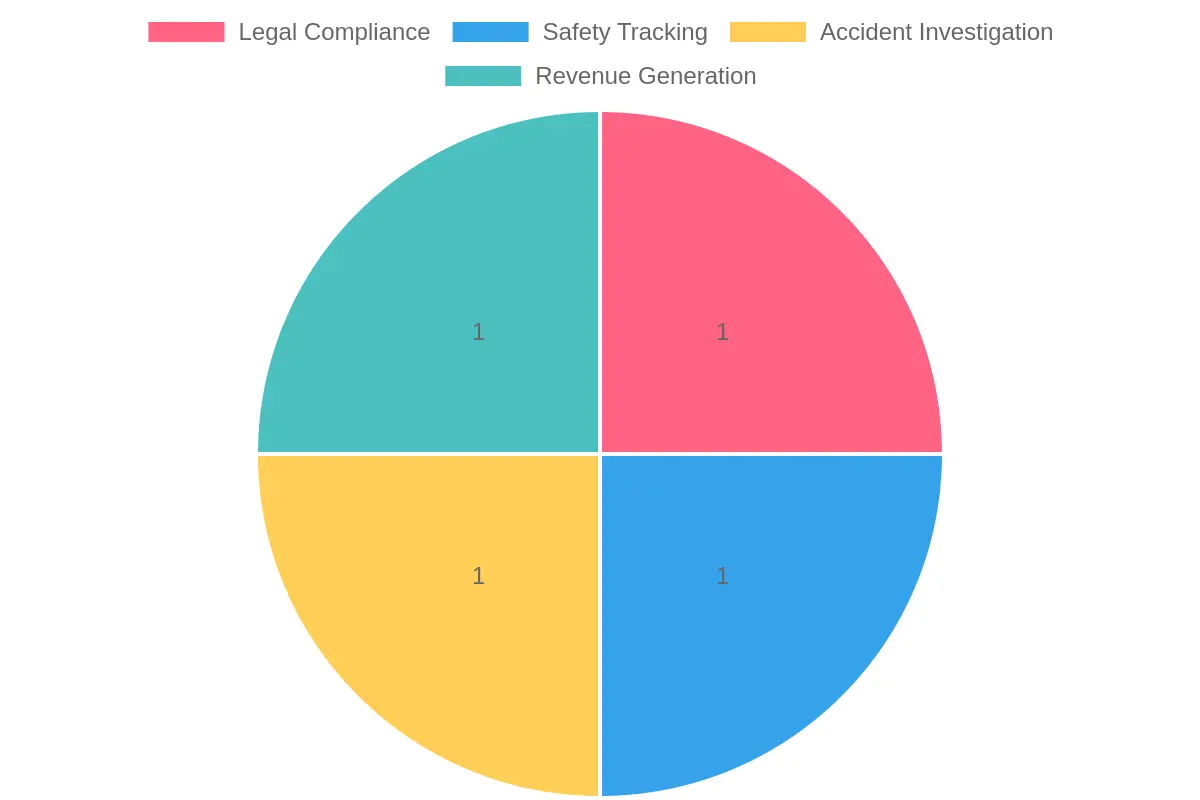
| Legal Compliance | Ensures adherence to laws and regulations |
| Safety Tracking | Monitors vehicle safety and compliance |
| Accident Investigation | Aids in determining causes of accidents |
| Revenue Generation | Generates funds through registration fees |
Sources
Data Visualization
Below you’ll find two charts that summarize the importance of vehicle registration:
-
Distribution of Purposes
-
Importance of Categories in Safety, Legal Issues, and Tracking
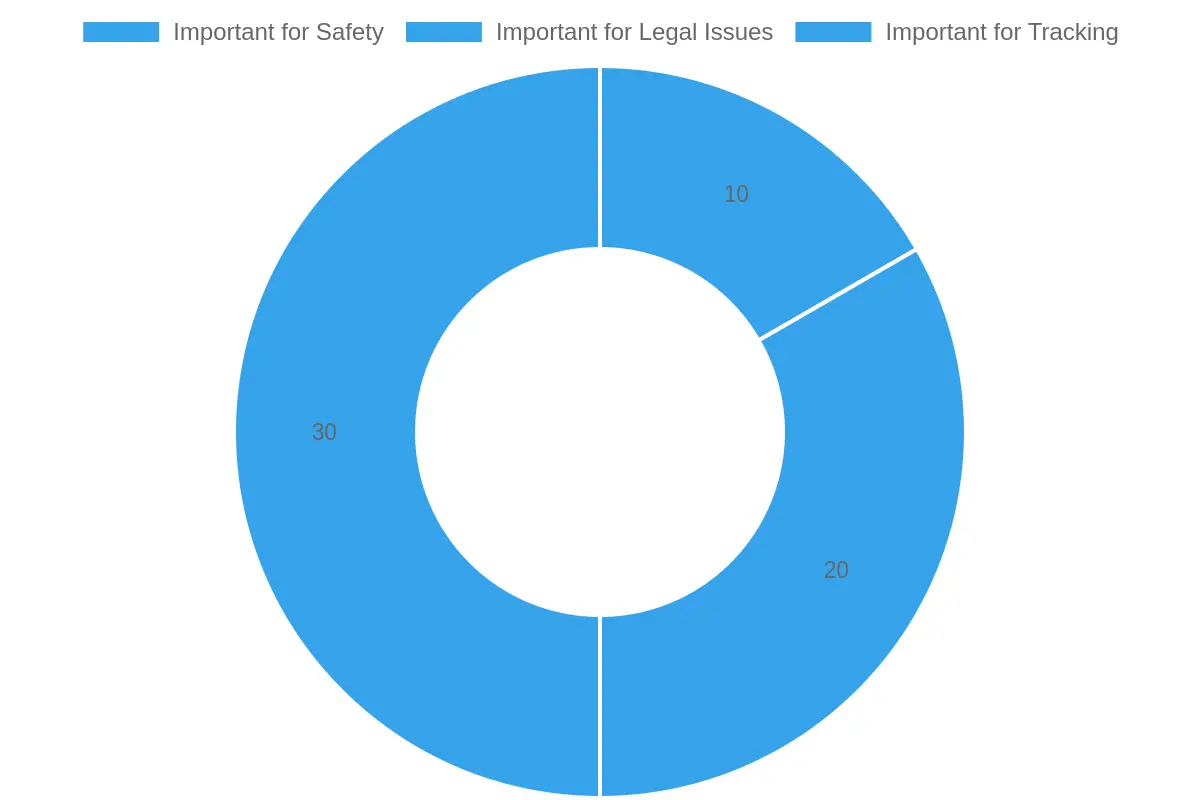
Each of these visualizations helps to further emphasize the necessity of efficient vehicle registration systems.
Conclusion
In summary, vehicle registration and license plates serve a multifaceted purpose in society, from legal compliance to safety and administrative functions. Understanding these roles can help new drivers, vehicle owners, and dealerships navigate the complexities of vehicle ownership more effectively.
For further details, you may explore state rules affecting driver licensing or delve into important legal misconceptions about driving.
FAQ Section: Vehicle Registration and License Plates
1. What is the difference between vehicle registration and license plates?
Answer: Vehicle registration refers to the process of officially documenting a vehicle with the relevant governmental authority, which includes providing specific details about the vehicle and typically entails a registration fee. This serves as proof of ownership and allows for the lawful use of the vehicle on public roads. Conversely, license plates are the physical tags (usually metal or plastic) that are affixed to the vehicle, displaying a unique identifier issued by the government. Their primary function is to identify the vehicle while it is on public roads and they are mandatory for all registered vehicles. For more details on registration processes, learn more about state rules impacting driver licensing.
2. How do I register my vehicle?
Answer: Registering a vehicle typically involves the following steps:
- Gather Required Documents: This often includes the vehicle title, proof of identity, and proof of insurance.
- Visit the Appropriate Office: Depending on your location, this may be a DMV or other local authority office.
- Complete the Application: Fill out the vehicle registration application form available at your local office or online.
- Pay Registration Fees: Be prepared to pay any applicable fees related to the registration process.
- Receive License Plates and Registration Certificate: Once completed, you will generally receive your license plates and a registration certificate. For vehicle inspection requirements relevant to registration, consider checking the information on US states’ vehicle inspection requirements.
3. Do I need to renew my vehicle registration?
Answer: Yes, vehicle registration typically must be renewed periodically. Renewal frequency varies by state, but it can range from annually to biennially. Upon renewal, you may need to show proof of insurance and may have to undergo an emissions test, depending on the region.
4. What happens if I don’t register my vehicle?
Answer: Failing to register your vehicle can result in various penalties including fines, impoundment of the vehicle, and potential legal consequences. Moreover, driving an unregistered vehicle may invalidate your insurance coverage.
5. Can I transfer my vehicle registration?
Answer: Yes, transferring vehicle registration is possible and often needed when buying or selling a vehicle. The process usually requires filling out a transfer form and submitting it along with your identification and payment of a transfer fee to the appropriate motor vehicle agency.
Conclusion
In conclusion, understanding vehicle registration numbers and license plates is crucial for all drivers, new or experienced. These identifiers serve not only to establish the legality of a vehicle on the road but also to act as the first layer of safety and accountability within the driving community. It’s important to stay informed about the regulations that govern your vehicle registration to ensure compliance and safety while on the road-learn more about related state rules.
At the intersection of vehicle identification and branding, Summit Fairings’ custom fairing solutions stand out. Custom fairings enhance the aesthetic appeal of vehicles and serve practical purposes like displaying logos and brand colors, making vehicles easily recognizable. They also provide essential protection against environmental elements, ensuring that identification features remain intact over time.
If you’re looking to elevate your vehicle’s identity while ensuring durability and functionality, consider exploring the offerings from Summit Fairings. Don’t miss out on the opportunity to stand out on the road-contact Summit Fairings today and take your vehicle to the next level!