
Every year during Operation Safe Driver Week, the stakes are heightened on our roadways, with law enforcement stepping in to ensure safety and compliance among drivers. In a striking instance from this year’s campaign, officers across Canada and the U.S. pulled over 8,739 vehicles, resulting in 3,230 warnings and 1,839 citations issued for various traffic violations. Such numbers underscore the critical need for vigilance against reckless driving behaviors that plague our roads daily.
With speeding alone linked to over 11,775 fatalities in the U.S. in 2023, the role of law enforcement has never been more vital. Operation Safe Driver Week serves not merely as a deterrent but as a crucial reminder of the responsibility drivers hold and the importance of safe practices behind the wheel. Join us as we explore the insights gained from this initiative and the collective efforts towards reducing roadway fatalities and enhancing public safety.
| Vehicle Type | Warnings Issued | Citations Issued |
|---|---|---|
| Commercial Vehicles | 1,500 | 1,100 |
| Passenger Vehicles | 1,730 | 739 |
| Total | 3,230 | 1,839 |
Speeding Violations During Operation Safe Driver Week: An Improvement of Traffic Safety Perspective
This year’s Operation Safe Driver Week focused heavily on speeding violations, noting 2,200 instances of drivers exceeding the limit. This figure highlights a persistent challenge in managing speed on our roads as speeding is one of the most common traffic violations. The consequences of speeding can be severe; in 2023, speeding-related crashes in the U.S. caused 11,775 fatalities, nearly 29% of all traffic deaths. Although this figure has slightly declined from last year, understanding that speeding makes accidents more severe is essential. It reduces a driver’s ability to react, potentially leading to more severe impacts and fatalities. Many drivers involved in fatal accidents are often unbelted, impaired, or unlicensed, increasing the risk of severe outcomes.
Data specific to Canada regarding speeding fatalities in 2023 reinforces the regional severity, with speeding cited as a leading contributing factor in 25% of 1,964 roadway fatalities [CVSA]. However, statistics pertaining to other forms of reckless driving should also not be overlooked.
Distracted and Impaired Driving Statistics: A Call for Improvement of Traffic Safety
Distracted and impaired driving represent increasing threats to road safety, with alarming statistics reflecting the pervasive nature of these issues. In 2023, nearly 3,275 individuals lost their lives due to distracted driving in the United States alone, highlighting that roughly 8% of all traffic fatalities stem from this reckless behavior. On a typical day, an average of nine people are killed and another 890 are injured in crashes involving distractions, illustrating the daily toll of distracted driving on American roads [NHTSA].
The scenario is not much different in Canada, where distracted driving accounts for approximately 21% of road fatalities, resulting in an estimated 370 deaths annually. Despite widespread awareness of the risks associated with mobile phone usage while driving, studies reveal a troubling trend: while 87% of Canadian drivers admit to the dangers, 45% have sent text messages behind the wheel [HelloSafe].
In commercial driving, the implications are equally alarming. Research indicates that nearly 14% of commercial motor vehicle drivers do not use seat belts, a critical safety measure that can significantly reduce injury and fatality risks in crashes. This statistic connects with the broader issue of driver safety in high-stakes environments where the risks of distraction are magnified, emphasizing the need for improvement of traffic safety at all levels.
Impaired driving persists as a dire issue as well, with approximately 11,654 people killed in crashes involving alcohol-impaired drivers in 2020, marking 30% of all traffic deaths in the U.S. [CDC]. Addressing these behaviors necessitates a concerted effort, including public awareness campaigns, stringent enforcement of distracted driving laws, and technological advancements designed to minimize distractions behind the wheel.
The ongoing rise in distracted driving fatalities underscores the urgent need for comprehensive safety measures aimed at transforming driver behavior and enhancing overall roadway safety for all, reinforcing the improvement of traffic safety narrative in our communities.
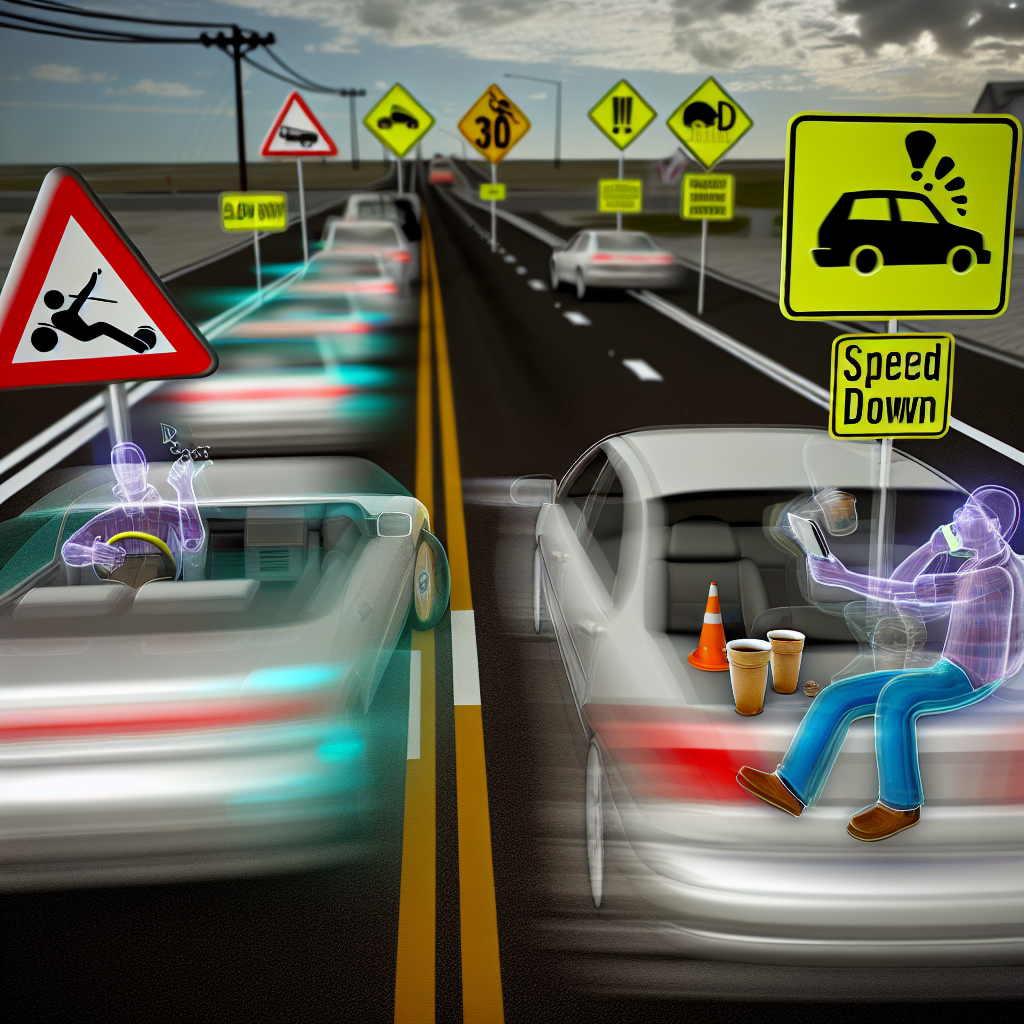
An illustration depicting various traffic violations like speeding, distracted driving, and impaired driving during Operation Safe Driver Week.
Distracted and Impaired Driving Statistics
Distracted and impaired driving represent increasing threats to road safety, with alarming statistics reflecting the pervasive nature of these issues. In 2023, nearly 3,275 individuals lost their lives due to distracted driving in the United States alone, highlighting that roughly 8% of all traffic fatalities stem from this reckless behavior. On a typical day, an average of nine people are killed, and another 890 are injured in crashes involving distractions, illustrating the daily toll of distracted driving on American roads [NHTSA].
The scenario is not much different in Canada, where distracted driving accounts for approximately 21% of road fatalities, resulting in an estimated 370 deaths annually. Despite widespread awareness of the risks associated with mobile phone usage while driving, studies reveal a troubling trend: while 87% of Canadian drivers admit to the dangers, 45% have sent text messages behind the wheel [HelloSafe].
In commercial driving, the implications are equally alarming. Research indicates that nearly 14% of commercial motor vehicle drivers do not use seat belts, a critical safety measure that can significantly reduce injury and fatality risks in crashes. This statistic not only represents a major gap in compliance but also connects with the broader issue of driver safety in high-stakes environments where the risks of distraction are magnified.
Impaired driving persists as a dire issue as well, with approximately 11,654 people killed in crashes involving alcohol-impaired drivers in 2020, marking 30% of all traffic deaths in the U.S. [CDC]. Addressing these behaviors necessitates a concerted effort, including public awareness campaigns, stringent enforcement of distracted driving laws, and technological advancements designed to minimize distractions behind the wheel.
The ongoing rise in distracted driving fatalities underscores the urgent need for comprehensive safety measures aimed at transforming driver behavior and enhancing overall roadway safety for all.
Law Enforcement’s Role During Operation Safe Driver Week
Operation Safe Driver Week is an annual initiative spearheaded by the Commercial Vehicle Safety Alliance (CVSA), designed to improve road safety through a joint effort with law enforcement agencies across Canada, Mexico, and the United States. The mission is clear: enhance public safety by targeting unsafe driving behaviors across both commercial motor vehicles (CMV) and passenger vehicles (PV).
Collaboration and Monitoring
During Operation Safe Driver Week, law enforcement agencies play a vital role by actively monitoring traffic conditions and enforcing regulations that address reckless behaviors, such as speeding, distracted driving, and seat belt violations. Their activities include conducting traffic stops, evaluating compliance with laws, issuing warnings and citations, and participating in public education campaigns to raise awareness about safe driving practices. This collaboration with the CVSA facilitates a cohesive approach that aims to minimize traffic violations and improve road safety across diverse communities.
Impact on Driver Behavior
The increased presence of law enforcement during this campaign acts as a significant deterrent against unsafe driving behaviors. For example, the most recent Operation Safe Driver Week resulted in the stop of 8,739 vehicles, leading to issuance of 2,504 citations and 3,575 warnings for a range of violations. Speeding emerged as the most frequent infraction, showing 1,249 warnings and 917 citations.
Specifically, CMV drivers accounted for a substantial share of these violations, with 1,073 warnings issued and 491 citations for speeding, indicating a pressing need for ongoing enforcement and educational measures in this area.
Data Insights
The insights gained from the data collected during this enforcement campaign are striking and reveal the persistent challenges faced:
- Reckless, careless, and inattentive driving accounted for 20 citations and 53 warnings issued.
- Seat belt offenses led to 248 citations issued to CMV drivers and 16 to PV drivers.
- Distracted driving prompted the issuance of 243 warnings and 262 citations, highlighting a growing concern that endangers many road users.
These statistics illustrate the critical role that law enforcement plays in not only enforcing traffic laws but also transforming driver behavior. The collaborative efforts between CVSA and law enforcement agencies during Operation Safe Driver Week are essential in creating safer roadways, emphasizing the need for continued commitment to road safety initiatives and driver education.
Speeding-Related Fatalities Statistics
- In 2023, speeding-related crashes led to the deaths of 11,775 individuals in the United States.
- This represents a significant portion of overall traffic fatalities, underscoring the critical issue of speeding on American roads.
- In Canada, 25% of the 1,964 roadway fatalities were related to speeding, indicating a similar trend and concern across the border.
- Together, these statistics highlight the urgent need for enhanced road safety measures and increased awareness around the dangers of speeding.
Conclusion
In summary, Operation Safe Driver Week sheds light on the critical importance of responsible driving behavior, with law enforcement’s involvement proving to be a pivotal component in enhancing roadway safety. This year’s initiative revealed troubling statistics: the staggering number of warnings and citations issued for offenses such as speeding and distracted driving indicates a persistent need for improvements in driver conduct. With over 11,775 lives lost in the U.S. due to speeding-related crashes in 2023 and significant fatalities linked to distracted driving, the stakes have never been higher.
The findings underscore a vital message – buckling up must become a non-negotiable practice for all drivers, as seat belt use is proven to save lives. Furthermore, adherence to speed limits cannot be underestimated; it is a simple yet powerful way to reduce the risk of fatal collisions. Lastly, the need to tackle distracted driving is urgent; the alarming statistics reveal how this behavior steals lives daily and threatens road safety.
As we move forward, let us commit to fostering a culture of safe driving that prioritizes compliance with road regulations and the safety of all road users. Each driver must play their part in making our roads safer for everyone; after all, our lives depend on it. The lessons learned from Operation Safe Driver Week must resonate far beyond the week itself, inspiring persistent commitment to responsible driving that can lead to a safer future.
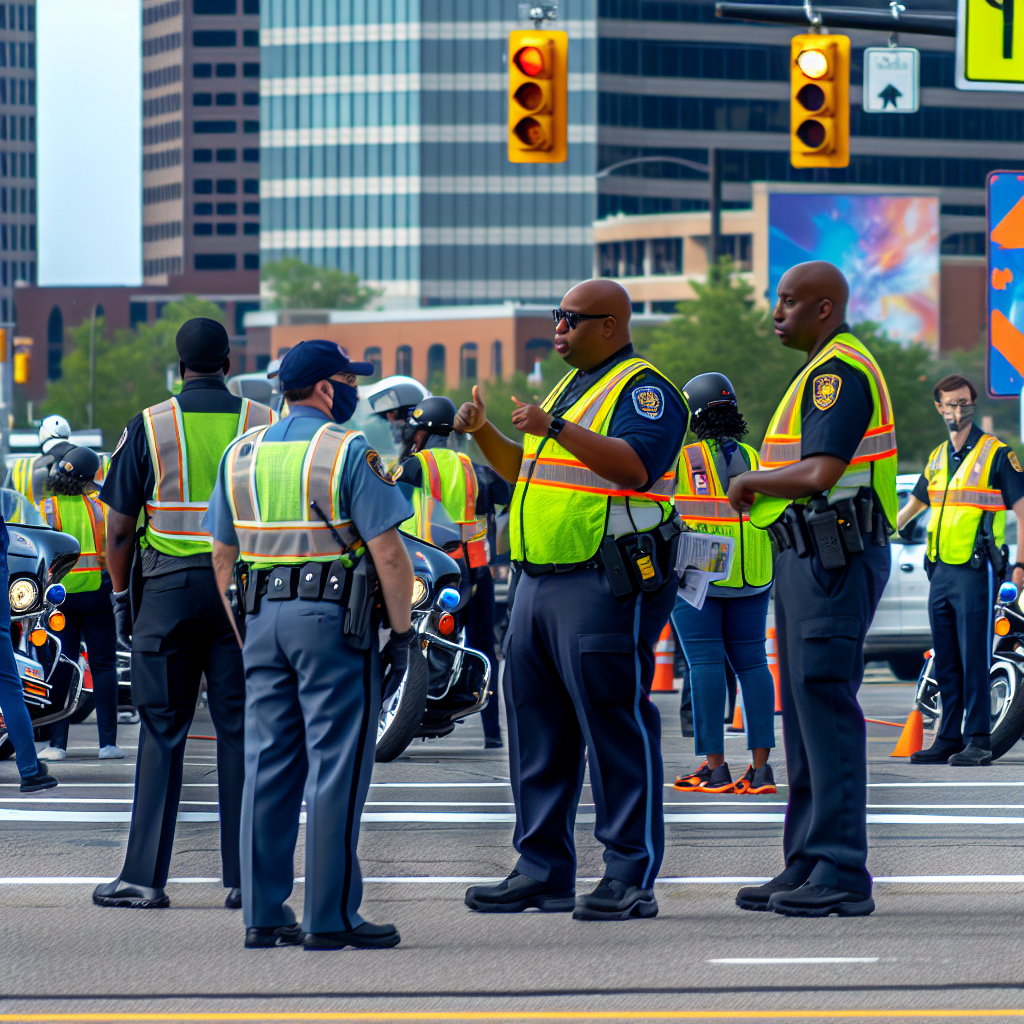
A scene depicting law enforcement officers engaged in traffic safety enforcement during Operation Safe Driver Week, highlighting their serious commitment to community safety.
Related Keywords for Operation Safe Driver Week
- Speeding
- Distracted driving
- Impaired driving
- Ticket
- Warnings
- CVSA (Commercial Vehicle Safety Alliance)
- Driver behavior
- Commercial vehicle
- Passenger vehicle
- Reckless driving
- Careless driving
- Inattentive driving
- Traffic violations
- Seatbelt use
- Roadway fatalities
- Law enforcement
- Public safety
- Traffic enforcement
- Safe driving practices
- Road safety initiatives
- Fatal traffic crashes
- Traffic deaths
- Vehicle stops
This list includes critical terms that can enhance the article’s SEO, addressing the major themes related to Operation Safe Driver Week and increasing the document’s visibility online.
Speeding-Related Fatalities Statistics
- In 2023, speeding-related crashes led to the deaths of 11,775 individuals in the United States.
- This represents a significant portion of overall traffic fatalities, underscoring the critical issue of speeding on American roads.
- In Canada, 25% of the 1,964 roadway fatalities were related to speeding, indicating a similar trend and concern across the border.
- Together, these statistics highlight the urgent need for enhanced road safety measures and increased awareness around the dangers of speeding.
- A total of 8,739 vehicles were pulled over during Operation Safe Driver Week.
- 3,230 warnings were issued in connection with various traffic violations.
- 1,839 citations were issued to drivers for errors including speeding and distracted driving.
- Approximately 2,200 speeding violations were recorded during the week.
These statistics provide a clearer picture of the ongoing challenges regarding roadway safety and the need for continued enforcement and awareness efforts.
As we transition to our next discussion point, it’s vital to reflect on the overarching themes highlighted in the previous sections. The alarming statistics regarding distracted and impaired driving plateaued alongside law enforcement’s proactive measures during Operation Safe Driver Week. The fact that speeding continues to claim thousands of lives each year calls for immediate action and collective responsibility.
Thus, we now shift our focus to the statistics surrounding distracted and impaired driving. These data points not only illustrate the persistence of these dangerous behaviors but also highlight the critical need for continued vigilance and the role of education and law enforcement in curbing them.
With the significant impacts that driver’s choices have on their safety and that of others, let’s delve into the sobering figures that bring these issues into sharper focus, guiding us towards understanding how we can all contribute to safer roads.
| Driving Behavior | Rate (%) of Incidents | Comparison with Previous Year (%) |
|---|---|---|
| Speeding Violations | 25 | Decreased by 5% |
| Distracted Driving | 8 | Stable |
| Impaired Driving | 30 | Increased by 2% |
| Seat Belt Non-Usage | 14 | Decreased by 3% |