
Driving is a vital part of modern life, and keeping your driver’s license valid is crucial for legal, safety, and insurance reasons. Many people face the question of whether they can legally operate a vehicle with an expired license. This article explores the legal implications of driving with an expired license, the restoration process after expiration, age-related restrictions on driving status, and regional variations in laws. Each chapter provides detailed insight that collectively builds a comprehensive understanding of this important topic for new and existing drivers, vehicle owners, and auto dealers.
Expired but Not Exonerated: The Legal Fallout and Reinstatement Path for Drivers in China
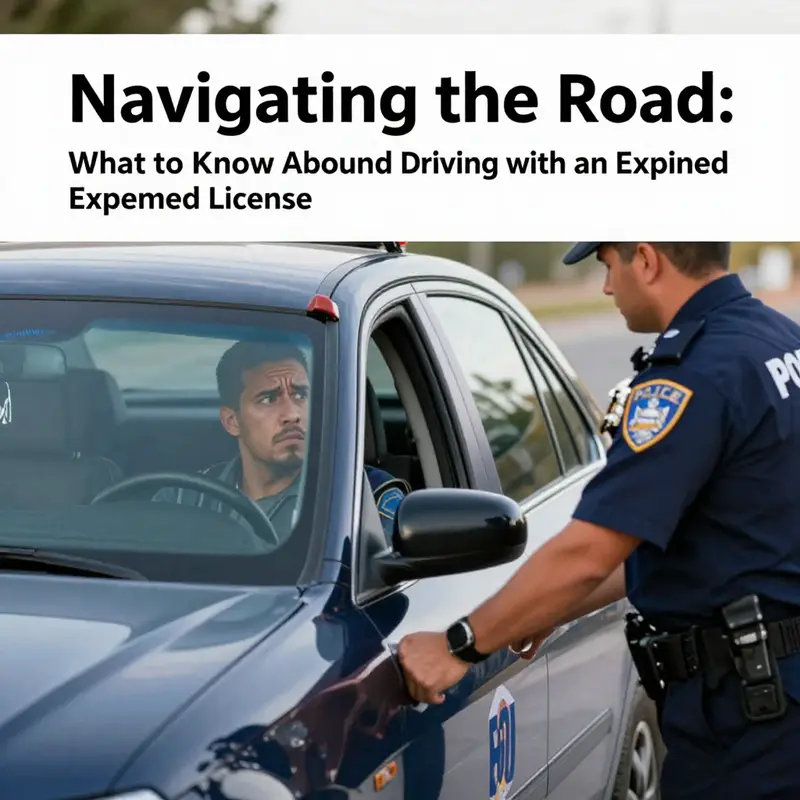
When a driver’s license slips past its validity date, the road feels the same, but the law does not treat the act as a mere administrative lapse. In China, an expired license is treated as a no-valid-license situation, and operating a motor vehicle under that condition falls squarely into the realm of illegal driving. This is not a punitive abstraction but a practical response designed to safeguard road safety, given that a driver who cannot demonstrate current knowledge of the rules or current competence to operate a vehicle poses real risk. The Road Traffic Safety Law of the People’s Republic of China codifies this in Article 99, which makes clear that driving a vehicle without a valid license—whether the license has expired, been revoked, or is temporarily suspended—will attract penalties. The implications are immediate on the road, but they ripple through finances, insurance, and personal liability in ways that many drivers do not anticipate until they face them firsthand. The law’s intent is straightforward: if you are driving, you should be able to prove your authorization to drive, your understanding of the rules, and your capacity to respond to changing conditions on the road. An expired license means those assurances are no longer in place, and the penalties reflect that risk assessment.
The first layer of consequences is the administrative and financial penalties. A driver found operating a vehicle with an expired license faces an administrative fine, typically ranging from 200 yuan to 2,000 yuan. The exact amount can depend on local enforcement policies and the specifics of the case, but the range is deliberately wide enough to deter casual lapses and to signal that this is not a trivial matter. In some circumstances, the fine may be accompanied by administrative detention of up to 15 days in addition to the monetary penalty. The detention is intended to remove the defendant from the street and provide authorities with time to determine the appropriate next steps, including whether penalties should be escalated or if remedial actions suffice to restore lawful driving status. In parallel to the fine and possible detention, the officer may seize the vehicle in question during enforcement. Vehicle seizure reinforces the message that driving with an expired license is not just disfavored—it is prohibited and subject to enforcement measures that deny access to the road until compliance is restored.
Beyond these immediate sanctions lie more serious potential consequences, particularly if an accident occurs while a license is expired. In a crash, the driver’s liability intensifies, and criminal exposure can arise under the laws governing traffic accidents. If the incident results in serious injury, death, or significant property damage, criminal charges could be pursued under the relevant provisions for causing a traffic accident. This is not a hypothetical risk: the framework makes it clear that the absence of a valid license can convert what might otherwise be treated as civil fault into criminal accountability when negligence or harm is involved. The prospect of criminal liability adds a heavy weight to the decision to drive with an expired license, because the consequences extend far beyond fines and temporary detention to potential prosecution and long-term repercussions on one’s record and future driving rights.
Insurance is another critical front in this landscape. In the event of an accident while driving with an expired license, insurance companies are legally entitled to refuse compensation. That denial shifts the burden of paying for damages, medical costs, and vehicle repairs squarely onto the driver rather than onto the insurer. The financial exposure can be substantial, particularly in high-claim scenarios or cases with severe injuries or extensive property damage. Insurance denial does not simply vanish with the lapse; it creates a liability gap that the driver may be obligated to fill out of pocket, potentially compounding the penalties and creating long-term financial hardship. The consequence is not only a one-off outlay but also a potential impact on future premiums and eligibility for coverage should the situation ever be revisited in the context of a renewed driving record.
A broader, and sometimes overlooked, dimension concerns the responsibility of vehicle owners when someone else drives their car with an expired license. If the driver is a minor or lacks civil capacity, the vehicle’s owner can bear the civil and criminal consequences for allowing that person to drive. This means the owner’s exposure is not merely a question of insurance coverage or liability in a civil sense; it can reach into criminal liability if the circumstances show willful neglect or complicity in permitting illegal operation. In practical terms, this means that the act of handing over the keys to someone with an expired license is not a neutral choice; it is a direct risk to the owner’s legal standing and financial security.
Several clarifications help delineate how this area of law operates in daily life. Importantly, an expired license is treated as no valid license. The failure to renew before expiration renders the license invalid for all practical purposes, so the same penalties apply as if the driver had never held a license. The legal framework treats the lapse as a loss of driving rights at the moment of expiration, not as a deferred privilege that remains intact in the background. This is not merely a formal distinction; it determines the liability and penalties that follow any traffic enforcement action.
The scope of penalties extends to those who enable or facilitate unlawful driving. If someone allows another person with an expired license to drive their vehicle, the owner may be subject to penalties analogous to those faced by the driver itself. The logic here is straightforward: the road safety risk is a shared responsibility, and those who enable such risk bear accountability commensurate with the potential consequences.
Given the seriousness of these consequences, many drivers wonder about the possibility of reinstatement after a license has expired and then been canceled. The guidelines acknowledge a two-stage reality: riding the edge of cancellation and the period during which restoration remains possible. If a license has been canceled due to expiration, the window for restoration exists if the cancellation occurred within a two-year period. In practice, this means that after expiration that stretches beyond a single year but stays within two years, the driver can pursue reinstatement by satisfying the required traffic safety laws and regulations exam. The important caveat is that during the interim, the license remains canceled and the driver may not operate any motor vehicle. This restriction underscores the principle that restoration of driving rights requires proof of competence and knowledge, not just a paperwork fix.
The reinstatement process itself is procedural, and it centers on the vehicle management office. The applicant must apply for reinstatement at the office that issued the license or at another office, depending on local policies. The path to regaining driving rights involves passing the necessary test on traffic safety laws and regulations, which assesses whether the applicant possesses current understanding of the rules of the road and the safety practices expected of a licensed driver. This test stands as a gatekeeper: it ensures that the person seeking to drive again is prepared to meet the standards of responsible operation expected by the state and by fellow road users.
Age can also shape the landscape of driving rights in China. The framework notes that once a person reaches certain age thresholds, driving privileges may be automatically revoked in light of age-related limitations. While the exact ages can vary by jurisdiction and specific license class, the general principle is that older drivers may face restrictions or revocation as part of public safety measures. This context matters because it intersects with expiration and reinstatement rules. A driver who has aged into a restricted category may find that reinstatement is not simply a matter of passing a test again; the act of rejoining the driving population may be governed by additional criteria tied to age, health, and functional capacity.
All of these provisions and interpretations are part of a broader regulatory architecture designed to keep licensing current, driving competence current, and the roads safe for everyone. The official interpretation and current regulations are published and updated by the Ministry of Public Security and its Traffic Management Bureau. While the details can vary in practice from one locality to another, the core logic remains clear: a license is a credential that attests to both knowledge and capability, and when it lapses, the road rules respond with a structured set of penalties and restoration pathways aimed at protecting the public. For those navigating the system, the practical takeaway is simple and sobering: do not rely on a lapse as a loophole. Renewal should be a priority, and if a lapse occurs, act quickly to understand your options for reinstatement and any restrictions that apply during the process.
To place this in the wider context of licensing rules, it is helpful to consult a broader discussion of how state rules impact driver licensing. For a concise overview of how licensing status can shape driving eligibility and enforcement, see the discussion on state rules and their impact on driver licensing. This resource helps highlight that licensing is a dynamic status, not a fixed credential, and that updates to laws, tests, and eligibility criteria can affect when and how a license can be renewed or reinstated. state rules impact on driver licensing.
For readers seeking authoritative, up-to-date information directly from the authorities, the official portal remains the backbone of regulatory details. The Ministry of Public Security’s Traffic Management Bureau and related regulatory bodies publish current rules, procedures, and contact information needed to assess one’s license status, schedule tests, or initiate reinstatement. The precise steps, fees, and test content can vary by locality, so checking the local vehicle management office or the national portal is essential for accuracy. In any case, the core principle endures: driving with an expired license is a serious legal matter with clearly defined penalties and a defined pathway to regain driving rights once compliance is restored and tests are satisfied. This is not about punishment for its own sake; it is about ensuring that every driver on the road has an up-to-date license, current knowledge of the rules, and demonstrated competence to operate a vehicle safely.
As a practical note for those who may be in the midst of an expiration period or who have recently renewed, remember that the clock on expiration does not simply stop. If you had a lapse long enough to trigger cancellation, you must follow the reinstatement process precisely as described. Even during a two-year window of potential restoration, you should refrain from driving until you have received official confirmation that your license has been reinstated and you hold a valid license again. The risk of repeating penalties, including the possibility of criminal liability in the event of an accident, makes this a decision with real consequences. The legal system emphasizes a disciplined approach: respect the renewal deadlines, understand the restrictions during transition periods, and pursue reinstatement through the proper channels with due diligence. In other words, the law rewards preparedness and compliance, while it holds to account those who press forward on the road without the requisite legal authorization.
In sum, expired licenses in China are not mere administrative inconveniences. They trigger enforceable penalties, expose drivers to criminal risk in cases of harm, expose owners to liability for allowing unlawful operation, and create a concrete pathway toward reinstatement that is carefully regulated. The overarching aim is to keep roads safe by ensuring that anyone behind the wheel is thoroughly vetted, legally authorized, and prepared to meet the responsibilities that come with motor vehicle operation. This is the larger frame within which the specific penalties operate, and it serves as a cautionary reminder to drivers and owners alike: the expiration date on a license is more than a calendar mark; it is a live status that can change the legal and financial landscape of driving in profound ways. The road to reinstatement exists, but it requires adherence to the rules, the patience to endure the necessary testing, and a clear-eyed commitment to safety over convenience.
External resource: https://www.mps.gov.cn
How to Restore Driving Rights After an Expired License: Steps, Tests, and Practical Advice
When a driver’s license expires, the path back to legal driving depends on how long it has lapsed. Knowing the restoration rules helps you avoid penalties, prevents unsafe assumptions, and speeds up the process of regaining legal driving privileges. This chapter explains the restoration process in detail, clarifies what each expiration window means, and offers practical guidance for navigating tests, paperwork, and timelines.
If your license expired less than one year ago, the situation is straightforward but clear-cut. You must complete the standard renewal procedure before driving again. While renewal is generally a routine administrative step, you are not legally permitted to drive until the renewal is processed and a valid license is in your possession. The steps typically include presenting your current identity documents, medical fitness certification when required, and proof of address if applicable. Expect to pay a renewal fee and, in some jurisdictions, complete a vision test. Prepare to visit the vehicle management office that issued your license or an authorized issuing office to submit the application. This short window is designed to be remedied without re-examination, though you should plan for processing times. Do not assume an online renewal completes your legal requirement until you receive formal confirmation or a renewed license card.
When a license has been expired for more than one year but less than three years, the rules change materially. At this point, many systems treat the license as canceled. Restoration is possible, but it is contingent on passing the Subject 1 test. This exam, sometimes called the Knowledge Test or Road Safety Test, focuses on traffic laws, regulations, and basic safety knowledge. The requirement reflects the regulatory view that a significant lapse requires verified understanding of current rules. The Subject 1 test typically covers road signs, right-of-way rules, speed limits, and administrative regulations. Study materials vary by jurisdiction but usually include the official traffic law manual and sample questions. You can find practice tests online, but always use the latest official guide to prepare.
To restore a license in this window, apply at the vehicle management office. Bring your canceled license or identification documents, recent photos if required, and any medical certificates. Some offices require a formal restoration application form. After passing Subject 1, you will usually receive a provisional administrative record that allows the issuing authority to reinstate your driving rights and issue a renewed license. Note: you are not allowed to drive until the license is formally restored. If you drive during this period, you risk fines, administrative detention, and further complications with reinstatement.
If a license has been expired for more than three years, the system treats the license as permanently canceled. Restoration is not possible through a simple reinstatement procedure. Instead, you must reapply as if you were a new applicant. This means obtaining a learner’s license and completing all required examinations. The full sequence often includes the Subject 1 theory test and the Subject 3 practical driving skills test. In some jurisdictions, if you previously passed Subject 1 within a certain timeframe, you might not need to repeat that particular exam. Rules vary, so check local regulations before assuming past test results will be recognized. The reapplication process generally requires medical clearance, identity verification, payment of registration fees, and an enrollment in a driving school or approved training program if required.
Across every expiration scenario, you must apply for reinstatement at a vehicle management office. You may be allowed to apply where the license was issued or at another authorized office. If your license was canceled due to expiration, and the cancellation is less than two years old, some jurisdictions permit restoration after you pass the necessary test. Always confirm which office handles your case and whether online pre-registration is available. Modern systems often let you book test dates, submit preliminary documents, and pay fees online. However, final steps frequently require an in-person visit.
Medical fitness plays a central role in restoration in many places. Visual acuity, color perception, and certain chronic conditions can affect eligibility. If you have health issues or take medications that may influence safe driving, seek a medical evaluation and a certificate from a licensed clinician. Bring this certificate with your application. Some jurisdictions also require periodic health checks for older drivers. If you are approaching an age threshold that triggers review, be prepared for additional requirements or restrictions.
Age-related limits deserve special attention. Different jurisdictions set upper age limits or require more frequent renewals for older drivers. For example, certain systems automatically revoke driving privileges past specific ages. If you reach or exceed age limits while your license is expired, your license may be subject to different rules than if you had been younger. Always verify the age-related policies that apply to you. If the law limits your eligibility due to age, restoration might involve a fitness-for-driving assessment in addition to standard tests.
Driving with an expired license carries real risks beyond the immediate legal penalties. Insurance coverage is often void if you are involved in an accident while driving without a valid license. That can expose you to significant financial liability for damages and medical costs. Police enforcement can include fines, temporary vehicle impoundment, and, in some cases, detention. A canceled or expired license complicates legal defenses and can lengthen the time to requalification. The safest course is to avoid driving until your license is valid again.
Preparing for the Subject 1 exam requires both time and strategy. Use the official traffic manual and sample question banks to study. Focus on frequently tested topics: traffic signs, penalties, emergency-response rules, and scenario-based questions about right-of-way. Take timed practice tests to build comfort with test format and time constraints. If you failed Subject 1 previously, analyze your weak areas and revisit those topics. Many test centers publish lists of common errors that help prioritize study efforts.
When retaking practical exams after a long lapse, consider refresher lessons. Driving skills can degrade without practice. Enroll in a short course or take several supervised driving sessions with a qualified instructor. Practicing maneuvers like lane changes, parking, and emergency braking builds confidence and improves your chances of passing Subject 3 or equivalent practical tests. Familiarize yourself with any vehicle-specific requirements, such as the need for a dual-control training car during the exam.
Administrative details matter. Keep copies of all submitted documents and receipts. Note deadlines for submitting restoration forms and dates for scheduled exams. If you must retake tests, book the earliest possible slot to minimize the time without a valid license. Some jurisdictions allow priority scheduling for essential workers; check if you qualify. Fees for restoration, testing, and reissuance vary—budget for the full set of costs, including possible training fees.
If you have questions about local requirements, consult the official transport authority for the most reliable information. For example, official guidance on renewal and restoration procedures is available from the Transport Department. If you need background on how state rules affect licensing broadly, see this discussion of state rules impact on driver licensing for context and differences across jurisdictions.
Careful planning reduces the hassle of restoring driving rights. Start the process early when you anticipate expiration. Keep your medical records current and maintain a record of your testing history. If your license has already lapsed, determine the exact length of expiration first. That single fact dictates whether you can renew, must pass a knowledge test, or need to reapply entirely. Acting quickly reduces legal risk and helps you get back on the road legally and safely.
External reference: For official and current procedural details, consult the Transport Department’s guidance on renewal and restoration: https://www.td.gov.hk/en/transportservices/drivinglicence/renewaloffulldrivinglicence.htm
When Age and Expiration Collide: How Age Limits Shape Driving Rights after a License Expires
Age limits and license expiration interact in ways that matter for anyone asking, “can I drive a vehicle with an expired license?” The short answer is no: you cannot legally operate a motor vehicle with an expired license. But the fuller story matters more when age-based restrictions and administrative rules determine whether you can renew, restore, or even reapply for driving privileges. This chapter explains how age ceilings and renewal windows affect drivers whose licenses have lapsed, and what practical steps people in different age groups must take to regain or retain lawful driving status.
Authorities treat expiration and age as separate but linked conditions. A license that reaches its expiry date no longer authorizes driving. In many jurisdictions, simple renewal within the allowed window restores privileges after payment of fees and any required checks. However, when a license has been expired long enough to trigger cancellation, or when the driver has reached certain statutory age thresholds, additional requirements apply. Those requirements can include medical examinations, written tests, and outright ineligibility for particular vehicle classes. The result is that an older driver with an expired license may face limits that a younger person would not.
Consider the administrative consequence of prolonged nonrenewal. In some systems, a license that has been expired for more than one year can be cancelled rather than treated as merely “expired.” Cancellation often means the individual must undergo reinstatement procedures before driving again. Reinstatement may require passing the traffic safety laws and regulations exam, completing vision and health checks, and applying at the vehicle management office where the license was issued or at an authorized location. Until these steps are completed and the license is restored, driving remains unlawful.
Age brings two different kinds of constraints. First, there are outright prohibitions on operating certain vehicle types past specified ages. Second, there are age limits that restrict who may apply for certain license categories in the first place. For example, some regulations bar drivers aged 63 and older from handling large buses, heavy towing vehicles, city and medium-sized buses, large trucks, wheeled special-purpose machinery, trolleybuses, and trams. At age 70 and above, other categories such as low-speed cargo vehicles, three-wheeled vehicles, certain towing vehicles, and ordinary motorcycles may be off-limits. These prohibitions mean that even if a 65-year-old successfully renews an expired small-car license, that person cannot legally drive larger commercial vehicles they once held permission to operate.
The second form of constraint affects new applicants and restoration applicants who must meet age criteria to qualify for specific classes. For common passenger vehicle categories, applicants might be required to be over 18 but under 70. For light motorcycles or low-speed cargo vehicles, the upper limit may be 60. For commercial classes such as city buses, medium-sized buses, large freight vehicles, and trams, the age window for new applicants often narrows further, requiring applicants to be between 20 and 50 or 24 and 50 for tractor trailers. These limits mean that a person whose license expired and was cancelled, then delayed reinstatement beyond the allowed window, could find themselves ineligible to regain certain endorsements purely because of their age.
Practical consequences follow. A driver whose license expired but is under the age thresholds for their vehicle class faces a clearer path to reinstatement: apply for renewal or restoration, meet the health and vision criteria, and pass any required law-and-regulation exams. During the renewal or reinstatement process, driving remains illegal; penalties for driving with an expired or cancelled license can include fines, vehicle impoundment, and, in some cases, criminal charges depending on the circumstances and whether the driver has prior infractions. For older drivers, additional medical assessments can affect the timeline. Some jurisdictions require periodic medical certificates or more frequent checks for drivers near upper age limits. Failure to obtain timely medical clearance can block renewal.
When an expired license meets both an administrative cancellation and an age ceiling, the options narrow further. If cancellation occurred after more than a year of nonrenewal but restoration remains possible within two years, the driver may be able to restore driving eligibility by passing the required legal knowledge exam. This restoration window, however, is not universal and may be shorter or longer in different places. If a driver has reached an upper age limit for a particular vehicle class during the lapse, restoration of that class may be barred entirely. The practical effect is that drivers should not assume reinstatement will simply recreate their prior driving privileges.
Another important consideration is the distinction between license validity and fitness to drive. Age-related restrictions are often motivated by safety concerns and empirical evidence about age-related declines in vision, reaction time, and certain medical conditions. Consequently, authorities may impose stricter renewal requirements, shorter license terms, or mandatory medical checks for older drivers. A license that has expired while the holder is approaching or has crossed a statutory age threshold will prompt assessors to apply those enhanced checks before permitting renewal. This assessment can delay renewal and, in some cases, require interventions such as vision correction, medical treatment, or a recommendation from a licensed physician to regain eligibility.
For professionals and regular drivers, the consequences extend beyond personal inconvenience. Commercial operators who allow employees to drive with expired licenses risk regulatory penalties, insurance coverage gaps, and liability exposure after accidents. Employers must track license expiration dates and ensure drivers meet age-based criteria for the vehicle types they operate. Individuals who rely on their driving privileges for income should treat renewals and any medical or testing requirements as part of job maintenance. Missing renewal windows can remove the ability to work until reinstatement and compliance occur.
A few practical tips can reduce the risk of losing driving privileges due to age-and-expiration collisions. First, monitor the license expiry date and start renewal procedures well in advance. Many agencies permit renewal several months before expiration. Second, for drivers approaching age thresholds, schedule required medical or vision exams early. That avoids last-minute denials that leave a driver temporarily unlicensed. Third, if your license has lapsed long enough to face cancellation, contact the vehicle management office promptly to learn the steps required for restoration and the applicable windows for those steps. Procedures vary; applying sooner increases the chance to restore privileges without needing a full reapplication.
If you are an employer or fleet manager, keep an active roster of license expirations and required medical clearances. Develop reminders and backup plans to cover drivers who become temporarily ineligible. For older drivers, consider training and route adjustments that limit exposure to higher-risk situations until medical clearance is verified. These measures reduce risk and help preserve business continuity.
Finally, understand the legal landscape: driving with an expired or cancelled license is not only unsafe but unlawful. Enforcement consequences differ by jurisdiction and by whether the driver knowingly operated a vehicle after cancellation. When age-based revocations or denials apply, the administrative record will reflect that limitation—making future attempts to obtain the same class of license more complex. For those who need authoritative, up-to-date details about age limits, cancellation windows, and restoration procedures, consult the relevant vehicle management authority. For official policy and precise legal text on age-related restrictions and license administration, see the Ministry of Public Security of China website: https://gkml.mps.gov.cn/.
For broader reading on how state and administrative rules shape licensing outcomes, including how rules vary and affect drivers differently across jurisdictions, see this overview of state rules impact on driver licensing: https://drivernvehiclelicensing.com/state-rules-impact-on-driver-licensing/.
Regional Rules and Driving with an Expired License
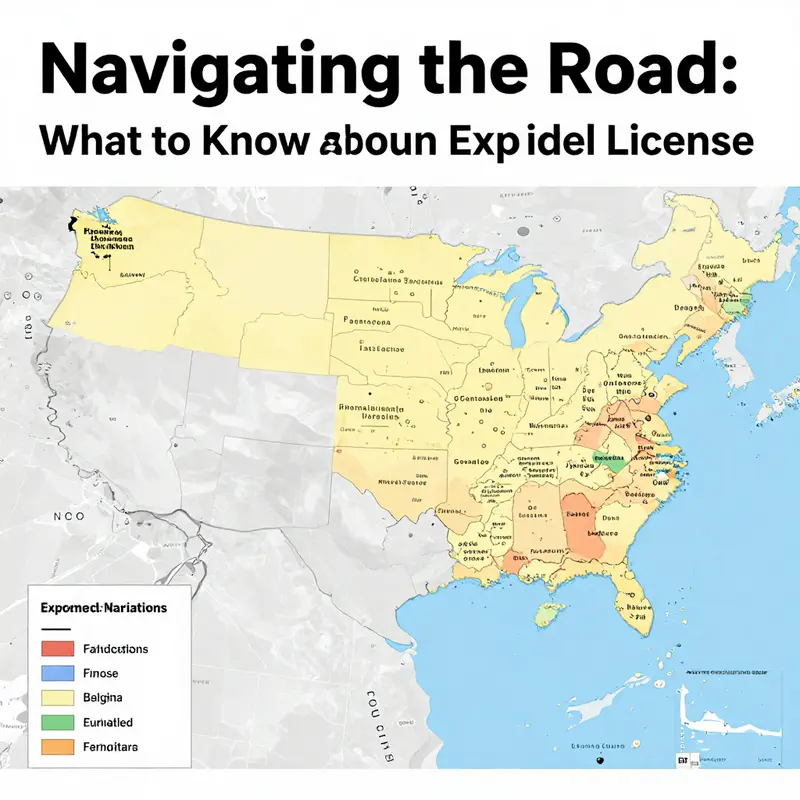
In the United States there is no single rule about whether you can drive with an expired license; the answer depends on the state, county, and issuing jurisdiction. A license expires at a specific date, but the consequences of driving after that date vary widely from place to place. In some locations the lapse triggers immediate penalties, while in others a grace period or extended window is allowed while renewal is processed. The result is a patchwork of practices rather than one universal standard.
In North Carolina, for example, policy has historically provided a broader window during which driving remains possible after expiration, with the renewal needed to restore full legal status. As of early 2026, licenses that expired up to a couple of years prior may still be treated as valid for driving purposes under specific conditions, but the exact rules can depend on how long since expiration and which steps the driver takes to renew. Practically, you would renew promptly to avoid penalties, and you may be subject to additional requirements such as vision or knowledge checks depending on the time elapsed and the rules in effect at renewal time. The North Carolina DMV is the authoritative source for the precise language and current guidance.
In many other states, the default position is stricter: driving with an expired credential is unlawful and a stop for any traffic violation can lead to fines, suspensions, or other enforcement actions. Penalties may accumulate, and a history of expiration can complicate reinstatement later. Agencies balance public safety with administrative capacity, which can produce different enforcement postures in different jurisdictions.
For drivers facing an expiration, the practical advice is consistent: do not rely on a long grace period. If you must travel, plan alternatives, check your status online, and pursue renewal promptly to restore your driving privilege. When in doubt, consult your state’s official licensing authority—for North Carolina, the DMV site is the best starting point—to confirm the current rules and the exact steps to reinstate full status.
External guidance and state-by-state context are useful, but the most reliable information comes from your local licensing agency. The NC DMV, for instance, regularly updates its materials to reflect changes in policy and practice. For the latest instructions, visit the official NC DMV site.
Final thoughts
The rules surrounding driving with an expired license are serious and vary widely based on location and individual circumstances. Understanding the consequences, how to restore your license, and any relevant age-related restrictions is vital for anyone behind the wheel. By staying informed and compliant with the regulations, drivers can avoid legal troubles and ensure their driving privileges remain in good standing. Ultimately, remaining proactive about license renewal and understanding regional laws is your best roadmap to safe and lawful driving.