
The issue of legislative reforms for Commercial Driver Licenses (CDL) has surged to the forefront of discussions surrounding highway safety and regulatory compliance. As commercial trucking holds the weight of the economy on its shoulders, any lapses in the safety and qualification standards for truck drivers raise significant concerns about the welfare of all road users.
Despite being one of the most regulated industries in the United States, glaring gaps in oversight, qualification requirements, and enforcement persist, leading to a perilous situation on our nation’s highways. This critical moment calls for urgent reform to bridge these safety gaps and ensure that every driver on the road meets stringent standards.
The consequences of inaction could spell disaster, placing lives at risk and undermining public confidence in a cornerstone of our transportation system. It is imperative that we delve deep into this issue, examining the urgent call for change and the implications of these reforms for truck driver safety, compliance in the trucking industry, and overall public welfare.
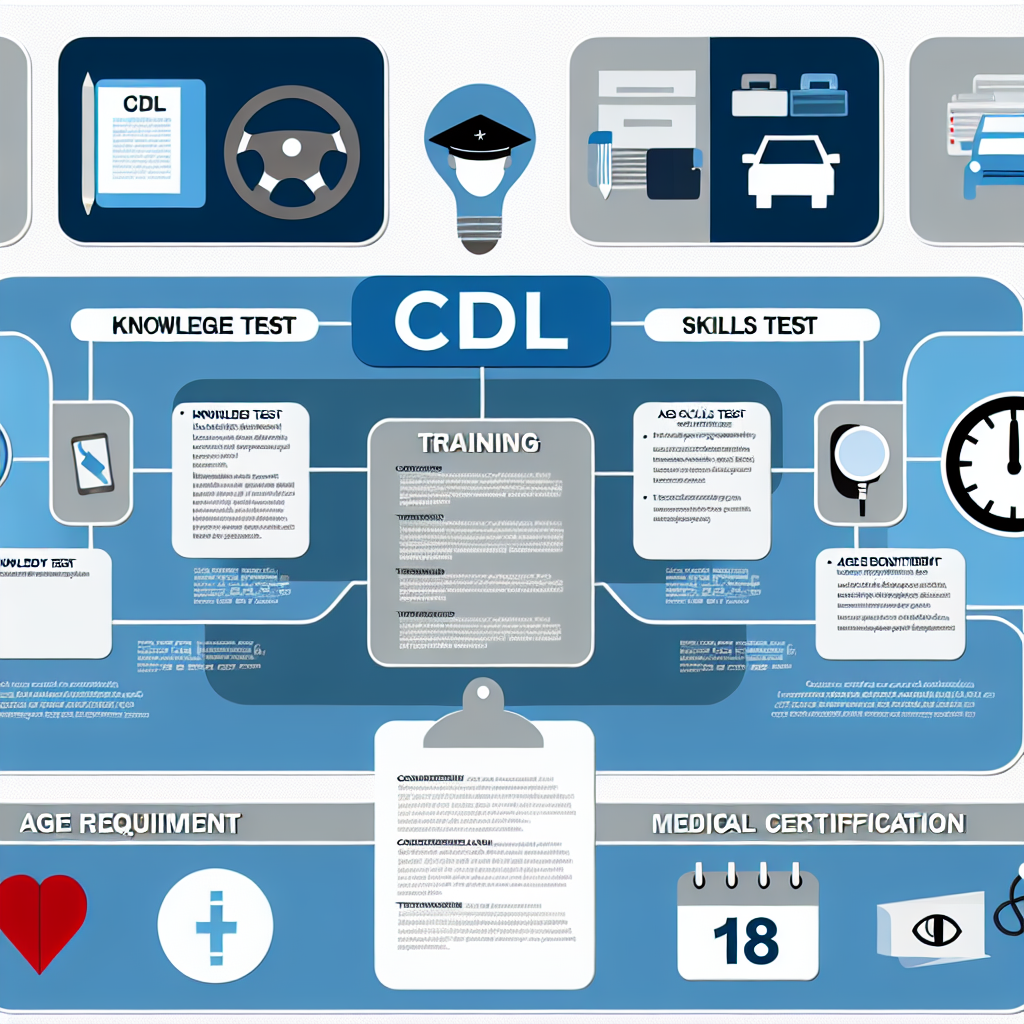
| Aspect | United States | Canada |
|---|---|---|
| Knowledge Test | Minimum 30 questions; 80% passing score; covers 20 general areas. Source | Standardized written tests; content and passing scores vary by province/territory. |
| Skills Test | Vehicle inspection, basic control, on-road driving; vehicle must match intended operation type. Source | Road test assessing safe operation of commercial vehicle; requirements vary by region. |
| Training | Mandatory entry-level training with FMCSA-approved provider; includes knowledge and behind-the-wheel training. Source | Training requirements differ by province/territory; some have mandatory programs, others recommend training. |
| Age Requirement | 18 for intrastate; 21 for interstate. | Varies by province/territory. |
| License Requirement | Valid non-commercial driver’s license. | Valid non-commercial driver’s license. |
| Medical Certification | Mandatory medical certification confirming physical fitness. | Medical examinations required; standards vary by province/territory. |
Gaps in Current CDL Regulations
Despite extensive regulations, many gaps in CDL regulations exist that increase risks to highway safety. Chris Spear, President and CEO of the American Trucking Associations (ATA), stated, “Though commercial trucking is among the most heavily regulated industries in the United States, gaps in oversight, enforcement, and qualification requirements threaten safety on our nation’s highways. America doesn’t lack people who seek commercial driver’s licenses. What we lack are qualified drivers who meet the high standards of professionalism and safety that our industry expects and the law demands.” This highlights the issue: regulations exist, but how they are applied and enforced is often inconsistent.
Marco Beghetto, VP of Communications for the Canadian Trucking Alliance, also stresses the urgency of these issues. He said, “Canadians are now waking up to what we have been warning about for many years — the industry is in crisis. This lawlessness is a serious threat to our industry and puts Canadians at great risk. It must end quickly. We know that companies that frequently cut corners with taxes and labor will likely do the same in all other areas, including public safety by putting unfit equipment and poorly qualified drivers on the road.” These statements reveal a troubling trend. Without strict oversight and adherence to regulations, dangerous practices can spread. This increases the chance of accidents and endangers many lives on the road.
These gaps point to a strong need for legislative reform. Strengthening existing standards is crucial to prioritizing safety within the CDL framework. Failing to act may only worsen the dangerous situation on our highways.
Relevant Statistics about CDL Violations
Recent statistics highlight a pressing need for reforms in Commercial Driver License (CDL) standards due to the significant number of violations and accidents involving commercial vehicles:
- United States: In the 2025 International Roadcheck, 54,953 inspections resulted in 3,342 drivers (6.1%) being placed out of service. Leading out-of-service violations included:
- Hours of Service: 992 violations (31.6%)
- No Commercial Driver’s License: 808 violations (25.7%)
- No Medical Card: 493 violations (15.7%)
- Additionally, in 2023, there were 184,058 truck crashes, and fatalities from large truck accidents rose from 4,987 in 2020 to 5,967 in 2022.
- Canada: During the same International Roadcheck, among the top violations were Hours of Service (84 violations or 48.6%) and No CDL (15 violations or 8.7%). From 2012 to 2021, despite a 24% increase in registered commercial vehicles, the fatality rate in collisions decreased, but compliance issues still remain.
These statistics underscore the urgent requirement for reforms to enhance safety within the trucking industry.
ATA’s Six Recommendations for CDL Reforms
The American Trucking Associations (ATA) has outlined six comprehensive recommendations aimed at reforming Commercial Driver License (CDL) standards, each designed to significantly enhance truck driver safety on our highways:
- Codify the President’s Executive Order on English Language Proficiency: Congress should enact a law that requires drivers to demonstrate adequate English proficiency to read road signs and understand safety instructions, ensuring effective communication in emergencies. Recent guidelines enforced by the FMCSA require commercial motor vehicle drivers to meet English language proficiency standards. Read more about this initiative here.
- Initiate a Rulemaking for an English Proficiency Test: The ATA encourages the FMCSA to develop a standardized English proficiency test for CDL applicants, as proposed in the SAFE Drivers Act. This measure ensures that drivers possess the necessary language skills to navigate U.S. roads safely. More details on this legislative proposal can be found here.
- Require One Year of Standard Driver’s License Experience: Individuals should hold a standard driver’s license for at least one year before qualifying for a CDL, with limited exceptions. This requirement emphasizes foundational driving experience to equip potential drivers with critical skills crucial for safe commercial driving.
- Strengthen Oversight of CDL Issuance and Testing: Enhanced audits and oversight of state agencies and third-party testers should be mandated. Ensuring that only fully qualified individuals receive CDLs is essential for improving road safety. Recent calls by the ATA highlight the need for these enhancements. Find out more here.
- Expedite Removal of Non-Compliant Training Providers: Rapid action must be taken to eliminate training providers that do not meet federal standards from the FMCSA Training Provider Registry. This ensures all drivers receive adequate training and are better prepared for the challenges of the road. The FMCSA has initiated audits to improve oversight of state CDL knowledge and skills testing programs. Learn more about the audit findings here.
- Enhance Enforcement Against Illegal Cabotage: The ATA advocates for stricter enforcement of penalties related to illegal cabotage, which helps protect the integrity of the trucking industry and upholds compliance with U.S. safety and labor standards. Previous warnings from Transportation officials indicate that lax enforcement leads to increased safety risks on the road.
Together, these recommendations represent a crucial step towards bridging the gaps in current CDL regulations and ensuring a safer driving environment for everyone on the road. Enhanced safety standards and proper oversight are vital to reducing the alarming statistics associated with CDL violations and promoting a culture of compliance within the trucking industry.

In conclusion, the pressing need for comprehensive reforms to the Commercial Driver License (CDL) system has been underscored throughout this discussion. The glaring gaps in oversight and enforcement outlined by industry leaders highlight that, despite existing regulations, the safety of our highways remains at risk.
The American Trucking Associations has wisely proposed six targeted recommendations, including strengthening English language proficiency requirements and enhancing the oversight of CDL issuance and training. These reforms not only seek to elevate the standards of professional driving but are essential in protecting the lives of all road users.
The call for action is clear: without immediate legislative reforms, the risks associated with inadequately trained drivers and their impact on public safety will only escalate. It is imperative that policymakers prioritize these reforms to uphold safety and integrity within the trucking industry, ensuring that all drivers on our roads are well-qualified and prepared for the challenges they face.
User Adoption Data for CDL Training Programs
Recent reforms in Commercial Driver License (CDL) training programs have led to notable advancements in user adoption, effectiveness, and reach. Key developments include:
-
Integration of Driving Simulators: Aims Community College invested $100,000 in an L3Harris Driving Training system, resulting in a reduction of training time by approximately two days. This enhancement allows students to grasp concepts more quickly and gain additional behind-the-wheel experience.
Source -
Expansion of Training Programs: The Massachusetts Executive Office of Labor and Workforce Development has allocated over $26 million since 2013 through the Workforce Competitiveness Trust Fund to develop demand-driven programs. These initiatives aim to train and place workers in CDL positions, addressing the driver shortage and providing upward mobility for underemployed individuals.
Source -
Third-Party Testing Initiatives: Georgia’s Department of Driver Services expanded its Third-Party Testing (TPT) Program to include commercial driver training and trade schools. A 2021 pilot study revealed that four pilot sites conducted 20% of all CDL Road Skills Tests, adding 75 additional examination slots weekly. This expansion led to a 60% growth in graduates for participating schools and plans to accommodate 250 more students annually.
Source -
Use of Driving Simulators for Workforce Development: The Nebraska Trucking Association utilized a driving simulator to engage over 100,000 individuals at various events, significantly increasing scholarship applications for CDL programs. This approach has expanded the reach and appeal of CDL training.
Source -
Federal Funding for CDL Training: The Federal Motor Carrier Safety Administration (FMCSA) announced nearly $90 million in grants available to states and other entities for implementing CDL programs. This funding aims to strengthen compliance with federal safety regulations and enhance the integrity of the National CDL Program.
Source
These initiatives collectively contribute to increased user adoption, improved training effectiveness, and broader reach of CDL training programs, addressing the critical need for qualified commercial drivers.
Impact of the Driver Inc. Scheme
The Driver Inc. scheme is a significant challenge within the trucking industry, predominantly affecting Canada, where it poses serious implications for safety standards and compliance norms. This scheme facilitates owner-operators to function as independent contractors, which allows them to evade certain regulatory requirements, notably those surrounding safety training and the qualifications of commercial drivers. While this structure may present financial advantages for some, it inherently undermines compliance with Commercial Driver License (CDL) standards. A concerning number of individuals may receive minimal or no formal training, resulting in inadequately prepared drivers taking the wheel of large commercial vehicles.
As regulatory oversight remains lenient in many areas, the potential for increased accidents looms large. Unqualified drivers, emboldened by the loophole of the Driver Inc. model, may find themselves ill-equipped to navigate the challenges of operating heavy-duty vehicles. Additionally, this scheme fosters a troubling industry culture that prioritizes cost-cutting measures over the enforcement of safety regulations—a perilous trade-off that threatens the safety of all road users.
The ramifications of these practices stress the urgent need for reforms that address these regulatory gaps. Policymakers must implement stringent oversight and enforcement mechanisms to ensure that all drivers adhere to comprehensive training protocols and that the industry’s commitment to safety is unwavering. Only then can we tackle the profound risk posed by the Driver Inc. scheme and advance toward secure and reliable trucking operations that protect the public’s welfare.
Expanded Content on CDL Reforms
The need for reforms in the realm of Commercial Driver Licenses (CDL) is not just grounded in regulatory lapses but also firmly rooted in alarming statistics that reveal the current state of driver safety and training in the trucking industry. As we delve deeper, the implications of these statistics will become increasingly critical for stakeholders across the board, from industry leaders to safety advocates.
Alarming Statistics: CDL Violations and Accidents
Recent findings presented by the Commercial Vehicle Safety Alliance (CVSA) during the 2025 International Roadcheck shed light on serious issues within the sector. A total of 56,178 inspections were conducted across North America, with a staggering 20% of vehicles inspected being placed out of service due to significant violations. The breakdown of this data reveals critical concerns:
- Brake System Violations: More than 40% of serious infringements were attributed to defects in the brake system, showcasing the urgent need for stringent vehicle maintenance checks.
- Hours of Service (HOS) Violations: Nearly 32.4% of drivers were cited for violating HOS regulations, raising red flags about driver fatigue as a prevalent issue in the industry.
- No Commercial Driver’s License: About 24.4% of violations stemmed from individuals operating vehicles without a valid CDL.
Comparatively, in Canada, during the same Roadcheck, 84 drivers were put out of service for HOS violations, signifying around 48.6% of driver violations, which correlates with ongoing concerns surrounding driver fatigue on highways. [cvsa.org]
These statistics highlight the necessity for reform across training programs to instill a culture of compliance with safety standards. The trucking industry’s ability to safeguard public safety lies in the adequacy of training and the accountability mechanisms in place.
Success Stories: Effective Training Initiatives
Amidst these challenges, there are successful initiatives aimed at improving driver training and compliance. For example, the FMCSA’s Entry-Level Driver Training (ELDT) program was launched to establish uniform training standards for new drivers. Though it has received positive feedback, its enforcement remains a significant area of concern. As noted by the ATA, some training providers still operate with insufficient oversight, emitting CDs at a rapid pace without ensuring that safety training is fully implemented. [trucking.org]
On a community level, in Nebraska, the Trucking Association utilized driving simulators to reach over 100,000 individuals, which not only educated potential drivers but also significantly increased scholarship applications for CDL training programs. This proactive approach underscores the demand for skilled drivers and illustrates how technology can facilitate advancement and safety within the industry. [ccjdigital.com]
Navigating the Impact of Driver Inc. Scheme
One of the more insidious challenges facing CDL standards is the prevalence of the Driver Inc. scheme. This model allows drivers to operate as independent contractors, often bypassing critical safety training and compliance protocols. It is particularly rampant in Canada, where the Canadian Trucking Alliance warns that this structure results in lower safety performance ratings among companies that employ it. Drivers classified under this scheme are frequently subjected to unsafe operating conditions due to inadequate training and poor oversight, significantly raising the risks for accidents. [thesafetymag.com]
The ramifications of such practices extend beyond simple non-compliance; they compromise the overall safety of the transportation network. As outlined by Labour Minister Seamus O’Regan, new regulations will impose heavy fines on companies employing the Driver Inc. model to encourage adherence to established safety protocols, mitigating the adverse effects on public safety. [trucknews.com]
Looking Forward: The Path to Reform
As industry experts emphasize the importance of rigorous reform, voices like Chris Spear from ATA highlight the crucial role of effective oversight. He states, “Improving CDL standards is not just a policy change; it is an urgent necessity for our industry and for public safety at large.” This sentiment is echoed by Marco Beghetto of CTA, who underscores the urgency of these reforms, warning that systemic issues could escalate into widespread tragedy if remain unaddressed.
In conclusion, the comprehensive statistics, expert quotes, and successful training initiatives underscore a pressing need for reform in CDL standards. Ensuring that every commercial driver receives the highest quality training is an essential step towards improving overall safety. As discussions evolve, it is critical for regulators and policymakers to commit to enhancing these standards and delivering tangible results that secure the safety of road users across North America.
Future Implications
The implementation of the American Trucking Associations (ATA) proposed reforms for Commercial Driver Licenses (CDL) is poised to significantly reshape the trucking industry’s landscape over the next decade. As these reforms aim to address the current regulatory gaps and enhance driver safety, we can expect a cascading effect throughout various facets of the industry.
Enhanced Safety Standards
By mandating stricter training and evaluation requirements, we are likely to see a considerable improvement in the quality of drivers entering the workforce. The push for comprehensive training programs emphasizes both theoretical knowledge and practical skills, ensuring that new drivers are better equipped to handle the complexities of safely operating commercial vehicles. An anticipated outcome of this is a reduction in accident rates, which have alarmingly persisted in recent years despite regulatory oversight.
Shift in the Workforce Dynamics
As reforms take root, we can anticipate a shift in the demographic and skill composition of the trucking workforce. Stricter English language proficiency requirements and mandated prior driving experience will necessitate a more qualified applicant pool, potentially narrowing the workforce. While this change may yield more competent drivers, there is a concern regarding driver shortages, particularly at a time when the demand for trucking services continues to rise. The industry may need to address recruitment challenges innovatively, perhaps by enhancing incentives for pursuing CDL training.
Evolving Training Standards
The anticipated introduction of standardized English proficiency tests will necessitate the fortification of CDL training programs, pushing training providers to elevate their curricula to meet federal guidelines. This evolution may come with initial resistance from some sectors, particularly among schools that rely on existing, less rigorous training methods. However, the long-term result could be a more competent driver pool, fostering safer road conditions in the future.
Challenges Ahead
Despite the potential benefits, the path toward reform is fraught with challenges. Resistance from industry stakeholders who may benefit from the current system threatens to slow down the legislative process. Furthermore, the successful implementation of these reforms hinges on adequate funding and resources for training programs, an aspect that needs meticulous attention as regulatory compliance becomes more stringent. Policymakers must ensure that the transitional phases are managed effectively to avoid disruptions within the industry.
In conclusion, the next decade is set to bring substantial changes to the trucking industry’s standards and practices with the introduction of these reforms. While the anticipated benefits such as improved safety and driver competency are promising, it is critical to remain vigilant against the challenges that may arise. Proactive measures and collaboration across sectors will be vital in facilitating a seamless transition that upholds road safety and the integrity of the industry.
Relevant Statistics about CDL Violations
Recent statistics highlight a pressing need for reforms in Commercial Driver License (CDL) standards due to the significant number of violations and accidents involving commercial vehicles:
- United States: In the 2025 International Roadcheck, 54,953 inspections resulted in 3,342 drivers (6.1%) being placed out of service. Leading out-of-service violations included:
- Hours of Service: 992 violations (31.6%)
- No Commercial Driver’s License: 808 violations (25.7%)
- No Medical Card: 493 violations (15.7%)
Additionally, in 2023, there were 184,058 truck crashes, and fatalities from large truck accidents rose from 4,987 in 2020 to 5,967 in 2022 Source.
- Canada: During the same International Roadcheck, among the top violations were Hours of Service (84 violations or 48.6%) and No CDL (15 violations or 8.7%). From 2012 to 2021, despite a 24% increase in registered commercial vehicles, the fatality rate in collisions decreased, but compliance issues still remain Source.
These statistics underscore the urgent requirement for reforms to enhance safety within the trucking industry.
Additionally, the impact of stricter reforms in Canada shows measurable improvements. Implementing mandatory alcohol screenings led to a 39% reduction in alcohol-impaired driver fatalities in 2019 Source. Provision of enhanced training programs has resulted in 20-34% decrease in accidents and 52% reduction in safety-related events as demonstrated by various corporate implementations Source. This highlights the crucial need for ongoing reforms to ensure all drivers are well-qualified.
In summary, these findings indicate an urgent need for continued legislative action to close the gaps in CDL regulations and enhance overall highway safety. By aligning training standards with comprehensive oversight, the industry can work towards a safer transportation system for all road users.