
In an age where vehicle ownership is commonplace, knowing how to properly check a vehicle’s license plate has become paramount. Whether you’re a new driver, an existing motorist, or part of an auto dealership, the ability to verify a vehicle’s registration and history instills confidence in your transactions and driving decisions. This guide will delve into three primary methods for checking license plate information: using the official Traffic Management 12123 app, visiting the local vehicle administration office, and exploring online government resources. Each chapter is designed to provide you with step-by-step processes and valuable insights, ensuring you have the tools to make informed choices regarding vehicle safety and legality.
Guarding Data and Verifying Your Ride: A Deep Dive into Using the Traffic Management 12123 App to Check a Vehicle License Plate
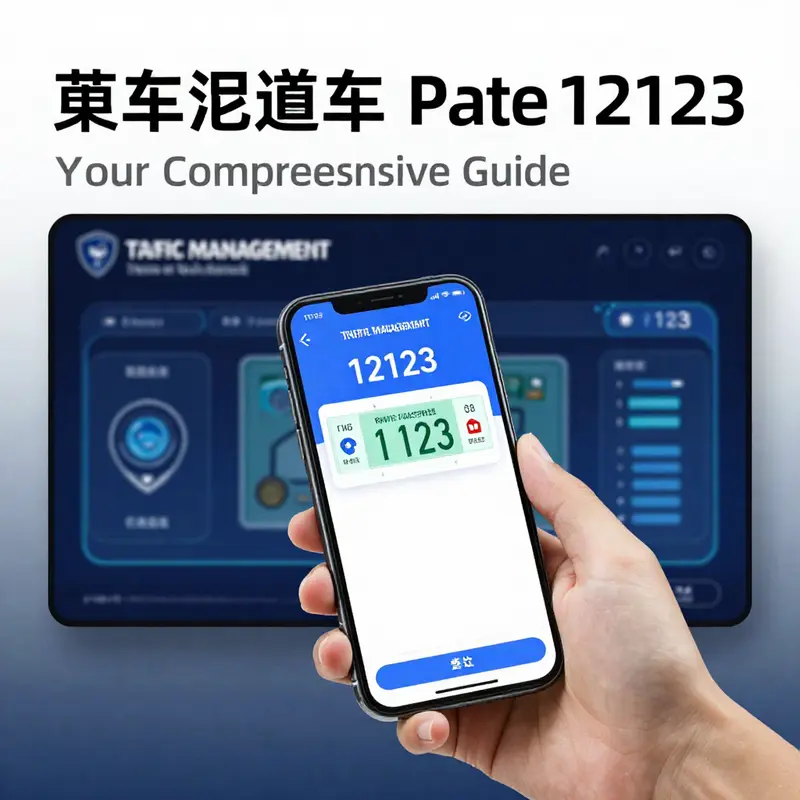
Checking a vehicle’s license plate information through the Traffic Management 12123 App is more than a convenience feature; it is a carefully designed tool that reflects how modern governance balances accessibility, accuracy, and privacy. The app, often referred to in shorthand as the 12123 platform, is built for personal vehicle management. It serves the person who owns or is legally responsible for a vehicle, providing a secure channel to view essential data tied to that car. When you open the app, you are entering a controlled space where the data shown—vehicle type, registration date, inspection validity, and current traffic violations—belongs to your own vehicle and nothing more. The privacy guardrails are intentional. They are not an afterthought but a core principle: this app is not a portal to search the plates of strangers or third-party vehicles. It is a tool for owners to verify their own records, confirm that the vehicle they drive complies with current regulations, and stay informed about any issues that might affect ownership or operation of the car.
The architecture of the 12123 App mirrors its purpose. It relies on real-name verification, which anchors the user to a verified identity. That verification is not merely bureaucratic procedure but a foundational safeguard. It ensures that the data you access is legitimately yours and shields others from misappropriating information that could be private or sensitive. Once you pass through the verification, the process to manage a vehicle becomes straightforward yet robust. You can link a vehicle to your account by supplying either the VIN—the Vehicle Identification Number—or the last six digits of the engine number, in addition to the license plate. This triad of identifiers—the VIN, engine number tail, and license plate—acts like a digital key trio that unlocks the vehicle’s official records within the app’s secure environment.
On the home screen, the option labeled either “My Vehicles” or “Motor Vehicle” becomes the gateway to the data you rely on to monitor the car’s status. If you have previously linked your vehicle, you will see it listed with the full plate number and a concise snapshot of its core attributes: the make and model, the registration date, and the current status of inspections. More dynamically, the app can reveal any pending or resolved traffic violations tied to that vehicle, giving you a real-time snapshot of its compliance history. If the vehicle isn’t yet linked, the path to enrollment is simple: tap “Add Motor Vehicle,” supply the VIN (or the engine-number tail) and the plate, and confirm. The moment you complete this step, the system cross-checks against official records, and your vehicle appears with its complete profile. The data you gain access to is not superficial; it runs deep enough to support legitimate needs, such as confirming registration status before a sale, verifying a car’s condition during a transfer of ownership, or preparing for a legal claim where ownership documentation is essential.
The information surfaced by the app is not static. It is updated in real time or near real time, drawing from official databases that track registration, inspection results, and documented violations. For the owner, a key benefit is immediacy: if your vehicle fails an inspection or if a new violation surfaces, you can see the update promptly, often before it enters your physical mailbox or a paper file. This capability makes the app a practical companion for a busy owner who needs to stay current without navigating a maze of paperwork or multiple government portals. Yet, the design intentionally restricts access to prevent abuse. The app cannot be used to surveil or uncover information about vehicles that do not belong to the user. This privacy boundary is not a minor feature; it is a deliberate policy embedded in the app’s core rules. It protects the privacy of others and upholds the legal framework that governs data use.
When you consider the steps to use the app for your own vehicle, the process feels both simple and secure. Start with the download, which is straightforward and available through common mobile app stores. The registration process requires real-name verification, a standard practice that asks for a national ID and a clear photo of the ID card. A facial recognition step is typically included to confirm that the person presenting the ID is the same person who is accessing the account. These steps, while they may require a little patience, create a higher level of confidence that the data you access is tied to a verified owner, which in turn strengthens the integrity of the system as a whole.
Once you are signed in, navigating to the vehicle data is a matter of a few taps. On the main screen, you choose the vehicle you want to inspect, either from a pre-linked list or by adding a new one. If the car is already linked, you will immediately see the full license plate, the vehicle’s model, and the key dates—the registration anniversary and the inspection expiry window. This is important because inspections, like many other regulatory requirements, have a cadence. The app makes that cadence visible, helping you plan ahead and avoid penalties that could arise from a lapsed inspection. If the vehicle is not yet added, the process is equally direct: you select the option to add a motor vehicle, enter the VIN or the tail of the engine number along with the plate number, and confirm. A quick cross-check against official records ensures data integrity before it becomes part of your personal dashboard.
Beyond the raw data, the app invites a broader reflection on how personal data is managed in modern governance. The design acknowledges a universal truth: information about a vehicle is sensitive because it can reveal ownership, intent, and history. The app respects this by confining access to the owner’s data and by providing clear indications of when data is being accessed versus when data is being updated. A strong message emerges from this architecture: privacy protections are not mere afterthoughts but integral features of the user experience. This approach reduces the risk of privacy violations and helps owners feel more secure about using digital tools to manage their property.
Within the chapter of practical steps, it is helpful to place the 12123 App in the wider ecosystem of vehicle information tools. The official app is designed to serve as a personal management platform, but it is not intended to replace formal procedures in all circumstances. For tasks that require official verification or documents—such as property transactions, legal disputes, or formal vehicle history checks—visiting a local Vehicle Management Office or consulting the official government website remains essential. The official channels preserve the integrity of the data in ways that third-party services, for all their speed and convenience, cannot fully replicate. The app thus serves as a front line for owners, providing quick access to accurate data for everyday needs, while recognizing that certain scenarios demand more formal proof.
The chapter would be incomplete without acknowledging the boundaries designed into the app. The privacy guardrails are explicit: the 12123 App is not a search engine for third-party plates. You cannot enter a random license plate and retrieve owner details or vehicle history. This limitation preserves privacy and aligns with the broader legal environment that governs personal data. The result is a tool that empowers owners to stay informed about their own vehicles while reducing the potential for misuse. It is a reminder that, even in a digital age that prizes speed and convenience, safety and privacy must still anchor our actions. In practical terms, if you need to verify a plate that does not belong to you—for example, as part of a due diligence process during a purchase or a formal inquiry in a dispute—the app itself is not the right instrument. Instead, you would pursue official avenues such as a formal vehicle file inquiry at the local Vehicle Management Office, or consult the official government portals designed for authorized checks. These channels provide the necessary authorization, documentation, and data binding that third-party tools cannot guarantee. The emphasis remains clear: use official channels for legitimate purposes and respect data privacy laws that protect individuals.
For those who are buying a used car, the 12123 App remains a valuable starting point. You can confirm the vehicle’s basic identity, inspect its registration and inspection status, and cross-check any reported violations against the car’s current state. To obtain a deeper, more comprehensive view of a vehicle’s history, many buyers also explore trusted third-party platforms that compile supplementary data such as accident records, maintenance history, odometer readings, and insurance status. These third-party lookups can be extremely helpful for a quick, broad picture, but they must be used with caution. Privacy policies, data sources, and the reliability of the data vary across platforms, and some services may require payment for access to advanced features. The 12123 App’s primary contribution is to provide a secure, official baseline—an authoritative slice of fact that belongs to the owner and is backed by verified government records. By combining the official data with selective third-party insights, buyers can approach a used-car transaction with a more complete understanding, without compromising the privacy or legal protections that govern vehicle information.
To connect the practical with the contextual, consider how this tool fits into a broader habit of responsible ownership. The act of checking your own license plate status encourages regular attention to regulatory milestones—registration renewals, inspection dates, and any notices from authorities. It is a forward-looking practice that helps prevent lapses, reduces the risk of penalties, and supports safer driving. Yet the practice also reveals a broader truth about data literacy: owning a vehicle in the modern era involves more than maintenance and fuel economy. It requires being attuned to the data that describes the vehicle, understanding where that data lives, and acting in ways that protect both personal privacy and public safety.
This chapter also invites a moment of caution about where and how to look for information beyond the app. While the 12123 App is the authority for your own vehicle, the landscape of information is not flat. There are official government websites, verified local offices, and a spectrum of third-party services that offer faster access and broader historical context. In practice, a prudent owner uses a layered approach: rely on the official app for daily ownership management, turn to the local Vehicle Management Office when a formal record or notarized documentation is required, and, when purchasing used cars, supplement with trustworthy third-party checks while remaining mindful of privacy and data correctness. The careful balance of these channels ensures you are informed, compliant, and respectful of the data that belongs to you and to others.
For readers seeking a bridge to related considerations, one might explore how vehicle inspection requirements vary by state or region, a topic that extends beyond a single app and touches every aspect of ownership, compliance, and public safety. For a broader context on how inspection standards differ across jurisdictions, you can consult resources such as US states’ vehicle inspection requirements. This reference provides a comparative lens that helps readers understand why certain data points—like inspection dates and status—appear in the app and how those data points align with local policy. US states’ vehicle inspection requirements.
As a closing reflection for this chapter, the 12123 App stands as a modern embodiment of responsible car ownership. It offers a secure, user-centric way to verify your own vehicle’s license plate data, ensuring you can navigate daily use, transactions, and regulatory obligations with confidence. The tool’s privacy-first design is not a barrier to access but a guarantee that personal data remains under the rightful owner’s control. When used as intended—alongside official avenues for formal verification and with a mindful approach to data privacy—it becomes a powerful ally in keeping your ownership journey smooth, transparent, and compliant. For readers who want to pursue official guidance directly, the primary gateway remains the government-backed platform, which continues to evolve to meet the needs of both individuals and the wider traffic management ecosystem. For more official guidance, see the Traffic Management platform at https://www.12123.gov.cn.
From Counter to Confirmation: Navigating the Local Vehicle Administration Office to Verify a License Plate
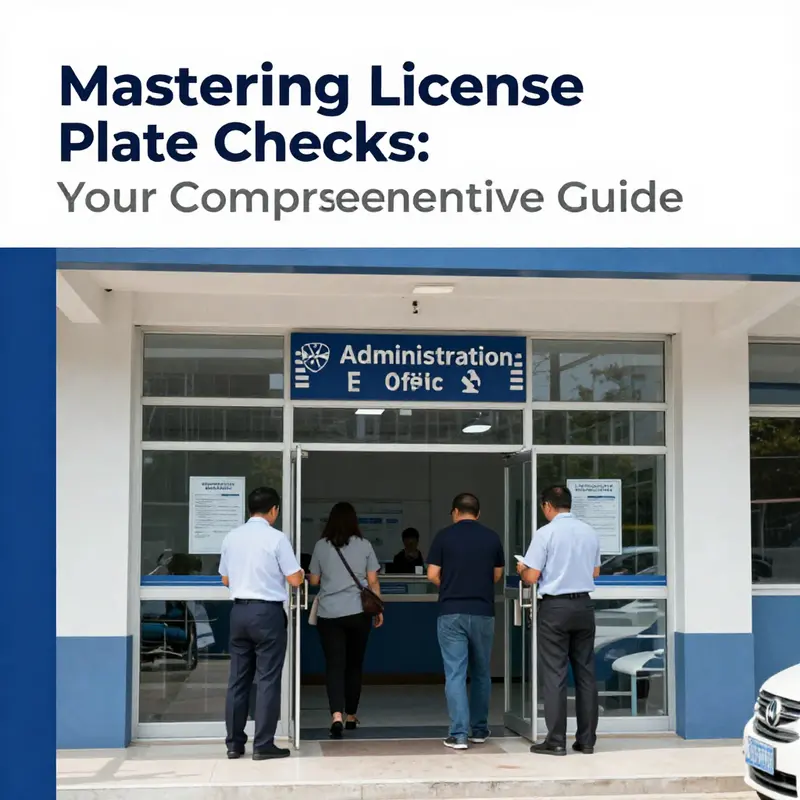
Verification of a license plate through the local Vehicle Administration Office is a reliable way to confirm a vehicle’s identity and status. For buyers, sellers, or owners seeking to verify ownership or registration, the office provides an official record that stands up to scrutiny. The process generally offers two practical routes: an in-person visit to the 2nd Service Hall and an online pathway where available. Preparation is key: assemble the Vehicle Qualification Certificate, the electronic sales invoice, and the owner’s identification. In many cases, staff will verify VIN, plate number, ownership, and inspection status, with additional steps such as taxation or registration processing if needed. Some offices require appointments, while others accept walk-ins; consult the official portal to book a time slot if offered. Whether you go in person or complete parts of the workflow online, you should bring originals and copies of documents and be ready to present them at the counter. Even with online options, some steps will occur at the counter, such as printing a vehicle registration certificate or affixing new plates. Data privacy is a core concern, so share only information with authorized staff and avoid unverified third parties. The aim is a smooth, verifiable outcome: a confirmed registration status, a printed certificate if applicable, and, when required, the issuance of license plates. By planning ahead, respecting the procedural sequence, and staying patient, readers can reduce delays and ensure a legitimate, well-documented result.
The Official Path to License Plate Clarity: Navigating Government Resources to Verify a Vehicle’s Identity
Verifying a license plate through official channels is more than a routine check; it is a careful, privacy-aware process that blends legal accuracy with practical necessity. When you handle vehicle data correctly, you protect yourself against fraud, safeguard personal information, and gain access to reliable, real-time details that can inform purchases, transactions, or legal matters. The journey begins with a recognition that not all online plate checks are created equal. While plenty of quick tools exist, the most trustworthy routes are those backed by government agencies and regulated platforms. These services are designed to balance data security with public access, and they are continually updated to reflect changes in registration status, inspection deadlines, or new traffic violations. The aim of this chapter is to walk you through the official pathways that a responsible user can use to check a license plate, while also explaining how these resources fit together in a cohesive, legally compliant workflow that respects privacy and reduces risk.
The first and most widely recommended option is the Traffic Management 12123 App, a dedicated mobile platform developed under the aegis of the Ministry of Public Security’s Traffic Management Science Research Institute. This app is designed specifically for vehicle owners who want to monitor their own vehicles with confidence and ease. Its real strength lies in how it streamlines the flow of information. After you install the app from a trusted source and complete the real-name verification, you can bind your vehicle to your account by entering the license plate number and the last six digits of the Vehicle Identification Number (VIN). The data you see within the app includes essential, actionable details: the vehicle type, the registration date, the current inspection status, and the status of any traffic violations that may be on your record. The advantages are clear: data is free, it is presented in real time, and its provenance is guaranteed by an official source. The catch is equally straightforward: the app is structured to protect owner privacy, which means it is intended to be used for vehicles registered in the user’s name. It will not, by design, disclose information about other people’s vehicles. This limitation, however, does not diminish its value for everyday maintenance, compliance tracking, or when preparing for a sale. In short, for daily checks by vehicle owners, the 12123 App stands as the most secure and convenient gateway to reliable data, a conclusion strongly supported by its official status and the breadth of details it can surface at a moment’s notice.
Alongside the dedicated mobile tool, a web-based portal exists that mirrors the same governance architecture but presents information in a form optimized for desktop use or for formal inquiries. The National Traffic Safety Comprehensive Service Management Platform, accessible through a centralized web interface, provides another robust route for inquiries. This platform is designed to support a wider range of users, including those involved in formal processes such as vehicle transactions, regulatory compliance checks, or dispute resolution. The core workflow involves visiting the official site, navigating to the motor vehicle status or violation query sections, and providing the required identifiers. Typically, the process asks for a license plate number and the engine number’s last digits, sometimes paired with a verification step such as a captcha. The data returned can include the status of the vehicle’s registration, whether it has any outstanding or historical violations, and, in some configurations, indicators of mortgage or seizure status when publicly accessible. The primary caveat with the web portal is that full, detailed access to an individual’s vehicle records often requires authentication through the same 12123 app or a separate account established for web use. This reflects a broader privacy framework that seeks to balance transparency with personal data protection. Yet the portal remains a crucial point of reference for those who need to verify data when a mobile device is impractical or when a more expansive view of a vehicle’s status is required for official purposes.
For those who operate across regions or who require localized services, local Vehicle Administration Bureau websites and official WeChat accounts offer a complementary layer of capability. Provincial and municipal platforms frequently integrate with the national system while adapting to regional needs. They may provide functions such as license plate allocation updates, appointment scheduling for inspections, and access to electronic certificates. The practical value of these platforms is their specificity: they reflect local rules, quotas, and procedural timelines, which can differ from one city to another. For example, a user in a large metro area might discover online appointment quotas, inspection windows, or documentation requirements that are distinct from those in neighboring districts. In many cases, these local platforms require login, often tied to a verified account, and they can present a useful bridge between official national data and the concrete steps needed to complete a service locally. These local channels can be especially helpful when you are preparing documents for a vehicle transfer, when you need to confirm the history of a particular asset within a city’s jurisdiction, or when you must align with a municipal policy that governs license plate maintenance or renewal cycles.
As the landscape expands beyond mobile apps and municipal portals, a cross-regional interface exists for drivers who travel across provincial borders or relocate within a region that includes several provinces. The Yangtze River Delta integration map is a notable example of a geographic layer designed to facilitate access to government services for people who move within this interconnected corridor. The concept behind such integrated maps is to provide a seamless pointer system: you can locate the nearest vehicle administration office, identify contact information, and obtain navigation directions without having to renegotiate a new portal or learn a different interface in each jurisdiction. Users will typically find a pathway to the regional map by downloading a dedicated government services app and then selecting a specific theme that aligns with vehicle and driver management. For those who frequently drive between cities like Shanghai, Jiangsu, Zhejiang, or Anhui, this map-based approach can save significant time and reduce friction, especially when compliance actions require in-person visits or documented certificates. The approach is not a substitute for the standard checks but rather a practical expansion of access, ensuring that regional nuances do not trap users in a single, static workflow.
Of course, the core of any verification effort remains the accuracy and authenticity of the data. An essential, straightforward authenticity check is to cross-verify the license plate with the vehicle’s compulsory insurance policy. Insurance documents are tailored to the vehicle, and the policy generally binds the plate to the VIN and the specific model. If the license plate, the model, and the VIN align across the official registration and the insurance records, you have a strong signal that the plate is legitimately issued for the vehicle in question. This cross-check is a pragmatic, low-friction step that can alert you to potential inconsistencies before you proceed with a purchase or a transfer. It is also a reminder that no single source should be assumed infallible; corroboration across official records adds an additional layer of reliability.
In practice, the workflow for a comprehensive check often unfolds as a layered process. A prospective buyer might start with the 12123 App to confirm ownership and status, then supplement that with a quick web query to assess any public-facing flags such as seizure status or mortgage indicators that are visible on the platform. If a question or dispute warrants deeper scrutiny, the next step could be an in-person visit to the local Vehicle Administration Bureau to obtain a formal file inquiry. This sequence ensures that the information gathered is not only comprehensive but also legally binding where appropriate. For those who are purchasing a used vehicle, a practical approach is to combine the speed and accessibility of the official app with the broader perspective offered by a trusted third-party tool. Tools of this kind can provide insights into maintenance history, accident records, odometer readings, and insurance status, helping to paint a fuller picture of the vehicle’s life. When using third-party tools, though, remain cautious. Verify the platform’s credibility and privacy policy to ensure that the data you access is obtained through legitimate channels and that your personal information remains protected.
The etiquette of data handling in this realm is as important as the data itself. Never share license plate information publicly in unverified forums or with untrusted applications. Do not use unofficial apps or websites that promise universal checks for all plates, as these sites can be scams or may run afoul of privacy laws. If you encounter a tool that seems to offer “instant plate checks” for a fee or asks for excessive personal details, pause and pivot back to official channels. This discipline is not merely defensive; it is a practical guideline to maintain the integrity of your own information while ensuring the data you rely on comes from a legitimate, verifiable source. For temporary or special plates, you should be aware that not all official channels will provide full visibility, and in such cases consulting local authorities directly ensures you receive the most accurate guidance tailored to the plate’s status.
As a final note on connectivity and the flow of information, several cross-referencing opportunities exist that practitioners often leverage to form a robust verification practice. The internal link to analyses of how state rules impact driver licensing can be a useful pointer for readers who want to understand how regional policies shape access to certain data or determine eligibility for various services. See the discussion in that resource for nuanced considerations about regulatory differences across jurisdictions and how those differences might influence your approach to checking license plate information. This awareness helps readers avoid assuming uniform rules across provinces and cities, which can otherwise lead to misinterpretation of what a given platform can reveal and under what circumstances.
In sum, the official avenues for license plate verification are structured to deliver accuracy, privacy protection, and procedural integrity. The Traffic Management 12123 App remains the gold standard for personal vehicle checks, offering a secure, real-time window into registration, inspection, and violations for vehicles you own. The national web portal broadens access for formal inquiries and serves as a reliable reference point when you need to corroborate data across platforms. Local government sites and WeChat accounts connect you to region-specific guidance, from appointment scheduling to license plate allocation rules, while cross-regional maps support mobility within large, interconnected regions. The practical strategy is to blend these resources according to your objective—quick personal checks, formal inquiries, or due diligence in a used-vehicle transaction—always staying mindful of privacy, legality, and data accuracy. Finally, when you need to validate the authenticity of a plate in everyday real-world scenarios, a cross-check with the vehicle’s insurance policy remains a simple, effective offline companion to the digital trail.
For those who want a concise reference to the central government channel, the national portal for the platform is a dependable starting point, and it is worth keeping as a bookmark while you explore the more specialized tools described above. If you are a reader seeking a single, authoritative resource to begin with in practical terms, begin with the official government pathways mentioned here and then widen your checks as needed. This approach ensures you are engaging with the most trustworthy data sources available today, reducing risk while enabling you to verify a license plate with confidence. As the landscape evolves with new policies or digital tools, the core principle remains stable: prioritize official channels, verify through multiple sources when possible, and respect privacy when handling plate data. For readers who desire broader context on how these resources interrelate with state and regional rules, consider the linked article on state rules impact on driver licensing, which provides deeper regulatory nuance that can influence how and when certain data is accessible. state rules impact on driver licensing.
When you want a one-stop, authoritative portal to consult for ongoing guidance, the national platform’s web presence is a practical anchor. For a direct route to official, centralized information, you can access the national web resource at https://www.122.gov.cn. This site embodies the ethos of centralized governance for vehicle data, including status inquiries and public alerts, and it reinforces the importance of a disciplined, official approach to license plate verification. Keeping this external reference in view helps readers orient their search, especially when moving beyond personal checks toward professional or official transactions.
In closing, the pathway to license plate clarity is not a single-click experience but a deliberate, layered journey through trusted channels. The blend of the 12123 App, the national web portal, regional platforms, and cross-regional maps creates a robust framework for verification that respects privacy and upholds legal standards. Practitioners who internalize this structure will find that accuracy, efficiency, and security converge, enabling smoother transactions, safer car ownership, and clearer insights into vehicle history. As you continue to explore, remember that the safest and most effective checks start with official resources and evolve through thoughtful corroboration across multiple trusted sources. The official sources highlighted here form the backbone of responsible plate verification, with modern tools designed to keep pace with an increasingly mobile, regulated, and data-driven world.
Final thoughts
Verifying a vehicle’s license plate information is a crucial step for new and experienced drivers alike. By utilizing official resources such as the Traffic Management 12123 app, visiting local vehicle administration offices, or checking online government platforms, you can ensure that the details of any vehicle you encounter are legitimate. These methods provide reliable avenues for obtaining essential information, helping you make informed decisions and maintain compliance with legal requirements. Embrace these tools and reduce the risk associated with vehicle transactions and ownership.