
The question of how to find out a vehicle owner by their license plate is one that often arises for new drivers, current vehicle owners, and even auto dealerships. Given the sensitive nature of personal information shielded by privacy laws, traditional means of contact may not suffice. However, several reliable ways exist to pursue this information legally and ethically. This article will guide you through these methods, covering topics including official government applications, local authorities, insurance companies, legal considerations, and common misconceptions surrounding this pursuit. Understanding these options ensures you approach ownership inquiries correctly and responsibly.
Beyond the Plate: Navigating Official Channels to Understand Vehicle Ownership while Protecting Privacy
A license plate can feel like a doorway to accountability, yet the path from plate to person is guarded by privacy laws and procedural checks. For most people and in most places, directly uncovering an owner’s name or contact details from a plate is not permitted. The instinct to resolve a blocked driveway, a hit and run, or a parking violation is natural, but the responsible approach is to use authorized channels that protect personal data while still addressing motor vehicle concerns. This is not a matter of denying accountability; it is about balancing safety, utility, and privacy within the rule of law. When I think about what it means to trace ownership through official means, the most telling contrast is between a direct data pull and a structured, legally sanctioned workflow that honors both parties rights and the public interest.
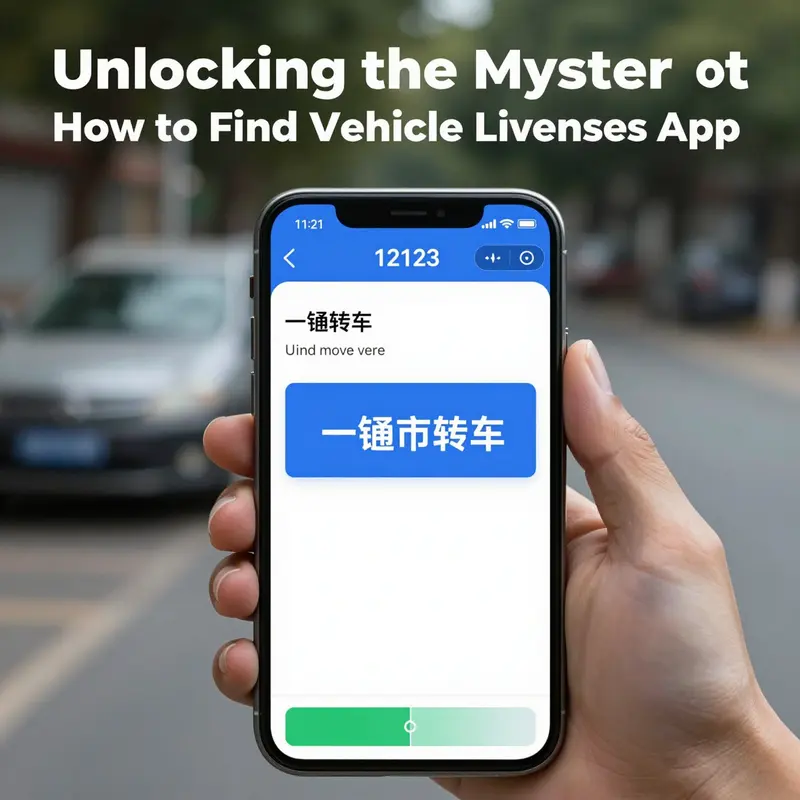
In practice, a compelling model exists in places where government led digital services provide a safe, privacy preserving conduit for action. Consider a national traffic management framework that offers an anonymous notification system to the vehicle owner. The core idea is simple but powerful: the system acts as a trusted intermediary that notifies the owner to move or respond, without exposing anyone’s private information to the requester. The owner receives a message via sms or app notification and can choose to comply. The person asking for the vehicle’s movement is not given the owner’s identity; instead, they gain the outcome they need: the obstruction or risk is removed without a data breach. This approach preserves the dignity of the vehicle owner and upholds the public interest in safe, accessible streets.
To engage with such a system, the user begins with the official government app designed for traffic and vehicle services. The process relies on a few clear steps that are designed to be secure and straightforward. First is registration and verification. A user must download the official app and complete a real name authentication process, which typically includes identity verification and perhaps linking a payment method for identity assurance. This upfront verification is essential; it creates a trustworthy interface where interactions are associated with a verifiable identity on the back end, even though the system itself does not reveal personal data to the requester. Once registered, the user navigates to the service that corresponds to immobilizing an obstruction or requesting a move. The feature is often named something like one click move vehicle or an equivalent in the local language. The user then submits the license plate number, notes the color of the plate if the system asks for it, and uploads a photo of the obstructing vehicle along with the precise location, which the app can determine using gps. The immediacy of the notification is a practical advantage: the owner is alerted promptly and asked to relocate. If there is no immediate response, most systems provide a reminder function that can re notify after a short interval. The notable point here is privacy: the action is mediated by the system, and the requester never receives the owner’s name or phone number. The goal is to resolve a specific, legitimate concern—blocked access, safety hazards, or regulatory compliance—without exposing either party’s private data.
The value of this approach expands beyond the moment of obstruction. When an incident like a parking issue or a non urgent conflict arises, using the official channel can de risk the situation. It channels accountability through the proper channels, enabling a prompt resolution while adhering to data-protection standards. In regions where such a system exists, it becomes a locale-specific digitization of civic responsibility. It also provides an instructive contrast to the impulse to perform do-it-yourself lookups, which can cross into privacy invading territory and, in many jurisdictions, run afoul of the law. The distinction is subtle but important: legitimate channels seek resolution and safety without exposing sensitive personal information to strangers or through unvetted third parties. The system’s design acknowledges that the plate is a public-facing element, but the person behind it remains protected by policy and enforcement guidelines.
For readers outside the country that implements this exact mechanism, the same ethical and legal framework applies, even when the concrete tools differ. In the United States, for instance, any pursuit of owner information typically travels through state departments of motor vehicles or law enforcement, and only under proper circumstances. The process tends to hinge on legitimate grounds—such as reporting a traffic violation, an accident, or a potential crime—where authorities can access registration records as needed. The important takeaway is that privacy-protecting channels exist across jurisdictions, even if the mechanics vary. In some places, the local government or police can guide a concerned citizen through steps that align with both civil protections and public safety objectives. In others, the official app or portal may be the primary mechanism for resolving everyday parking disputes without intruding on personal data.
To bridge local differences, it can be helpful to consult official, publicly available resources that describe how vehicle information and notifications are handled. In addition to formal channels, there are consumer-facing inquiries and guidance that emphasize lawful practice and safety. A practical caveat accompanies all of this: while some jurisdictions offer robust systems for notifying owners, direct access to personal identifiers is restricted. This is not a loophole; it is a deliberate design choice that protects individuals while enabling responsible action in common scenarios like blocked driveways, unsafe parking, or non urgent reporting obligations. It is equally important to steer clear of unverified online services that promise to reveal owner data. Such sites are frequently unreliable, may violate privacy laws, and can put personal information at risk. The prudent path is to rely on official services and recognized authorities.
For readers considering cross-border or comparative perspectives, one can look to official references that help map how different jurisdictions manage vehicle information, ownership inquiries, and privacy protections. An internal resource worth examining discusses how states regulate vehicle inspection and licensing, which often intersects with how data is accessed and used in legitimate processes. The linked material is a useful starting point for understanding the broader ecosystem around vehicle data, though it does not replace the need to engage through official channels for any owner-related queries. If you are researching this topic for a broader article or policy analysis, this contextual awareness helps clarify why certain methods exist and how they align with privacy and safety objectives. When you read about the mechanisms in one country, you can compare them to the equivalents in another, always with an eye toward safeguarding personal data and ensuring due process.
In the end, the practical takeaway is straightforward: when you need to address issues connected to a license plate whether a car blocking a driveway or a vehicle involved in a dispute turn to the official legally sanctioned routes. Do not pursue direct personal data through guesswork or third-party services. Rely on government apps, law enforcement resources when appropriate, and where applicable the insurance channel to confirm coverage or coordinate communications. These avenues exist precisely because they respect privacy while still enabling prompt, responsible action. If you want to see how such a system is described in an official context, you can consult the national traffic management portal from the country that pioneered the anonymous notification approach, which explains how the one-click move vehicle workflow operates to protect both parties. External reference: https://www.12123.gov.cn.
For readers who want a practical entry point in a jurisdiction that emphasizes official vehicle service tools, the next steps are to explore your local government or traffic authority’s digital services and to verify the exact process and eligibility requirements in your area. As with any legal matter, if there is any doubt about what is permissible or advisable, consult a legal professional or your local motor vehicle department. The objective remains clear: resolve issues efficiently while upholding privacy and the rule of law. The road to accountability can be direct when it passes through legitimate channels, and that is the frame in which discussions about license plates belong as a trigger for lawful action not a doorway to personal data.
From Plate to Procedure: Navigating Official Channels to Identify Vehicle Ownership
A license plate functions like a public signpost to a vehicle, but it sits within a web of privacy protections and legal boundaries. The desire to know who owns a car can feel straightforward in a moment of obstruction or dispute, yet the path from plate to possession of owner information is intentionally narrow. This chapter treats ownership inquiries as a process guided by law, ethics, and the practical realities of official channels. It explains why direct, casual lookups are not available in most places, and how to move through legitimate routes that respect privacy while still resolving real-world problems. The objective is not to invade privacy but to ensure safety, accountability, and fair handling of issues that involve a vehicle and its owner.
When a plate reveals a problem—an illegally parked car blocking a driveway, a vehicle causing a traffic hazard, or a suspected hit-and-run—the most effective response is to engage formal mechanisms designed to handle such situations. In many jurisdictions, the first option is an official, non-emergency notification channel that operates through a government-managed platform. The principle behind this approach is simple: you report the plate and the location, the system notifies the owner, and you receive confirmation or follow-up without exposing anyone’s private data. The procedure is built to protect both parties. You can describe the incident, provide supporting evidence such as a photo, and select the reason for the notification. If the owner does not respond promptly, the platform often includes a reminder feature. Crucially, you do not receive the owner’s name, phone number, or other personal details. The mechanism preserves privacy while creating an accountable system for addressing the problem at hand.
This approach is especially valuable for situations like blocked driveways, obstructed entrances, or even small parking violations where a quick, lawful remedy is preferable to a confrontation. It also serves as a model for how digital government services can channel citizen concerns to the right civilian authority without resorting to private data. Behind the scenes, the platform engages the vehicle’s registration information solely through authorized channels and only for the purposes stated in the report. The result is a safe middle path: you initiate the report, the owner is informed, and the resolution proceeds through established rules and municipal processes. For readers who are navigating this path, it is essential to have a clear, legitimate purpose and to document the incident with time stamps, location specifics, and any damage or obstruction observed.
There are other established avenues when non-emergency steps are insufficient or when the situation escalates. Police and traffic authorities are the formal guardians of public safety and the gatekeepers of access to more sensitive information. In the event of a traffic violation, an accident, or a suspected crime such as hit-and-run, reporting to the local police or traffic police is appropriate. The emergency line or the non-emergency contact numbers enable responders to verify the vehicle’s registration in real time and, if necessary, identify the owner through official records. It is important to accompany any such report with precise details: the exact location, time, a description of the incident, any injuries, and photos or witness statements if available. Law enforcement has the authority to access registration data as part of an investigation, but they are guided by strict procedures that ensure information is used only for legitimate purposes. This framework protects both the public and the privacy rights of vehicle owners while enabling accountability when it is warranted.
For those engaging in non-urgent but legitimate needs—perhaps a property claim arising from an accident or a dispute requiring official clarification—the next step often involves the Vehicle Management Office, sometimes called the car administration office, or its equivalent in the local jurisdiction. An in-person visit with proper identification and a formal written request can, in many places, yield access to basic registration information for a vehicle. The key word here is legitimate: the staff will verify your identity and your stated purpose before presenting any information. They may not disclose private data to casual inquirers, but they can confirm whether the vehicle is registered to a particular owner and may provide guidance on how to proceed with a claim, dispute, or legal action. This process underscores how privacy laws shape practical outcomes. It also demonstrates how a well-documented inquiry—complete with a case number, a court order, or an insurance claim reference—facilitates a smoother resolution.
An additional route often available in many territories is contact through the vehicle’s insurer. The insurer typically cannot release a policyholder’s personal information to strangers, but it can operate within established channels to confirm whether a vehicle is insured and to coordinate communications necessary for minor accidents or claims. If you have a legitimate reason to exchange information through the insurer, you can request verification that a policy exists and, with appropriate authorization, begin the process of coordinating repairs or resolving a claim. This pathway reinforces the privacy framework by ensuring that sensitive data remains in the hands of parties with a legally recognized interest while still enabling practical contact between those involved in a dispute or incident.
All of these routes share one common caveat: never rely on unverified services that promise to reveal owner details by plate. The temptation to use third-party lookup sites or questionable apps poses serious risks. Not only are many of these tools scams, but they also flout data protection laws and can expose you to legal liability. In jurisdictions that enforce privacy protections, attempting to bypass official channels or extract personal information without a justifiable basis can cross lines into unlawful behavior. The prudent approach is to anchor your actions in authenticity and legality, using the procedures described above and consulting legal counsel if you are unsure about your rights or duties.
To deepen the understanding of how privacy laws shape what information can be accessed, consider the broader context of driver licensing and information governance. Laws in many places restrict access to private identifiers unless there is a compelling, lawful purpose and an approved process. This framework helps balance the public interest in accountability and safety with the individual’s right to privacy. For readers who want to explore how state policies influence driver information and licensing, the discussion surrounding the governance of such data provides a helpful backdrop and a concrete reminder that the approach to vehicle ownership inquiries varies by jurisdiction. See the discussion on state rules impact on driver licensing for further context on how these protections are operationalized in different regions.
In working through these options, it is useful to think of the plate as a pointer within a governed system rather than as a direct key to personal data. The plate signals a public record tied to a vehicle, but the ownership record itself is safeguarded and accessible only through authorized procedures. This distinction matters not only for legal compliance but for practical outcomes. It keeps the process transparent and predictable, ensuring that the resolution focuses on safe and fair handling of the vehicle’s presence and its effects on others. When you prepare to engage these channels, gather evidence: the license plate, the exact location and time, photos of the obstruction or incident, and any witness statements. Present this information clearly to support your case, and avoid making requests that extend beyond the legitimate purpose of the inquiry.
In the broader article, this chapter sits between discussions of privacy protections and the practical, step-by-step workflows for resolving vehicle-related issues. The thread that runs through it is clear: you do not obtain owner data casually, but you can often achieve resolution through official mechanisms that respect privacy while serving public safety and property rights. This approach also informs how you should interact with authorities and other parties during disputes. When in doubt, seek guidance from legal professionals or your local motor vehicle department, and always prioritize methods that rely on formal processes, proper documentation, and verifiable authority. For readers who want to explore related governance considerations, the linked resource on state rules impact on driver licensing provides a helpful lens on how jurisdictional differences shape what information is accessible and how it can be used.
For readers seeking a concrete pointer to a national authority in another country, many regions offer government-backed portals for vehicle inquiries and reporting. These portals are designed to be user-friendly while firmly upholding privacy protections. If you are handling an emergency or a serious incident, do not hesitate to contact local police or emergency services in your area. They can guide you through the appropriate channels and, if necessary, initiate the formal processes that may lead to the sharing of required information through authorized means. In non-emergency circumstances, begin with the official platform designed for non-emergency reporting and then proceed as advised by the authorities. This sequence supports a careful, lawful, and effective approach to resolving issues that arise from a vehicle’s presence on public or private property.
To summarize, finding out who owns a vehicle by license plate is not a function available to casual observers. It is a privilege reserved for legitimate, legally defined purposes and exercised through carefully regulated channels. The most reliable path involves official, privacy-respecting mechanisms: a non-emergency notification system through a government platform, the local police for emergencies or serious concerns, and, when appropriate, the Vehicle Management Office or insurer for information that is necessary to handle claims or coordination. Along the way, documentation and a clear purpose are essential. Remember that attempting to bypass these processes not only undermines privacy protections but can expose you to legal risk. Always act within the law. If you’re unsure about the proper steps, consult a legal professional or your local motor vehicle authority for guidance.
External reference for additional context on official traffic reporting in China and how authorities respond to plate-related issues can be found at a national hotline resource.
Reaching the Vehicle Owner Through Insurance Channels: A Responsible Path When a Plate Blocks Your Path
The license plate is a visible thread that ties a vehicle to a person, but the private details behind that plate are safeguarded by privacy laws in most places. When a car is parked in a way that blocks your driveway, creates a hazard, or leaves you stranded, the instinct to learn who owns the vehicle can feel urgent. Yet the lawful and ethical route to address such concerns is not to pry the owner’s identity directly, but to work through the channels that hold the relevant information under tight safeguards. Insurance companies inhabit a unique position in this ecosystem. They hold policy details that verify who is connected to a given plate, and they are bound by privacy rules to protect that data. In many situations, they can play a crucial intermediary role, facilitating contact between the involved parties without exposing personal information to strangers. Understanding how this works helps you pursue a legitimate resolution while respecting the rights of the vehicle owner.
The first step in this insurance-led approach is to identify whether an insurer is connected to the vehicle in question. A common, practical signal is the insurance information visible on the vehicle itself. In many jurisdictions, vehicles display a windshield sticker or an insurance card that lists the name of the insurance company. This is not a gateway to the owner’s personal data, but it does indicate which company holds the policy that covers the vehicle. Recognizing this detail sets the stage for a responsible inquiry. When you locate the insurer’s name, you can reach out to the company’s general customer service line and explain your situation. State clearly that the vehicle is blocking access, or that there has been a minor incident or emergency requiring owner contact. Provide the specifics: the license plate, the vehicle’s color, make and model, and the precise location and time. This information helps the insurer verify that the inquiry relates to a policy they actually administer, and it demonstrates that your request is grounded in a legitimate need rather than curiosity. Insurance companies are trained to protect policyholders’ privacy, so they will not disclose names or contact information to an unverified requester. Instead, they may relay a message or contact the policyholder directly on your behalf if the circumstances warrant it. This is a subtle yet meaningful distinction: you are not forcing disclosure; you are requesting the insurer’s mediation to contact the owner when there is a valid reason to do so.
From there, the process can unfold in a few ways, depending on the insurer’s policies and the nature of the situation. If a vehicle is merely blocking a driveway or a public-right-of-way, the insurer may determine that notifying the policyholder is an appropriate action, especially if the issue poses a safety risk or significant inconvenience. In a traffic incident or a minor collision, the insurer’s outreach may be more formal. They might contact the policyholder to confirm whether the vehicle involved is indeed theirs and to prompt them to address the issue with the other party or the impeding scenario. It is important to recognize that the insurer’s response will be guided by privacy rules and internal procedures. They will not release personal data directly to a third party who has no legitimate basis for accessing it. Instead, they may provide status updates, confirm policy ownership, or request that the policyholder get in touch with you under the insurer’s supervision. This approach preserves privacy while enabling practical resolution of the problem at hand.
To navigate this pathway effectively, prepare clear documentation of your reason for inquiry. Take photographs if appropriate and record the location, time, and any damages or obstructions. If you are dealing with a blocked driveway, include evidence of access rights and the impact on ingress and egress. If the matter involves a potential accident, collect statements and GPS coordinates, and note any witnesses who can corroborate the situation. Present these items to the insurer as part of your contact, and emphasize the urgency and safety implications. Demonstrating a legitimate basis for the contact—not merely a wish to identify the owner—significantly improves the likelihood that the insurer will take action or facilitate communication.
The privacy-centric nature of insurance exchanges means there are meaningful limits to what can be shared. Insurers may confirm whether a vehicle is insured or whether a policy exists that corresponds to the plate, but disclosing the policyholder’s name, address, or phone number to a third party is generally not allowed without consent or a legal mandate. In practice, this means that even when you approach the insurer, you should not expect a direct release of personal data. Instead, you should think of the insurer as a conduit who can relay messages, arrange a safe channel for the owner to respond, or escalate the matter to the appropriate authorities if the situation fits one of the insurer’s protocols. This is a critical point for readers who may have encountered sensational or simplistic “lookup” claims online. Real-world insurance processes are designed to balance the need for resolution with robust privacy protections, and they function within that framework.
Another layer worth recognizing is the interaction between insurance procedures and wider legal requirements. If the situation involves a safety risk, ongoing obstruction, or a potential offense, you may be required to notify local authorities. Police or traffic authorities can access vehicle registration data in the course of an investigation or enforcement action. They can, when justified, identify the owner and contact them directly. This path underscores the layered nature of vehicle-owner inquiries: insurers may facilitate contact within a rules-bound boundary, while authorities can intervene when there is a formal basis for disclosure or enforcement. The key theme across these routes is that any action must be justified by a legitimate need, such as preventing harm, addressing a violation, or mitigating a hazard. Casual or arbitrary attempts to uncover ownership information are not only unlikely to succeed but can run afoul of privacy laws and result in legal consequences.
In reflecting on these processes, it is helpful to keep a broader view of how information flows in the system. The insurance-led approach is a bridge between the private interests of the policyholder and the public concern of safe, orderly streets. It respects privacy while acknowledging that practical problems may require cooperation among stakeholders. Readers should consider this channel as one part of a larger toolkit that includes official government platforms, and, when necessary, law enforcement. When you describe your situation to the insurer, frame it as a safety or logistical concern rather than an attempt to uncover someone’s identity. The tone of your communication should be cooperative, precise, and grounded in facts. When the insurer responds, follow their instructions carefully. They may ask for additional identity verification, proof of authorization, or specific documents that confirm your role in the incident or blockage. Treat every request with seriousness and provide only what is legally required.
For readers seeking a concrete anchor within this discussion, consider how this insurance channel fits into a consistent, rights-respecting approach. If you want to explore related perspectives on data handling and public safety, you can read more about safeguards and misuses in this context at a complementary resource:
Ultimately, the insurance route is not a shortcut to a private address; it is a responsible conduit that respects personal privacy while enabling practical remediation. When used correctly, it helps resolve blocking issues, supports safety, and maintains trust in the system that protects both drivers and pedestrians. If you still face persistent obstruction or if the vehicle remains unresponsive to insurer outreach, escalating through local authorities or consulting your motor vehicle department remains the prudent next step. In all cases, document what happened, preserve your evidence, and pursue actions through the channels designed to handle them. The public, private, and enforcement dimensions of vehicle ownership interact in complex ways, but when you align your actions with established procedures, you protect yourself and others while supporting a fair, lawful resolution.
External resource for further context: https://gjbs.mps.gov.cn/vehicle/inquiry.html
Privacy, Purpose, and Process: Legal Considerations When Seeking Vehicle Ownership by License Plate
Seeking the owner of a vehicle by its license plate sits at the edge of practical problem solving and legal restraint. On the surface, it promises a quick answer to a parking dispute, a damaged mirror, or a hit-and-run. Yet the moment you move beyond curiosity into the realm of identity, you enter a channel regulated by privacy laws, access controls, and duties of care. The core question becomes not whether you can obtain information, but whether you should, and through which lawful channels you must go to do so. In many places, the applicable rules are less about what data you can see and more about who may access it, for what purpose, and under what procedures. This distinction matters because it directly shapes what remedy you pursue and how you pursue it. A license plate is a public-facing identifier in one sense, but the person behind the plate has a right to a layer of protection that restricts casual, informal, or self-directed searches for personal details. The practical implication for anyone trying to resolve a dispute or verify a claim is to begin with a clear understanding of purpose, proportionality, and the lawful avenues that exist to move from plate to responsibility without crossing into unlawful surveillance.
Privacy protections form the backbone of any discussion about plate-to-owner inquiries. In most jurisdictions, direct access to motor vehicle records or registration details is tightly controlled. Public portals do not hand out names and addresses to random inquirers. Instead, access is fenced behind legitimate needs: investigative or safety concerns, compliance with recall notices, or formal proceedings where a licensed agent or public authority is acting on behalf of a party with an enforceable interest. This design is not a barrier to resolution; it is a guardrail that keeps sensitive information out of ordinary hands while still allowing legitimate actors to perform essential functions. The upshot is plain: you cannot, and should not, treat a license plate as a portal to a private dossier. You must treat it as a pointer that triggers a legally defined process.
When discussions turn toward how information may be obtained, the concept of authorized access becomes central. Law enforcement officers routinely query plate data as part of investigations, traffic enforcement, or public safety operations. They rely on formal procedures, chain-of-custody considerations, and the protection of witnesses and complainants. Other authorized actors include certain government agencies, insurance providers under appropriate circumstances, and licensed professionals who operate within the bounds of regulatory frameworks. Even these channels do not grant free access to personal details; they provide a structured route to confirmation that a vehicle is associated with a policy, an incident, or a specific regulatory obligation. The essential point for lay readers is that access is contingent on purpose, not the mere desire to know. This reality reframes attempts to obtain information as a matter of legitimate interest, not entitlement. A prudent posture is to assess whether your situation fits one of the legitimate scenarios and then pursue the corresponding, lawful channel rather than pursuing discovery through unofficial means. For those who want to understand the regulatory landscape further, a useful reference discusses how state rules around vehicle inspection and registration shape who can access information and under what circumstances. See the state vehicle inspection requirements resource for context on how attention to official procedures governs data handling and verification. state vehicle inspection requirements.
Legitimate scenarios, meanwhile, offer a narrow set of grounds for seeking owner information through proper channels. Issues such as obstructed driveways, a vehicle involved in an accident, or a dispute over liability and damages present clear, observable triggers for escalation to authorities or insurers. In these cases, the objective is not to obtain personal data for its own sake but to secure accountability, facilitate resolution, or ensure safety. The proper workflow typically begins with a factual report: the license plate, location, time, a description of the incident, and any available evidence such as photos. When authorities or insurers engage, they can verify registration status, confirm coverage, and determine whether the vehicle involved aligns with an accountable party. This alignment of purpose and process helps prevent misuse and preserves trust in the system, which is essential given the potential harms of misidentification, harassment, or unwarranted surveillance. It is worth noting that the public’s reliance on these channels is bolstered by clear rules about how information may be used. Information obtained through official mechanisms may not be employed for stalking, intimidation, or unauthorized monitoring, and improper use can expose individuals to civil liability or criminal penalties under privacy and data-protection laws.
In considering practical pathways, it is natural to observe how different jurisdictions balance efficiency with protection. A telling example from another regulatory environment highlights an official approach that prioritizes resolution without exposing private data. In that model, a government-supported system enables anonymous notification to the vehicle owner when a vehicle is obstructing access. The owner is informed to move the vehicle, but the notifier does not gain access to the owner’s identity. This kind of mechanism shows that the core objective—solving a nuisance or safety issue—can be achieved without eroding privacy. It also demonstrates that technological solutions can be employed to de-risk situations where a disagreement might otherwise escalate into a confrontation. Such approaches underscore the central idea of this chapter: legal and compliant processes exist to address plate-related issues while protecting individual privacy.
For readers seeking to navigate this terrain responsibly, the recommended path is to anchor any action in official guidance and verified procedures. Start by confirming the legitimate objective of your inquiry. If your aim involves memory of an accident, a safety concern, or a parking obstruction, document the incident meticulously and consult the appropriate authorities or the insurance framework that governs the vehicle in question. When you must involve a third party, ensure that your requests comply with applicable privacy laws and professional standards. The emphasis should be on accountability and safety rather than discovery for its own sake. If you are unsure about the legality of a particular step, pause and seek guidance from a licensed professional or your local motor vehicle department. The emphasis on legality does not hinder resolution; it clarifies the path to a lawful and effective outcome. For readers who wish to broaden their understanding of related regulatory contexts, exploring official sources on vehicle registration and inspection in your jurisdiction can be instructive and grounding. The aim is to cultivate a practice that respects privacy while still delivering practical results.
External resources provide further perspective on how to approach vehicle ownership inquiries within legal boundaries. A comprehensive overview can be found at DMV.org, which discusses the legalities of license plate lookups and the proper channels for obtaining ownership information when necessary. This resource reinforces the central message: use authorized pathways, avoid unverified third-party services, and recognize that information is not a right to be earned by casual search but a responsibility to secure through legitimate channels. For readers who want to understand broader implications and enforceable boundaries, the DMV.org guide is a helpful companion to the discussion above. https://www.dmv.org/vehicle-ownership/license-plate-lookup.php
In sum, the route from plate to ownership is not a direct highway but a carefully managed corridor framed by privacy protections, legitimate needs, and formal procedures. The goal is to resolve issues efficiently while preserving the privacy and rights of vehicle owners. By situating any action within authorized processes, you not only reduce risk but also contribute to a culture of accountability and lawful conduct that benefits the broader community. This balanced approach aligns with the broader purpose of the chapter and the article as a whole: to illuminate how to address plate-related concerns without compromising legal and ethical standards. If the situation involves potential harm or illegality, recall that there are clear avenues to involve the authorities, and the situation should be handled through those official channels from the outset. The result is a principled, effective response that respects both public safety and personal privacy.
Unraveling the Myths: Legal Realities of Finding Vehicle Owners by License Plate
Across many communities, a parked car can become a source of friction and frustration. People imagine that typing a license plate into a search box will instantly reveal who owns the vehicle and how to contact them. The impulse is understandable: a traceable, one-step solution to a dispute, a missing person, or a careless driver. The reality, however, rests on public privacy safeguards and strict access controls. In most jurisdictions, the personal data of a vehicle owner—name, address, phone number—are not open to the general public. This is not a failing of the system but a deliberate boundary designed to protect residents from harassment and identity theft. Yet this boundary does not leave you wholly powerless. It does delineate proper channels, responsibilities, and legitimate purposes for any inquiry related to a vehicle.
The reasons misconceptions flourish are clear. There are online services that present themselves as license plate lookups. Some provide vehicle history, records of ownership, or insurance status. But these services rarely, if ever, disclose the current owner’s personal contact information. They often derive data from authorized sources or public records, but disclosures to a private, unverified user are typically restricted. The risk is not merely that the data may be incomplete; the risk is that attempting to obtain private data without a permitted purpose can violate privacy protections. The Driver’s Privacy Protection Act of 1994 prohibits the release of personal information from motor vehicle records to the general public and imposes penalties for misuse. Reading about these laws helps explain why a simple plate search does not yield a free, direct line to the owner. The myth persists because news stories, anecdotes, and some marketing claims blur the distinction between what is publicly accessible and what is legally protected.
In days when disputes erupt quickly, many people seek swift, simple remedies. The proper way to address issues linked to a specific vehicle is to act through authorized channels. If the situation involves a traffic violation, an accident, or a potential safety risk, formal reports to law enforcement enable investigators to access records within legal boundaries. Police and traffic authorities have the authority to request registration information and, when necessary, to identify the registered owner. The process is designed to preserve the integrity of investigations while guarding privacy. In practice, this means that an individual cannot simply request an owner’s identity. It means that, when legitimate, authorities can connect with the person through official channels, not through a public search. If you are dealing with a blocked driveway, a car that remains in a hazardous position, or a vehicle that obstructs access, the recommended route is to file a report or call the local non-emergency line, providing the plate, location, time, and a description of the impact. The objective is not to pierce personal privacy but to restore safety and order.
It is useful to consider how different regions implement authorized mechanisms. In some international contexts, governments have created tools that allow for the owner to be notified without exposing private data. Such mechanisms emphasize consent and privacy: they push the responsibility to the vehicle owner without disclosing who you are or how you found them. For readers who live outside the country of origin of these programs, the general principle remains the same: use official channels, be specific about your need, and respect privacy. This is also why the best practice is to coordinate with authorities or licensed professionals who can initiate the appropriate inquiries within the law. It is not a matter of slowing down accountability but of aligning action with legal boundaries and ethical considerations. If you want to understand how different jurisdictions handle these rules and how they affect driver licensing more broadly, you can explore the resource on state rules impact on driver licensing. state rules impact on driver licensing.
A practical reminder accompanies all of this: do not rely on unvetted online services. Many claims about “owner lookup by plate” are scams or misrepresent privacy protections. Engaging with such services can expose you to phishing, fraud, or identity theft. Instead, focus on legitimate channels described above. Even if a service claims to verify ownership, it cannot reveal the current owner’s private data without a lawful basis. Insurance companies, when involved in a minor collision or insurance claim, may confirm whether a policy exists or help coordinate information between parties, but they will not disclose the policyholder’s personal data without a lawful basis. The privacy framework is designed to prevent strangers from accessing someone else’s private information simply because a vehicle’s plate is known.
It is worth thinking about the broader implications of these rules. The desire to locate an owner may be linked to personal accountability, safety, or dispute resolution, but privacy protections serve a larger social purpose: to prevent harassment, stalking, and exploitation. The law also recognizes that not every incident warrants a personal data inquiry, and not every public record should be accessible to all. This balance is what makes the landscape appear complex to the casual observer. For those navigating a situation that involves a vehicle and a potential wrong, the path forward is to document the issue, gather objective details, and approach the right authority. If an immediate safety risk exists, call emergency services. If not, contact the local police or traffic authorities to file a formal report and request guidance on the proper procedural steps. In many places, the reporting process itself can yield a resolution path that does not require uncovering a private identity, yet still leads to accountability and corrective action.
Even with these clarifications, it remains essential to acknowledge how privacy regimes interact with everyday traffic events. The public’s desire for convenience must give way to legal processes that protect individuals’ personal information. The public interest is served when authorities can investigate legitimately while residents are shielded from intrusive data collection. This is not a paradox but a design: the same privacy protections that prevent misuse also shape how people can address legitimate concerns about a vehicle. When we consider the broader topic of how to find out the owner of a vehicle by license plate, the emphasis should shift from searching for a name to understanding the lawful routes that govern access, notification, and resolution. The difference between curiosity and a permissible action is defined by purpose, authority, and consent. And in the delicate balance of public safety, property rights, and privacy, the standard answer remains clear: you cannot legally obtain a vehicle owner’s personal information by the plate alone, and you should pursue the proper channels if you have a legitimate, documented reason to act.
To keep these boundaries clear while staying effective, think of plate information as a trigger for escalation that is bounded by law. If you require enforcement or remediation, contact the appropriate authorities and provide precise details. When in doubt, consult a legal professional or your local motor vehicle department to confirm that your intended action aligns with the applicable privacy rules and reporting procedures. The goal is not to bypass laws but to navigate them with integrity, ensuring that any steps you take are defensible, respectful, and lawful. For readers who want a condensed reminder of the landscape, the primary takeaway is straightforward: a license plate is a public identifier in the sense that it signals the vehicle’s registration, but the owner’s personal data remains protected, and access to it is tightly regulated. The duty to act lawfully rests with those who enforce rules and with responsible citizens who seek to resolve issues without compromising privacy.
External reference for further reading: https://en.wikipedia.org/wiki/Driver%27sPrivacyProtection_Act
Final thoughts
Finding the owner of a vehicle using a license plate is a delicate matter, bound by privacy laws and ethical considerations. By utilizing methods like official government apps, local authorities, and insurance companies, you can navigate the inquiries respectfully and legally. Understanding the legal framework surrounding ownership searches and dispelling common misconceptions can lead to more informed decisions. Whether you’re a new driver, an existing vehicle owner, or an automotive professional, knowing these options empowers you to act responsibly when faced with ownership queries.