
Introduction to Historic Vehicle License Plates
Owning a historic vehicle is more than just possessing a mode of transportation; it represents a passion for automotive history and a connection to the past. Historic vehicle license plates, specifically designed for vehicles that meet certain age and usage criteria, are significant for both drivers and vehicle owners as they symbolize a piece of history on the road. These plates not only offer an aesthetic appeal, celebrating the classic design and engineering of yesteryears, but they also provide certain benefits, such as reduced registration fees or exemptions from emissions regulations in some states. For many enthusiasts, the allure of owning a historic vehicle lies in its uniqueness and the stories it embodies. To navigate the process of obtaining a historic vehicle license plate effectively, it’s important to understand the specific regulations and requirements that can vary significantly from state to state. To learn more about the impact of state rules on driver licensing, click here.
Eligibility Criteria for Historic Vehicle License Plates
If you’re considering applying for a historic vehicle license plate, it’s essential to understand the specific eligibility requirements, which can vary by state. Generally, a vehicle qualifies as “historic” if it is at least 25 years old and often needs to meet additional criteria regarding its condition and historical significance.
General Requirements
- Age of Vehicle: Most states require vehicles to be a minimum of 25 years old.
- Condition: The vehicle often must be in original condition or restored to its original factory specifications. Modifications that alter its classic status are typically not allowed.
- Documentation: Applicants may need to provide proof of the vehicle’s age and may be required to undergo inspections to validate its authenticity.
State-Specific Requirements
- New York: Vehicles must be at least 25 years old, although exceptions can be made for vehicles under this age with unique characteristics or historical significance. Learn more about historic vehicles in New York.
- California: A vehicle must also be 25 years or older, and it must be maintained to its original specifications. Owners must pass a visual inspection. Rubber-stamped historic plates can be renewed every 5 years. More details can be found here.
- Texas: Like California and New York, Texas requires vehicles to be at least 25 years old and kept in a condition that reflects their original design. Specific historic plates are available, and safety and emissions inspections are waived. Read more on the Texas DPS website.
- Florida: Vehicles must also be 25 years or older and restored to their original appearance. Applicants must demonstrate authenticity through inspection and documentation. More information is available on the Florida Department of Highway Safety and Motor Vehicles site.
By understanding these broad and state-specific criteria, potential applicants can better navigate the historic vehicle registration process and enjoy the benefits that come with showcasing a classic vehicle on the road.
Essential Documents for Historic Vehicle License Plate Application
Applying for a historic vehicle license plate often requires a set of essential documents. These documents ensure that your application is processed smoothly and that your vehicle meets the necessary criteria for this special permit. Here’s a user-friendly list of the required documents:
- Completed Application Form: Fill out the official application form (commonly referred to as TD283 in many jurisdictions).
- Proof of Ownership: This could be in the form of the vehicle registration certificate or a bill of sale.
- Vehicle Documentation: A comprehensive vehicle logbook that includes details about the history and maintenance of the vehicle.
- Inspection Report: A mandatory inspection report from an authorized inspection workshop, verifying that the vehicle is in good condition and meets safety regulations.
- Photographs of the Vehicle: Clear images showcasing the vehicle’s original features, highlighting its condition and restoration.
- Payment Receipt: Evidence of any fees paid, such as an application fee or deposit, which is often non-refundable.
For more detailed information regarding rules and state requirements, you can learn more about state rules impacting driver licensing or understand about vehicle inspection requirements across states.
Step-by-Step Guide to Applying for a Historic Vehicle License Plate
Applying for a historic vehicle license plate can be a rewarding process that celebrates automotive history. This detailed guide outlines the necessary steps to successfully navigate the application process, ensuring compliance with state regulations.
Step 1: Confirm Eligibility
- Check Vehicle Age: Most states require the vehicle to be at least 25 years old.
- Review Condition Requirements: The vehicle must maintain its original condition, or be historically accurate in restoration.
Step 2: Gather Required Documents
To apply successfully, you will need to collect several important documents:
- Completed Application Form: This form is generally available online through your state’s DMV website or at local offices. For instance, New York requires Form MV-440V for vintage plates (NY DMV Historical Plates).
- Proof of Ownership: This can include a vehicle title, registration, or bill of sale.
- Photographs: Most applications require clear images of the vehicle from multiple angles.
- Additional Documentation: Some states may ask for condition assessments or appraisals.
Step 3: Complete the Application Form
Carefully fill out the application, ensuring all details are accurate. If your state requires any accompanying statements or descriptions regarding the vehicle, include them as needed. Make sure to review the specific requirements, as they can vary by state.
Step 4: Submit Your Application
You can usually submit your application in one of two ways:
- Online Submission: Many states have convenient online platforms to submit, where you can also pay any associated fees.
- In-Person Submission: Alternatively, you can visit your local DMV office. Bring all necessary documents for review.
Step 5: Vehicle Inspection (if required)
Some states may require a vehicle inspection to verify authenticity and condition. This inspection can help confirm that the vehicle meets the historical criteria set forth by the DMV.
Step 6: Await Approval
After submitting your application and any inspection results, wait for the DMV’s review. Processing times can vary, generally taking 2-4 weeks. If your application is denied, you may inquire about the reasons and how to rectify any issues.
Step 7: Receive Your Historic License Plate
Once approved, you will receive your historic vehicle license plate. Enjoy the benefits of reduced fees and exemption from certain regulations, such as emissions testing if applicable.
For more information on vehicle rules that may impact your licensing, check out our article on state rules impacting driver licensing.
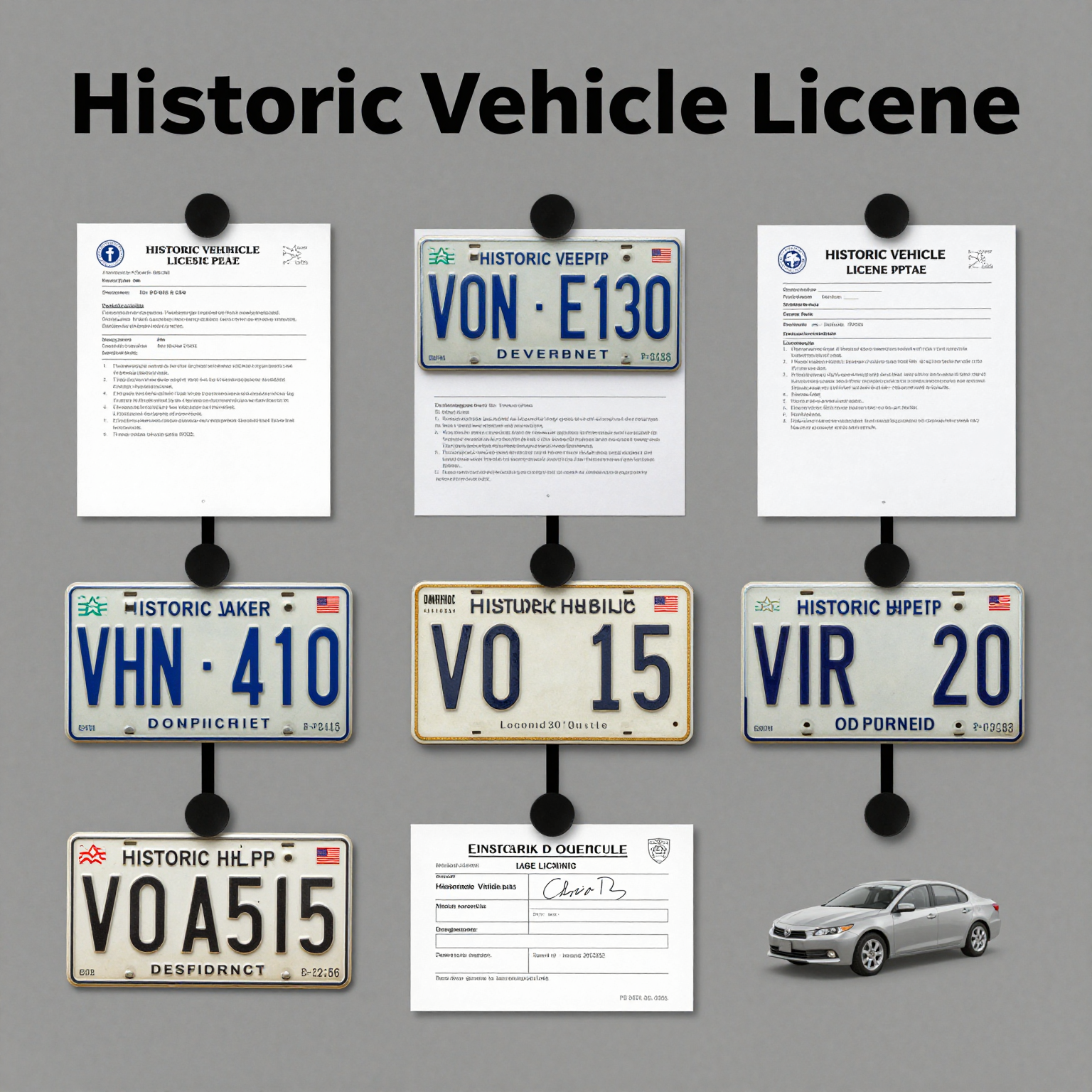
By following these steps, vehicle owners can navigate the application process for a historic vehicle license plate with ease. This not only preserves automotive history but also allows enthusiasts to honor their vehicles in a special way.
How to Get a Historic Vehicle License Plate
Acquiring a historic vehicle license plate can be an exciting journey for car enthusiasts as well as negligent drivers looking to reconnect with their vehicle’s past. A historic vehicle is typically defined as a car that is at least 20-25 years old, depending on state regulations. Here’s how to navigate the process of obtaining a historic vehicle license plate:
- Check Eligibility Requirements: Each state has different eligibility criteria for historic vehicle status. Make sure that your vehicle qualifies by checking with your local Department of Motor Vehicles (DMV). For detailed requirements based on your state, refer to US states vehicle inspection requirements.
- Gather Necessary Documentation: You’ll need to collect documents including proof of ownership, an application for the plate, and potentially a vehicle inspection certificate.
- Submit Your Application: Visit your state’s DMV website to submit your application online or in person. Additional fees may apply.

This visual representation of a historic vehicle license plate exemplifies the unique charm associated with these classic vehicles.
Obtaining a historic vehicle license plate can be a rewarding endeavor for car enthusiasts and collectors, allowing them to enjoy their vintage vehicles legally on the road. However, many applicants face various challenges during the application process. These hurdles can result in delays, increased stress, and the potential for rejection of their application. Here are some common challenges associated with applying for historic vehicle license plates:
- Documentation Issues
One of the most common issues applicants encounter is inadequate or incomplete documentation. Essential documents usually include:
- Proof of Vehicle Age: Applicants typically need to show that the vehicle is at least 25 to 30 years old. Failure to provide legitimate proof such as original build records or manufacturer documentation can hinder the application process. States like New York require a completed historical license plates form (MV-440H) and the Application for Registration/Title (MV-82) to verify eligibility (source).
- Valid Title Requirements: A clear title indicating the vehicle’s original make and model is crucial. Some jurisdictions mandate that the title must not show evidence of major modifications or alterations to ensure the vehicle’s historic authenticity (source).
-
Application Delays
Delays can arise from incomplete applications or incorrect submissions. According to the National Association of State Motor Vehicle Administrators, a significant 60% of historic vehicle plate applications experience delays due to documentation errors. Using non-certified photographs, failing to provide valid registration history, or submitting outdated forms can all result in rejection of the application (source). -
Variability Across States
Each state has different requirements and regulations concerning historic vehicle plates. This variability can create confusion for applicants, especially if they are unaware of their state’s specific qualifications. Some states may require additional documentation, such as a certified restoration report or a photo demonstration of the vehicle’s original features (source). As a result, applicants should familiarize themselves with their state’s guidelines to avoid unnecessary issues. -
Potential Rejection
If an application does not meet the specific requirements set by the state DMV, it may be rejected entirely. Common reasons for rejection include:
- Mismatched VIN numbers between documentation.
- Insufficient proof of the vehicle’s historic status.
- Inability to meet mileage limits, where some states impose restrictions on the number of miles driven annually for historic vehicles (source).
Conclusion
Aspiring vintage vehicle owners should be prepared for these challenges and take proactive steps to ensure a smooth application process for historic vehicle license plates. Understanding state regulations, having all necessary documentation ready, and ensuring compliance with any vehicle criteria can greatly reduce the likelihood of facing these common hurdles. For more comprehensive insights, check out our articles on vehicle inspection requirements and impact of state rules on driver licensing.
This summary encapsulates the common challenges of acquiring historic vehicle license plates, addressing documentation concerns, application delays, state-specific variations, and rejection possibilities.
Understanding Historic Vehicle License Plate Regulations
Obtaining a historic vehicle license plate varies significantly from state to state. This guide provides insights into the specific requirements across key states, helping vehicle owners navigate the process with ease. Whether you’re a new driver or a collector, understanding these differences is crucial to enjoying the benefits that come with owning a historic vehicle.
Comparison Table of Historic Vehicle License Plate Requirements
Here is a comparison of the requirements for obtaining a historic vehicle license plate across several key states:
| State | Eligibility Age (Years Since Manufacture) | Fee for Historic License Plate | Required Documentation | Special Conditions |
|---|---|---|---|---|
| California | 25 years or older | $25 application fee; varies annually | Vehicle title, proof of ownership, form, inspection certificate (if required) | Must not be modified; used only for parades, exhibitions, and events; must pass a safety inspection. |
| Texas | 25 years or older | $100 one-time fee; $25 annual renewal | Title, proof of ownership, application, photo of vehicle | Must retain original design; modifications allowed but cannot alter historical character; plates are under the “Historic Vehicle” classification. |
| Florida | 25 years or older | $100 initial fee; $25 annual renewal | Original title, proof of ownership, completed application, current registration | Vehicles must be in original condition or restored to factory specifications; primarily used for shows, exhibitions, and special events; no significant modifications allowed. |
| New York | 25 years or older | $100 one-time issuance fee; $25 annual | Proof of ownership, vehicle title, application form, photos, affidavit | Not used for regular transportation; must pass a safety inspection; eligible only for special events or shows. |
By examining vehicle registration requirements in various states, you can determine which is best suited for your needs. For instance, California has strict guidelines regarding the vehicle’s condition, while Texas offers more flexibility regarding modifications.
For more information on vehicle regulations and requirements, you can refer to our detailed state-specific guide or explore the implications of state rules on driver licensing through this link: State Rules Impact on Driver Licensing.
Conclusion
Navigating historic vehicle license plate requirements can be complex due to regional differences. Understanding these regulations not only helps in compliance but also enhances the enjoyment of owning a historic vehicle. Make sure to check with your state’s vehicle department for the most accurate and up-to-date information.
Conclusion
In conclusion, obtaining a historic vehicle license plate is not just a legal formality; it’s an opportunity to preserve automotive history and enjoy the unique benefits that come with owning a classic car. Throughout this article, we’ve explored the specific steps required to apply for a historic vehicle license plate, including understanding eligibility requirements, gathering necessary documentation, and submitting your application successfully. By engaging in this process, enthusiasts can not only enjoy reduced fees and fewer restrictions but also connect with a vibrant community of like-minded individuals who share a passion for vintage automobiles.
Owning a historic vehicle allows you to be part of a rich heritage, showcasing the ingenuity and craftsmanship of yesteryears. These cars often serve as conversation starters and community symbols, leading to enjoyable experiences at car shows, parades, and classic car events. By taking this step, you are not only preserving a piece of history but also contributing to the culture of automotive appreciation.
As you consider procuring a historic vehicle license plate, don’t forget to explore quality modifications and enhancements for your classic car. Summit Fairings offers a range of products designed specifically for vintage vehicles, providing an edge in both performance and aesthetic appeal. Discover more about how to elevate your historic vehicle with Summit Fairings and embark on your next journey behind the wheel of history!
Embrace the past and make your mark on the road today!
How to Get a Historic Vehicle License Plate
Obtaining a historic vehicle license plate not only legitimizes your classic car but also pays homage to its rich history. If you’re a passionate vehicle owner or simply someone who appreciates the beauty of automotive history, the process of applying for a historic plate is relatively straightforward. Here’s what you need to know:
- Eligibility Requirements: Most states require the vehicle to be a certain age, typically over 20 or 25 years, and often limit the use of these vehicles to special occasions.
- Application Process: Gather necessary documents, including proof of ownership and any state-specific forms. Check your state’s DMV website for the precise requirements.
- Fees: Be prepared to pay an application fee, which can vary significantly from state to state.
“A classic car is not just a mode of transportation; it’s a tribute to the past.”
- Anonymous
For further guidance, feel free to explore our related articles on vehicle inspection requirements or state rules impacting driver licensing.
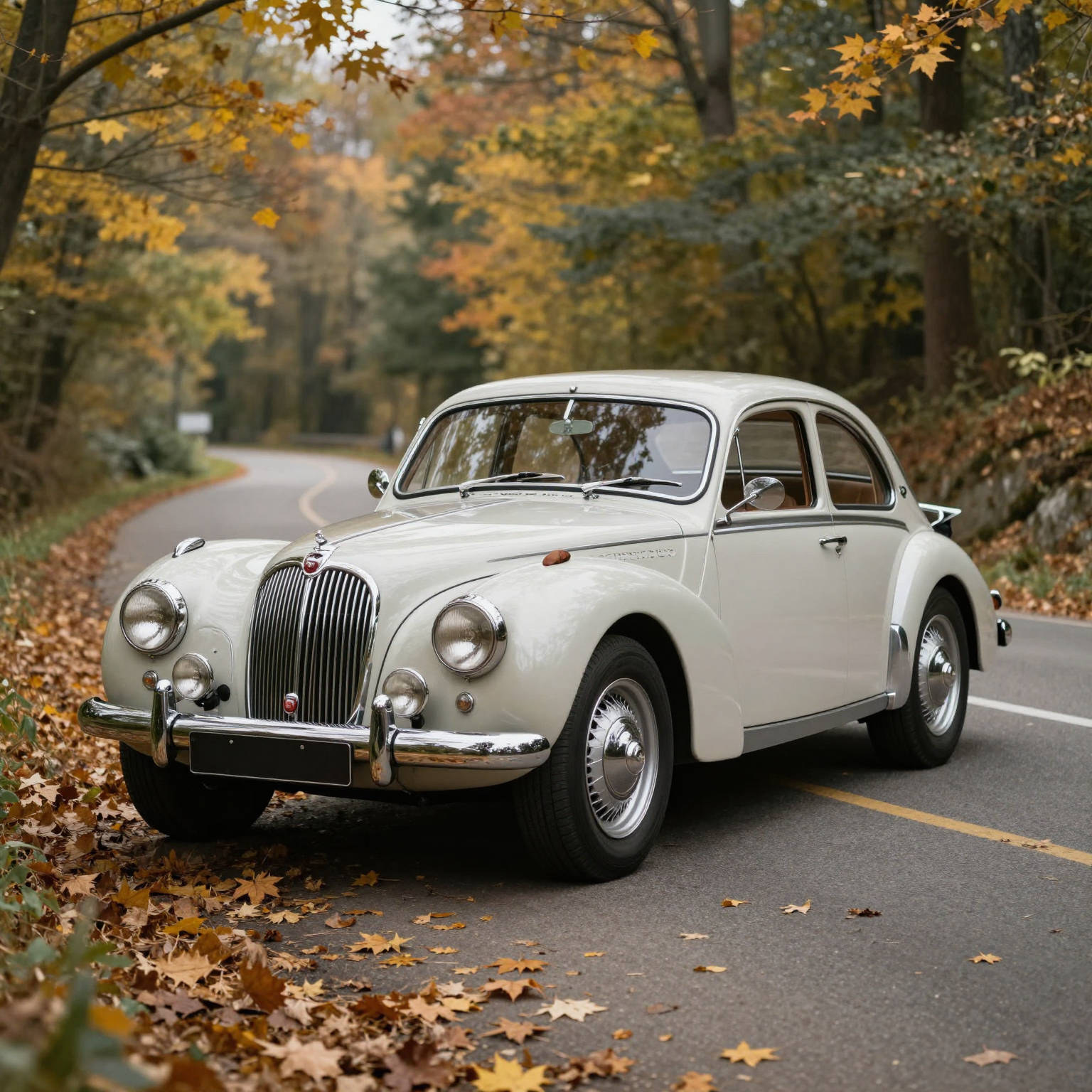
Benefits of Having a Historic Vehicle License Plate
Obtaining a historic vehicle license plate provides owners with a range of advantages, making it a worthwhile consideration for vintage vehicle enthusiasts. Below is an overview of some key benefits:
1. Tax Advantages
One of the most significant benefits of having a historic vehicle plate is the potential for tax savings. Many jurisdictions provide exemptions from annual road taxes (Vehicle Excise Duty – VED) and reduced registration fees for vehicles classified as historic. This can lead to considerable long-term savings for owners. For more detailed information, you can read about the tax exemptions for historic vehicles.
2. Exhibition Opportunities
Historic vehicles often qualify for exclusive access to various exhibitions, car shows, and rallies. Participating in these events not only allows owners to showcase their prized possessions but also facilitates networking with fellow enthusiasts and engaging in educational programs that celebrate automotive history. Check out the exhibitions for historic vehicles for upcoming events.
3. Insurance Benefits
Owners of historic vehicles can enjoy specialized insurance policies that generally come with lower premiums. These policies cater to vehicles that see minimal use, providing coverage adapted to their unique needs. This can include benefits for restoration work and specialized parts, making it an appealing option for historic vehicle owners. To better understand your options, you can refer to this classic car insurance guide.
4. Reduced Emissions Standards
Lastly, historic vehicles are usually exempt from modern emissions regulations, allowing them to operate without the burden of compliance with stringent environmental standards. This aspect highlights their unique status and makes them more appealing to collectors.
Benefits Summary Table
| Benefit | Description |
|---|---|
| Tax Advantages | Exemption from annual road tax (VED) and reduced registration fees in many countries. |
| Exhibition Opportunities | Access to exclusive car shows, historic rallies, and museum exhibitions reserved for vehicles with historic status. |
| Insurance Benefits | Specialized insurance policies for historic vehicles typically offer lower premiums due to limited annual mileage and usage frequency. |
| Reduced Emissions | Generally exempt from strict emissions regulations, not needing to comply with modern environmental standards. |
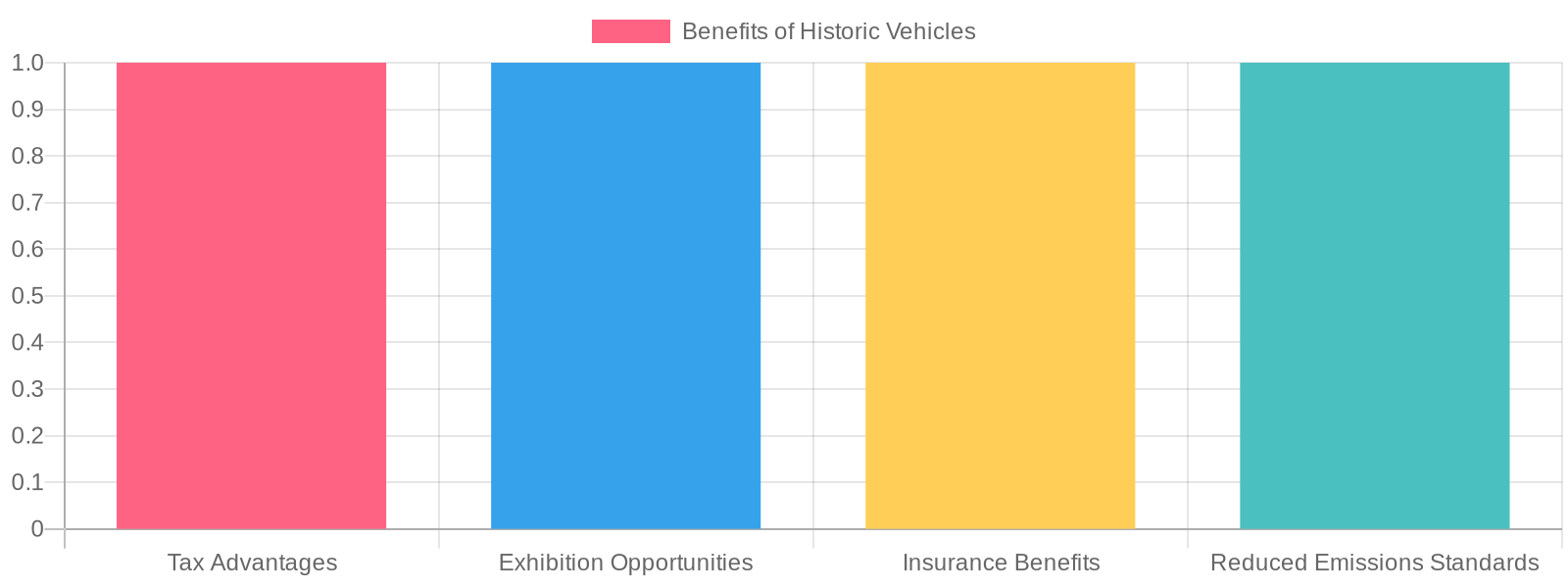
Figure: Bar chart illustrating the benefits of historic vehicles.
These benefits highlight the value of obtaining a historic vehicle license plate, making it an intriguing option for vehicle owners who appreciate classic automobiles.