
Introduction to Obtaining a Vehicle Wholesale License
Acquiring a vehicle wholesale license can open doors to a variety of opportunities for a diverse range of individuals, from new drivers and current vehicle owners to auto dealerships seeking broader market access. For new drivers and learners, understanding the significance of this license is paramount, as it allows for easier access to vehicles at wholesale prices, streamlining the purchasing process. Existing drivers and vehicle owners can benefit by developing a keen financial advantage through bulk purchases and resales. Auto dealerships, on the other hand, find that obtaining this license enhances their operational capabilities by granting access to a wider inventory at lower costs. As this article unravels the intricacies of obtaining a vehicle wholesale license, it will shed light on the steps involved and the essential benefits that come with it, tailored to suit the needs of each audience.
Key Benefits of Having a Vehicle Wholesale License
Obtaining a vehicle wholesale license offers numerous benefits tailored to different audiences, including new drivers, vehicle owners, and auto dealerships. Here’s a closer look at some of the key advantages:
-
Cost Savings: A vehicle wholesale license allows holders to purchase vehicles at wholesale prices, often significantly lower than retail prices. This can result in substantial savings, especially for dealerships and fleet owners seeking to expand their inventory without straining budgets.
-
Increased Inventory Options: Licensed wholesalers can access a wider variety of vehicles, enabling better selection tailored to customer demands. This is particularly beneficial for auto dealerships, as it allows them to customize their inventory based on local market trends.
-
Streamlined Sales Process: With a wholesale license, individuals or businesses can sell vehicles directly to other dealers and licensed commercial buyers. This reduces the complexities involved in retail sales, such as consumer financing and trade-in evaluations, providing a more straightforward transaction process.
-
Networking Opportunities: Holding a wholesale license can foster networking connections with other dealers and industry professionals. This can lead to collaboration opportunities, better business partnerships, and improved dealership visibility in the marketplace.
-
Regulatory Compliance: A wholesale license ensures adherence to local and state regulations governing vehicle sales, which can protect businesses and individuals from potential legal issues or fines. Complying with regulations fosters trust with customers and improves the overall credibility of the business.
For further information about the vehicle wholesale license and its impact on sales processes, you might find it helpful to learn more about state rules impacting driver licensing.
Additionally, exploring vehicle inspection requirements can provide further insights into maintaining compliance.
Eligibility Requirements for a Vehicle Wholesale License
Acquiring a vehicle wholesale license is crucial for individuals and businesses intending to engage in wholesale vehicle transactions. Understanding the eligibility requirements is essential to streamline the application process. These requirements can differ significantly between individuals and auto dealerships, making it important for applicants to familiarize themselves with the necessary criteria.
Requirements for Individuals
Individuals applying for a vehicle wholesale license must adhere to the following criteria:
- Legal Entity Type: Applicants must be of legal age with the capacity to enter contracts. Sole proprietors need appropriate business registrations.
- Credit Requirements: A good credit history is mandatory, typically requiring a minimum credit score of 650. New applicants must not have significant delinquencies or bankruptcies within the past five years.
- Training & Certification: Completion of a state-approved dealer training course (such as “Dealer Licensing Fundamentals”) is usually required, along with passing a written examination.
- Bonding Requirement: Most states require individuals to secure a surety bond, often between $50,000 and $100,000, issued by an accredited bonding company.
- Business Registration: Individuals must register a business name, or, if applicable, operate under a formal business structure (like an LLC).
- Facility Requirements: While a physical office may not be mandatory, applicants need a verifiable business address for correspondence and operations.
- Vehicle Inspection & Compliance: Individuals typically do not wholesale vehicles, but compliance with any applicable laws and regulations is essential.
- State-Specific Licenses: Additional permits might be necessary depending on the state, such as sales tax permits.
Learn more about vehicle inspection requirements in your state. Visit here
Requirements for Auto Dealers
Auto dealership applicants face a different set of requirements. These include:
- Legal Entity Type: To qualify for a wholesale license, dealerships must be established business entities (such as LLCs or corporations) with valid state business licenses.
- Credit Requirements: A credit check for business credit history is essential. A minimum business credit score also needs to be maintained, typically at least 650, and new businesses might need personal guarantees due to uncertain credit history.
- Training & Certification: Dealers must complete advanced dealer training programs covering aspects like vehicle title verification, state compliance regulations, and anti-fraud procedures.
- Bonding Requirement: Dealerships usually face higher bonding amounts, often ranging from $100,000 to $250,000, which must be filed with the state’s Department of Motor Vehicles (DMV).
- Business Registration: Proof of registration, such as Articles of Organization or Incorporation, is a prerequisite for business entities.
- Facility Requirements: A physical business location must be maintained, complete with proper signage, approved office space, and inventory storage.
- Vehicle Inspection & Compliance: All wholesale vehicles offered by dealers must pass pre-sale inspections and comply with state safety and emissions standards.
- State-Specific Licenses: Auto dealers must obtain a valid wholesale dealer license through their respective state agencies.
You can explore state laws that impact driver licensing here.
Visual Representation of Eligibility Requirements
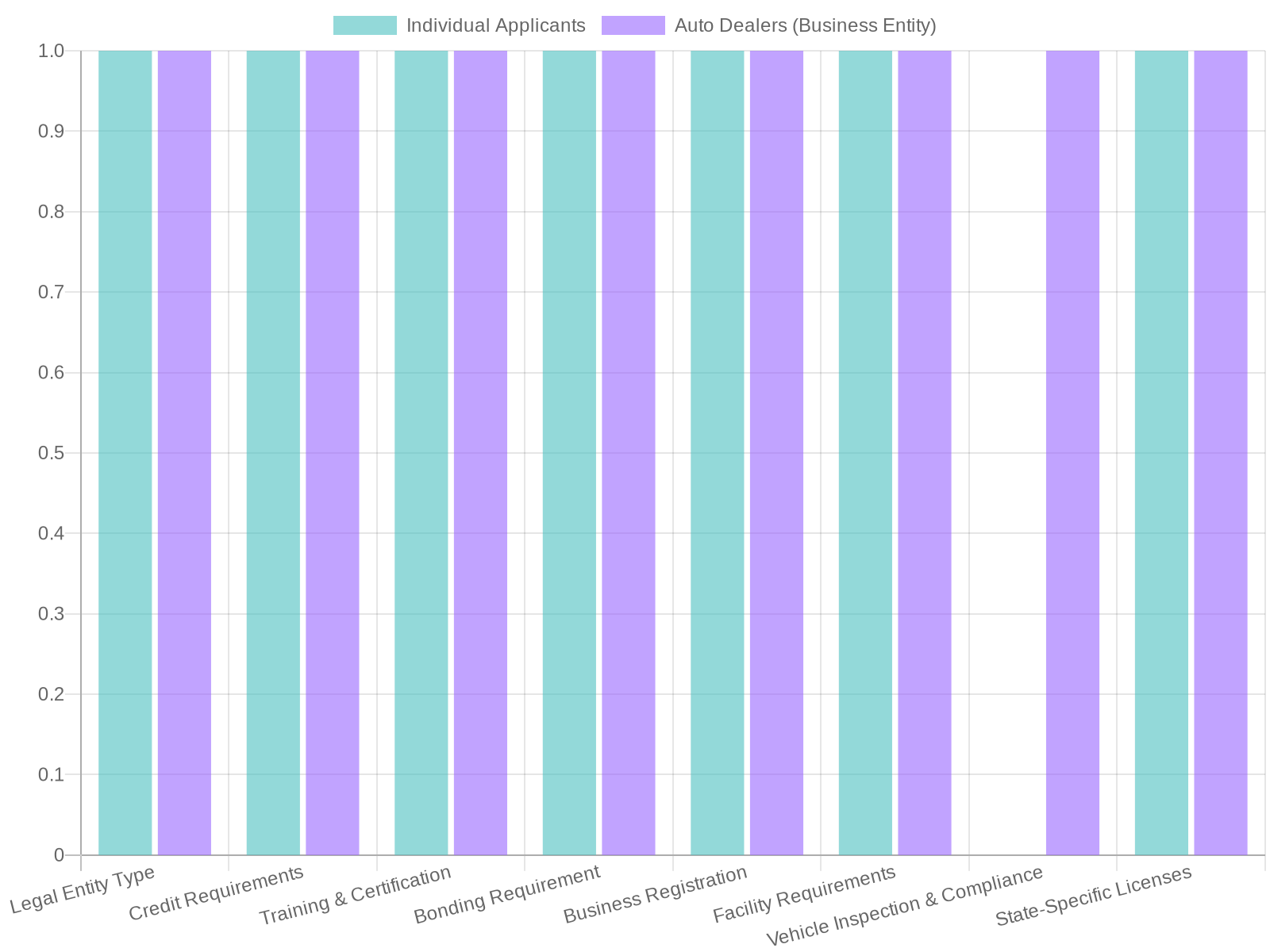
This chart illustrates the differences in eligibility requirements for individuals and auto dealers applying for a vehicle wholesale license.
Summary of Eligibility Requirements Chart
| Eligibility Requirement | Individual Applicants | Auto Dealers (Business Entity) |
|---|---|---|
| Legal Entity Type | Must be an individual; businesses require registration. | Must be a registered business (e.g., LLC). |
| Credit Requirements | 650+ credit score needed. | 650+ business credit score required. |
| Training & Certification | State-approved training and exam. | Advanced dealer compliance training mandatory. |
| Bonding Requirement | $50,000-$100,000 surety bond. | $100,000-$250,000 surety bond. |
| Business Registration | Registered DBA or business structure required. | Proof of incorporation is necessary. |
| Facility Requirements | Business address verification needed. | Must maintain physical office space. |
| State-Specific Licenses | Additional permits may be required. | Must hold a valid dealer license from the state. |
How to Get a Vehicle Wholesale License
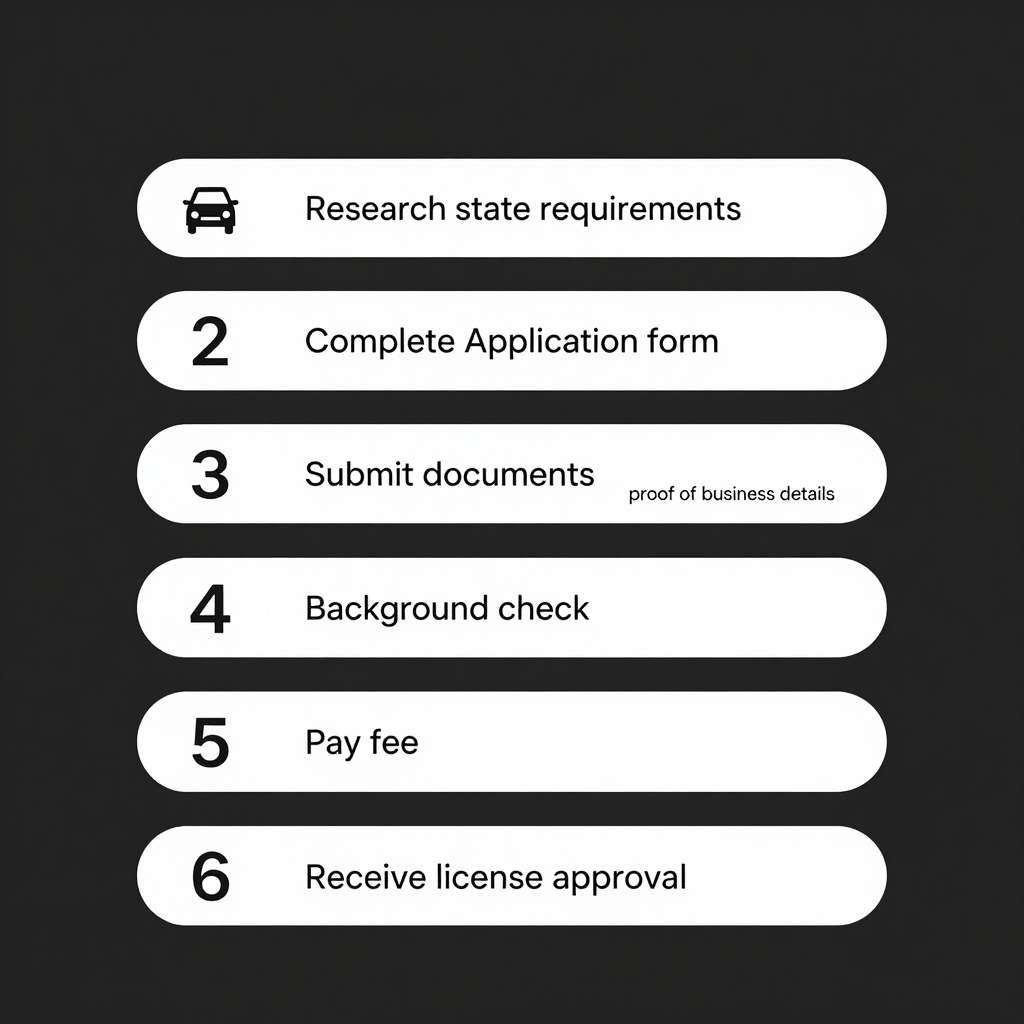
Obtaining a vehicle wholesale license is crucial for individuals or businesses aiming to engage in the wholesale automotive market. The application process may vary from state to state, but there are general steps that applicants must follow. Here’s a concise overview of the typical process:
1. Determine Eligibility
Before applying, ensure you meet the eligibility criteria set by your state, which may include:
- Minimum age requirements (usually 18 years)
- No felony convictions related to deception or fraud
2. Business Setup
Most states require applicants to prove they have a physical place of business. This includes renting or owning a commercial space (PO boxes are often not allowed). You must also have a business license registered in your state.
3. Gather Required Documents
Relevant documents typically include:
- Completed application form
- Proof of business location
- Employer Identification Number (EIN)
- Surety bond (often in amounts around $50,000)
- Business plan may also be required
4. Application Submission
Submit your application along with the required documentation to the state’s Department of Motor Vehicles (DMV) or equivalent authority. Fees can vary, often ranging from $500 to $3,000.
5. Background Check
Most states will conduct a criminal background check. Be prepared for fingerprinting, which may involve a fee.
6. Approval Process
Once your application is submitted, it may take 30 to 120 days for approval, depending on the state. During this time, some states may require an interview or inspection of your business premises.
7. Receive Your License
Upon approval, you will receive your vehicle wholesale license. Ensure to display it prominently at your place of business.
8. Compliance
Stay compliant with local, state, and federal regulations to maintain your license. This includes adhering to dealer practices, maintaining accurate records, and completing any continuing education or renewals.
To gain deeper insights into how local regulations affect driver licensing, you can learn more about state rules.
Overview of the Application Process
Here’s a quick comparison of the processing time and costs in various states:
| State | Processing Time (Days) | Estimated Cost ($) |
|---|---|---|
| California | 75 | 1,500 – 2,000 |
| Texas | 37.5 | 1,000 – 1,500 |
| Florida | 52.5 | 1,250 – 1,750 |
| New York | 105 | 2,000 – 3,000 |
| Illinois | 75 | 1,000 – 1,500 |
| Ohio | 52.5 | 1,200 – 1,800 |
| Georgia | 37.5 | 1,000 – 1,500 |
For a more detailed view of the average processing time for vehicle wholesale license applications across states, see the bar chart visualization here.
| State | Application Fee | Renewal Fee | Additional Costs |
|---|---|---|---|
| California | $400 | $350 | Surety bond and background checks required |
| Florida | $250 | $200 | Possible county-specific fees |
| Texas | $150 | $100 | Surety bond (usually $25,000) |
| Washington | $975 | N/A | Single flat fee covers both application and renewal |
| New York | $200 | $150 | Varies by municipality |
| Illinois | $100 | $100 | Varies by type of dealership and locale |
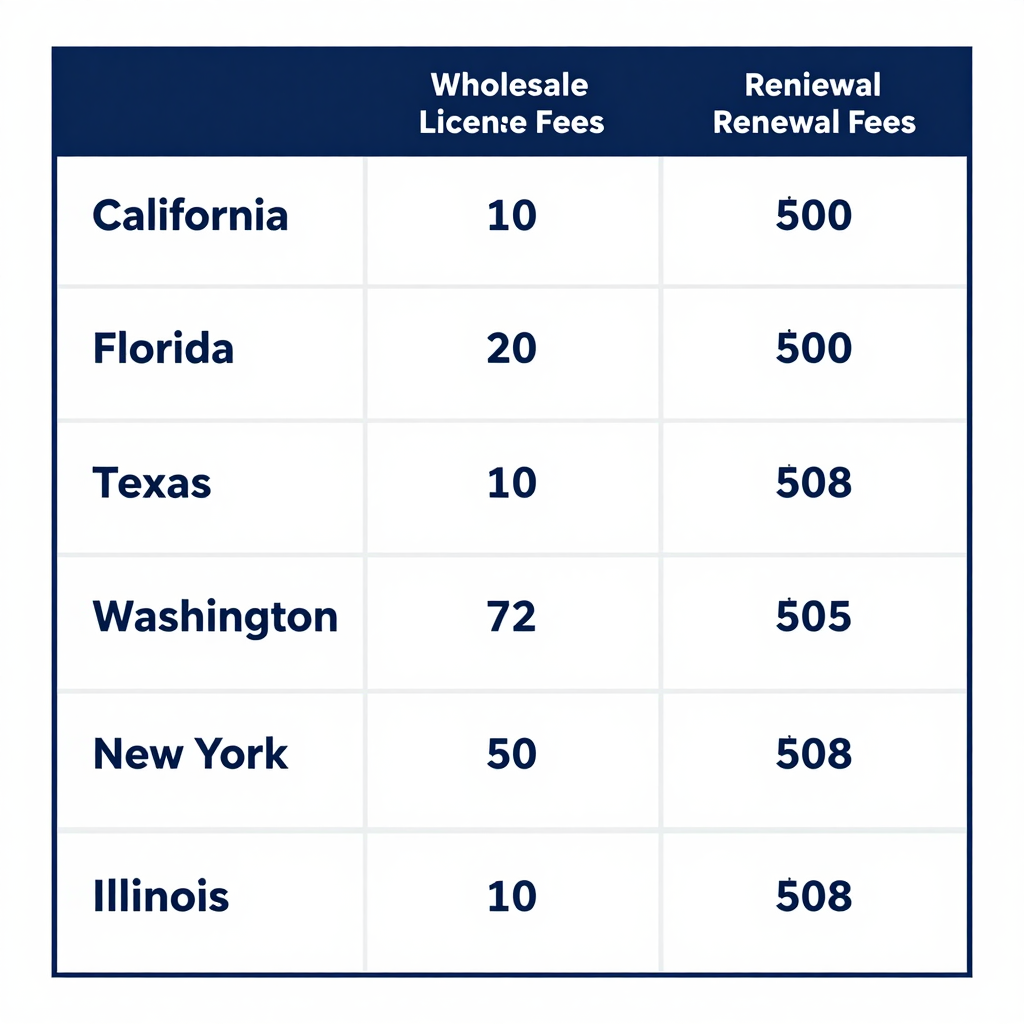
Obtaining a vehicle wholesale license in varied states involves understanding the associated costs, which can significantly influence new dealership setups. Each state has its own unique fee structure that includes application fees and renewal fees, with potential additional costs such as surety bonds which are often mandatory.
For further details on the impact of state rules on driver licensing, you can learn more about it here.
Understanding these costs is vital for new drivers, learners, and even established dealerships looking to expand their operations in different states. Therefore, budgeting for these fees is essential for prospective vehicle dealers.
To ensure compliance with local regulations, you may also want to explore vehicle inspection requirements relevant to your state of operation.
Maintaining a Vehicle Wholesale License
After successfully obtaining a vehicle wholesale license, maintaining compliance becomes paramount to ensure your business operates smoothly and legally. Here are key aspects to consider:
Renewal Processes
Typically, vehicle wholesale licenses require renewal every one to three years, depending on state regulations. Each state mandates specific procedures for license renewal, often including:
- Proof of Compliance: You must provide evidence that all vehicles sold under your license met maintenance standards and compliance regulations over the previous license term. For example, records must demonstrate that all maintenance and service activities were documented accurately within a digital system.
- Verification of Records: Many states now require third-party verification of maintenance records, necessitating integration with platforms like Carfax or AutoCheck to confirm accurate vehicle history.
- Application Submission: Submit the renewal application alongside any required fees and documentation before the expiration date of your current license to avoid penalties.
For detailed guidelines on renewal processes, refer to this source for federal and state compliance standards.
Record-Keeping Requirements
Maintaining comprehensive records is critical for compliance and future audits. Recent guidelines suggest:
- Digital Maintenance and Repair Logs: Keep a tamper-proof digital record of all vehicle repairs, including details such as Vehicle Identification Number (VIN), date of service, mileage, services performed, and costs incurred, which must be stored for at least seven years after vehicle sale.
- Audit Trails: Implement systems that produce automatic audit trails. This not only assists in future renewals but also ensures readiness for spot checks by regulatory authorities.
- Annual Reviews: Conduct regular checks to ensure that your record-keeping systems comply with state and federal standards, minimizing the risk of fines.
Failure to maintain accurate records can lead to substantial penalties and even revocation of your wholesale license. Adhering to these practices not only simplifies the renewal process but also aids in sustaining your dealership’s reputation. Stay informed about compliance and renewal timelines!
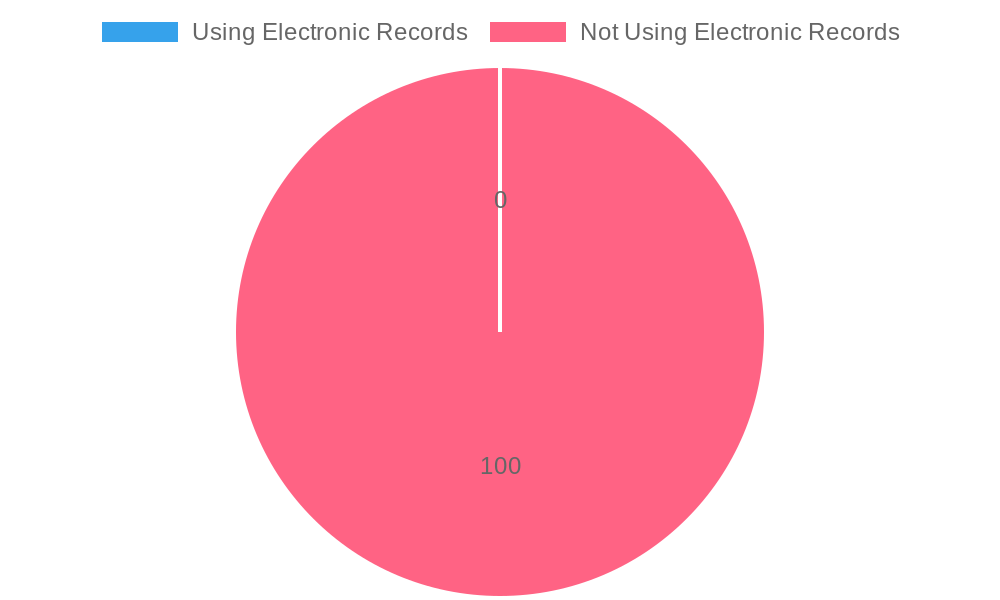
By remaining diligent with documentation and renewals, vehicle wholesalers can ensure operational continuity and regulatory compliance.
Testimonials from Licensed Wholesalers
Adding personal experiences from licensed wholesalers gives real-world credence to the process of obtaining a vehicle wholesale license:
“Since joining the platform, my average sell time has dropped by 40%, and I’ve built trust with repeat buyers through real-time data sharing.”
- Wholesaler from Truckstop.com
“Our business hinges on trust-having a valid license proves we operate ethically and legally, which strengthens relationships with dealers and regulators alike.”
- Vehicle Wholesale Licensee as cited by Automotive News
These insights reflect the benefits and responsibilities associated with being a licensed wholesaler in the automotive industry.
The vehicle wholesale market has demonstrated significant growth recently, reflecting robust trends in both commercial and used vehicle sectors. This growth is particularly relevant for potential licensees looking to enter this dynamic market.
Recent Statistics
-
Global Commercial Vehicle Sales: In 2023, global sales of commercial vehicles (including trucks and buses) surged by over 22%, reaching 3.539 million units. Notably, semi-trailer sales increased by 69%, totaling 504,000 units. This impressive growth is primarily attributed to strong demand, particularly in the Chinese market, which saw sales exceeding 4 million units source.
-
Used Vehicle Wholesale Transactions in China: The volume of used vehicle wholesale transactions in China reached a staggering 13.9 million units in 2023, comprising nearly 96.3% of the total used vehicle market. This point underscores the dominance of the wholesale sector in the secondary market and highlights significant opportunities for new entrants source.
-
Continued Demand and Emerging Trends: The passenger vehicle segment also showed signs of recovery, with retail sales in China growing by 8.5% year-on-year in December 2023, marking a rebound in consumer demand post-pandemic source.
Implications for Potential Licensees
The growth within the vehicle wholesale market presents several strategic insights for potential licensees:
-
Increased Demand: The data suggests a strong consumer appetite for vehicles, both new and used. This demand can create lucrative opportunities for wholesalers who can effectively source and supply vehicles.
-
Market Dominance of Used Vehicles: With an increasing number of used vehicles being transacted through wholesale channels, licensees can capitalize on this trend by targeting the used vehicle wholesale market, which offers higher transaction volumes learn more about state rules impacting vehicle licensing.
-
Regional Opportunities: The notable growth in Chinese commercial vehicle sales and the stability of the global market highlight potential areas for investment and development. Licensees may benefit from focusing on regions showing rapid market expansion.
Conclusion
The statistics surrounding the vehicle wholesale market must be viewed as a beacon of opportunity for potential licensees. Understanding these trends can provide valuable insights into entering and thriving in a competitive landscape. As the market continues to evolve, adaptability and proactive engagement will be crucial for sustained success in this sector.
Conclusion on Vehicle Wholesale License Importance
In summary, obtaining a vehicle wholesale license offers substantial benefits for various stakeholders in the automotive industry, including new and existing drivers, vehicle owners, and auto dealerships. This license not only allows dealers to access vehicles at a lower price, which can result in significant cost savings-potentially saving $2,000 per vehicle on bulk purchases-but also provides exclusive access to dealer-only auctions. This dynamic entry into the market empowers dealerships to optimize inventory management and increase competitiveness, especially during price wars or economic downturns.
For new drivers and learners, a better-insulated dealership means more reliable vehicle transactions, while existing drivers and vehicle owners gain peace of mind knowing that reputable dealers are engaged in fair practices. Therefore, understanding the significance of a wholesale license is paramount for anyone within or entering this market.
To further enhance your experience in the automotive sector, consider exploring the benefits of specialized equipment from Summit Fairings, designed to optimize vehicle performance and ensure quality in every drive.