Harjinder Singh’s case is a critical lens through which we can understand the complexities and dangers associated with commercial driver’s license (CDL) issuance in the United States. Facing three manslaughter charges and three counts of vehicular homicide, Singh’s tragic involvement in a fatal crash has uncovered alarming state oversight failures, particularly concerning CDL compliance issues.
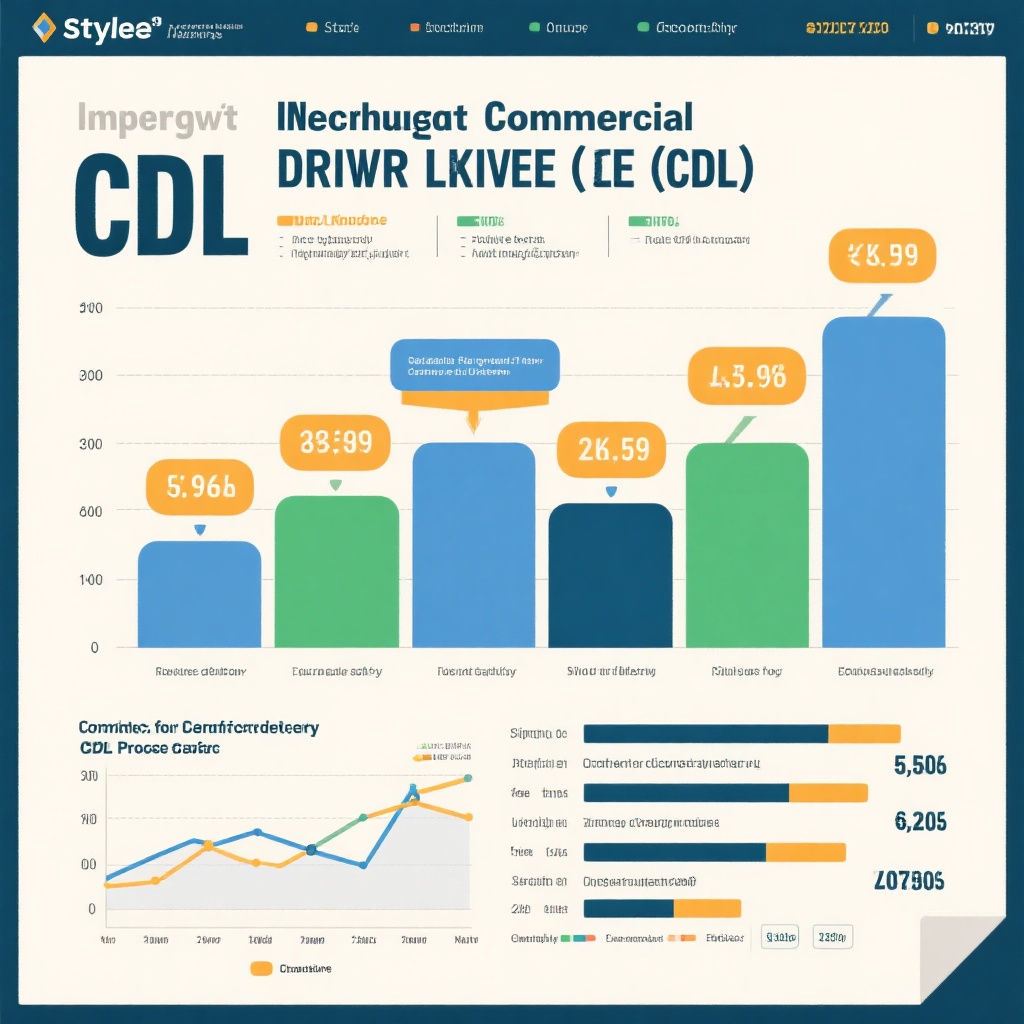
Washington’s recent audit revealed 685 instances of incorrect CDL issuances between January 1, 2018, and August 31, 2025, calling into question the integrity of the licensing process. In stark contrast, the state issued 1,823 non-domiciled CDLs and 11,219 standard CDLs in 2024 alone, indicating a potential systemic issue that could endanger vehicle safety regulations and public safety.
As we delve into the particulars of Singh’s case, we aim to highlight the bigger picture regarding regulatory compliance, the implications of licensing mistakes, and the pressing need for accountable practices in the trucking industry, which is vital for maintaining oversight and ensuring safety standards.
The implications of the Harjinder Singh case on state compliance are significant and far-reaching. Following this tragedy, Washington State’s Department of Licensing (DOL) initiated audits that revealed 685 instances of incorrect CDL issuances, underscoring serious flaws in the state’s licensing process. These inaccuracies raise essential questions regarding not just the efficacy of testing procedures but also the inclusion of equity considerations, particularly regarding the treatment of non-native English speakers.
In light of the findings from the audits, Washington has committed to overhauling its CDL testing program. The DOJ’s involvement highlighted that many of those who were incorrectly issued licenses or failed their tests suffered from discriminatory practices inherent in the process. This situation necessitated strategic reforms to comply with federal standards, including trained monitoring and new testing protocols to prevent future errors.
This case serves as a crucial example of how individual instances of oversight can illuminate broader systemic issues within state compliance systems. With the high stakes implicated in commercial driver’s licensing, it becomes imperative that states not only correct immediate failures but also implement sustainable practices that reinforce accountability and uphold public safety standards. Ultimately, the Harjinder Singh case has catalyzed a necessary reevaluation of CDL issuance processes, emphasizing the need for robust reforms that ensure fairness and safety in our roads.
In the wake of recent audits, the Washington State Department of Licensing stated, “We take these findings seriously and are implementing additional safeguards to ensure compliance with federal CDL requirements. We acknowledge instances where documentation was incomplete and are enhancing our verification processes and staff training to prevent future discrepancies.” This response reflects a commitment to improve, emphasizing the importance of rigorous verification in maintaining public safety.
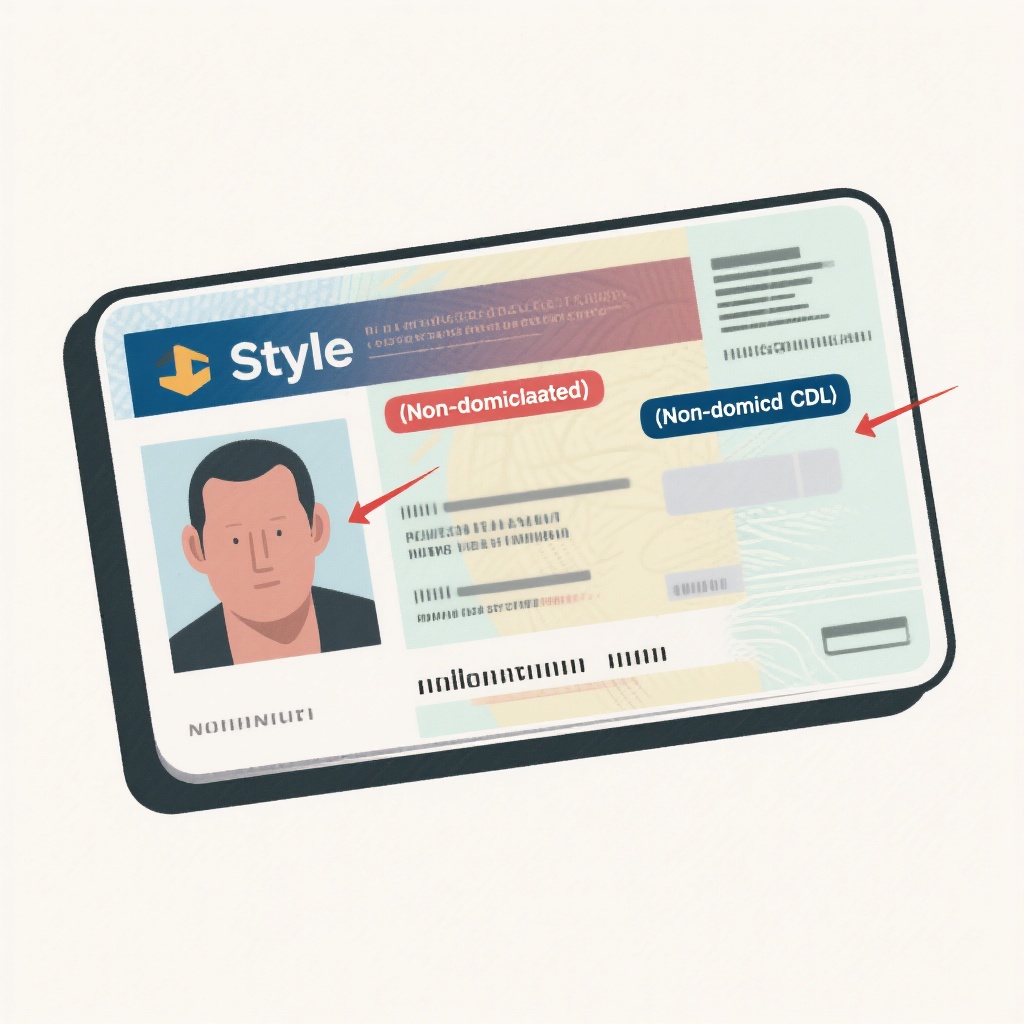
In 2024, Washington State issued a total of 1,823 non-domiciled Commercial Driver’s Licenses (CDLs). This issuance is indicative of a significant concern within the licensing process, especially regarding compliance with federal regulations. A recent federal audit revealed that there are systemic failures in Washington’s compliance with these regulations, which stipulate eligibility criteria for non-citizens.
Over a seven-year span, Washington has erroneously issued 685 standard CDLs to ineligible non-citizens, which raises serious questions about the state’s licensing standards and processes.
Nationally, about 20,000 non-domiciled CDL holders exist, and Washington’s substantial share contributes to broader concerns that necessitate addressing. The scrutiny surrounding these licenses highlights the need for reform in the state’s approach to ensuring the safe operation of commercial vehicles.
| Type of CDL | Issuance in 2024 | Discrepancies Identified |
|---|---|---|
| Non-Domiciled CDLs | 1,823 | 685 incorrect issuances |
| Standard CDLs | 11,219 | Not applicable |
The Harjinder Singh case has significant implications for federal oversight of Commercial Driver’s License (CDL) licensing. Ensuring safety and consistency in commercial vehicle operations across state lines is the responsibility of federal agencies like the Federal Motor Carrier Safety Administration (FMCSA) and the Department of Transportation (DOT). These agencies set national standards that state licensing authorities must follow to issue CDLs properly.
Singh’s involvement in a serious crash has prompted a closer examination of CDL licensing practices. This examination has uncovered potential weaknesses in how states comply with federal regulations. The FMCSA plays a vital role here, as it enforces safety rules and can step in if a state’s practices fall short of federal guidelines. With Washington reporting over 600 instances of incorrect CDL issuances, the FMCSA may need to determine if states require more training or oversight to meet national standards.
The DOT also contributes by developing regulations that outline eligibility criteria and required training for CDLs. It is important that states have strong protocols for thoroughly evaluating applicants. Errors, like the incorrect issuing of non-domiciled CDLs, raise serious concerns about whether state agencies, such as Washington’s Department of Licensing, are following federal rules and protecting public safety. If states do not address these issues, it could lead to more federal intervention and a national discussion about improving CDL compliance practices.
The Harjinder Singh case serves as a wake-up call for potential reforms in state CDL management. It may require reevaluating the processes for issuing CDLs and the training provided to staff involved. Federal agencies should collaborate with states to ensure licensing practices align with national standards and prioritize public safety.
In summary, the Harjinder Singh incident highlights the need for strong federal oversight in CDL licensing to maintain the integrity of commercial driving and protect public safety on the roads.
Expert Opinions on CDL Regulations and Safety
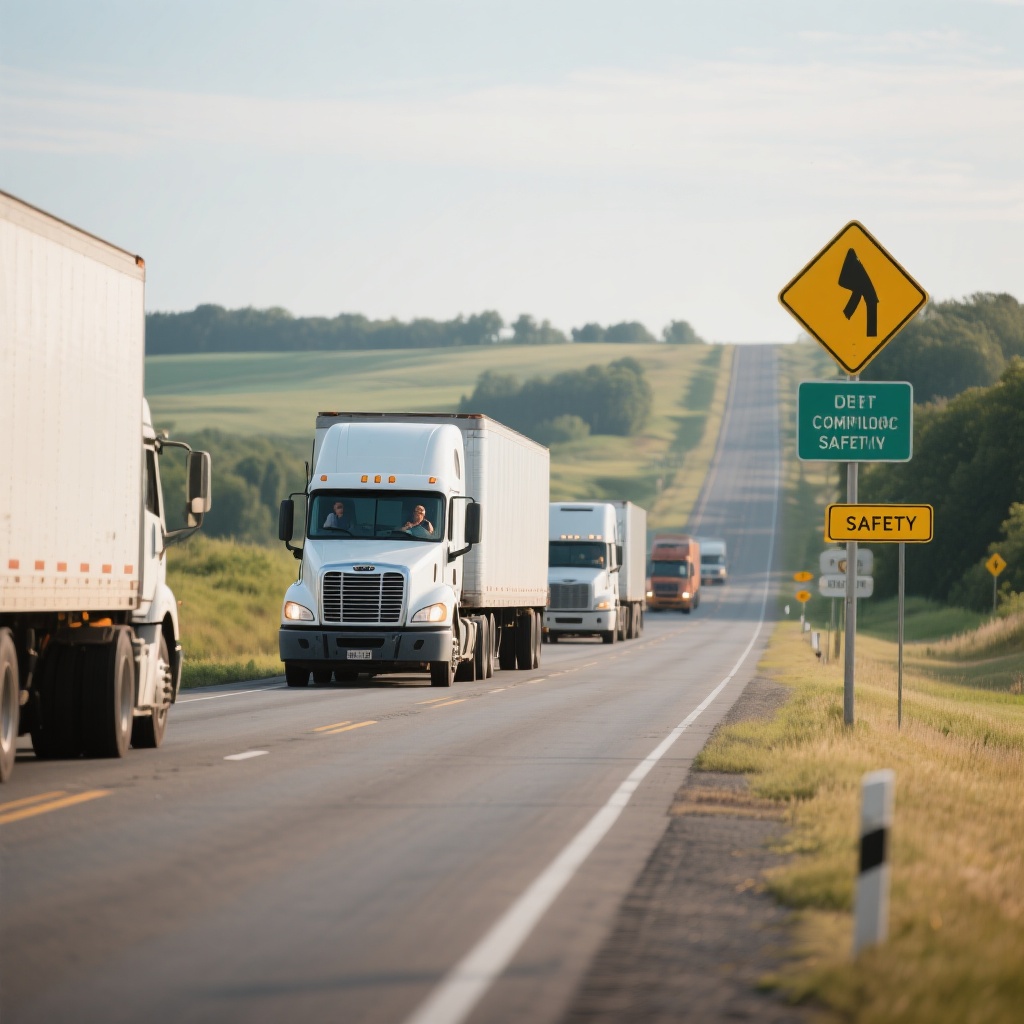
Industry experts consistently emphasize that uniform standards in Commercial Driver’s License (CDL) regulations are essential for maintaining safety on our roads. According to the American Trucking Associations, “Inconsistent licensing standards between states create safety gaps that put all road users at risk.” This concern is echoed by FMCSA Administrator Robin Hutcheson, who stated, “Uniform CDL standards are the foundation of commercial motor vehicle safety. They ensure that every driver on our roads has demonstrated the same baseline knowledge and skills.” The FMCSA has highlighted the phenomenon of ‘license shopping,’ where drivers seek certifications in states with less rigorous requirements due to non-uniform standards.
Research supports these assertions as well; a study from the Transportation Research Board found that states adhering more strictly to federal CDL standards experienced 11% fewer commercial vehicle-related crashes. The report concluded that “uniform implementation of CDL regulations is directly correlated with improved safety outcomes and reduced variability in driver performance.” Moreover, leaders from major trucking associations have voiced a united call for stronger federal oversight in CDL issuance, cautioning that without nationwide consistency in testing and licensing, professional drivers and the motoring public face unnecessary risks.
Additionally, insights from the National Highway Traffic Safety Administration emphasize that proper CDL training leads to significant reductions in crash rates. With an annual report showing that drivers with the right credentials face 27% fewer accidents, the call for federal and state alignment on testing standards becomes even more imperative.
Furthermore, an analysis by the Government Accountability Office underscores that states with rigorous licensing processes show 31% lower commercial vehicle crash rates, which highlights the impact that effective compliance practices can have on overall road safety.
In conclusion, the case of Harjinder Singh starkly illustrates the urgent need for thorough regulatory oversight in the issuance of Commercial Driver’s Licenses (CDLs). The alarming discovery of 685 instances of incorrect CDL issuance highlights systemic failures within Washington State’s Department of Licensing and raises broader concerns about the adherence to established federal standards. As we have seen, the implications of these failures extend beyond State lines, posing significant risks to public safety and the integrity of the trucking industry as a whole.
Moving forward, it is imperative that states strengthen their compliance frameworks to prevent similar oversights. The call for reform has never been clearer, as various stakeholders, including federal agencies like the FMCSA, emphasize the necessity for uniform standards in CDL licensing. This case must serve as a wake-up call for state licensing authorities to reevaluate their processes, enhance training, and ensure equity in testing protocols for all applicants. Ultimately, reinforcing rigorous oversight and compliance will be crucial in safeguarding public safety and restoring trust in the CDL issuance process across the nation.
The findings highlighted in the previous section regarding non-domiciled Commercial Driver’s Licenses (CDLs) reveal critical challenges that, at the heart of it, paint a broader picture of systemic failures within Washington’s licensing processes. As we transition into discussing the implications of Harjinder Singh’s case, it becomes evident that these individual oversights are not isolated but rather indicative of the urgent need for comprehensive reform in the state’s approach to regulatory compliance.
Harjinder Singh’s tragic case underscores how lapses in the licensing process can yield catastrophic outcomes, bringing into question the very fabric of safety protocols that states are meant to uphold. Errors in licensing not only jeopardize public safety but also highlight the need for stringent oversight and a reevaluation of how CDLs are managed. As we explore the implications of his case on state compliance, we will see that it reflects a critical inflection point in the ongoing dialogue about accountability and the measures necessary to ensure that the integrity of the commercial driving profession is maintained.