
When it comes to ensuring safety on the roads, obtaining a motor vehicle inspection license is a crucial step for new drivers, learners, and vehicle owners alike. This license not only certifies that a vehicle meets specific safety and environmental standards, but it also plays a fundamental role in protecting the health and safety of all road users. Proper vehicle inspections help identify potential mechanical issues before they become serious hazards, thus minimizing the risk of accidents and costly repairs. For those seeking to navigate the complex landscape of vehicle ownership or embark on a driving career, understanding the importance of vehicle inspections can provide peace of mind and enhance their driving experience. Furthermore, for auto dealerships and those in the automotive industry, compliance with inspection regulations is essential, as it impacts overall consumer trust and public safety. To learn about state regulations and requirements for vehicle inspections, check out this resource.
Requirements to Obtain a Motor Vehicle Inspection License
- Minimum Age Requirement
- Applicants must typically be at least 18 years old.
- Some states may allow applicants who are 16 or 17 years old to pursue a license under specific conditions (e.g., parental consent).
- Educational Requirements
- A high school diploma or equivalent is often required.
- Completion of a state-approved training program or vocational course related to vehicle inspection may be necessary.
- Training and Certification
- Successful completion of a training course that covers inspection procedures, safety standards, and vehicle mechanics is essential.
- Practical training may also be required, wherein candidates perform supervised inspections.
- Examination
- A written exam typically assesses knowledge of safety regulations, inspection procedures, and mechanical systems.
- Some jurisdictions might require a practical skills test to evaluate hands-on inspection abilities.
- Background Check
- Applicants may undergo a criminal background check, particularly if they will be inspecting vehicles in a professional setting.
- Documentation Requirements
- Applicants must provide valid identification (e.g., driver’s license).
- Proof of education (e.g., diploma, transcripts).
- Certificates of completion from training programs.
- A completed application form, often including a fee.
- State-Specific Requirements
- Each state has unique regulations regarding inspection licenses. For example:
- California: Requires both safety and emissions inspection certifications every two years.
- Texas: Focuses on safety inspections only.
- Be sure to check specifics for your state through resources like the U.S. Environmental Protection Agency and the National Conference of State Legislatures.
Conclusion
Obtaining a motor vehicle inspection license entails meeting age, educational, training, and documentation requirements that vary by state. Ensure to consult local guidelines to adhere to all necessary regulations. A well-prepared candidate will not only fulfill these criteria but also ensure vehicle safety standards are upheld across the board. For more detailed information on inspection requirements by state, consider visiting this comprehensive guide.
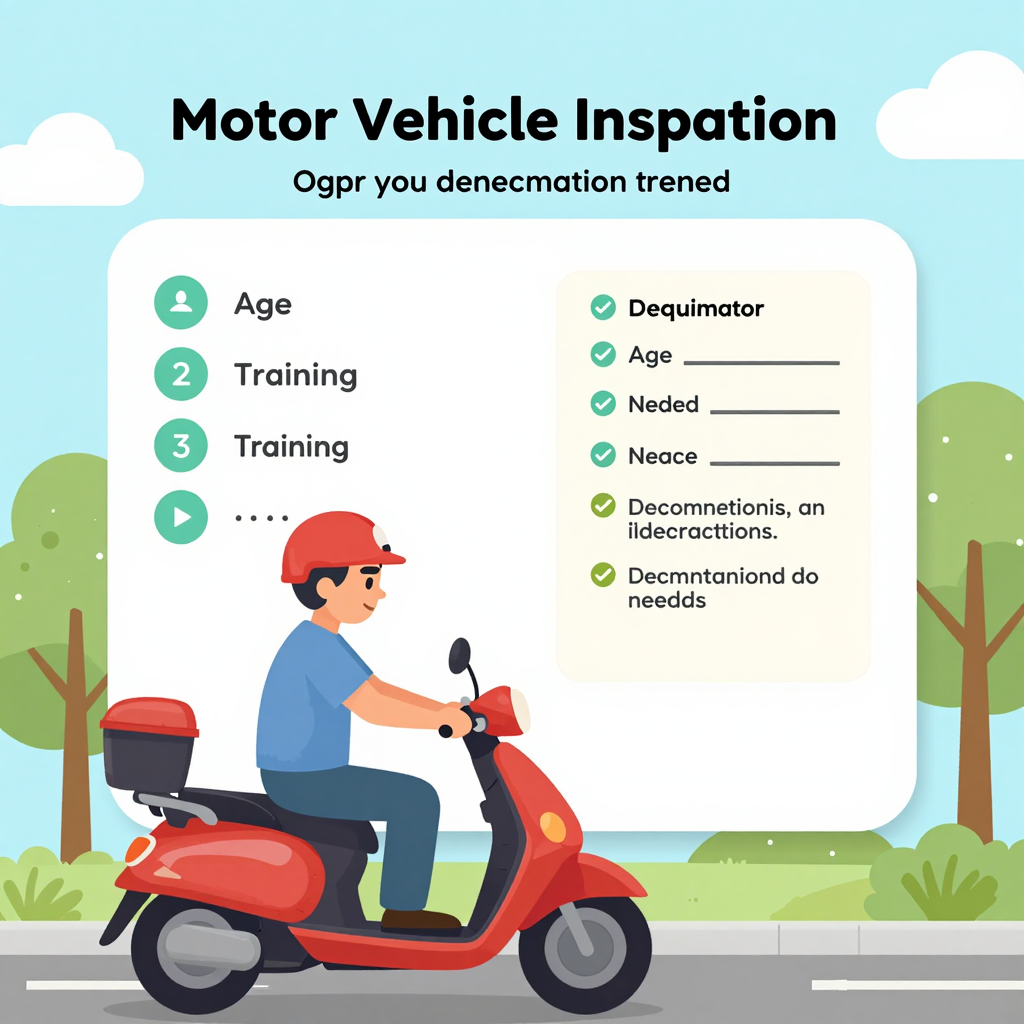
This engaging outline helps new drivers, learners, existing drivers, and vehicle owners navigate the process of acquiring a motor vehicle inspection license efficiently.
Training and Education for Motor Vehicle Inspection License
Obtaining a motor vehicle inspection license requires a combination of formal education, training, and hands-on experience. Here’s a detailed outline of the steps involved:
Educational Requirements
- High School Diploma or Equivalent: A minimum educational requirement is typically a high school diploma or GED.
- Licensing Course: Aspiring inspectors must complete a state-approved training program. Various institutions offer this, such as technical schools and community colleges. A recommended course is the Vehicle Safety Inspection Training Course by Smog Tech Institute, emphasizing practical skills and regulatory knowledge.
- Online Training Programs: Many organizations offer online courses, providing flexibility for those balancing work and study. Check platforms like Indeed for comprehensive options that cover vehicle inspection techniques and safety regulations.
Hands-On Workshops
- In-person workshops are crucial for gaining real-world experience. These workshops typically simulate inspection environments to help students practice their skills.
- Local automotive associations often conduct these workshops in collaboration with vocational schools.
Examination and Certification
- After completing the required training, candidates must pass a written and practical exam administered by their state’s licensing authority. Passing this exam grants the certificate necessary to perform inspections legally.
| State Name | Age Requirement | Training Program | Cost |
|---|---|---|---|
| California | 18 years old | Yes (State-approved training program required for inspectors) | $50 – $75 (inspection fee); additional fees for registration and renewal |
| New York | 18 years old | Yes (DMV-licensed inspection stations; technicians must be certified by the DMV) | $20 (inspection fee); sticker renewal fee varies by vehicle type |
| Texas | 18 years old | Yes (Inspection stations must be licensed by the Texas Department of Transportation; technicians must be trained and certified) | $25 – $30 (inspection fee); varies by county and vehicle type |
| Massachusetts | 18 years old | Yes (Inspection stations must be certified by the Registry of Motor Vehicles; technicians must complete state-approved training) | $30 – $40 (inspection fee); varies based on vehicle age and type |
| Florida | 18 years old | Yes (Inspection stations must be licensed by the Florida Department of Highway Safety and Motor Vehicles; technicians must be certified) | $25 (inspection fee); additional fees may apply for re-inspection or registration |
Vehicle Inspections and Road Safety Statistics
Regular vehicle inspections are crucial in ensuring road safety and effective vehicle maintenance. According to the 2023 report by the National Highway Traffic Safety Administration (NHTSA), vehicles that undergo regular safety inspections are approximately 45% less likely to be involved in accidents compared to those that do not get inspected. In 2023, over 78% of registered vehicles in the U.S. completed their annual inspections, with brakes, tires, and lighting defects being the most commonly reported issues. Furthermore, states with mandatory inspections, such as California and New York, experienced a 12% decrease in roadway fatalities, highlighting the significant impact of inspections on improving safety.
Additionally, a study conducted by the European Transport Safety Council (ETSC) in 2023 revealed that countries implementing mandatory vehicle technical inspections, such as the UK’s MOT and Germany’s TÜV, saw a drop in accidents caused by mechanical failures from 19% in 2022 to 14.3% in 2023. This study emphasized the importance of periodic inspections in preventing issues related to tire blowouts and brake failures, leading to a safer driving environment.
In China, the Ministry of Public Security reported that approximately 360 million vehicle inspections were completed in 2023, achieving an inspection pass rate of 92.4%. The integration of inspection data sharing has improved regulatory efficiency and transparency, resulting in an 18.7% drop in accidents caused by mechanical failures, accounting for just 7.5% of total accidents.
These statistics strongly demonstrate the vital role that vehicle inspections play in maintaining road safety and promoting vehicle upkeep, making inspections a necessary component of responsible vehicle ownership. To learn more about vehicle inspection requirements across the U.S., visit our guide.
Common Pitfalls to Avoid when Applying for a Motor Vehicle Inspection License
Applying for a motor vehicle inspection license involves several critical steps, and avoiding common mistakes can make the process smoother and more successful. Here are some pitfalls that applicants frequently encounter:
1. Insufficient Documentation
One of the most significant reasons for application denial is failing to provide complete and necessary documentation. Applicants must ensure that they submit required documents such as:
- Proof of identification (e.g., driver’s license)
- Certification of completed training programs
- Evidence of passing required examinations
2. Lack of Training
Many applicants underestimate the importance of proper training. Vehicle inspection requires a thorough understanding of safety and regulatory standards. Insufficient training can lead to mistakes during inspections, which could result in license denial. It’s advisable to enroll in accredited training programs that cover the necessary skills and knowledge areas.
3. Not Adhering to State-Specific Regulations
Different states have varying requirements for motor vehicle inspections. Applicants often overlook specific state regulations, which can lead to application issues. For instance, some states require specific certifications or inspections of certain vehicle types prior to application. Make sure to consult state-specific vehicle inspection requirements to avoid this pitfall.
4. Misreporting Information
Incomplete or incorrect information can automatically disqualify applications. Ensure all forms are thoroughly checked for accuracy before submission. Double-check numbers, dates, and other crucial data to minimize errors.
5. Missing Application Deadlines
Lastly, applicants should be mindful of deadlines associated with applications. Delays or last-minute submissions often result in complications. Mark important dates related to application submissions on your calendar to remain organized and timely in your application process.
By avoiding these common pitfalls during the application process, candidates can increase their chances of obtaining a motor vehicle inspection license successfully. For further guidance, consider visiting resources that outline essential tips for successful vehicle inspection licensing.
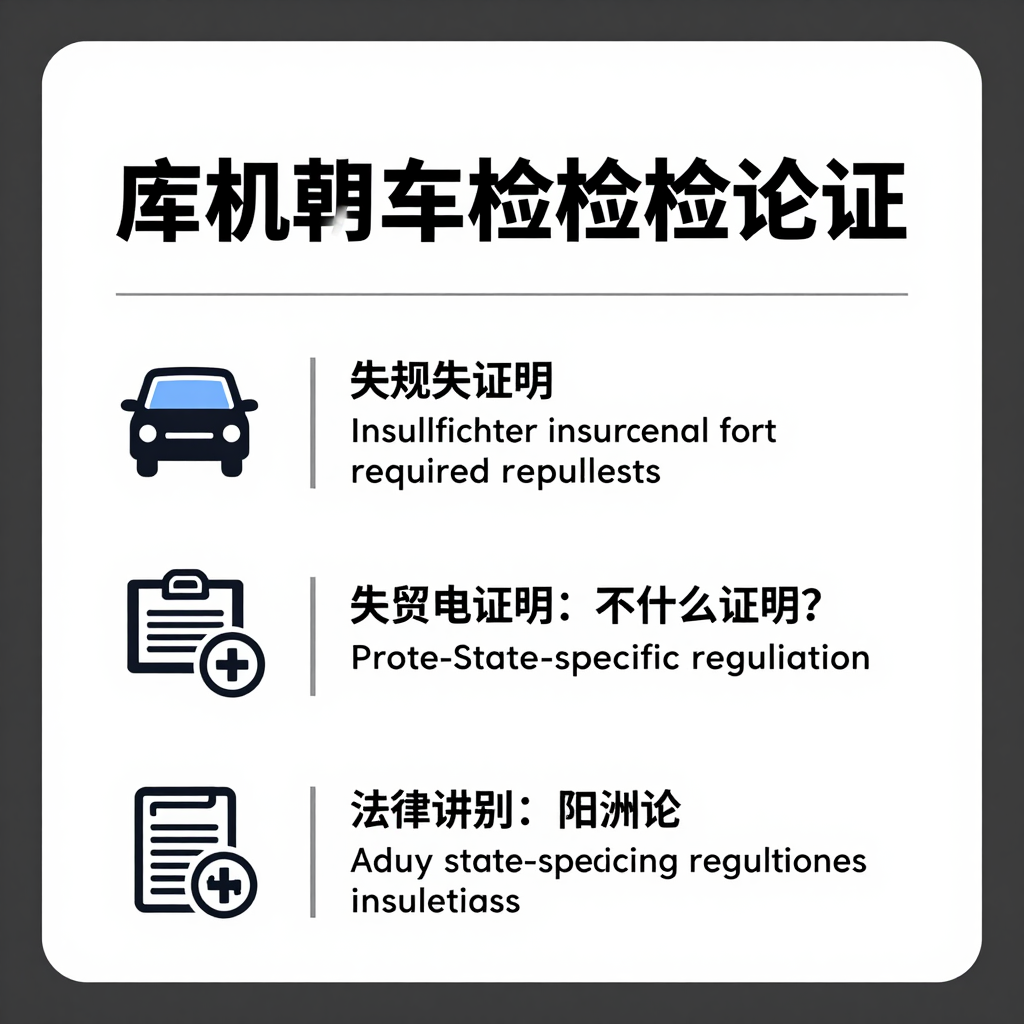
An informational guide illustrating common pitfalls in applying for a motor vehicle inspection license.
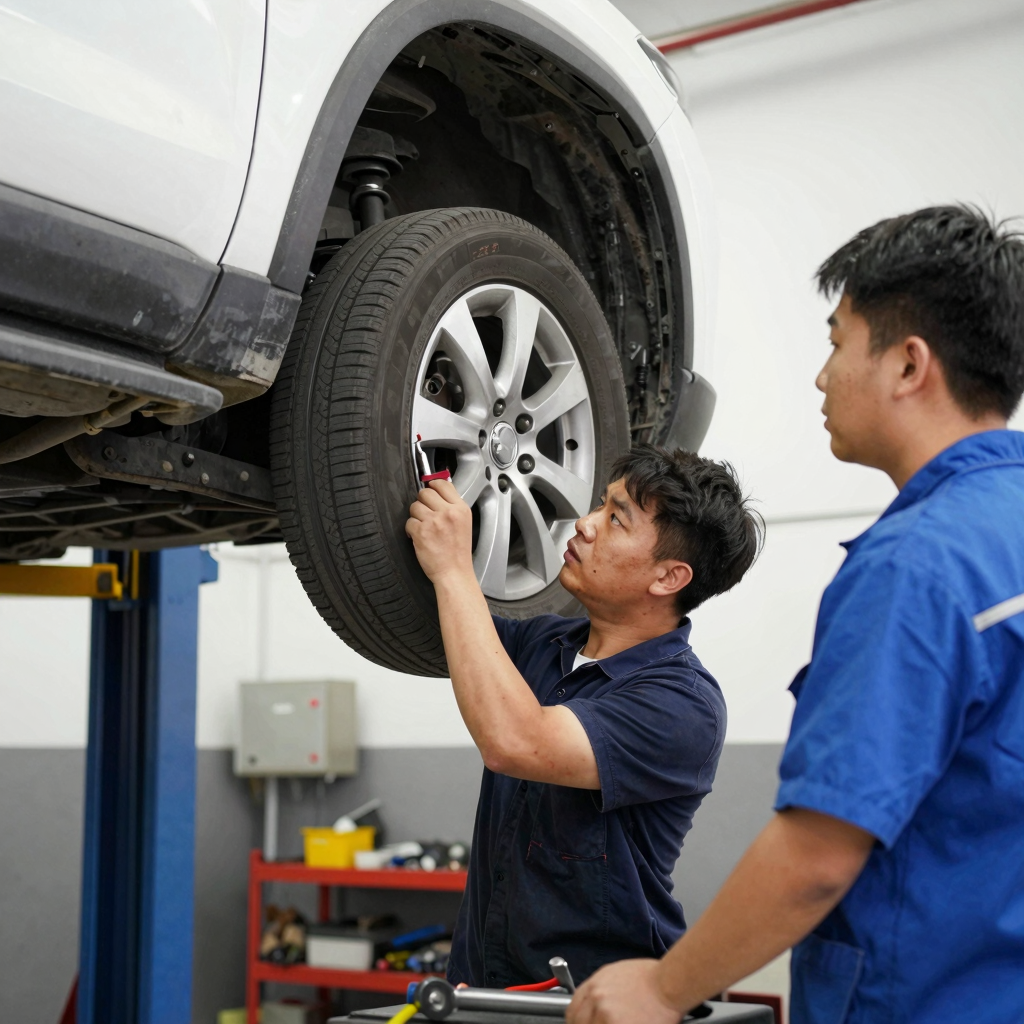
To obtain a motor vehicle inspection license, it’s essential to understand the inspection process thoroughly. This involves ensuring that vehicles meet safety and operational standards before they can be deemed roadworthy. Such inspections typically look at the vehicle’s brakes, lights, tires, and emissions, among other critical components. Having a clear grasp of inspection requirements can significantly enhance safety on the roads and prolong vehicle lifespan. Additionally, knowing your state’s specific inspection criteria can help streamline the licensing process. For more details about the requirements, see our relevant state vehicle inspection requirements.
In conclusion, obtaining a motor vehicle inspection license is not merely a professional milestone; it is a vital commitment to ensuring the safety and reliability of vehicles on our roads. As we’ve detailed, this license equips individuals with the necessary skills and knowledge to conduct thorough inspections, protecting not only the driver but also passengers and pedestrians alike. As new drivers and vehicle owners navigate the complexities of auto safety, it’s crucial to understand the role that certified inspectors play. By pursuing this license, prospective applicants join a community dedicated to upholding safety standards and contributing to public welfare. We encourage you to take the next step in your journey by exploring the requirements and resources available dedicated to this essential certification. For more information on vehicle safety and inspection standards, check out our state vehicle inspection requirements and learn how you can make a difference today!
Significance of Vehicle Inspections
Vehicle inspections are critical for ensuring the safety and reliability of automobiles on the road. Not only do they help in identifying mechanical failures, but they also play a significant role in preventing accidents, thus protecting both drivers and pedestrians. As noted by automotive safety experts, “Regular vehicle inspections are crucial for maintaining roadworthiness and preventing accidents caused by undetected mechanical faults. A professional inspection can uncover hidden issues such as brake wear, suspension problems, and electrical faults that may not be apparent during routine driving.”
Moreover, a significant study by the Transport Research Laboratory emphasizes that mechanical defects are a leading cause of vehicle collisions, despite technological advancements in vehicle safety. They noted that “comprehensive vehicle inspections can identify potential mechanical failures before they lead to serious consequences.”
In the context of acquiring a motor vehicle inspection license, it’s essential to understand both the regulatory requirements and the overarching importance of these inspections in promoting road safety.
For prospective inspectors or anyone seeking to understand this field better, insights into the U.S. states’ vehicle inspection requirements can provide valuable information. Additionally, understanding the impact of state rules on driver licensing can offer further context into the importance of compliance with vehicle inspection processes.
FAQs about Vehicle Inspection Licenses
Vehicle inspection licenses can be confusing, especially for new drivers, learners, and vehicle owners. Here are some frequently asked questions about the licensing process:
1. What is a vehicle inspection license?
A vehicle inspection license allows certified professionals to perform safety and emissions inspections on vehicles, ensuring compliance with state regulations. This process is vital for keeping roads safe and reducing environmental impacts.
2. Who needs a vehicle inspection license?
Typically, mechanics, automotive technicians, and those involved in vehicle inspection must obtain this license. However, regulations can vary by state, so it’s important for individuals to check local requirements. You can learn more about vehicle inspection requirements by state.
3. How do I obtain a vehicle inspection license?
The process often involves:
- Completing an approved training program or workshop.
- Passing a written examination that tests your knowledge of inspection procedures and safety regulations.
- Submitting an application to your local vehicle licensing authority.
- Some states might also require a practical demonstration of inspection skills.
4. Is there a difference between safety and emissions inspections?
Yes, safety inspections focus on vehicle components that affect safety, like brakes, lights, and tires. Emissions inspections check if the vehicle meets environmental standards. Some states combine these inspections, while others require them separately. For detailed requirements, explore state rules impacting driver licensing.
5. How often do vehicles need to be inspected?
Inspection frequency varies by state. Some require annual inspections, while others may only require inspections during registration renewal. States like New York mandate inspections every year, while places like Delaware have different schedules for new vehicles. Always refer to your state’s guidelines for specifics.
6. What if my vehicle fails the inspection?
If a vehicle fails inspection, the owner typically has a designated period to make necessary repairs and return for a re-inspection. The exact timeline and procedures can differ; therefore, it is best to consult your local inspection authority for further instructions.
7. Can I get a vehicle inspection license online?
While initial training and some certification processes can be completed online, most states require hands-on training and in-person assessments due to the nature of the work. It’s essential to check with your local licensing agency for their specific guidelines.
8. Why are vehicle inspections important?
Vehicle inspections help identify potential safety hazards and ensure compliance with environmental regulations. They contribute to safer roads and reduced emissions, highlighting the importance of regular inspections for all vehicle owners.