
Introduction
Understanding how to lookup a vehicle license plate is essential for all drivers, vehicle owners, and auto dealerships. This skill not only facilitates the process of identifying vehicles and their histories but also plays a crucial role in ensuring road safety and compliance with local regulations. For new drivers and learners, mastering this process promotes awareness of vehicle ownership and the legal implications surrounding it. It empowers them to make informed decisions, whether it be for purchasing, selling, or simply verifying information about a vehicle.
Existing drivers benefit from knowing how to access license plate information, especially in cases of accidents, disputes, or any legal issues that may arise. Vehicle owners, on the other hand, can ensure their cars are properly registered and maintained, as well as track any financial obligations tied to them. Furthermore, for auto dealerships, having instant access to vehicle backgrounds enables them to provide reliable information to potential buyers, thus enhancing customer trust and satisfaction.
In summary, learning how to lookup a vehicle license plate transforms vague vehicle information into precise data, fostering a safer and more accountable driving environment. Whether you are a new driver eager to navigate the roads responsibly, an existing driver wanting to stay informed, a vehicle owner ensuring your investments are secure, or a dealership striving for transparency, understanding this process is a critical step in achieving your goals. To delve deeper into the regulations affecting driver licensing, learn more here. For more on vehicle inspection requirements across the U.S., check this resource.
Reasons Why Vehicle License Plate Lookup is Useful
Vehicle license plate lookup is an invaluable resource for a variety of individuals and organizations. Here are several scenarios where a plate lookup can be particularly beneficial:
- Verifying Ownership: Potential buyers can confirm the legitimacy of ownership when purchasing a used vehicle, helping to avoid potential fraud or misrepresentation.
- Checking for Outstanding Tickets: Vehicle owners can learn about any pending tickets or fines associated with the plate, which may impact their decision to purchase a vehicle or need to settle debts before ownership transfer.
- Assisting Law Enforcement: Police and investigative agencies often use license plate data for tracking stolen vehicles, identifying suspects in criminal activities, and resolving accidents, enhancing overall public safety.
- Fraud Detection: Businesses, especially insurance firms, can confirm claims and detect fraudulent activities by accessing recorded data tied to the license plate.
- Background Checks: Employers conducting background checks on potential employees can use license plates to ensure the information disclosed by applicants matches public records.
- Fleet Management: Businesses with vehicle fleets can monitor and manage vehicle usage, compliance with regulations, and maintenance schedules more effectively through license plate data.
- Public Safety and Awareness: Community members can report unsafe driving behaviors or suspicious vehicles, fostering a safer environment for everyone.
- Support in Legal Proceedings: License plate lookups can provide necessary information for litigation, ensuring legal documents are served to the correct parties associated with a vehicle.
By providing access to crucial vehicle information, license plate lookups enhance transparency and facilitate a more informed approach across various domains. For more information on verifying your vehicle’s status or related legalities, learn more about state rules that impact driver licensing.
Overview of Vehicle License Plate Lookup Methods
When you need to look up a vehicle’s license plate, there are several reliable methods to consider. Each method has its own advantages, suitable for different purposes like verifying ownership, checking registration status, or gathering vehicle history. Here’s a comprehensive overview of the various methods available:
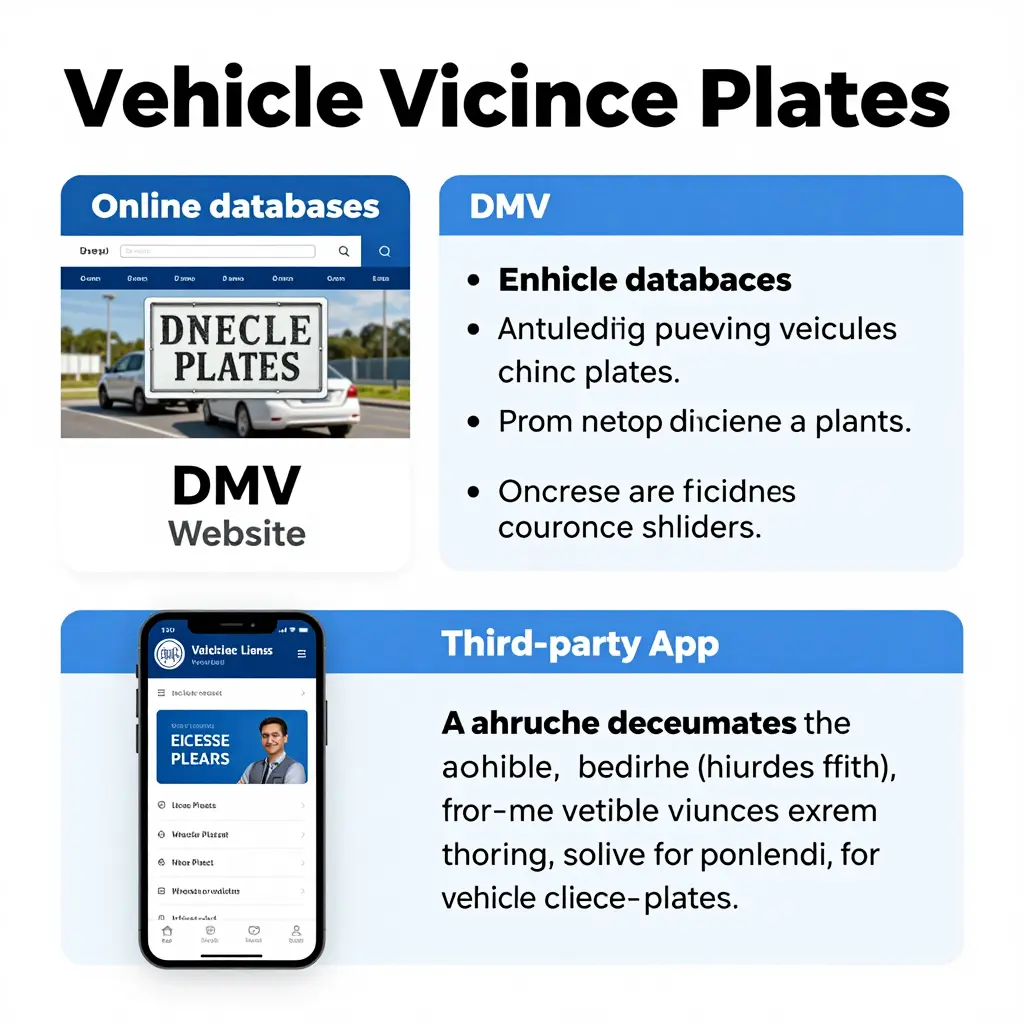
1. Online Databases
Using online databases is one of the quickest ways to access license plate information. Many websites offer vehicle lookup services where you can enter a license plate number to retrieve details like make, model, and registration status. Some reputable ones include:
- License Plate Lookup: This service, run by licensed private investigators, allows for legal plate inquiries under regulated circumstances, which is crucial for privacy protection. Visit License Plate Lookup for more details.
- VIN Check Apps: Apps available on platforms like the Apple Store allow users to find vehicle details by entering a license plate number. For instance, License Plate Lookup: VIN Check retrieves essential vehicle information without exposing personal data.
2. DMV Websites
The most authoritative source for vehicle information is the Department of Motor Vehicles (DMV). Most state DMV websites offer vehicle lookup features where citizens can enter the license plate number to find registration information. States regulate these services, and they typically require the requester to provide personal identification for accessing sensitive information. For example, learn how state rules impact driver licensing.
3. Third-party Applications
Several third-party apps provide license plate lookup features designed for both casual users and professionals. Apps like Plates allow users to quickly identify which state a license plate is from, which can be useful for travelers and law enforcement. The app is compliant with privacy regulations, ensuring no personal data is revealed. Check out Plates – License Plate Finder on the App Store for more info.
4. Physical DMV Visits
For individuals who prefer or need face-to-face assistance, visiting a DMV office is a viable option. Bring your identification and vehicle registration documents to inquire directly. This method is best for situations where online access is limited. The DMV staff can assist with detailed inquiries about vehicle history and registration.
Summary & Recommendations
Each of these methods provides valuable vehicle information, but it’s essential to use them legally and ethically. Always respect privacy laws, especially when using databases and apps. For comprehensive guidance on vehicular regulations, you may want to explore the vehicle inspection requirements as outlined on the DMV site linked earlier.
Conclusion
Whether you are a new driver, an existing vehicle owner, or a salesperson at an auto dealership, knowing how to effectively lookup license plates can be a crucial skill. Assess your needs and choose the method that best suits you. For a visual summary of these methods, see the infographic below:
Comparing Vehicle License Plate Lookup Services
When looking to discover information about a vehicle through its license plate, various services offer distinct features, accessibility, and costs. Below is a comparison table highlighting some popular vehicle license plate lookup services available in the market.
| Service Name | Features | Cost | Accessibility |
|---|---|---|---|
| License Plate Lookup | – Fast VIN decoding |
- Comprehensive vehicle reports
- Photo upload for detailed inspection | $9.99/report | Mobile App (iOS) |
| FindbyPlate.com | – Free basic vehicle information - Report bad drivers capability | Free | Online |
| LookupAPlate | – Free basic vehicle lookup - Report concerning driving actions | Free | Online |
Each of these platforms has its strengths, making them suitable for individual needs, such as casual lookup, deeper inspections, or public safety concerns. Choosing the right one will depend on your specific requirement – whether it be comprehensiveness or cost-effectiveness.
For more insights on the implications of vehicle information in public safety, learn more about state rules impacting driver licensing or understand vehicle inspection requirements across states.
Challenges in Vehicle License Plate Lookup
Looking up a vehicle’s license plate can provide valuable information for a variety of purposes, from checking vehicle ownership to reviewing a car’s history. However, individuals often encounter several challenges during the process, which can limit the effectiveness of their searches.
Privacy Laws and Restrictions
One of the primary challenges stems from privacy regulations, particularly the Driver’s Privacy Protection Act (DPPA) in the United States. This law restricts access to personal information linked to a vehicle’s license plate, including the owner’s name and address. Only authorized entities, such as law enforcement and insurance companies, can access this data. For most individuals, this means that obtaining crucial ownership details through public channels can be impossible. Furthermore, using unauthorized means to obtain this information, such as through dubious websites, can lead to legal repercussions including fines or even criminal charges. As a result, individuals often face barriers in obtaining the information they seek legally. For more details on how these laws impact driver licensing, check out our article on state rules impact on driver licensing.
Data Accuracy Issues
Another significant challenge is the accuracy of the data retrieved during a plate lookup. Many databases may not be regularly updated, leading to discrepancies between the information displayed and the actual status of the vehicle. For instance, a vehicle might have been sold or had a title change, yet the database still reflects outdated information. Additionally, discrepancies can occur due to user error, such as mistyping the license plate number. As discussed in a report by Consumer Reports, the public might mistakenly believe that a lack of results signifies an absence of records, while the truth may lie in restricted access to data rather than actual non-existence of records.
Conclusion
In conclusion, while vehicle license plate lookup can be a helpful tool, challenges related to privacy laws and data accuracy can hinder the process. It is essential for individuals to understand these limitations and seek information through legitimate channels to avoid potential legal issues and ensure they are accessing the most accurate data possible.

Actionable Tips for New Drivers on Using License Plate Lookup Tools
As a new driver, understanding how to use license plate lookup tools can be invaluable. These tools provide essential information about vehicles and can help you make informed decisions whether you’re buying a car or simply checking on a vehicle’s history. Here are effective tips to leverage license plate lookups:
1. Know the Purpose of License Plate Lookups
Using a license plate lookup tool allows you to:
- Check the registration status of a vehicle.
- Discover important details like the vehicle’s make, model, and year.
- Identify potential issues such as accidents, recalls, or theft history.
For instance, when considering a used vehicle, a thorough license plate check can help avoid purchasing accident-prone cars or those with misleading odometer readings. Use tools like the Driver and Vehicle Licensing Resources for detailed reports.
2. Leverage Official Resources
Many jurisdictions provide official apps or websites that allow you to check vehicle information with just a license plate number.
- Official Apps: Apps such as the ‘DMV 12123’ app can provide you with access to basic vehicle information including registration dates, inspection status, and violation records. Make sure to create an account to utilize these services effectively.
- Government Websites: Visit your local DMV or vehicle licensing website to verify vehicle details without any hassle. Official channels are the safest way to ensure the validity of the data you receive.
3. Utilize Third-Party Lookup Services
In addition to official resources, several reputable third-party services offer quick and detailed vehicle history reports. These include:
- AutoCheck and Carfax: Both services require a fee but provide comprehensive reports that detail the vehicle’s history, including accidents, repairs, and previous ownership.
- Free Lookup Tools: Some online resources allow quick checks without a charge, but verify their reliability before use. Combining these tools allows you to corroborate information and make safer choices.
4. What to Look For
When you receive information from a license plate lookup, focus on critical aspects:
- Accident History: Check if the vehicle has been in previous accidents.
- Service Records: Understand how well the vehicle has been maintained.
- Ownership Records: Pay attention to the number of previous owners; fewer owners generally indicate it may be in better shape.
5. Stay Compliant with Privacy Laws
Remember, while using these tools, be mindful of privacy regulations. Most systems don’t allow access to personal driver information without consent. Hence, use these tools strictly for your vehicle checks or with the car owner’s permission.
Conclusion
By efficiently using license plate lookup tools, you can significantly enhance your research process, whether you’re purchasing a new vehicle or just curious about a car you see on the road. Equip yourself with knowledge and leverage these modern resources to ensure safe and smart driving experiences.
For more on driving safety and licensing, check out State Rules Impact on Driver Licensing to ensure you are always informed on the latest regulations.
Understanding Vehicle Registration Laws
When it comes to vehicle registration, laws and requirements can significantly vary between states. It’s crucial for drivers and vehicle owners to familiarize themselves with their local regulations to ensure compliance and avoid penalties. Here are some important points:
“Proof of ownership, such as a title or bill of sale, is required to verify ownership before a vehicle can be registered. State registration processes ensure that the vehicle is legally allowed to operate on public roads, with ownership verified through title records that must match the provided information during registration.”
Key Steps in Vehicle Registration
To simplify the understanding of vehicle registration, here’s a brief overview:
- Gather necessary documents: This includes proof of ownership (title), proof of insurance, and identification.
- Complete registration forms: This typically involves filling out forms provided by the DMV.
- Submit the application: Presenting the completed forms and required documents at your local DMV or via an online portal.
- Pay any applicable fees: Be prepared to pay registration fees, which vary by state and vehicle type.
- Receive registration confirmation: Once processed, you will receive confirmation, including license plates and registration details.
For more detailed insights on the implications of state rules on driver licensing, be sure to explore this page.
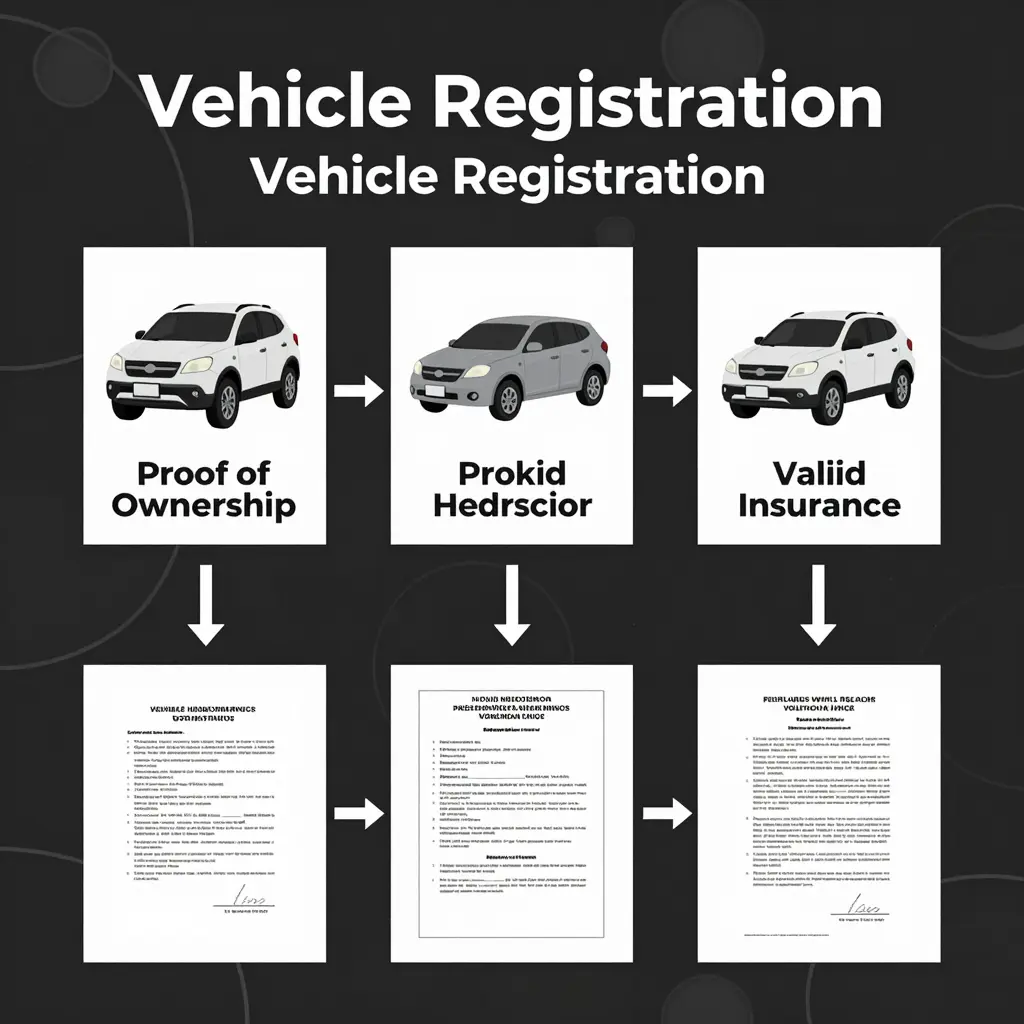
It’s advisable to keep abreast of changes in registration laws and maintain all documents in order to streamline the registration process, ensuring that your vehicle is always road-ready.
Summary of User Experiences with License Plate Lookup Services
As vehicle ownership expands and driving regulations become more stringent, many individuals rely on license plate lookup services to access vital information about vehicles and their owners. Here, we summarize customer experiences regarding the usability and effectiveness of these services, highlighting both positive feedback and areas for improvement.
Usability
Customers generally find license plate lookup services relatively easy to use. Platforms like LookupAPlate and FindbyPlate.com provide intuitive interfaces that allow users to input a license plate number and retrieve information in a matter of minutes. User feedback commonly emphasizes:
- Simple Navigation: Most users appreciate the straightforward navigation menus and search functions.
- Clear Instructions: Many platforms include helpful tips or FAQs, enhancing the user experience, especially for first-time users.
Effectiveness
When it comes to effectiveness, customer ratings reflect high satisfaction. According to recent surveys, the average effectiveness rating for these services is 4.5 out of 5. Users report:
- Comprehensive Information: Many customers noted that the details retrieved often include previous ownership, accident history, and vehicle specifications, which aid in making informed decisions when buying or inspecting a vehicle.
- Quick Results: Users appreciate the promptness with which they receive results, making these services efficient tools for traffic enforcement and personal inquiries alike.
Legal Compliance
However, concerns surrounding legal compliance are noteworthy. Although most services emphasize adherence to the Driver’s Privacy Protection Act (DPPA), some users are hesitant about how their data might be used. The average rating for legal compliance sits at 3.8, indicating that:
- Need for Awareness: Many users call for clearer communication regarding how their information will be handled, particularly with regard to privacy regulations.
- Potential Misuse: Some feedback indicates users worry about unauthorized access to their data, leading to calls for enhanced safeguards and transparency from service providers.
Overall Satisfaction
The overall satisfaction rating stands at 4.1 out of 5, reflecting a generally positive response to these services. Customers frequently mention that:
- Peace of Mind: Accessing vehicle-related information provides reassurance, especially in situations involving suspected fraud or unsafe driving behaviors.
- Community Reporting: Platforms that allow for reporting bad driving behaviors have been commended, as they empower users to contribute to community safety, creating an interactive space for sharing information.
For those new to using such services or considering a lookup, it is wise to familiarize oneself with the legal implications and to choose platforms that demonstrate compliance with privacy laws.
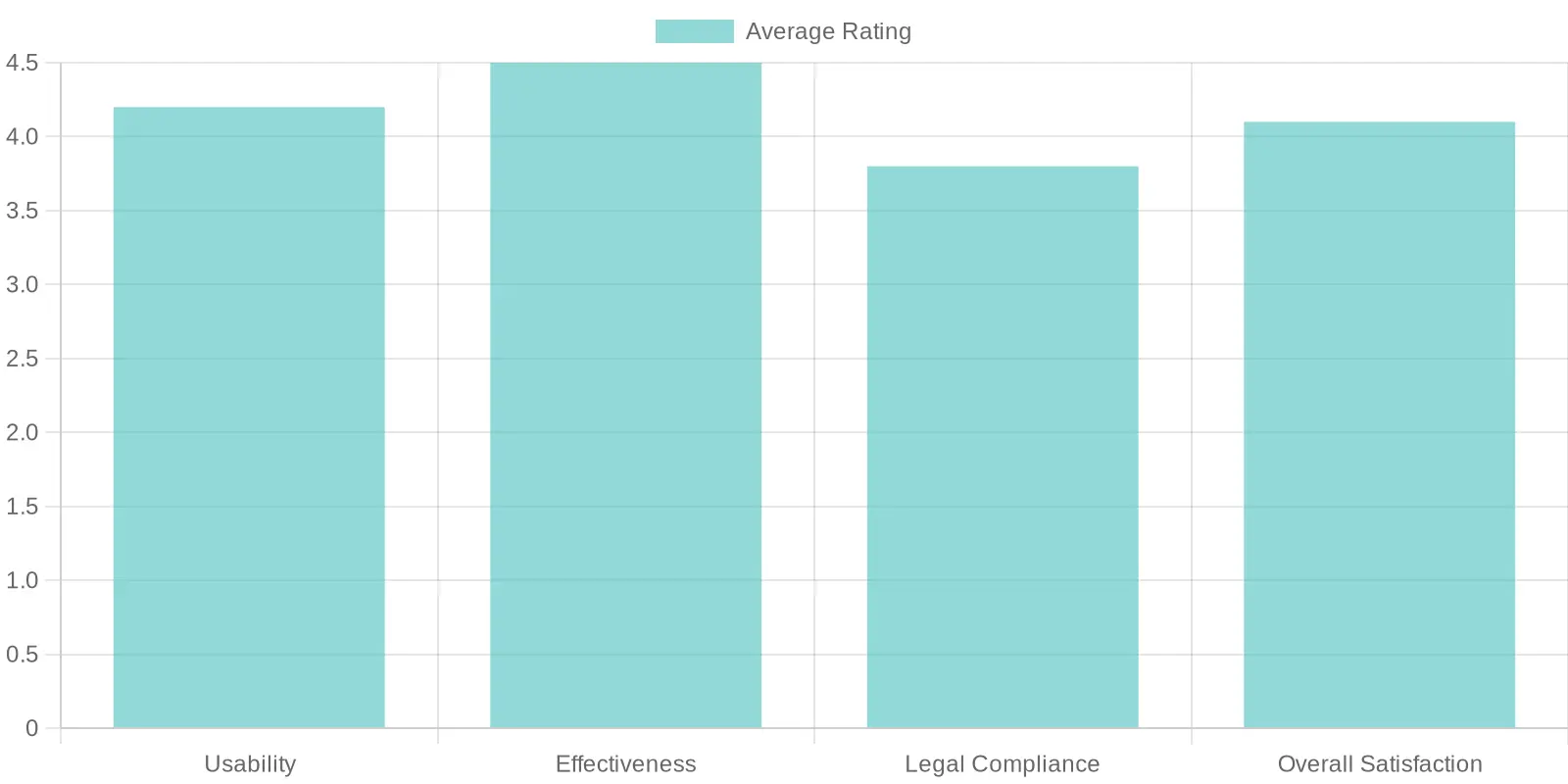
| Category | Average Rating (Out of 5) |
|---|---|
| Usability | 4.2 |
| Effectiveness | 4.5 |
| Legal Compliance | 3.8 |
| Overall Satisfaction | 4.1 |
This summary underscores the importance of user-friendly, legally compliant services for license plate lookups, crucial for the growing number of drivers and vehicle owners today. For more on related topics, learn more about state vehicle inspection requirements.
Conclusion
In an age where convenience and safety are paramount, utilizing a license plate lookup service can significantly enhance your driving experience. Whether you are a new driver, an existing vehicle owner, or an auto dealership, knowing how to access vehicle information through license plate searches can prevent potential headaches and ensure compliance with state regulations. The ability to uncover essential details about a vehicle’s history is not only a matter of due diligence but also a vital step toward making informed decisions.
With resources like Driver & Vehicle Licensing, you can access the guidance you need to effectively navigate the complexities of vehicle ownership and licensing. More than just a lookup tool, it’s an opportunity to safeguard your interests and drive with confidence.
Now that you understand the value of license plate lookup, why not take the next step? Explore our offerings at Summit Fairings and discover how we can help enhance your vehicle’s performance and compliance. Don’t leave your safety or that of others to chance; engage with our services today to ensure you are always a step ahead on the road!