
Introduction
In today’s fast-paced world, knowing how to look up a vehicle by its license plate is more than a convenience; it is a crucial skill for all drivers, especially those who are just starting their journey behind the wheel. For new drivers and vehicle owners, understanding how to access vehicle information can significantly impact safety, compliance with regulations, and overall decision-making regarding their vehicles. The importance of this skill cannot be overstated: it allows individuals to verify critical details about a vehicle, such as registration status, ownership, and whether it has been involved in accidents or legal violations.
As the National Highway Traffic Safety Administration (NHTSA) highlights, utilizing license plate data can bolster road safety by enabling drivers to identify vehicles that might pose risks or have been involved in unsafe activities. This ability to reference official records not only promotes responsible vehicle ownership but also enhances situational awareness while driving. In this guide, we will explore various legitimate methods for looking up a vehicle using its license plate, including official apps, authorized third-party services, and in-person visits to local DMV offices. Additionally, we will address why each method is important and how new drivers can leverage this knowledge to make informed decisions.
Whether you are about to purchase a used car or simply want to know more about a vehicle you encountered on the road, this comprehensive guide will equip you with the tools necessary for a responsible driving experience.
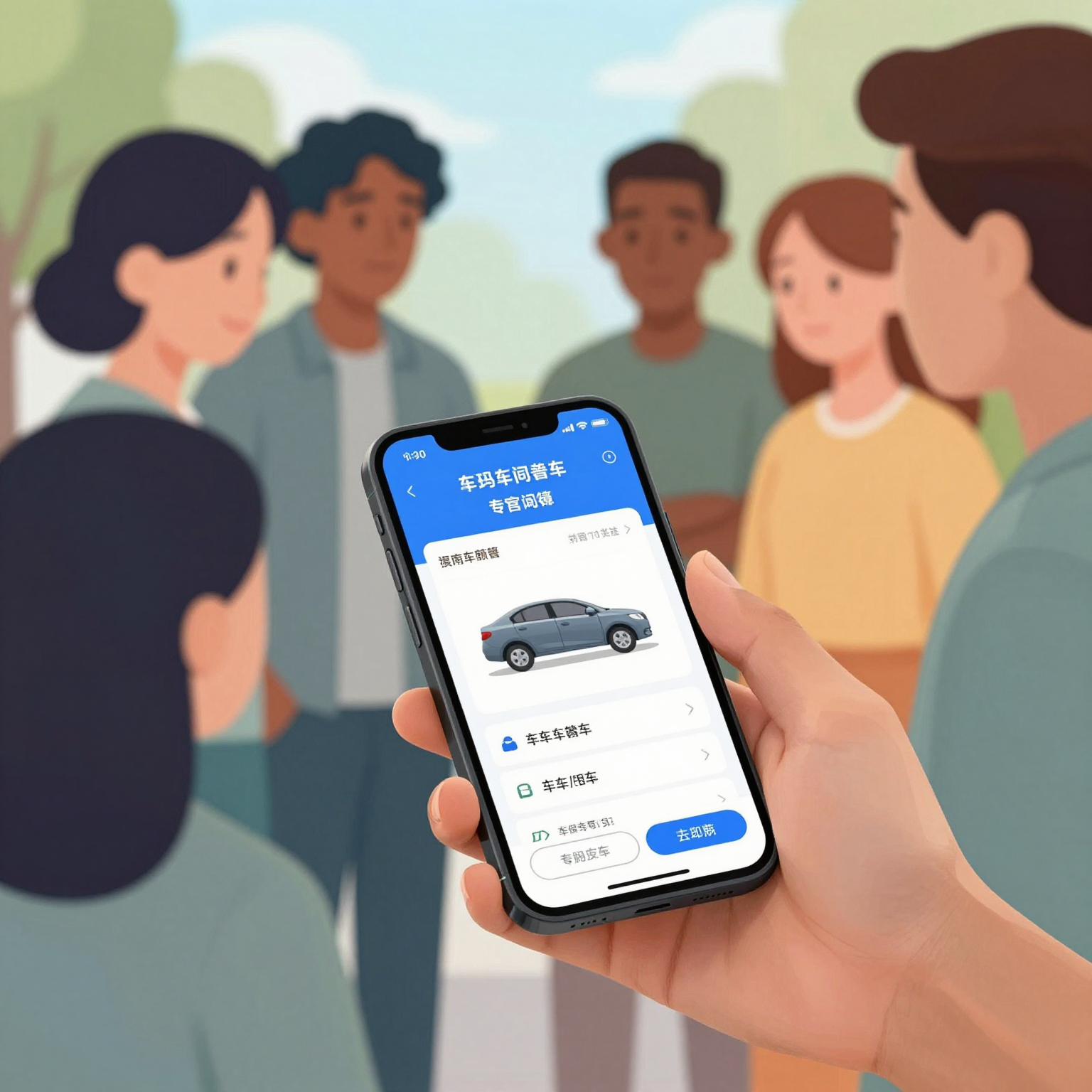
Image Source: Illustration showing new drivers using a vehicle information app.
Overview of Methods to Look Up a Vehicle by License Plate
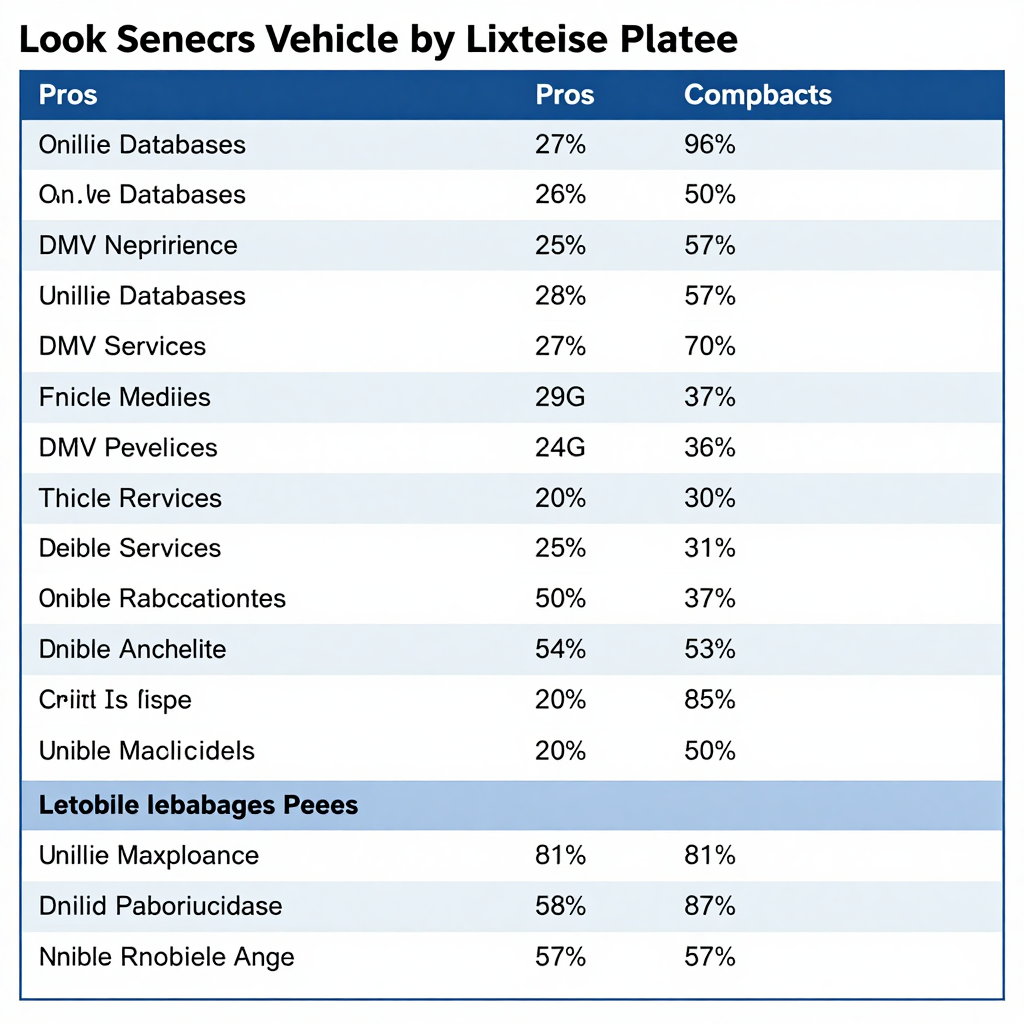
Looking up a vehicle by its license plate can be done through various methods. Each has its unique advantages and disadvantages. Below is a summary table comparing the main methods available:
| Method | Pros | Cons |
|---|---|---|
| Online Databases | – Quick access – Often free – Comprehensive data availability |
– May charge for deeper data – Data accuracy can vary |
| DMV Services | – Official and legal status – Comprehensive records available |
– Time-consuming to access – Requires in-person visit |
| Mobile Apps | – Convenient and user-friendly – Real-time updates |
– Limited to personal vehicles – Might require payment for full reports |
-
Online Databases: Websites allow users to quickly input a license plate and receive information about the vehicle, including make, model, and history. However, some may charge additional fees for detailed data or have varying levels of data accuracy.
-
DMV Services: Visiting local DMV offices can provide the most accurate and comprehensive data about a vehicle. However, the process can be cumbersome, requiring identification and possibly lengthy waits. Users are often limited to their own vehicles unless they have authorized access.
-
Mobile Apps: Applications like the ‘交管12123’ in certain regions offer convenient vehicle look-up solutions. They provide real-time updates and easy-to-navigate interfaces, although some information may not be available without payment, and the apps might only provide data on vehicles under the user’s name.
For a detailed visual comparison, see the image below:
Detailed Explanation of Online Lookup Tools
Online license plate lookup tools have gained significant traction among vehicle owners, dealers, and new drivers. These services provide detailed information about vehicles based on their license plate numbers, enabling users to check vehicle histories, ownership, status, and compliance with local regulations. Below, we explore several prominent online lookup tools, detailing their features and accessibility.
1. AutoOnline
- Website: AutoOnline
- Features: AutoOnline supports license plate lookups in 126 countries, offering a user-friendly interface in multiple languages, including Chinese. Users can access real-time tracking, historical route data from the past 180 days, vehicle status (such as cargo status), and compliance records like violation history and fuel consumption data.
- Accessibility: No account registration required for some features, making it readily accessible for casual users.
2. NHTSA VIN Decoder
- Website: NHTSA VIN Decoder
- Features: This tool provides essential information related to vehicle identity, including brand, model year, engine specifications, manufacturing details, safety ratings, and recall records. The NHTSA (National Highway Traffic Safety Administration) offers this service primarily for American vehicles.
- Accessibility: Registration might be necessary for certain features, and non-citizen users may face restrictions, making it less convenient for international users.
3. Global VIN Lookup Services
- Examples: Platforms like CarFax and AutoCheck provide access to detailed vehicle histories, including accident reports and maintenance records.
- Features: Users can expect comprehensive insights, including vehicle configuration, manufacturing details, and damage history.
- Accessibility: These services often require payment or registration, which may deter some users.
Comparison Chart
The following chart visually compares the outstanding features of these online vehicle lookup tools, highlighting their accessibility and user-friendliness.
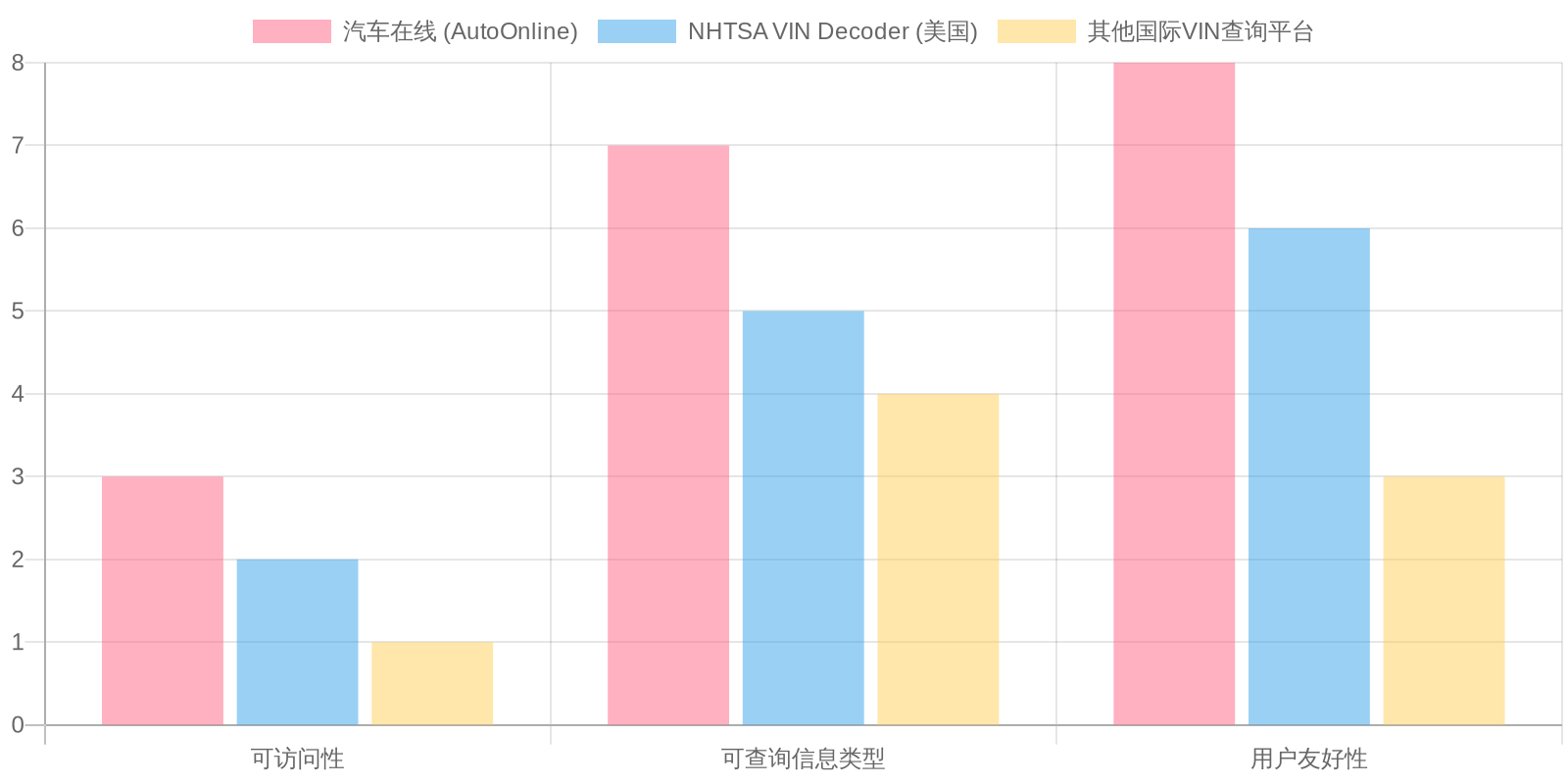
The analysis takes into account features, information types accessible, and user experience, crucial for ensuring a smooth vehicle lookup process.
Conclusion
For new drivers, vehicle owners, and dealerships, utilizing an online lookup tool can reveal crucial vehicle details. Understanding what tools are available-and their respective features-ensures you can select the best fit for your needs. Always ensure to check local regulations about accessing vehicle information to maintain compliance with privacy and data protection laws. For more on compliance and regulations, refer to our article on the impact of state rules on driver licensing.
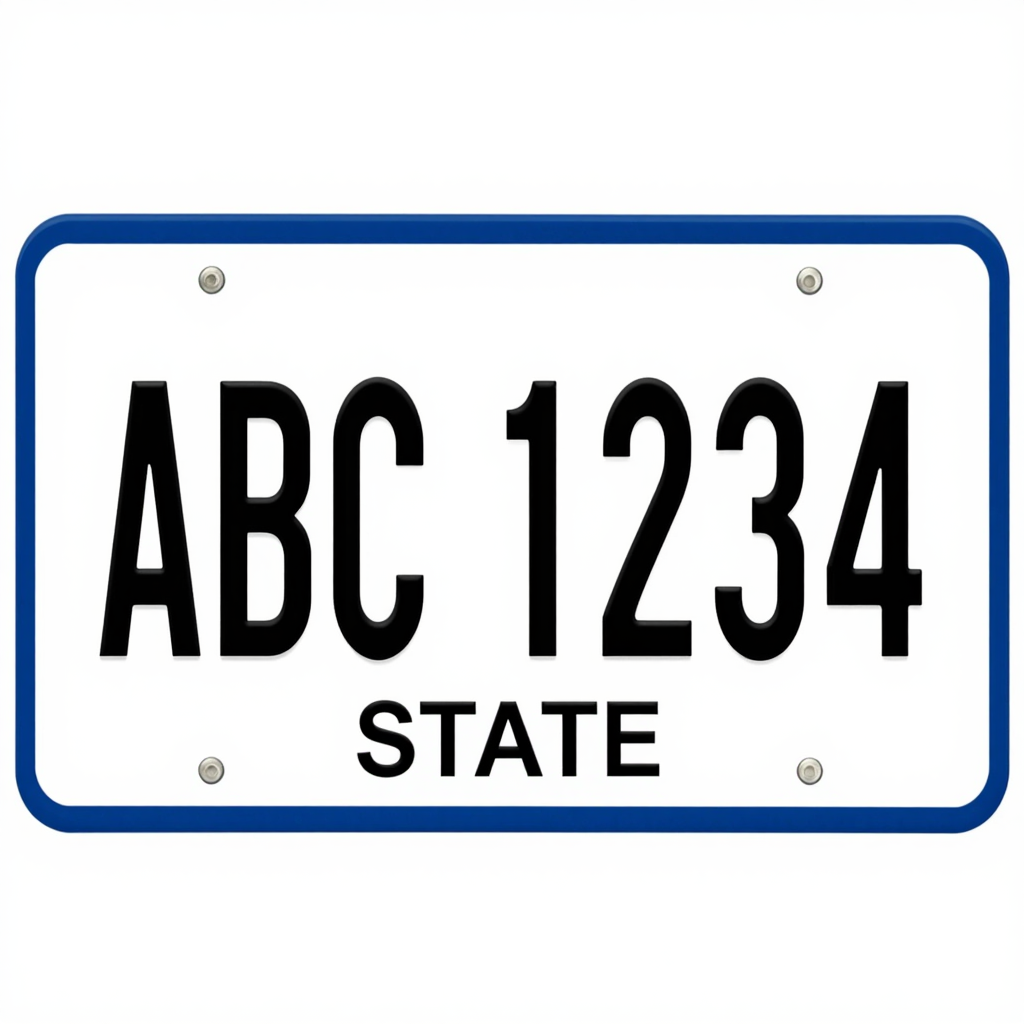
Legal Considerations for Looking Up Vehicle Information Using License Plates
Searching for a vehicle using its license plate can provide essential information; however, there are significant legal implications and limitations that users should be aware of. The core of these considerations revolves around privacy rights and the permissible uses of such data, ensuring that individuals’ sensitive information is protected.
Privacy Concerns
License plates are considered personal data under various privacy laws, including the General Data Protection Regulation (GDPR) in Europe and similar legislation in other parts of the world. These laws mandate that any collection, processing, or storage of license plate information must meet stringent privacy standards. For instance, individuals or organizations may need to have a legitimate purpose to access this information. This can include legal processes, security, or accident-related inquiries.
Unauthorized access to license plate information can be seen as an infringement of privacy rights. In fact, laws in some jurisdictions clearly state that misconduct related to license plate searches can lead to criminal charges. For example, in China, unauthorized inquiries related to car plate information can lead to serious penalties, including imprisonment.
Permissible Use Cases
The legal use of vehicle information obtained through license plates generally falls within several recognized categories:
- Law Enforcement: Police and other law enforcement agents can access license plate databases to assist in criminal investigations, traffic enforcement, and other legal functions.
- Accident Reporting: Individuals involved in automobile accidents may search for the vehicle using the license plate for insurance claims or legal proceedings.
- Financial Institutions and Insurers: Banks or insurance companies may access vehicle information for risk assessment, policy issuance, or claims processing.
- Public Safety: Agencies focused on public safety might utilize license plate recognition technology to monitor traffic flow or help locate stolen vehicles.
It’s crucial to note that these uses must comply with applicable laws and regulations, usually requiring the presence of a legitimate, lawful purpose.
Conclusion
In summary, while looking up vehicle information via license plates can be useful, it is essential to proceed with caution and awareness of the legal frameworks that govern this practice. Understanding the boundaries of permissible access and protecting personal privacy must remain a priority. For those interested in further details on driver licensing laws, you might learn more about state rules impacting driver licensing. Additionally, understanding vehicle inspection requirements in your state can help clarify what’s permissible regarding vehicle data access: learn more about vehicle inspection requirements.
Staying informed about these legal landscapes can safeguard users from potential legal repercussions, ensuring responsible and lawful use of vehicle information.
Common Reasons to Look Up Vehicle Information
Looking up vehicle information using a license plate can serve various personal and commercial purposes. Here are some common reasons why individuals or businesses may seek to access this information:
- Verify Registration Status: Ensuring that a vehicle is properly registered with the authorities before purchasing or driving it. This is crucial for confirming its legality and avoiding potential fines or penalties.
- Check for Outstanding Violations or Warrants: Identifying if the vehicle is associated with any unpaid tickets, accidents, or legal issues that could make it risky to buy or drive.
- Review Safety Recall History: Confirming whether the vehicle has any outstanding safety recalls that could impact its operation and the owner’s risk in case of an accident.
- Evaluate Vehicle History Before Purchase: Prospective buyers often look up vehicles to verify their history, including past accidents or damages, and to assess their safety and reliability by ensuring they are not ‘lemons’ with extensive hidden repairs.
- Insurance Verification: Insurance companies check license plates to confirm the vehicle’s current insurance coverage and details, which helps in assessing risk for quotes and claims.
- Identify Stolen Vehicles: Law enforcement agencies use license plate lookups to quickly identify stolen cars or track suspects in criminal activities.
- Commercial Compliance Checks: Fleet managers and businesses use this information to confirm compliance with regulatory requirements, ensuring that their vehicles possess valid permits and safety ratings.
- Report Unsuitable Driving Behavior: Users might report bad drivers by checking license plates, which can aid in maintaining road safety by addressing reckless driving or road rage incidents.
For more insights on the regulatory impacts regarding vehicle licensing, visit State Rules Impact on Driver Licensing.

These motivations underscore the importance of access to accurate vehicle information, which plays a vital role in promoting road safety and informed decision-making for both personal and commercial vehicle use.
The Importance of Vehicle Identification
Vehicle identification plays a crucial role in ensuring public safety, security, and law enforcement effectiveness. As vehicles are integral to modern society, the ability to identify them accurately through their license plates is essential. According to Dr. Elena Martinez, a leading expert in computer vision at MIT:
“Accurate and real-time LPR enables law enforcement to track stolen vehicles, manage traffic flow, and enhance public safety. The ability to identify vehicles quickly and reliably forms the backbone of smart city infrastructure.”
This insight highlights the technological advancements in License Plate Recognition (LPR) systems, which now boast over 95% accuracy under various conditions. Furthermore, the integration of LPR into urban management fosters better traffic enforcement and safety measures across communities.
For new drivers, learners, and vehicle owners, understanding how to look up vehicle information using a license plate can empower them in various scenarios, including verifying a vehicle’s history, ensuring it is not reported stolen, or checking its registration status.
How to Look Up a Vehicle by License Plate
- Access Online Databases: Use state or local DMV websites.
- Enter License Plate Details: Input the full license plate number to fetch relevant data.
- Review the Information Provided: Analyze registration status, vehicle history, and any reported issues.

For additional information about the legal significance of license plates, refer to the NHTSA’s guidelines on vehicle identification.
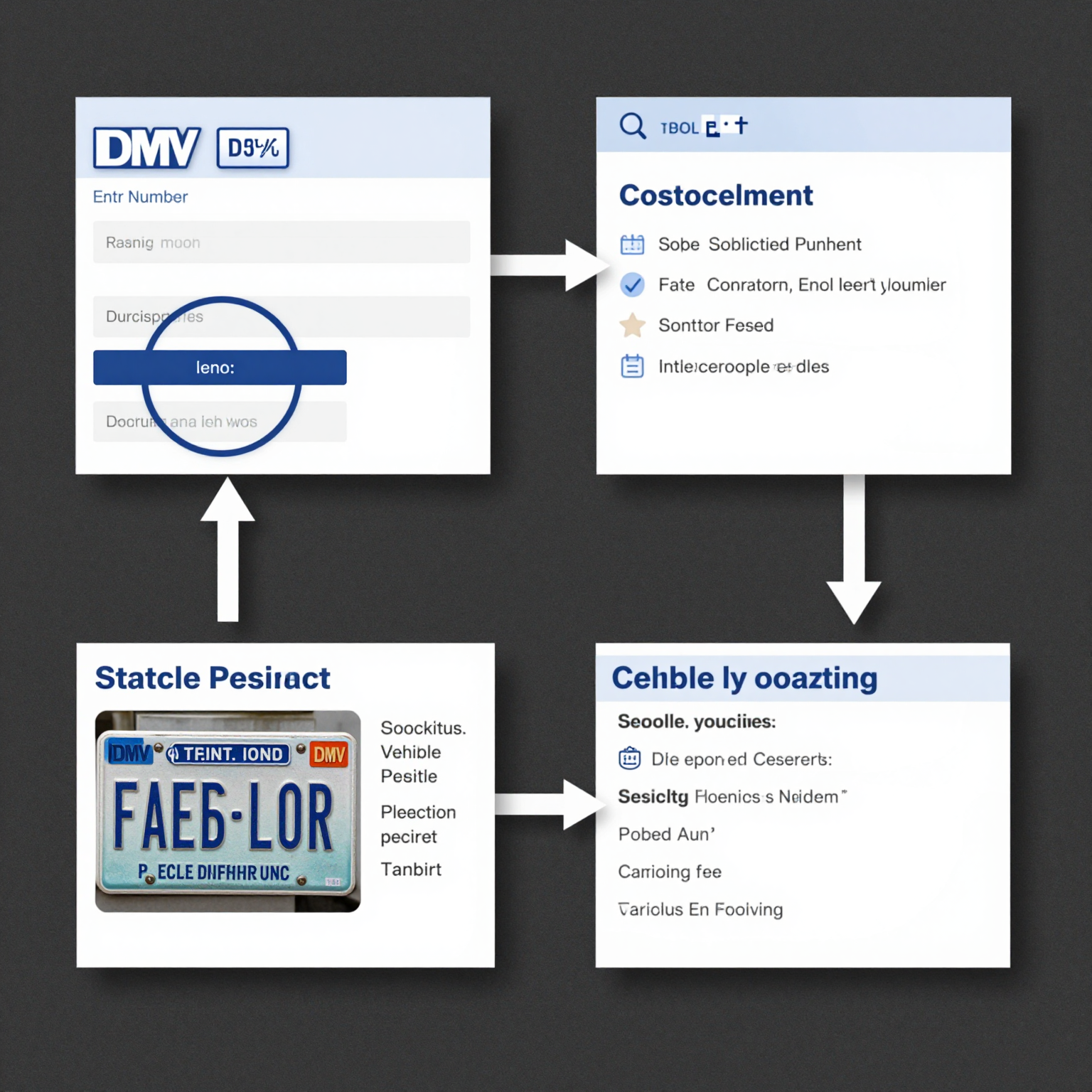
Step-by-Step Guide to Conduct a Vehicle Lookup Through DMV
Conducting a vehicle lookup through your local DMV can be a straightforward process if you follow these detailed steps. This guide is tailored for new drivers, vehicle owners, and auto dealerships looking to verify vehicle registration, ownership status, and more.
Step 1: Gather Required Information
To initiate a vehicle lookup, you will need the following information:
- License Plate Number: The specific number displayed on the vehicle’s registration plate.
- State of Issuance: The state where the vehicle is registered. This can impact the lookup process as different states have varying regulations and online tools.
- Vehicle Make and Model (if applicable): Some states may require additional details about the vehicle for more accurate results.
Step 2: Visit Your Local DMV Website
Access your state’s DMV website to utilize their online vehicle lookup services. Here are some useful resources:
- Virginia DMV Vehicle Information Lookup
- California DMV Registration Status Check
- New York DMV Vehicle History Report
Step 3: Enter the Required Data
Once you are on the DMV’s vehicle lookup page:
- Enter the license plate number into the designated field.
- Select the state where the vehicle is registered.
- Fill in any other required information, which may include the vehicle’s make, model, and year.
Step 4: Review the Fees
Many DMVs charge a fee for detailed vehicle information. Typical fees include:
- Basic Info Lookup: Free to low-cost, depending on the state.
- Detailed Reports: Ranges from $3 to $20, depending on the details requested (ownership history, lien status, etc.). For instance:
- California: Basic check is free, detailed reports may cost around $10.
- Virginia: $3.50 per search for vehicle details.
- New York: $15 for a standard vehicle report.
- Always check the payment options available, which may include credit card, debit card, or electronic payment systems.
Step 5: Submit Your Request
After entering your information:
- Click the submit button to process your request. Wait for the response, which may give you the vehicle’s details immediately or send you a report via email, depending on the service used.
Step 6: Analyze the Information Received
The vehicle information you may receive includes:
- Vehicle make, model, and year.
- VIN (Vehicle Identification Number)
- Registration status.
- Any existing liens or restrictions on the vehicle.
Important Considerations
- Privacy Laws: Access to detailed vehicle information is often restricted due to privacy laws. Only authorized individuals may obtain sensitive data.
- Official Sources: Always use official DMV websites for vehicle lookups to avoid scams and inaccurate data from third-party sites.
Conclusion
Looking up a vehicle through the DMV can help you verify ownership, assess registration status, or gather necessary documentation for transactions. Make sure to follow the outlined steps, and use the provided links for direct access to your local DMV services. For individuals involved in legal proceedings or insurance disputes, having access to accurate vehicle records is crucial.
State-Specific Regulations on Vehicle Lookup by License Plate
When it comes to looking up vehicle information through license plate numbers, regulations can vary significantly across the states in the U.S. This variance mainly reflects concerns related to privacy and the protection of personal information. This article aims to summarize the essential state-specific regulations governing vehicle lookups by license plate, highlighting key differences and unique laws where applicable.
Overview of Access Rights
Most states do not permit the general public to access detailed vehicle registration information using license plates. Instead, access is often restricted to specific entities such as law enforcement agencies, certain authorized professionals, and in some cases, the vehicle’s owner. Below is a summary that outlines access rights and methods of inquiry for several key states:
| State | Public Access to License Plate Lookup | Law Enforcement Access | Insurance Agents/Companies | Other Authorized Entities | Methods of Inquiry (License Plate vs VIN) | Key Privacy & Access Laws |
|---|---|---|---|---|---|---|
| California | ❌ No direct public access | ✅ Yes, authorized under Vehicle Code § 1802 | ✅ Yes, under specific conditions | ✅ Private investigators, attorneys | ✅ VIN via DMV; ❌ License Plate requires authorization | CA Vehicle Code § 1802, CA Civil Code § 1798.83 (Privacy Act) |
| New York | ❌ No public access | ✅ Yes, authorized for investigations | ✅ Yes, with proper authorization | ✅ Licensed private investigators, attorneys | ✅ VIN via DMV; ❌ License Plate requires authorization | NY VTL §§ 400-406, NY Civil Rights Law § 50 |
| Illinois | ❌ No public access | ✅ Yes, law enforcement has access | ✅ Yes, subject to privacy rules | ✅ Licensed private investigators, attorneys | ✅ VIN widely available; ❌ License Plate requires legal justification | IL Vehicle Code (625 ILCS 5/), IL FOIA (5 ILCS 140) |
| Texas | ❌ No direct public access | ✅ Yes, via the DPS systems | ✅ Yes, with proper authorization | ✅ Licensed private investigators, attorneys | ✅ VIN fully accessible; ❌ License Plate requires authorization | TX Transportation Code § 502, TX Open Records Act (ORA) |
Unique Regulations and Public Protection
- California emphasizes privacy heavily through its Vehicle Code, restricting public access to vehicle information to prevent unauthorized use and potential identity theft. This means that only select individuals, such as licensed legal professionals, can request this data under specific conditions.
- New York employs strong privacy protections through its Vehicle and Traffic Law, emphasizing that unauthorized disclosure from DMV records is prohibited.
- Illinois has a similar approach, with regulations drawn not just from privacy concerns but also from the Freedom of Information Act, which limits personal data access.
- Texas laws reflect a commitment to citizen data protection, clearly delineating what constitutes valid access to vehicle registration data.
Conclusion
Navigating state-specific regulations on vehicle lookups by license plate requires understanding the fine details surrounding privacy laws and access rights. Generally, these regulations are designed to protect personal information, with various states offering limited access primarily to law enforcement, insurance agencies, and authorized professionals. For those needing vehicle information, it is advisable to pursue official channels such as state DMV websites where structured processes exist to request data responsibly.
For further exploration of vehicle regulations, you can learn more about state rules impacting driver licensing and check the vehicle inspection requirements.
Conclusion: Elevate Your Driving Experience with Summit Fairings
In conclusion, understanding how to look up a vehicle by its license plate is not only essential for new drivers and learners but also serves as a valuable resource for existing drivers, vehicle owners, and auto dealerships. By accessing this crucial information, individuals can ensure the accuracy of vehicle history, ownership, and safety compliance. The benefits are manifold-from informed purchasing decisions to enhanced safety checks when buying used vehicles. Moreover, it’s important to remember that each state may have different regulations and requirements surrounding vehicle licensing; always check state rules impacting driver licensing for the most accurate guidance.
When considering how you can further personalize and enhance your vehicle, look no further than Summit Fairings. As a leading supplier in motorcycle fairings, they specialize in customized designs that not only improve the aesthetics of your motorcycle but also enhance performance. Offering unparalleled service and innovative products, Summit Fairings meets the unique demands of every rider, ensuring that your vehicle reflects your individuality. Visit their website to explore their comprehensive range of offerings, and take the first step towards an upgraded driving experience. Whether it’s a sleek look or enhanced functionality, their expert team is ready to assist you every step of the way.
Your Adventure Awaits
Don’t wait! Customize your motorcycle today with Summit Fairings and enjoy the ride tailored to your personal style. Experience the joy of a truly unique vehicle that stands out on the road. Embrace the journey, and let your motorcycle shine with your personality!

Image of a customized motorcycle showcasing individuality and personality.