
Transferring license plates can be a complex process that new and existing drivers, as well as vehicle owners and auto dealerships, need to understand. It’s essential for maintaining ownership continuity and compliance with local regulations. This guide unravels the legal aspects of ownership, the conditions under which plates can be transferred, the formal process involved, common misconceptions surrounding the practice, and regional variations that impact how transfers are managed. Each chapter delves into critical components that will empower you with the knowledge you need to navigate license plate transfers effectively.
From Plate to Plate: The Legal Reality and Practical Pathways for Transferring Your License Plate to a New Vehicle
License plates are a government-issued identifier linked to a vehicle, not a piece of personal property you can trade at will. This distinction matters because it frames what you can and cannot do when you buy a new car or upgrade to a different vehicle. In most jurisdictions, the plate stays with the vehicle it’s registered to and remains under state control through the registration system. You do not own the plate in the same way you own a car part or a personal possession; you hold the right to use it on a vehicle you’ve properly registered and insured. When people ask, “Can I take my plate with me to my next car?” the honest answer is nuanced. You can, in many places, move a plate to a new vehicle you own, but only within a tightly regulated process that preserves the linkage between plate, vehicle identification, and ownership. It is not a free transfer of a standalone item to a new owner; it is an official reallocation within the registration framework. That nuance shapes every step, every rule, and every potential fee you may encounter as you navigate the transition from one car to another.
The core idea behind plate transfer is practical continuity. If you’ve invested time, money, and emotional attachment in your license number, you’ll want to keep it when you switch vehicles — so long as you meet the state’s conditions. In many states, the path is called either plate transfer or plate retention. The goal is to have a seamless registration on the new vehicle while preserving the original identifier. Yet the ability to do this hinges on a handful of conditions. The plate must be in active use on a vehicle registered to you, the old vehicle should be properly retired or sold within the law’s bounds, and the new vehicle must meet all the registration requirements before the plate can be affixed. The transfer, when permitted, is typically processed through the local department of motor vehicles or an equivalent agency, and it often results in a temporary permit that allows the new vehicle to operate while the official plate is issued. The transfer is not automatically granted; it is granted through a formal review and an administrative action that reassigns the plate number to the new vehicle under the same owner.
A practical way to think about it is to compare it to a link in a chain. The chain connects the plate to a specific vehicle’s VIN, its insurance status, and its registration record. When you move to a different car, the chain can extend to the new VIN, but only if the state approves the extension and the new vehicle satisfies the same checks and requirements as the old one. Even in places that permit transfers, there are boundaries. You cannot hand a plate to someone else who is buying a different car unless the state has an explicit program that allows such an arrangement under defined circumstances. In most cases, the incoming owner must choose a plate that is assigned to them through the standard process, rather than inheriting or taking over the same number. The spirit of the rule is clear: a plate’s authority runs with the registration and ownership of a vehicle, not with personal ownership of the plate as a collectible or commodity.
Different states carve this policy into different shapes. In California, for instance, there is recognition that private or personalized plates can sometimes transfer to a new vehicle, but the transfer is conditional. The owner must have held the plate for a minimum period, and the new vehicle often needs to be registered in the same county as the prior vehicle. The practical effect is that a plate with history and associations can travel to a new car, provided the new car remains in the same ownership and the administrative steps are completed in time. In Texas, the approach is more restrained but still permissive in a family or household context: plates can move to a different vehicle within the same family, so long as the vehicles are titled and registered in the same name. New York provides a careful mechanism known as plate retention, designed to keep the plate within reach during a sale or trade. The key is a defined window for transferring the plate to a new vehicle, typically within a short period after the sale or trade, with eligibility criteria that must be met. These examples illustrate a common pattern: the transfer is possible, but only within a tightly scripted framework that protects the integrity of vehicle registrations and plates themselves.
General requirements often accompany the transfer process, even when a state permits it. The new vehicle must pass the usual hurdles: registration in the owner’s name, proof of insurance, and compliance with safety and emissions rules where applicable. The plate may need to be surrendered by the old vehicle and reissued for the new one, or the agency may issue a temporary permit while the new plate is prepared. In many cases, the plate number you want to keep remains tied to the original registration until the transfer is approved, after which a new plate for the second vehicle is issued with the same identifying number. This is why the transfer process is not only about moving a piece of metal from one car to another; it is a regulatory action that preserves the continuity and traceability of the plate across vehicles and owners.
One of the most important practical notes is that the timeline matters. In many places, there is a window during which you must initiate the transfer after you sell or transfer the old vehicle. That window is designed to prevent abandoned registrations and to minimize the risk of plate duplication or misuse. In some regions, the window can be as short as a few weeks, while in others it may extend to a couple of years. The exact timeframe depends on the state’s policies and the specifics of the plate program you’re navigating. A related constraint is the absence of unresolved violations or incidents associated with the plate or the old vehicle. The enforcement of clean records is a standard precaution that helps prevent the plate from being linked to ongoing or unresolved legal issues. The idea is straightforward: you can carry forward the plate only if the vehicle and its record are in good standing when the transfer occurs. If a violation or unresolved incident is tied to the plate or the vehicle, the transfer may be blocked or delayed until the issue is resolved.
The process, while formal, often follows a recognizable sequence. First, you complete the sale or transfer of the old vehicle. Then you submit an application to retain or transfer the plate to the new vehicle. The application typically requires proof of ownership, proof of insurance, and the new vehicle’s details along with the existing plate number. If the agency approves the request, you receive a temporary permit that allows you to operate the new vehicle while the official plate or new plate with the same number is prepared. If the request is denied, the plate may remain with the old vehicle or you may be issued a new plate for the new vehicle. In some cases, the old plate must be surrendered to the DMV, and the new plate is issued independently with the same number but different registration specifics. This procedural choreography ensures there is no gap in official registration, no ambiguity about the vehicle the plate currently protects, and no unauthorized use of a plate across different ownership arrangements.
A common misperception is that the plate is a personal item you can freely lend or sell. The reality, reinforced by multiple state regulations, is that transferring a plate is not a standalone sale or transfer of property. It is a regulatory action that maintains the integrity of registration numbers as identifiers of specific vehicles under specific owners. Because the plate’s number can hold sentimental or practical value — for example, a plate with a meaningful or easy-to-remember sequence — many people pursue transfer options with care. This careful approach protects both the owner and the public, by ensuring that the plate remains a valid, traceable sign of who owns which vehicle and under what terms the vehicle is operated on public roads.
If you’re contemplating a move from one vehicle to another and you want to know whether your current plate can travel with you, the first step is to consult your state’s rules. The landscape changes from one jurisdiction to the next, and even the same state can adjust its policies over time. A reliable path is to review the official DMV or transportation authority guidance for plate transfer or plate retention in your jurisdiction. This chapter has drawn on representative patterns from several states to illustrate the typical architecture of plate transfers: ownership remains with the state, transfer requires ownership of the new vehicle by the same person, and timing plus record cleanliness are essential for approval. A good practice is to verify the precise requirements in your area before selling your old vehicle or committing to a new one. Some states provide convenient online tools or forms to streamline the process, while others require in-person visits or certified documents. Either way, the objective remains the same: preserve the registration’s continuity, honor the plate’s identity, and ensure the new vehicle is properly integrated into the registration system.
For readers seeking a broader sense of how state rules shape these decisions, a deeper look into the regulatory landscape can be helpful. See the broader discussion of how state rules impact driver licensing to understand the variations that can influence plate retention and transfer policies across the country. state rules impact on driver licensing. While this chapter highlights the core mechanics and typical expectations, always verify with your local DMV for the exact path and timing you should follow. And when you’re ready to consult an authoritative, state-specific resource, you can turn to official guidance such as the California Department of Motor Vehicles, which provides formal information about plate transfers, registrations, and the conditions under which a plate can stay with a new vehicle. For official guidance on plate transfer policies in California, visit the California DMV site: https://www.dmv.ca.gov. These sources anchor your understanding in the law and help you navigate the practical steps with confidence, reducing the risk of missteps that could complicate your move to a new car.
null
null
The Plate You Keep: Navigating License Plate Transfers Between Vehicles Under State Rules
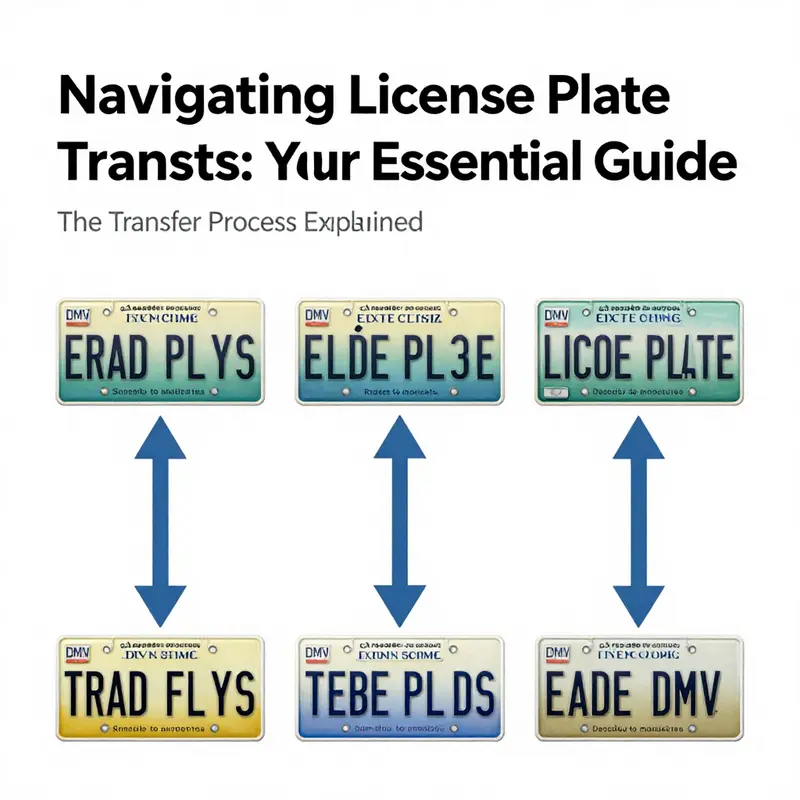
A license plate is not personal property in the way a wallet or a badge might be. It is a government-issued identifier tied to a vehicle and, by extension, to the owner of that vehicle in the eyes of the registration system. Because of that link, plates are not bought or sold on the open market as standalone items in most places. Yet many drivers want to carry a favorite number from one car to another, and doing so is often possible through a regulated process. The core idea is straightforward: you may be able to transfer a plate to a new vehicle you own, but only within the framework set by the state or local authority that issued the plate. The result is continuity of identity on the road, not a free-floating asset that can be passed to anyone at any time. This is where the transfer process becomes more than a simple formality; it is an administrative choreography designed to maintain accurate ownership records and to keep the registration system clean and auditable.
A few essential conditions govern how plate transfers work in practice. First, there is the reality that plate ownership rests with the state, while the right to use a plate on a particular vehicle is conditioned by that vehicle’s registration in your name. So, while you can keep the same number as you move to a different car, the transfer cannot be to someone else’s vehicle in most jurisdictions. The second condition is the minimum use period. In many places, the plate must have already been used on a vehicle registered in your name for a specified minimum duration, commonly one year. Some regions, however, adopt longer thresholds. In Shanghai, for instance, the minimum period is three years. This requirement helps prevent opportunistic transfers that might otherwise distort vehicle history, registration legitimacy, and enforcement records. The third condition concerns any outstanding violations. If the plate’s current vehicle has unresolved traffic violations or accidents, the transfer can be blocked until those issues are resolved. The fourth condition deals with timing: the window within which you must initiate the transfer is finite. In most jurisdictions, you need to apply to retain the plate within a defined period after selling or transferring the old vehicle, often within two years. Finally, the same-owner rule holds firm in most places: the new vehicle must be registered in the same name as the old one. These conditions together ensure that plate retention stays aligned with the registration chain and with the individual driver’s licensing profile, while still offering a practical route for owners who want to preserve a preferred plate number.
When you picture how this works in real life, it unfolds as a sequence of events that feels almost procedural but is deeply guided by policy. You would typically sell or transfer your old vehicle first. Then you approach your local Department of Motor Vehicles or its equivalent to request permission to retain your current license plate for your new vehicle. If the agency approves, you may receive a temporary permit that allows you to operate the new car with the old plate as the transfer is finalized. Soon after, you would be issued a new plate displaying the same number for the new vehicle. In essence, the plate number becomes a bridge from the old car to the new one, provided all conditions are met and all fees are paid. The temporary permit serves as a practical bridge while the official, permanent registration is completed. This path helps owners maintain continuity—especially when a number holds personal significance or brand value—without compromising the registration system’s integrity.
Yet the transfer landscape is not uniform across the United States, and even within the same country the rules vary enough to warrant careful attention. Some states permit transfers only between similar vehicle types, such as passenger cars, and only when both vehicles are currently registered in the same name. Others impose stricter limits, or they prohibit plate transfers altogether if certain conditions are not satisfied. The overarching principle is that plate retention is a state-regulated option, not a national entitlement. Because state laws shape the exact steps, the required documents, and the fees, the transfer experience can differ markedly from one jurisdiction to the next. The nuance matters, because a mistake in paperwork or a missed deadline can block a transfer, trigger penalties, or invite a period of invalid registration that becomes a headache to untangle.
To ground this discussion in a concrete example, consider how a state with a straightforward transfer framework handles the process. In Florida, for instance, you can transfer tags between vehicles you own, provided you pay the required transfer fee and ensure that both vehicles are registered in your name. The paperwork is designed to be straightforward, but it remains essential to submit the appropriate forms and documentation exactly as the Florida Department of Highway Safety and Motor Vehicles requires. The Florida example serves as a useful template for how a transfer can be efficiently managed when the conditions align: ownership in both vehicles, proper documentation, and timely payment of the transfer fee. It also illustrates a broader pattern in many states, where plate retention offers a clear convenience—the ability to preserve a preferred number as you upgrade or switch vehicles—without letting the number out into the general plate pool. In practice, the ease of transfer in one state does not guarantee the same experience elsewhere, and that discrepancy is precisely why checking local rules is indispensable before initiating any transfer.
As you navigate the practical side of plate retention, several considerations deserve emphasis. First, you should connect with your local DMV or explore the state’s official website to confirm whether plate transfers are allowed, what documentation is required, and what fees apply. The specifics of what constitutes eligible documentation can be surprisingly nuanced: proof of ownership for both vehicles, proof of registration, a valid form of identification, and evidence that there are no outstanding violations tied to the old vehicle are common elements. Failing to satisfy any of these conditions—whether by missing a document, missing a deadline, or having unresolved violations—can derail the transfer and may lead to penalties, fines, or a hold on registration. The administrative timing is not a mere courtesy; it is a legally binding gatekeeper that ensures the plate’s linkage to a legitimate vehicle history and to the current owner.
Another layer of complexity emerges when thinking about the plate’s status after a transfer. While a successful transfer often means the new vehicle will carry the old plate number, the system may still allocate a new plate number to the new vehicle if the transfer is not approved or if the state’s rules require it under specific circumstances. The common takeaway is that, even when retention is permitted, the plate remains tied to the owner and the registration record. The new owner of the vehicle will usually have the option to select a different plate number from the available pool, reinforcing the idea that the plate as a physical object is not merely a token of identity but a component of a regulated registry with a traceable chain of ownership.
This discussion also invites reflection on how plate transfers fit into broader licensing and registration policy. The transfer process is not simply about moving a sticker from one car to another. It reflects an integrated system that ties vehicle identification to owner identity, vehicle history, and regulatory compliance. These rules affect how drivers plan their vehicle purchases, how they manage their branding or family fleet changes, and how they anticipate potential paperwork or financial costs. For readers who want to explore the policy angle further, the topic of state rules impact on driver licensing provides a concise frame for how these decisions ripple through licensing practices. State rules impact on driver licensing offers additional context about how plate-related decisions are coordinated with broader licensing and registration policy across jurisdictions.
Ultimately, the key takeaway is this: license plates can be transferred to another vehicle in many places, but the transfer is governed by state law, designed to preserve the integrity of the registration system, and dependent on specific conditions. You cannot simply give or sell a plate to someone else, and you cannot assume a universal right to reuse a plate across any vehicle. A successful transfer requires that the old vehicle’s registration remains in your name, that any outstanding violations are resolved, that you initiate the transfer within the allowable window, and that both the old and new vehicles meet your state’s compatibility rules. The process, while it can be straightforward in a state with clear retention procedures, demands careful attention to paperwork, timing, and fees. If you keep these elements in view, you can preserve a plate you value while staying compliant with the law and with the administrative expectations of your local DMV.
For those seeking a more formal illustration of how a transfer operates in practice in a large state, consult the official Florida transfer page cited earlier. It provides a practical blueprint you can adapt to other jurisdictions by substituting local forms and requirements. The Florida example demonstrates how a well-structured transfer process can balance continuity with accountability, ensuring that a plate number arrives at the new vehicle in an orderly, properly documented manner. The end result is a smoother transition for drivers who want to maintain a preferred identifier while remaining fully compliant with their state’s vehicle registration framework.
Beyond the Plate: Truths, Myths, and the Real Mechanics of Transferring a License Plate to a New Vehicle

The question of whether a license plate can travel with you when you switch cars is more nuanced than it appears. People often cling to the notion that the plate is a form of personal property that should endure beyond the sale of a vehicle. In truth, a license plate is a government-issued identifier tied to a vehicle and its registration. Ownership rests with the state, not with the individual. Your right to use a plate arises from registration on a vehicle in your name and within the legal framework established by your state. That framework is precise, and it works through an official process rather than a casual handoff. Where this process exists, it is designed to balance practical convenience with accountability on the road. The plate is not a decorative tag to be moved at whim; it is a marker in the registration system that anchors the vehicle to its owner, its history, and its compliance with traffic laws. Understanding this distinction lays the groundwork for evaluating whether a plate can be moved from one car to another and what that movement actually entails when it is allowed.
To even consider moving a plate from one car to another, you must go through an official process. It is not a free transfer that you can perform informally or a saleable item you can hand to a friend. The transfer, when permitted, is generally called plate retention or plate transfer, and it is conditional. The new vehicle must be registered in the same owner’s name, and both vehicles must be eligible for the same plate under the state’s rules. This is not a universal permission slip, but a carefully regulated option that states use to preserve continuity in registration records. The practical effect is sometimes a seamless replacement, sometimes a skipped step, and sometimes a refusal, depending on the exact circumstances and jurisdiction. As a driver evaluating a move from one vehicle to another, you should think of plate retention as a controlled handoff rather than a casual reattachment.
Several conditions shape whether a transfer will be approved. The old plate typically must have been used on a vehicle registered to you for a minimum period—commonly one year, though some jurisdictions set longer horizons. The vehicle linked to the plate must be free of unresolved violations or major incidents; a clean record helps the request move smoothly. The application to retain the plate usually needs to be filed within a defined window after selling or transferring the old vehicle, often within two years. And, crucially, the new vehicle must remain under your ownership. These conditions are not arbitrary; they are designed to ensure the plate continues to reflect an accountable, traceable arrangement between the driver, the vehicle, and the road network. When any of these elements is missing or disputed, the transfer request can be denied or delayed, and that can complicate plans for a new car purchase or a trade-in.
The process, once the prerequisites are met, unfolds in a steady sequence. You sell or transfer your old vehicle and then approach the local DMV or equivalent agency to request plate retention for a new car. If the agency approves, you receive a temporary permit and, after processing, a new plate that bears the same number for your new vehicle. In some states, the plate carries a historical significance or a prestige factor, but even then the underlying mechanics remain the same: the plate is tied to the vehicle’s registration and the owner’s identity, not to a mere possession of metal and ink. The temporary permit is a bridge in time, signaling that the legal switch is underway while the bureaucracy catches up with the paperwork. Throughout this sequence, you must maintain compliance with insurance and registration updates so that the transition does not create gaps in coverage or in the official record.
However, myths and misperceptions abound. A common belief is that the plate, once issued, can be kept forever. Truth is more nuanced, because renewal cycles and evolving rules still govern the fate of a plate. Many states require renewal, and failure to renew can suspend or deactivate the plate. Even when plate retention is possible during the sale of a vehicle, renewal obligations continue on schedule. If renewal is neglected, the plate may be canceled, becoming unusable and jeopardizing the prospect of reusing the same number later. Another widespread myth claims you can transfer plates to any vehicle under any circumstance. The reality is more cautious: most transfers require both cars to be in the same name and within specified timeframes. Certain vehicle types—such as commercial trucks, motorcycles, or vehicles with special uses—may be ineligible for plate transfer altogether, or they may require special handling. The transfer mechanism is as much about ensuring the continuity of the registration record as it is about convenience.
A related misperception is that plate transfer happens automatically when you sell a car. In reality, no automatic handover exists. The buyer must apply for registration in their own name, and the seller must surrender the plate through the DMV. Failing to complete the formal surrender can leave the original owner liable for fines or violations if the vehicle is later used by someone else. Similarly, even if you think you can slap the old plates onto a new car the moment you sign the sale papers, you generally cannot. Most jurisdictions require the transfer to be finalized through the official channel before the plates can be legally displayed on the new vehicle. This is not a punitive measure; it is a safeguard that helps prevent misregistered vehicles and the confusion that can arise from overlapping registrations across different owners. It also means that if you are eager to keep the same number, you must be prepared for documentation, timing, and potential fees that reflect the administrative work required to make the transfer official.
The picture becomes more complex when you look across states or countries. In some places there is a hard rule of one year or more of plate usage, as in Shanghai where longer horizons may apply for certain plate types. Abroad or in regions with different administrative ecosystems, the transfer framework can be quite different. That is why many drivers are surprised to learn that the same plate policy may not take effect identically in their neighbor’s state. The variance matters not just for etiquette but for penalties and the administrative cost of missing a deadline, failing to report a sale, or attempting to reuse a plate outside the allowed framework. When you plan a move between vehicles, you quickly realize that the plate retention option is not a one-size-fits-all feature but a policy that can shift with location, vehicle type, and ownership details.
The internal dynamics of plate retention are also in motion as jurisdictions update their rules. Some areas have modernized their systems to link plate retention more tightly to centralized vehicle records, while others still treat plates as a near-personal symbol with a comparatively forgiving transfer window. The guiding principle remains clear: the plate belongs to the registration system, not to an individual’s sense of personal attachment to a particular number. Any attempt to give or sell a plate to someone else generally fails because the plate is tied to the owner and to the vehicle’s official registration. This is not about a social preference; it is about accurate, auditable records that support safety, accountability, and efficient enforcement.
When you are planning a move from one vehicle to another, approach it with a practical checklist rather than assumption. Confirm that the new vehicle is titled in your name and that there are no outstanding tickets or violations tied to the plate’s registration. Then verify the minimum use period and the transfer window in your state. If you are selling to a dealer or trading in for a newer model, ask specifically about plate retention options and any associated fees. If you are buying a car from a private party, inquire whether the seller intends to retain their plate or surrender it; the plate’s status can influence the deal’s timing and price. Throughout, maintain open communication with the DMV to clarify the exact steps, forms, and deadlines. The hidden complexity of plate transfers is less about the number on the plate and more about the precise alignment of ownership, registration, and compliance. A clear plan helps you sidestep common pitfalls and keeps the process moving smoothly.
To build confidence in your understanding, consider the role of official guidance. While general principles can be described here, the specific steps, forms, and eligibility will depend on your jurisdiction. The most reliable source of truth lies in the DMV or equivalent agency’s guidelines. For readers seeking a state-minded anchor, the internal reference to state rules helps illuminate how different regions discipline plate usage and retention. See State Rules Impact on Driver Licensing.
Ultimately, the reason for adhering to these rules is practical: it keeps roadways safe and records clear. A plate is not a badge of ownership you can pass to a friend or a casual buyer. It is a legal marker that codes the vehicle’s identity in the traffic ecosystem. When you move to a new car, following the official transfer process protects you from penalties, preserves your ability to reuse the number if eligible, and saves time and money by preventing future registration complications. The transfer pathway, though sometimes tedious, is designed to ensure accountability and prevent plate misappropriation while allowing legitimate reuse where the state permits it. The truth is not dramatic drama; it is disciplined administration that balances flexibility with responsibility.
For readers who want to see how a widely cited example plays out, consider the California experience—a blueprint for understanding transfer rules within a well-documented framework. The official guidance emphasizes eligibility, documentation, and processing steps that can be adapted to other states facing similar concerns, reminding us that the core logic is consistent even if the rules differ in detail. While the exact forms and timelines may vary, the logic remains stable: your plate is a mobility tool, but one that requires a formal relationship to a specific vehicle and owner. In the end, decoding the myths from the mechanics of plate transfers helps save time, money, and the frustration of penalties. It invites drivers to engage with their local authorities, to map out a transfer plan ahead of selling or trading, and to respect the boundaries set by the registration system. The simplicity of the idea that a plate can vanish from one car and reappear on another belies a structure built to protect public safety and record accuracy. When you approach plate transfers with curiosity rather than assumption, you equip yourself with a practical playbook for one of the most overlooked aspects of vehicle ownership.
External Resource: https://www.dmv.ca.gov/portal/vehicle-ownership-and-registration/transfer-your-license-plate/
Transferring License Plates Between Vehicles: Navigating Regional Rules and Practical Pathways
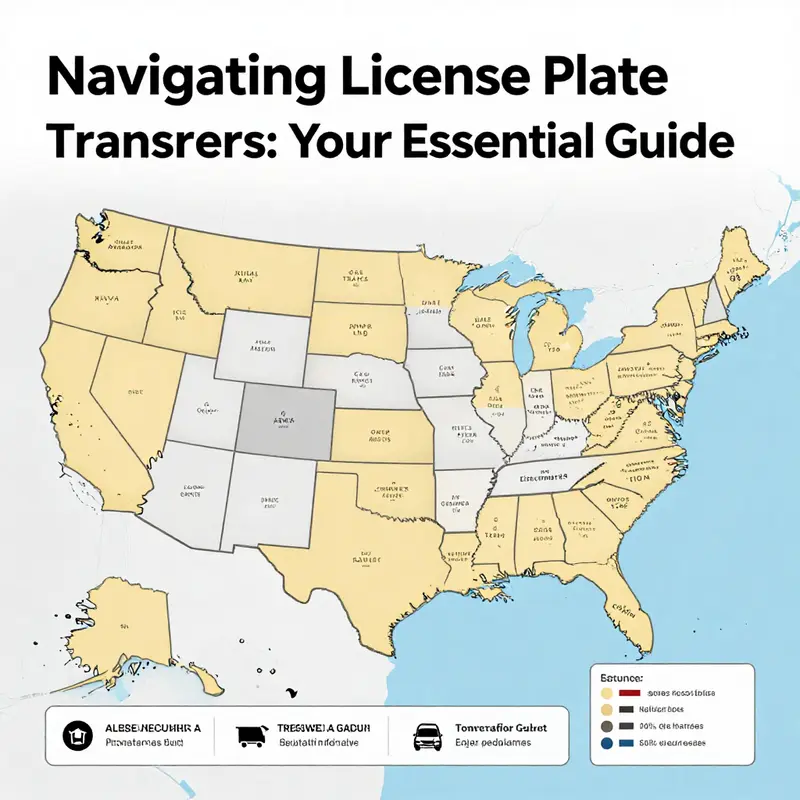
License plates are more than decorative identifiers on the back of a car. In most places, they function as a government-issued registration marker that ties a number to a specific vehicle and its owner within a given jurisdiction. Because the plate is not personal property in the sense of a resaleable asset, the decision to keep or transfer it is bound up in how a region’s DMV or motor vehicle authority treats plate retention. The question, “Can I move my plate from one car to another?” therefore becomes a matter of local rules, procedural steps, and the practical realities of ownership, insurance, and registration. When you look across the United States and into neighboring Canada, you quickly see a common structure: plate transfers exist, but they are not universal, and they are not as simple as handing someone a plate and decluttering your car’s identity. The transfer, when it is allowed, is designed to work within the same ownership frame, preserve continuity of registration, and ensure that the vehicle being plated remains properly insured, inspected if necessary, and correctly registered in the correct name. The real story, then, is less about the plate as a standalone object and more about the chain of administrative steps that connect a plate to a vehicle and its owner.
Across many regions, eligibility hinges on a few core principles. First, the plate must be attached to a vehicle that is owned or registered in the same name as the new vehicle. In practice, this means you cannot simply pass a plate to another person who then uses it on a different car; the new registration must still be in your name. Second, the transfer is typically allowed only when the plate remains tied to a vehicle that meets the same basic category and registration class as the one you are moving to. Some states permit transfers from a passenger car to another passenger car with straightforward fees and a short window for action, while others restrict transfers to vehicles of the same type or adjust the cost if the vehicle class changes. The general pattern is to allow the move when the new car is registered under the same owner within a set period after purchase or transfer of the old vehicle. This creates a continuous narrative of ownership and responsibility, in which the plate remains a constant signifier of the person who legally controls the vehicle’s use on public roads.
Within this framework, the timing of the transfer is critical. In many jurisdictions, you will find a window—often ranging from 30 to 60 days after purchasing a new vehicle during which you must complete the plate transfer. Some regions impose stricter timing, and a few larger urban areas may require action within a shorter period to ensure that the plate is linked to current insurance and registration data. Conversely, a few places allow longer windows, but impose additional constraints such as proof of a clean record, no outstanding violations, or a vehicle inspection requirement when the plate is moved to a substantially different vehicle type. Shanghai’s example illustrates regional specificity: a longer minimum use period on the original vehicle can be a prerequisite before considering a plate transfer to another car in the same name. The upshot is that timing is not a mere administrative formality—it is a gatekeeper that helps prevent plate-related fraud, ensures the new vehicle is properly accounted for, and aligns with tax and insurance obligations that travel with the plate across vehicles.
Another essential criterion revolves around the status of any outstanding violations or accidents tied to the vehicle bearing the plate. If there are unresolved issues, many jurisdictions will block the transfer until those records are cleared or addressed. This safeguard protects both the public and the integrity of the registration system, ensuring that a plate associated with a vehicle that has an outstanding liability does not become a loophole through which penalties or incidents can escape accountability. It also reinforces the idea that the plate is part of an ongoing relationship between a person, a vehicle, and a set of responsibilities that travel with the motor vehicle through its life cycle. A clean record in this sense signals that the vehicle will continue to meet the region’s safety and compliance expectations as the plate moves to a new car.
The process itself tends to follow a recognizable arc, even though the specific steps vary by region. Typically, the owner begins by selling or transferring the old vehicle in a way that preserves the plate’s eligibility for transfer. Immediately after this, the owner engages with the local DMV or its equivalent to submit a plate-retention or plate-transfer application. Proof of ownership for the new vehicle, proof of insurance in the same name, and identification are commonly required. Some jurisdictions allow or encourage online submissions, which streamlines the transfer considerably, while others still rely on in-person visits to verify documents and collect the necessary fees. Fees for plate transfers fluctuate, often reflecting the administrative cost of aligning records with the new vehicle and, in some cases, offsetting the administrative burden of maintaining the plate within the same ownership stream. Fees can range from modest to substantial, depending on the state or province and whether the transfer crosses vehicle-type boundaries, such as from a passenger car to a light truck.
A subtle but meaningful facet of the transfer conversation concerns special and personalized plates. If the plate in question has a recurring design, a special designation, or a personalized message, there may be additional steps or restrictions attached to relocating the plate. Some authorities differentiate between specialty plates that carry a specific theme or student affiliation and standard issue plates; others treat personalization as a separate service with its own set of rules and fees. The key point remains consistent: the transfer remains inseparable from the rules governing the plate type and its intended ownership structure. If the plate is tied to a vehicle that has a unique ownership pattern or a special registration class, the transfer may require additional approvals or alternate pathways, and it may even be discouraged or prohibited in certain cases to preserve the system’s fairness and accuracy.
The practical implications of transferring plates extend beyond the moment of registration. In many regions, the old and new vehicles must be insured under the same owner’s name for the transfer to be valid. This aligns the plate with the broader liability framework that protects drivers, passengers, and other road users. Under some jurisdictions, an inspection or verification step might accompany the transfer, particularly if the new vehicle is used, has undergone a title change, or bears a salvage designation. These checks serve to confirm that the vehicle’s physical condition, its history, and its current registration status are in harmony with the plate’s ongoing use. Insurance and registration are the twin anchors of any plate transfer, ensuring that the plate’s identity remains consistent with the vehicle’s safety and compliance profile.
A central, often overlooked, point is the rule that a plate cannot simply be “sold” or transferred to another private person as a standalone item. The plate is intended to travel with the vehicle through ownership changes; when a new owner acquires a vehicle, that purchaser typically receives a fresh plate number unless the new registration and the transfer are processed through the proper channels. This design protects the integrity of the registration system, ensuring there is a clear paper trail that ties a plate to a specific owner and a specific vehicle registration record. It also prevents confusion in traffic enforcement and tolling systems, where a plate’s history is part of how risk and liability are assigned.
The regional variability of these rules means that anyone contemplating a plate transfer should begin with a careful examination of their local authority’s guidelines. The overarching narrative—plates can move from one vehicle to another within the same ownership framework, subject to timing, record cleanliness, and proper documentation—remains stable. Yet the exact window, the type compatibility, the allowable combinations of vehicle classes, the inspection or verification requirements, and the precise fee structure will differ depending on the jurisdiction. In practice, this means a prospective plate transfer should be treated as a coordinated administrative process rather than a single-step transaction. A successful transfer rests on preparation: confirming ownership status for the new vehicle, verifying that the old vehicle’s registration is in order, ensuring that there are no outstanding violations, and scheduling the transfer within the permitted timeframe.
For readers seeking a boundary-spanning sense of how these regional rules interact with broader licensing practices, the topic intersects with how states shape driver licensing through their own governance of vehicle operations. See the discussion on state rules impact on driver licensing for a wider view of how registration and licensing ecosystems cohere across jurisdictions. state rules impact on driver licensing.
If you want to see how one major jurisdiction formalizes plate transfers—and to compare it with your own region’s approach—consult the official resources that outline the precise steps, proofs, and fees involved. For a concrete reference, the California DMV provides a detailed outline of how plates can be transferred to a new vehicle, including eligibility criteria, required documentation, and the sequence of actions. This official guidance illustrates the common pattern while also highlighting unique regional requirements that can shape the transfer experience. External references can help ground your understanding in the official process and reassure you that you are following current regulations rather than relying on informal guidance. https://www.dmv.ca.gov/portal/vehicle-ownership-and-registration/transfer-plates-to-a-new-vehicle/.
In sum, the ability to transfer a license plate from one vehicle to another exists in many regions, but the practical path depends on local policy. The plate remains a symbol of ongoing ownership and responsibility, a record that travels with the vehicle and its registered owner through life’s changes—from car upgrades to family expansions, from one job to the next. As you prepare for a potential transfer, prioritize verifying your jurisdiction’s timing windows, confirming that both vehicles are properly insured and registered under the same owner, and gathering the necessary documentation to demonstrate ownership and compliance. Treat the procedure as a coordinated administrative effort, not a single transaction, and you’ll navigate the regional variations with greater clarity and confidence. The end result should be a seamless continuation of registration that preserves the plate’s identity while aligning with the new vehicle’s ownership and safety responsibilities, regardless of where you operate on the map.
Final thoughts
In summary, understanding the dynamics of license plate transfers is crucial for vehicle owners and drivers alike. Compliance with local laws ensures a smooth transition when changing vehicles, while being informed can prevent costly mistakes. Whether you are purchasing a new car, selling an old one, or just curious about the process, knowing your rights and responsibilities concerning license plates allows for an informed and legal driving experience.