In the fast-evolving automotive landscape, obtaining a motor vehicle dealer license is more vital than ever. As a vital cornerstone for new drivers, existing vehicle owners, and auto dealerships alike, this license opens the doorway to numerous opportunities and safeguards against potential pitfalls in car transactions. For new drivers and learners, understanding the intricacies of vehicle dealership laws aids not just in compliance but enhances overall knowledge about vehicle ownership, financing options, and more. Existing drivers and vehicle owners benefit from this knowledge by ensuring they engage with licensed dealers who adhere to state regulations, providing peace of mind during transactions. Auto dealerships, in particular, must navigate a myriad of state-specific regulations, making the licensing process integral to sustaining their business operations and maintaining credibility within the community. Thus, whether you are taking your first steps towards driving or steering a dealership, the process of acquiring a motor vehicle dealer license is essential for fostering trust and accountability in the marketplace. To learn more about state-specific regulations that impact driver licensing, visit State Rules Impact on Driver Licensing and enrich your understanding of vehicle inspections at US States Vehicle Inspection Requirements.
| State Name | License Type | Application Fee | Specific Requirements |
|---|---|---|---|
| North Carolina | New Motor Vehicle Dealer | $1,000 | Must operate under a franchise agreement; requires physical lot with signage, minimum inventory standards, and compliance with NCDMV regulations. |
| North Carolina | Used Motor Vehicle Dealer | $500 | Requires commercial or industrial zoning; at least 10,000 sq ft paved area; permanent weatherproof office with telephone and restroom. |
| North Carolina | Wholesale Motor Vehicle Dealer | $250 | Cannot sell to public; must maintain secure, non-public office space; no retail signage or showroom required. |
| North Carolina | Motor Vehicle Auction Dealer | $500 | Conducts auctions for licensed dealers only; requires separate auction facility licensing. |
| California | New Car Dealer | $2,500 | Must have a franchise agreement; compliant with DMV and SB-439 regulations; includes background checks and business plan submission. |
| California | Used Car Dealer | $1,000 | Requires a licensed sales facility; minimum of 10 vehicles on site; must pass inspection and provide proof of insurance. |
| Texas | New Vehicle Dealer | $1,000 | Must be affiliated with a manufacturer; submit proof of dealership agreement; pass background check and bonding requirement. |
| Texas | Used Vehicle Dealer | $500 | Must have a physical location with visible signage; maintain inventory records; obtain surety bond ($50,000). |
| Florida | New Vehicle Dealer | $1,500 | Must hold a valid franchise agreement; comply with Florida DMV rules; must have a licensed sales manager. |
| Florida | Used Vehicle Dealer | $750 | Requires a fixed location with signage; must have a minimum of 10 used vehicles on display; bonded ($50,000). |
| New York | New Vehicle Dealer | $2,000 | Must be authorized by a manufacturer; submit detailed business plan; undergo background check and credit review. |
| New York | Used Vehicle Dealer | $1,000 | Must have a physical sales facility; maintain daily logs; require a surety bond ($25,000). |
| Illinois | New Vehicle Dealer | $1,500 | Must have a franchise agreement; comply with IDOT regulations; must have a licensed salesperson on staff. |
| Illinois | Used Vehicle Dealer | $500 | Must have a licensed premises; keep detailed vehicle history records; bonded ($25,000). |
| Georgia | New Vehicle Dealer | $1,000 | Must be approved by manufacturer; meet state DMV requirements; must have a permanent office and signage. |
| Georgia | Used Vehicle Dealer | $500 | Must have a physical lot with signage; maintain at least 5 vehicles on site; bonded ($25,000). |
Sources:
- North Carolina DMV – Dealer Licensing
- California DMV – Dealer Licensing
- Texas DMV – Dealer Requirements
- Florida DHSMV – Dealer Information
- New York DMV – Dealer Registration
- Illinois Secretary of State – Auto Dealer Licensing
- Georgia Department of Revenue – Dealer Licensing
Benefits of Having a Motor Vehicle Dealer License
Obtaining a motor vehicle dealer license is a significant step for automotive entrepreneurs that opens the door to numerous advantages. These benefits not only enhance business potential but also establish credibility within the automotive industry. Here’s a detailed look at some of the key benefits:
-
Increased Earning Potential:
-
Having a dealer license allows you to purchase vehicles at wholesale prices directly from manufacturers and auctions. This means you can acquire inventory at a lower cost and sell at retail prices, significantly increasing your profit margins. Entrepreneurs can diversify their inventory with new, used, and certified pre-owned vehicles, all contributing to greater revenue streams.
-
Credibility and Trust:
-
A motor vehicle dealer license adds legitimacy to your business. It assures customers that you operate under legal regulations, boosting their confidence in your offerings. This credibility is essential for establishing a loyal customer base and fostering trust with suppliers and partners.
-
Access to Exclusive Dealer Networks:
-
Licensed dealers have exclusive access to inventory sources, including manufacturer repossessions and dealer-only auctions. This gives you an edge in securing popular models that may not be available to the general public, enhancing your competitive position in the market.
-
Financing Options for Customers:
-
With a dealer license, you can legally offer financing options to your customers. This capability not only makes purchasing a vehicle more accessible for buyers but also enables your dealership to increase profit margins through financing deals and extended warranties.
-
Manufacturer Support and Programs:
-
Being a licensed dealer also opens the door to various manufacturer incentives, advertising support, and training programs aimed at enhancing your business performance. This support can be vital for staying competitive and informed about industry trends.
-
Legal Compliance and Reduced Risks:
-
Operating with a dealer license ensures that you adhere to federal and state regulations, which reduces the risks of legal complications or penalties. It also allows you to manage title transfers and vehicle registrations smoothly, fostering a hassle-free buying experience for your customers.
-
Diverse Revenue Streams:
-
A motor vehicle dealer license enables entrepreneurs to explore additional revenue opportunities, such as service repairs, parts sales, and insurance offerings. Diversifying revenue streams not only stabilizes income but also enhances customer engagement.
In conclusion, obtaining a motor vehicle dealer license is a transformative step for automotive entrepreneurs, providing essential tools for growth, greater earning potential, and enhanced credibility in the automotive marketplace. For more on how to navigate the licensing process, check out our guide on how to obtain a motor vehicle dealer license.
By embracing these benefits, you can position your business for long-term success in a competitive industry.
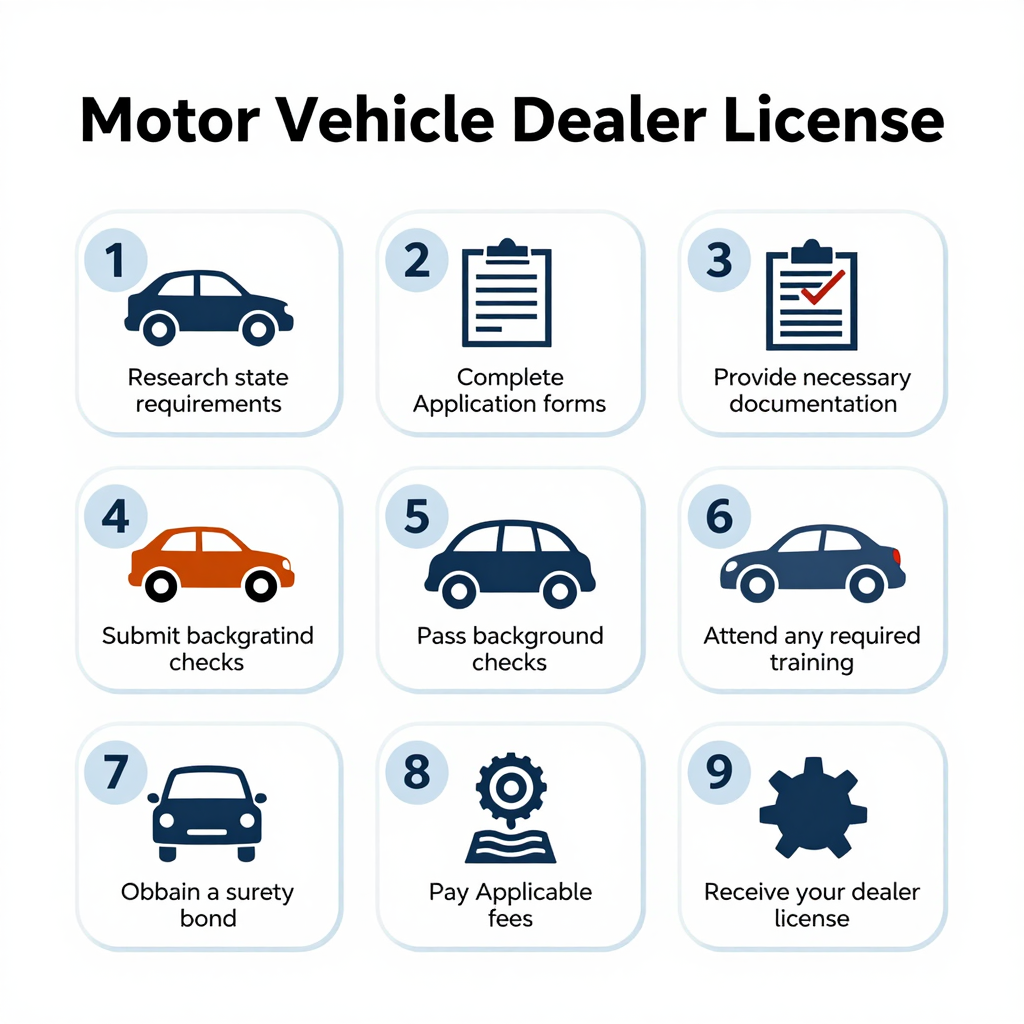 \n\nThis infographic provides a visual representation of the steps involved in obtaining a motor vehicle dealer license, essential for those looking to enter the automotive dealership industry.
Common Pitfalls When Applying for a Motor Vehicle Dealer License
When pursuing a motor vehicle dealer license, applicants often encounter various hurdles that can result in delays or outright rejection of their applications. Understanding these common pitfalls is essential to navigating the licensing process successfully.
1. Incomplete Applications
One of the most prevalent mistakes made during the application process is submitting incomplete forms. Many applicants fail to provide all required signatures and supporting documents, such as proof of business registration, which can lead to delays-or worse, automatic rejection. It’s crucial to double-check your application and ensure every section is filled out accurately and completely.
2. Lack of Proper Business Registration
Before submitting an application for a dealer license, applicants must appropriately register their business with the state. Many overlook this requirement or choose the wrong type of business entity, which can lead to issues later in the process. For example, operating as a sole proprietor without establishing an LLC exposes personal assets to liability risks. To avoid this, consult with a legal professional to select the best business structure for your dealership.
3. Failing to Obtain a Surety Bond
A surety bond is often a mandatory requirement for obtaining a motor vehicle dealer license. This financial responsibility bond ensures compliance with state regulations. Applicants frequently underestimate the importance and complexity of acquiring a bond, leading to last-minute complications. Begin this process early to ensure you secure the bond within your required timeline.
4. Incorrect Documentation Submission
Submitting outdated or incorrect documentation can be detrimental to your application. It is advisable to download forms only from official state resources to avoid using obsolete versions. Additionally, verify that all documentation, such as driver’s licenses or proof of address, is current and accurately matches the submitted application.
5. Lack of Background Checks on Personnel
Many states require background checks for all key personnel associated with the dealership. Neglecting this crucial step can result in denials, especially for those in leadership roles within the dealership. Ensure that background checks are conducted in advance, and all necessary fingerprints are submitted to facilitate this process.
Visual Representation of Pitfalls
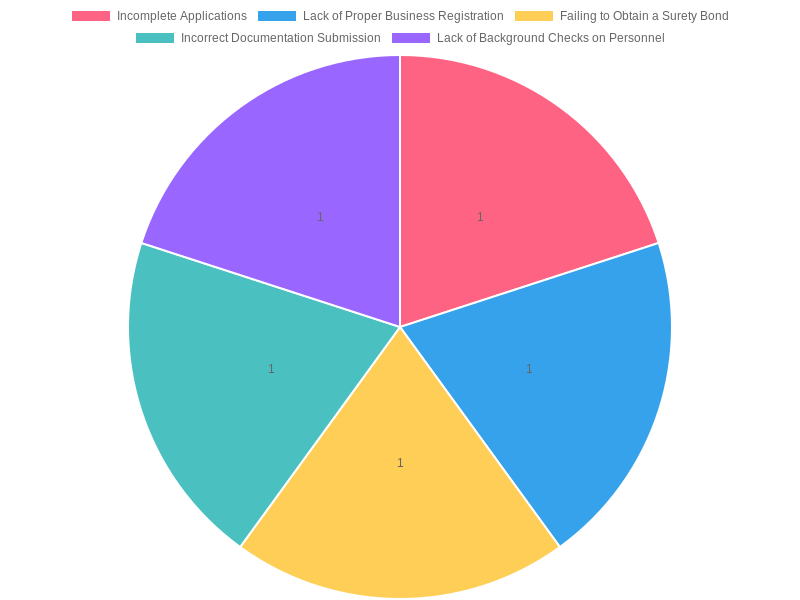
Understanding these pitfalls and proactively addressing them can significantly improve your chances of successfully obtaining a motor vehicle dealer license. For more detailed guidelines on vehicle dealership requirements, consider consulting state-specific regulations or learning more about state rules’ impact on driver licensing.
By taking careful steps to navigate the application process, you can set your dealership on a path to success.
Statistics on Motor Vehicle Dealer Licenses
Gaining insights into the current landscape of motor vehicle dealer licenses is essential for anyone looking to enter the automotive dealership business. According to the National Automobile Dealers Association (NADA), as of the end of 2023, there are 16,835 active motor vehicle dealers across the United States. This represents a modest increase of approximately 120 licenses compared to 2022, showcasing steady growth in the sector despite economic fluctuations.
Sales and Trends
In 2023, these dealers collectively achieved over $1.2 trillion in total sales, remaining consistent with the previous year. Notably, sales of new and used vehicles reached 15.5 million units, with the used vehicle market accounting for 45% of total sales, highlighting its importance in the dealer revenue ecosystem. Additionally, over 264 million service orders were processed, contributing significantly to revenue via parts and service sales totaling about $142 billion.
Application Trends
The demand for new dealer licenses has notably surged in regions with population growth, particularly in states like Texas and Florida. The trend toward digitalization is also significant; 65% of new licensing applications were submitted online in 2023, improving processing efficiency and accessibility for aspiring dealers.
This continuous evolution within the dealer licensing framework indicates that now may be a fruitful time for new entrants looking to establish themselves in the automotive market. For more detailed information, you can learn more about state rules impacting dealer licensing.
Visual Representation
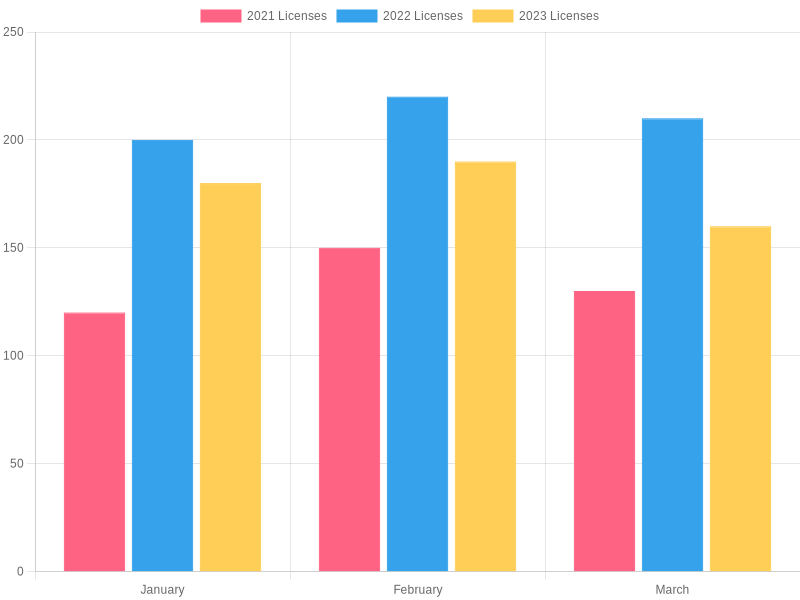
This chart illustrates the growth of motor vehicle dealer licenses in the U.S. from 2021 to 2023.
Necessary Documents for Motor Vehicle Dealer License Application
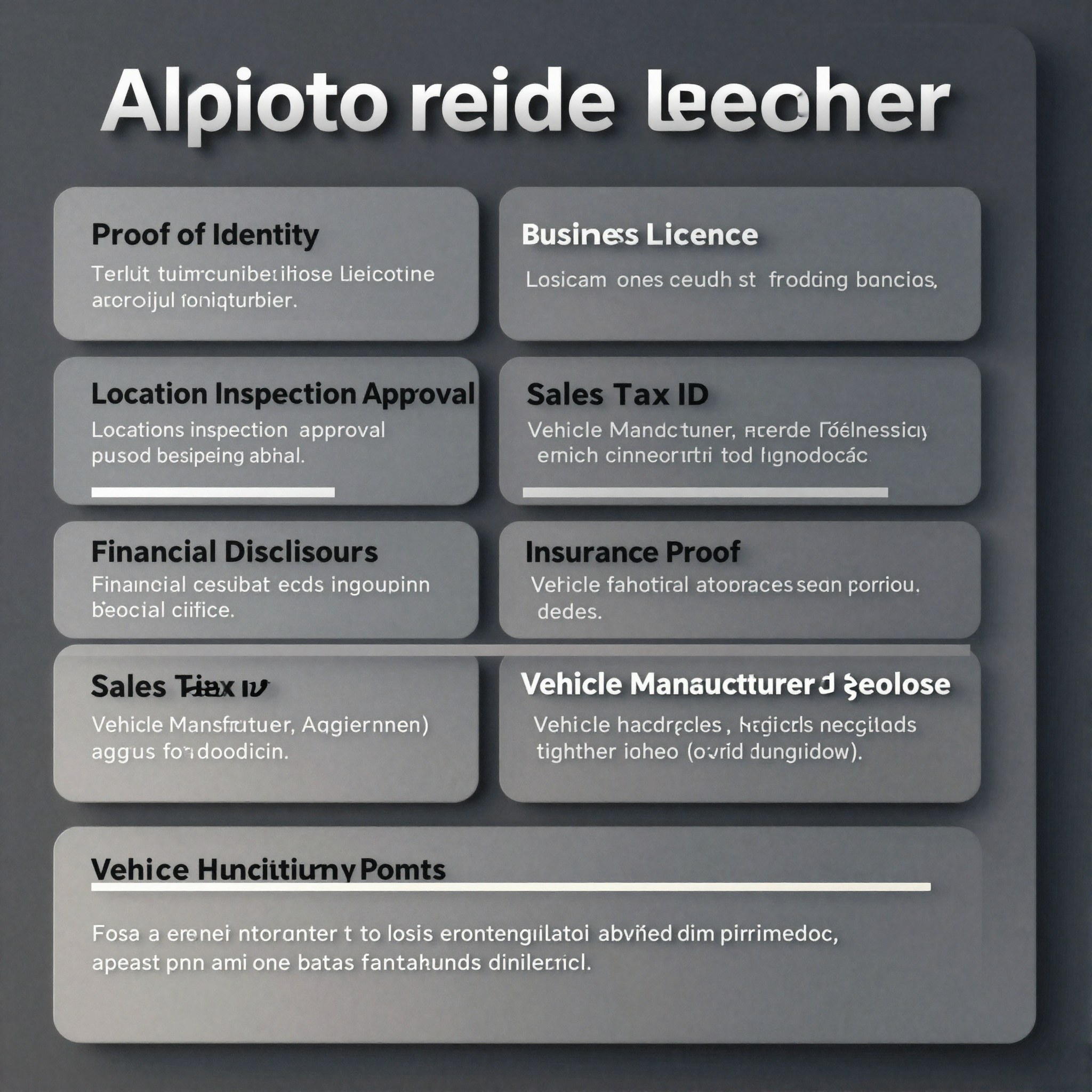
When applying for a motor vehicle dealer license, certain documents are essential to ensure compliance with state regulations and to effectively establish your business. Below is a list of necessary documents along with a brief description of each:
- Proof of Identity: Valid government-issued identification such as a driver’s license or passport is required to verify the identity of the applicant.
- Business License: A valid business license showcases that your business is legitimate and registered with the appropriate state and local authorities.
- Location Inspection Approval: Documentation that proves your business location has passed all necessary inspections, ensuring it meets the required safety and zoning standards.
- Financial Disclosure: Include a disclosure statement detailing your financial status, which may be required to assess your capability to operate a dealership.
- Sales Tax ID: A sales tax identification number obtained from the state is necessary for handling sales tax associated with vehicle sales.
- Insurance Proof: Proof of liability and dealer insurance coverage is critical to protect your business from potential claims.
- Vehicle Manufacturer Agreement: If applicable, documentation from the vehicle manufacturer authorizing you to sell their vehicles, ensuring you comply with distribution rights.
These documents are crucial for ensuring compliance, and preparing them in advance will streamline the application process. For additional information on state-specific requirements, be sure to check your local laws and the guidelines from regulatory bodies. You can learn more about vehicle inspection requirements.
The Importance of a Dealer License
Obtaining a motor vehicle dealer license is crucial for anyone interested in engaging in the automotive industry. According to John Thompson, Chief Compliance Officer at the National Automobile Dealers Association (NADA):
“Obtaining a motor vehicle dealer license is not just a legal formality-it’s the cornerstone of credibility and trust in the automotive industry. It ensures that dealers operate under strict regulatory standards, protect consumers from fraudulent practices, and maintain transparency in vehicle sales. Without this license, a business cannot legally sell vehicles or issue titles.”
For more information on state-specific requirements, you can learn more about vehicle inspection requirements or review how state rules impact driver licensing.
Conclusion
Obtaining a motor vehicle dealer license is a crucial step for anyone looking to enter the automotive retail business. Throughout this article, we’ve explored the significant benefits of holding this license, including:
- Access to Wholesale Pricing: Dealers can purchase vehicles at lower costs, allowing for higher profit margins when reselling.
- Legal Protection: The license protects businesses and consumers by ensuring compliance with industry regulations.
- Financing Options: Licensed dealers have access to loan and credit opportunities not available to unlicensed sellers, enhancing their ability to grow their business.
- Reputation and Credibility: Being a licensed dealer boosts credibility with customers, paving the way for trust and long-term relationships.
However, gaining a license requires careful preparation. It’s essential to research state-specific requirements, complete any necessary training, and prepare all documentation thoroughly. By understanding the local laws and market conditions, you position yourself for success in a competitive environment.
As you embark on this journey, consider leveraging the support and resources provided by Summit Fairings to enhance your knowledge and preparedness. Start today and take the first step towards achieving your goal of becoming a motor vehicle dealer. Your future in the automotive industry awaits!
Future Trends in Motor Vehicle Dealership Licensing
As the automotive landscape evolves, so too does the licensing process for motor vehicle dealerships. Upcoming trends indicate significant advancements driven by technological innovation and regulatory changes. Here’s an examination of some key areas to watch in the near future.
1. Technology Integration
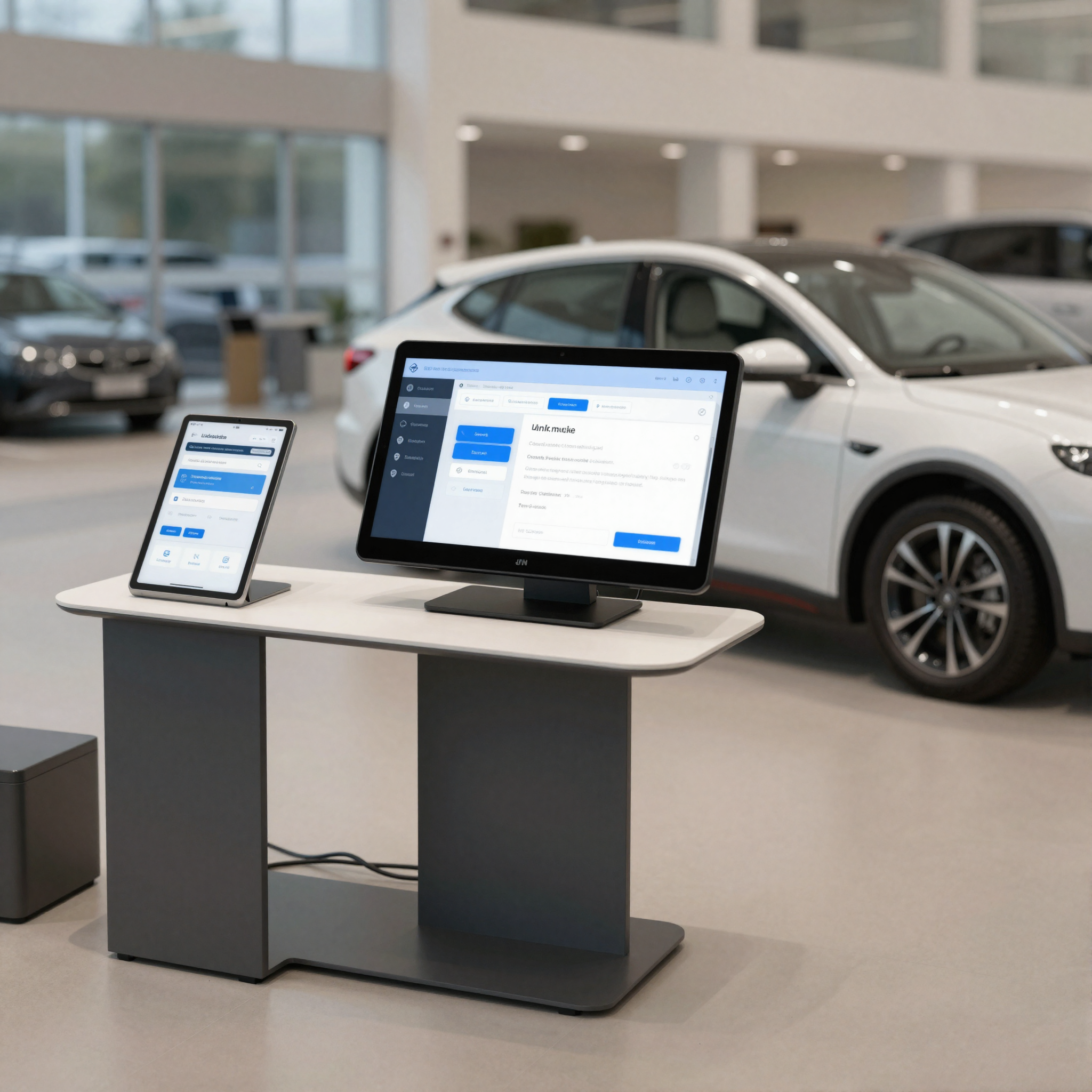
The digitization of licensing procedures is on the rise. A pilot program launched by the U.S. Department of Transportation in early 2024 aims to streamline dealership licensing process by digitizing applications across 12 states, resulting in a reported 40% reduction in processing time. These digital platforms not only improve data accuracy but also facilitate real-time compliance monitoring, paving the way for future technology-driven practices in the automotive sector.
This shift towards digitized licensing is expected to become more prevalent, helping reduce error rates and enhancing customer experiences.
2. Evolving Regulations
The regulatory framework surrounding dealership licenses is undergoing a transformation as states increasingly focus on electric vehicle (EV) compliance and direct-to-consumer sales models. With over 70% of states revising their licensing regulations in 2024, there is a heightened emphasis on transparency and consumer protection in pricing and disclosures. This trend indicates a shift toward modernized licensing that accommodates both traditional dealerships and new market entrants.
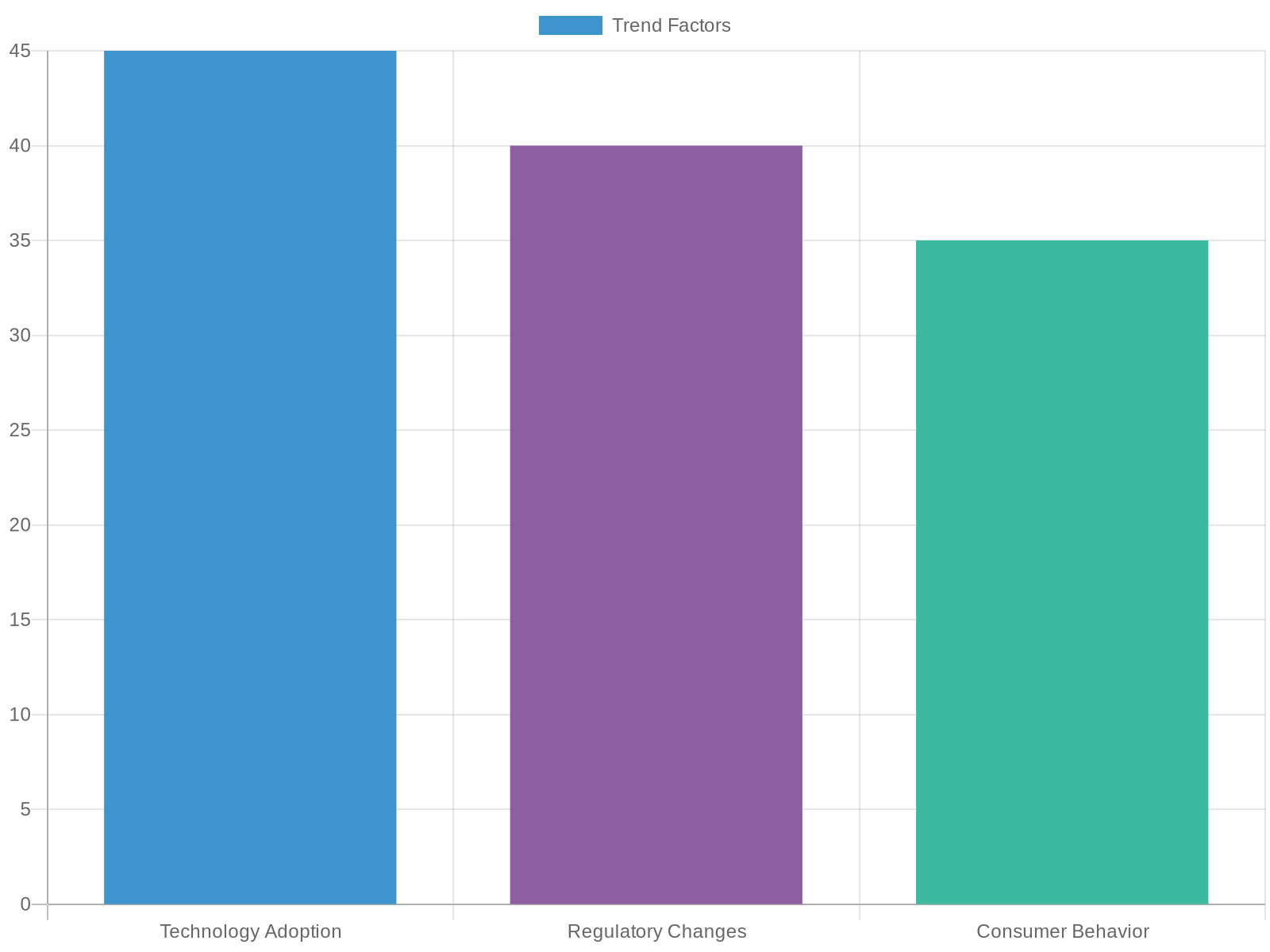
Bar Chart: Trends in Automotive Industry by Category
| Category | Trend Summary | Source URL |
|---|---|---|
| Technology Adoption | North America leads in dealership software adoption, driven by mature networks and strong OEM integration. Major DMS providers like Tekion are expanding through partnerships. | Source |
| Regulatory Changes | Key regulatory trends include direct vehicle sales legislation, EV policy shifts, and FTC enforcement on compliance. | Source |
3. Commitment to Higher Standards
The growing complexity of the automotive marketplace necessitates that dealerships adapt to higher compliance standards, especially as AI technologies become integrated into sales practices. Dealerships will be required to adopt advanced digital certification tools to align with evolving legal frameworks, ensuring fair practices and the protection of consumer data.
As we look ahead, the continual evolution in technology, regulation, and consumer expectations signifies a robust future for motor vehicle dealership licensing. Staying informed about these changes will be essential for both current and aspiring dealership owners to thrive in this dynamic environment.
Learn more about how regulations impact vehicle licensing or check our insights on vehicle inspection requirements for the complete picture of the automotive industry.