
Vehicle ownership is a significant commitment, not only financially but also in terms of legal responsibilities. Among these obligations is the vehicle license fee, a government-mandated charge that helps support vital infrastructure while ensuring compliance with state regulations. This article elucidates what vehicle license fees are, their importance in the context of vehicle ownership, and how they contribute to the overall functioning of transportation systems. We will delve into the fee’s components and how it’s calculated, elucidate its role in funding essential infrastructure, and compare variations in vehicle license fees across different states. Together, these insights will empower new and existing drivers, vehicle owners, and dealerships to navigate this essential aspect of vehicle management with confidence.
The Vehicle License Fee: A Revenue Engine for Roads, Safety, and Public Responsibility
A vehicle license fee is more than a line on a bill. It is a government-mandated cost tied to the legal use of a motor vehicle on public roadways. Most jurisdictions require this fee to be paid on either an annual or biennial cycle, alongside or in addition to other charges like registration or title fees. The fee’s primary purpose is straightforward: to provide a reliable stream of revenue that supports the work of transportation departments as they maintain roads, fund improvements, and ensure safe and efficient travel for everyone. Yet the full story of the vehicle license fee stretches beyond a simple payment schedule. It is a mechanism that links the state’s budget to the everyday activity of millions of drivers, tying together public infrastructure, safety standards, environmental goals, and the everyday calculus of vehicle ownership. Understanding what this fee is, how it is calculated, and why it matters offers a clearer view of how a community mobilizes resources to keep traffic moving while protecting public safety and the environment.
At its most basic level, the vehicle license fee is a mandatory charge levied on vehicle owners by the government as a condition of legal operation on public roads. It is distinct from other charges that accompany vehicle ownership, such as registration fees that secure the right to title and the right to operate a vehicle within a given jurisdiction. The license fee, in many places, is designed to cover the ongoing administrative and programmatic costs of licensing, titling, and registering vehicles. In Washington State, for example, the Vehicle License Fee (VLF) is defined as the state’s estimate of the average daily cost per vehicle associated with the annual expenses of vehicle licensing, titling, and registration. This framing emphasizes that the fee is not a one-off tax but a reflection of the recurring costs required to manage fleets of vehicles on public roads. It is collected by a designated agency—the Department of Licensing in Washington—and allocated to the functional areas that keep roads passable, signals functioning, and the public safety net intact.
The calculation of the license fee varies from place to place, reflecting different policy priorities, administrative structures, and fiscal realities. In many states, the fee basis includes a blend of vehicle weight, value, and type. A heavy truck imposes a larger annual cost than a compact car, and a high-value luxury vehicle may carry a higher fee than a model with a lower market price. Some regions weight functional distinctions by vehicle class—passenger cars, motorcycles, commercial trucks, and buses—because each category imposes different wear on infrastructure, different safety considerations, and different costs associated with enforcement and record-keeping. In practice, the exact formula can resemble a mosaic: a fixed base amount, plus a per-unit charge that scales with weight, value, or age, and sometimes an adjustment for the vehicle’s emissions profile or energy source.
The environmental dimension of the license fee has grown in importance as policymakers seek revenue mechanisms that align with broader goals. In some jurisdictions, higher fees are levied on high-emission vehicles or on vehicles with features that affect environmental performance, such as those with older, less efficient engines or heavier electric drivetrains that alter the infrastructure load. Conversely, there are adjustments that encourage cleaner mobility, such as lower base fees for fuel-efficient models or incentives associated with electrification. The important point is that the license fee often acts as a lever for policy aims beyond mere revenue collection. It can incentivize safer driving behaviors, promote adherence to emissions standards, and support the transition toward a transportation system that balances mobility with environmental stewardship.
Beyond the policy rhetoric, the license fee has practical implications for daily life. It helps to fund the essential services that keep the transportation backbone intact—the maintenance of asphalt and concrete surfaces that reduce pothole risk, the repair and upgrade of bridges that span waterways and urban canyons, and the installation and upkeep of traffic signals and other safety infrastructure. It also supports the administrative machinery that keeps records accurate and accessible, enabling agencies to track ownership, plate renewals, and compliance with safety regulations. In this sense, paying the fee is not merely a bureaucratic obligation; it is a contribution to the ongoing health of the transportation system that local economies rely on every day.
From a driver’s perspective, the license fee is part of the cost of mobility. It factors into budgeting considerations alongside fuel, insurance, maintenance, and depreciation. For new vehicle buyers, the prospect of a hefty license fee can influence decisions about vehicle type, size, and even the timing of purchase. For longtime owners, the year-to-year changes in the fee—whether due to inflation adjustments, changes in vehicle value, or shifts in policy—can affect overall ownership costs. This is why many states publish fee schedules and offer calculators or estimating tools to help motorists anticipate what they will owe. When the fee structure is transparent and predictable, it reduces financial surprises and supports responsible ownership. It also means that residents understand how their dollars are being used to sustain and improve public roads and safety programs, which can cultivate a sense of shared investment in community infrastructure.
The dichotomy between the license fee and other fees is worth noting. Registration fees, title fees, and license fees each serve different regulatory functions. Registration formalizes the vehicle’s place on the road and ties it to a unique legal record. Title fees establish ownership and help prevent fraud. By contrast, the license fee is more explicitly tied to ongoing system costs: the administrative burden of keeping records accurate year after year, the maintenance and improvement of road networks, and the broader public services that rely on safe transportation. This separation matters because it clarifies why the license fee persists, even as the vehicle’s resale value or ownership changes hands. It underscores the idea that maintaining mobility is a collective enterprise funded by those who benefit from using the roads.
The policy landscape surrounding vehicle license fees is not static. As technology reshapes the way we move—think connected cars, smarter traffic management, and a growing emphasis on safety and environmental performance—fee structures may evolve to reflect new realities. Some jurisdictions have experimented with tiered approaches that adjust fees based on factors like weight or emissions, while others preserve flat or value-based components to maintain simplicity and predictability. The goal remains the same: to fund essential transportation functions while encouraging responsible vehicle usage and aligning with public safety and environmental objectives. In this evolving context, drivers benefit from staying informed about how their fees are determined and how these charges support the road network and the communities they serve.
In reflecting on the broader significance, the vehicle license fee stands at the intersection of governance, everyday life, and public policy. It embodies a social contract: individuals pay a recurring, predictable charge in exchange for continued access to safe and well-maintained roads, reliable emergency services, and forward-looking transportation investments. This is not merely a financial transaction; it is a public investment in mobility, safety, and resilience. When people understand the purpose and mechanics of the fee, they can see how their contribution translates into tangible improvements—paved routes that reduce wear on vehicles, improved drainage and storm resilience that extend road life, and coordinated safety programs that protect communities on high-speed corridors and in urban districts alike.
For readers who want to connect the dots between the license fee and the broader system, consider how state rules influence the practicalities of license fees and driver licensing more generally. The interplay between regulatory frameworks, vehicle inspections, and fee structures reveals a web of policy decisions that affect daily life. A helpful resource that outlines how state rules can impact driver licensing is available on a dedicated page that discusses these connections in depth. This resource adds another layer of understanding for anyone navigating the complexities of ownership, compliance, and mobility.
A central takeaway is that the vehicle license fee is not a standalone surcharge. It is a sustained mechanism that finances the maintenance and improvement of the transportation system, while also serving as a policy instrument to encourage safer driving, cleaner air, and infrastructure advancement. When owners pay their license fees, they participate in a collective effort to keep roads in good repair, to fund critical public safety programs, and to support future transportation projects that benefit everyone who shares the road.
For those seeking a concrete sense of how the fee functions in practice, the discussion often turns to concrete examples from different states. In California, the approach to fees involves calculating the charge based on the vehicle’s age and value, with the possibility of additional charges for high-emission vehicles or specialized powertrains. This approach illustrates the variety in how jurisdictions tailor the fee to reflect local policy priorities and the realities of vehicle ownership there. It also highlights the value of reviewing official fee schedules published by state motor vehicle departments, and of recognizing how these schedules interact with broader requirements such as vehicle inspections and emissions testing. The result is a coherent system where the cost of ownership is aligned with the public benefits that come from safer, more sustainable roads.
In sum, while the vehicle license fee might appear as a routine line item on a renewal notice, it is more accurately understood as a foundational component of the transportation ecosystem. It represents a steady, transparent commitment to maintaining and improving the roads we rely on and the services that keep traffic moving smoothly and safely. It is a practical expression of civic responsibility, inviting drivers to contribute to the common good while benefiting from a road network that supports daily life, commerce, and the movement of people and goods. As policies adapt to new technologies and environmental goals, the license fee will continue to evolve, but its essential purpose—a fair, predictable mechanism to fund the ongoing costs of licensing, road maintenance, and safety—will remain at the heart of how communities choose to invest in mobility and resilience.
For readers who want to explore related topics that connect to vehicle licensing, the following resource may offer additional context about how state rules inform driver licensing practices and the broader regulatory landscape. state rules impact on driver licensing
External reference: California DMV’s Vehicle Registration Fees provide a detailed look at how a major state administers these charges and the rationale behind them. California DMV – Vehicle Registration Fees
Decoding the Vehicle License Fee: How Valuation, Weight, and Policy Shape the Cost of Driving
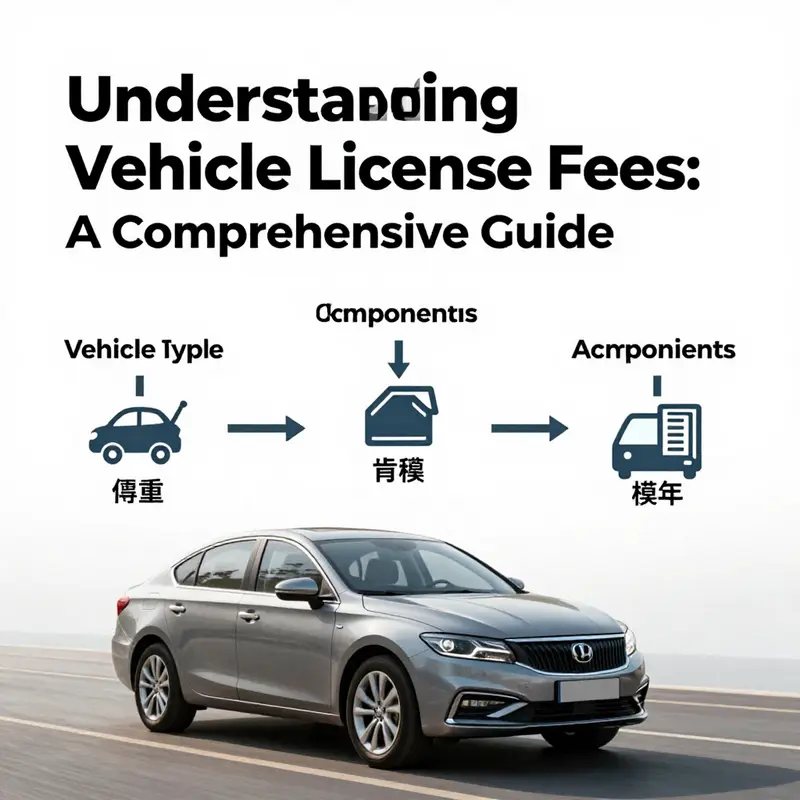
The vehicle license fee is more than a single line on a registration bill. It is a functional tool states use to fund the road network, support transportation programs, and maintain the systems that keep cars, trucks, and buses moving safely and reliably. When people ask what a vehicle license fee is, they often assume it’s a straightforward tax or a fixed charge. In reality, it sits at the intersection of valuation, policy design, and the day-to-day costs of administering licensing and registration programs. Understanding how this fee is calculated—and why it varies from state to state—sheds light on the broader question of what it costs to own and operate a vehicle in the modern era. It is also a reminder that the price of driving depends not only on the sticker price of the car but on a mosaic of charges that accumulate over time, each chosen for a specific public purpose.
In many states, the vehicle license fee (VLF) is described as a charge tied to the vehicle’s licensing and registration lifecycle. In Washington, for example, the VLF is framed as the state’s estimate of the average daily cost per vehicle associated with the annual expenses of licensing, titling, and registration. This framing emphasizes the administrative burden borne by the public agencies that keep vehicle records, issue plates, and manage the machinery of road usage. The fee is collected by a state agency—the department that handles licensing and registration—and it is designed to cover the non-tangible costs of maintaining the system rather than to punish or reward particular driving choices. Yet, the way this cost is calculated can vary widely by state and by vehicle.
By contrast, California presents a clearer numeric mechanism that many readers will recognize: a VLF set at 0.65% of the vehicle’s current market value. This percentage is not a fixed tax on a vehicle’s purchase price or a flat annual charge; it is a depreciation-adjusted levy based on the value of the car as it sits on the road. The current market value, which serves as the basis for the VLF in California, is typically inferred from the vehicle’s age, its condition, and the general market for similar models. The practical consequence of a value-based approach is that as a car ages and its market value declines, the VLF declines as well. Still, the VLF often remains one of the more significant components of annual registration costs, particularly for newer or higher-value vehicles.
A straightforward illustration makes the logic tangible. Imagine a car with a current market value of $40,000. Under the California framework, the VLF would be about 0.65% of that value, which equals roughly $260 per year. That calculation remains true even as the car ages and its market value falls. If the vehicle’s value drops by half over several years, the VLF would correspondingly fall, but the total annual registration bill can still be substantial because other charges commonly accompany the VLF. This is why the VLF is described as one of the largest charges on the registration bill—especially in the early years of a vehicle’s life when the market value is highest. Over a five-year span, those VLF payments can accumulate to more than $1,300 for a vehicle like the $40,000 example, underscoring how quickly these costs can compound.
The VLF, in this sense, is designed to generate revenue for state transportation programs and is applied uniformly across vehicles, regardless of vehicle type or use. The uniformity is part of its appeal for policymakers who seek a predictable funding stream. But it also means that the fee does not directly discriminate based on fuel efficiency, emissions, usage patterns, or the vehicle’s role in the transportation system. Other components that accompany the VLF often carry that kind of differentiation. For instance, many registration bills include a Base Registration Fee that is a flat charge assessed to all vehicles—yet not every state sets this base at the same level. In California, a base amount commonly cited is around a fixed sum (in the vicinity of the mid-40s to a few tens of dollars, depending on legislative changes). This base fee is the scaffolding on which more variable charges are built.
Beyond the base, local, county, and regional surcharges accrue to fund transportation improvements or environmental initiatives at the local level. Counties may levy charges intended to support road maintenance, transit expansions, or specific environmental programs. These county and local surcharge fees can vary not just by state but by county within a state, creating a patchwork of assessments that the driver faces at the moment of renewal. Even a well-maintained vehicle with modest VLF can end up with a higher overall bill if it is subject to several local surcharges. The presence of local surcharges is part of the broader policy logic: state governments delegate certain transportation tasks to local governments, and the costs of those tasks are distributed across the vehicle-owing public through these additional fees.
Several other fees commonly accompany the VLF. A Smog Abatement Fee appears in some cycles and jurisdictions as a one-time or recurring charge tied to emissions testing or to ongoing air quality programs. For vehicles subject to testing requirements, emissions-related charges may arise at certain model years or ages. Special Program Fees are another category often attached to registration—fees intended to fund traffic congestion reduction, clean air projects, or other programmatic constraints that public authorities decide are essential to the transportation ecosystem. A Plate Fee covers the administrative cost of issuing or renewing license plates themselves. Weight-Based Fees apply in some jurisdictions for larger, heavier vehicles such as trucks and SUVs, because road wear and maintenance costs are greater for heavier machines. Emissions testing Fees—where required by state law—are a reminder that environmental considerations can be embedded into the licensing framework, not as an afterthought but as a core component of the annual bill.
Taken together, these components create a comprehensive picture of what it costs to keep a vehicle on the road from year to year. The VLF stands out because it is the most variable portion of the equation, driven by the vehicle’s value and the depreciation curve, while the other components tend to reflect policy aims (local improvements, environmental goals, or compliance requirements). For vehicle owners, the practical implication is that the price of driving is not fixed; it ebbs and flows with the age and market status of the vehicle, with the strength of local programs, and with changes in state policy. This dynamic can be surprising to new car buyers who expect registration to be a single predictable annual expense. The reality is more nuanced: the largest single line item is often the VLF, but the total bill is the sum of a series of charges that mirror public policy goals and local governance contexts.
To grasp the calculation more fully, it helps to consider how the vehicle’s value is established in practice. In California and many other states, the VLF is anchored to the vehicle’s current market value rather than its purchase price or a residual value derived from a new-car sticker. Market value assessments account for depreciation over time, typically using depreciation schedules that reflect how the car’s value erodes as it ages and as demand for the model shifts. While depreciation is a natural force in most asset pricing, the VLF translates that depreciation into a monthly or annual obligation, making older vehicles a smaller ongoing cost in terms of the VLF component but not necessarily smaller total registration bills because other charges may rise or fall based on usage and policy changes.
This structure also invites comparisons across states. Some states rely more heavily on a vehicle’s weight to determine fees, making heavier vehicles bear higher costs due to increased road wear. Others emphasize age bands or emissions status. A few adjust the VLF annually to preserve a revenue target for road funding. The net effect is that the same car can face a different annual registration bill in different states, depending on the local policy mix. For a consumer, such differences are more than academic: they influence the total cost of ownership, the decision to purchase a particular vehicle, or the timing of vehicle replacement.
As with any tax or fee, there is a policy debate about whether the structure is fair and efficient. The principle behind value-based VLF in California is that higher-valued, newer vehicles should bear a proportionally larger share of the licensing cost, under the assumption that they contribute more to road wear and more to the administrative system that maintains vehicle records. Yet fairness concerns persist: a person who buys a high-value car but drives only short distances still faces a sizable annual VLF, while an older, high-mileage vehicle may pay less in VLF as its value declines even though it contributes as much to maintenance needs as it did when it was new. In this sense, the VLF becomes a focal point for discussions about how best to distribute the burden of funding transportation infrastructure, balancing equity with revenue stability and administrative practicality.
Beyond the numbers, the experience of paying a VLF is also about the relationship between government processes and everyday life. Registration systems exist to track who is allowed to operate on public roads, to ensure correct licensing, to collect funds that support the road system, and to manage a record of vehicles that helps keep roads safe. The integrity of these processes matters. In the broader ecosystem of licensing and enforcement, questions about compliance, fraud, and program integrity inevitably surface. For instance, concerns about fraudulent activity in the licensing sphere—such as attempts to cheat the system or to manipulate program rules—can undermine public trust and erode the perceived legitimacy of fees that fund essential services. Readers who follow policy debates may recall discussions and investigative reports about integrity issues in related licensing areas. A relevant example in the broader ecosystem is captured in reports on CDL-related schemes that highlight how integrity lapses can threaten public safety and the effectiveness of licensing programs. These reminders emphasize that the fee framework rests on a system of governance that values transparency, accountability, and robust oversight. The cautionary edge of that reality is a reminder that the numbers are not merely arithmetic; they are the product of a governance structure that must be designed to withstand mischief while delivering predictable funding for roads and transit.
In practical terms, drivers looking to estimate their annual costs can take a straightforward approach. Start with the VLF portion, using the vehicle’s current market value as the reference point. If you drive a newer, higher-value vehicle, you should anticipate a higher VLF than someone with an older, lower-value car, all else equal. Then add the Base Registration Fee and account for any local surcharges that apply in your county or city. If your vehicle requires emissions testing or is subject to smog abatement programs, include those fees as well. If you drive a larger or heavier vehicle, a weight-based fee may apply, increasing the total beyond the sum of your VLF and the base charge. And if your vehicle is subject to special programs—such as those aimed at congestion relief or clean air initiatives—those costs will further shape the final bill. The resulting figure is not just a reflection of the vehicle’s value; it is a snapshot of public policy at work in your community.
For readers who want a practical reference point, the California example provides a concrete scale to imagine. A $40,000 vehicle paying roughly $260 for the VLF may seem modest in isolation, but the cumulative annual burden, when combined with other charges, can be substantial. Over a five-year window, that VLF contribution can exceed $1,300 even before considering changes in the vehicle’s value, price inflation, or policy updates that modify the base or additional fees. For families and small business fleets that rely on routine registrations, these costs are not merely theoretical—they shape budgeting, vehicle replacement planning, and even decisions about vehicle types and usage patterns.
The broader takeaway is that the vehicle license fee is a responsive instrument. It adapts to market conditions, reflects local and statewide policy choices, and ultimately serves a public purpose: to fund the networks that enable mobility. This purpose includes maintaining roads, supporting transit, and financing environmental and safety programs that are integral to a modern transportation system. The fee is, in that sense, a barometer of how a state prioritizes road funding and how it translates those priorities into a predictable, trackable cost for vehicle ownership. It is also a reminder that the price of driving is a composite experience, with the VLF acting as a central, value-driven anchor in a broader constellation of charges.
For readers who want to explore specific licensing program dynamics further—and to consider how different policy designs might affect the total cost of ownership across states—many official resources provide deeper detail on how these components are determined and updated over time. An important external reference can be found at the California Department of Motor Vehicles, which outlines the structure and calculation for the VLF and related fees. Understanding the official breakdown can help drivers anticipate changes when they come due for renewal and identify opportunities to plan ahead for upcoming expenses. California DMV official resource.
In addition to the statewide perspective, it can be insightful to examine how licensing programs are administered and how integrity measures are incorporated into the system. To consider the governance angle alongside the numbers, explore discussions about licensing administration and related policy implications in related resources, such as this discussion on CDL compliance and public safety: CDL cheating scheme exposed. This link offers a cautionary reminder that the vehicles and the roads we rely on are sustained by a governance framework that must balance revenue collection with accountability, ensuring that the licensing system remains robust and trustworthy for everyone who participates in it. The overall message remains clear: the vehicle license fee is not an isolated charge; it is part of a broader system designed to sustain an entire transportation ecosystem.
As readers move through the rest of this article, the aim is to connect the specific mechanics of the VLF with the broader questions drivers often have about ownership costs, fairness, and the public funds that keep roads usable. The VLF sits at the core of the annual cost of vehicle ownership, but it is not the only component. Understanding how value, weight, and local policy interact with these fees helps paint a complete picture of what it costs to operate a vehicle over time. The dialogue about these charges is ultimately a dialogue about road funding, public accountability, and the ongoing work of maintaining a transportation system that serves people, goods, and communities. For the curious reader, the journey from the computation of a single percentage to the policy debates about road funding offers a meaningful lens on how public finance touches everyday life on the highway and in the driveway, year after year.
From Wallet to Widened Roads: Tracing the Vehicle License Fee’s Role in Modern Infrastructure
A vehicle license fee is not a mere line item on a yearly bill. It is a compact, broadly applied mechanism that ties car ownership to the public costs of keeping roads safe, navigable, and capable of withstanding steady use. To the casual observer, the term may feel dry, almost administrative. Yet the way a vehicle license fee is structured reveals a careful balance between equity, accountability, and the practical needs of a transportation system that serves millions of daily travelers. In its simplest form, a vehicle license fee is a recurring charge assessed by government authorities on vehicle owners. The fundamental intent, as many readers know, is to help cover the administrative costs of licensing, titling, and registering vehicles. But in practice, the funds often flow into broader transportation budgets, funding road maintenance, safety programs, and infrastructure development that keep cities and regions moving. The fee is not merely a tax; it is a stewardship instrument that links the act of owning or operating a vehicle to the ongoing costs of keeping the multi-modal network functional and safer for everyone on the road.
The calculation of these fees varies from one jurisdiction to another, which is part of what makes understanding the Vehicle License Fee (VLF) so important. In many places, the fee is tied to the vehicle’s value, weight, or type, acknowledging that a high-value or heavy vehicle places different kinds of wear and tear on roads and requires different levels of administrative oversight. In other contexts, the fee may be adjusted annually to reflect depreciation, inflation, or shifts in the cost of maintaining the licensing system itself. This variability is not accidental. It is designed to align the public’s contribution with both the current realities of vehicle ownership and the evolving needs of the transportation network. When a state modifies depreciation schedules, or when policymakers recalibrate the base on which the fee is calculated, the result is felt by drivers who see these changes reflected in their annual bills. That is why the concept of the VLF sits at the intersection of everyday budgeting and long-range planning for infrastructure.
A concrete example helps illuminate how this works in practice. In California, the Vehicle License Fee is commonly described as a charge calculated at 0.65% of a vehicle’s current market value. This rate is not static; it is adjusted periodically to account for depreciation. The formula means that a newer, higher-value car pays more in VLF than an older or less expensive model. Consider a car worth $40,000. At 0.65%, the annual VLF would be about $260. Over five years, assuming a stable valuation basis that mirrors typical depreciation, the total contributed by the VLF alone could exceed $1,300. Those funds are then deployed across a broad spectrum of transportation-related activities. A portion goes to the core state and local programs that maintain and improve the road network—pothole repair, resurfacing initiatives, traffic signal upgrades, and bridge maintenance. But the flow of money does not stop there. A share supports the California Highway Patrol, ensuring a visible law enforcement presence on state highways that promotes road safety and deters unsafe driving behaviors. The revenue also trickles down to county and local jurisdictions, which often levy surcharges or allocate funds to projects like congestion relief measures, transit enhancements, and environmental programs such as smog abatement. In this way, the VLF acts as a revenue backbone, linking the ownership of a vehicle to the public costs of sustaining the transportation system and, by extension, the communities that rely on it.
To those who study public finance or live in regions undergoing rapid growth, the VLF is a practical instrument for translating usage into contribution. The logic is straightforward: as people own and operate more vehicles, or as those vehicles become more capable or valuable, the corresponding fee scales to reflect the ongoing costs of licensing programs, vehicle registration, and the corresponding administrative machinery. It is a system designed not only to cover current expenditures but also to seed funds for future improvements. The broader implication is that vehicle ownership becomes a form of ongoing public investment rather than a one-time expenditure. When residents understand this connection—how the money they pay today supports tomorrow’s safer roads, more reliable highways, and cleaner urban environments—the fee no longer feels like a mere obligation. It becomes a participatory contribution to the public goods that enable mobility, commerce, and daily life to function smoothly.
The broader public service dimension of the VLF deserves careful attention. In California, as in other states, a portion of the revenue supports public safety and enforcement on the roadways. The California Highway Patrol benefits from these funds, enabling patrols that deter reckless driving and respond quickly to incidents. The budgeting structure also allows for county-level transportation projects that might otherwise struggle for funding, from local street improvements to improvements in traffic management systems designed to reduce delay and emissions. Environmental programs, such as those aimed at smog reduction, often find their financing through these same pools, illustrating how the VLF can contribute to a broader environmental and quality-of-life agenda. The result is a system where fees paid by vehicle owners are not simply a compliance exercise; they are a mechanism for reinvesting in the conditions that support mobility, safety, and sustainability. The interconnections are visible in the way road maintenance work can extend beyond pavement repair to include drainage improvements, signaling modernization, and the integration of data-driven traffic management that minimizes congestion and improves safety for drivers, cyclists, and pedestrians alike.
This framework invites reflection on fairness and efficacy. Critics sometimes argue that a value-based fee benefits higher-priced vehicles more than lower-priced ones, raising questions about progressivity and equity. Proponents counter that the fee is aligned with usage and with the overall costs imposed by those vehicles on the system. A car that costs more to insure, taxes, and register is often carrying a heavier burden in terms of depreciation and administrative oversight, which the VLF accounts for through its valuation-based calculation. Moreover, because the revenue supports the broader transportation ecosystem, the policy rationale extends beyond the driver in question to the many users who rely on safe, well-maintained roads. The funds support curbside safety programs, improvements in school zones, and the modernization of aging infrastructure, all of which contribute to a higher standard of living and economic vitality for the community. When policymakers design or adjust these fees, they are balancing multiple objectives: ensuring the licensing system remains financially sustainable, directing resources toward critical infrastructure, and maintaining public confidence that the fees paid by vehicle owners are used transparently and effectively.
The conversation around the VLF also intersects with broader questions about how transportation is financed in a state or region. Some jurisdictions rely more heavily on fuel taxes, others on vehicle registration or license fees, and still others on a mix of local sales taxes or tolling strategies. The Vehicle License Fee sits alongside these instruments as a steady, predictable stream of revenue that can be forecast and planned for. It is not a standalone instrument; it is part of a portfolio of funding tools that together address the costs of building and maintaining a transportation system that people depend on for work, school, healthcare, and social life. This interconnectedness explains why the VLF is described not only as a license charge but as a component of a comprehensive funding mechanism that supports both the physical assets of transportation and the services that rely on them.
For readers curious about how these dynamics operate in practice and how policy choices shape the experience of driving, it is instructive to examine the relationship between vehicle value, fee schedules, and the infrastructure outcomes they enable. The core calculation—percentage of market value with annual depreciation adjustments—anchors the fee in market realities. It acknowledges that a car’s value and the wear it imposes are not static over time, and it translates those shifts into a predictable obligation that funds licensing infrastructure. Yet the experience of paying remains personal: a yearly reminder that every mile traveled comes with a share of the public costs required to maintain the road network. This linkage helps foster a sense of shared responsibility between vehicle owners and the public system that serves them. It also provides policymakers with a lever to adjust revenue in light of changing transportation needs, population growth, or new safety priorities, while maintaining a clear connection to the underlying purpose of the charge.
In translating the theory into everyday practice, readers may encounter a subtle but important distinction: the VLF is often the largest component of a vehicle’s annual registration costs, especially for newer or higher-valued vehicles. This is a crucial point for budgeting and for understanding how the total cost of vehicle ownership evolves over time. A single number on a bill can obscure a broader structure in which the VLF helps subsidize or finance a suite of important programs. For a driver moving from a smaller, older vehicle to a newer model, or for a family purchasing multiple vehicles, the impact of the VLF can be noticeable but is best understood within the bigger picture of road and public safety funding. The goal is not to deter ownership but to ensure that the cost of using the transportation system is shared by those who benefit from it and who contribute to its maintenance through the fees they pay.
The discussion would be incomplete without acknowledging that each state crafts its own approach to vehicle licensing and fees. While California’s VLF provides a clear illustration of how a value-based, depreciation-adjusted charge can function within a broader funding framework, other states blend these concepts with different bases for calculation, different rates, and varying degrees of earmarking for specific programs. Some places emphasize the administrative costs of licensing as the primary purpose, while others actively route more of the revenue into road resurfacing, bridge work, or public safety initiatives. The common thread across these approaches is a shared recognition: the costs of driving on public roads are real, ongoing, and should be supported by a transparent mechanism that connects ownership with responsibility for the road network’s upkeep. The more clearly a system communicates that connection—and the more effectively it channels revenues into tangible improvements—the more likely it is to sustain public trust in the licensing framework over time.
For readers who want to explore related topics and see how policy details translate into practical consequences, there is value in examining the broader ecosystem around vehicle licensing. The rules governing inspections, safety standards, and driver licensing intersect with the financial side of fees, influencing everything from vehicle compliance costs to the incentives for maintaining vehicles in safe conditions. If you are curious about how state rules shape driver licensing and related requirements, you can refer to materials that discuss these policy dynamics at the following resource: state rules impact on driver licensing.
Ultimately, understanding the vehicle license fee requires stepping back to appreciate its dual nature: a recurring cost tied to ownership that also serves as a steady conduit for funding the public goods that make driving safer and more reliable. It is a practical embodiment of the principle that mobility is a shared enterprise—financed not just by taxes collected at the point of purchase or use, but by ongoing contributions that reflect the ongoing investment in a transportation system designed to endure the demands of daily life. As the road network evolves with new technologies, changing travel patterns, and ambitious infrastructure projects, the Vehicle License Fee stands as a durable link between the private costs of car ownership and the collective benefits of a well-maintained, safely functioning transportation system. For readers seeking a deeper understanding of the specific mechanisms and the latest policy updates, official state resources provide the most current information on rates, depreciation schedules, and how revenues are allocated across programs and projects. External resource: https://www.dmv.ca.gov
The Price of Public Roads: How Vehicle License Fees Vary Across States and What It Means for Drivers
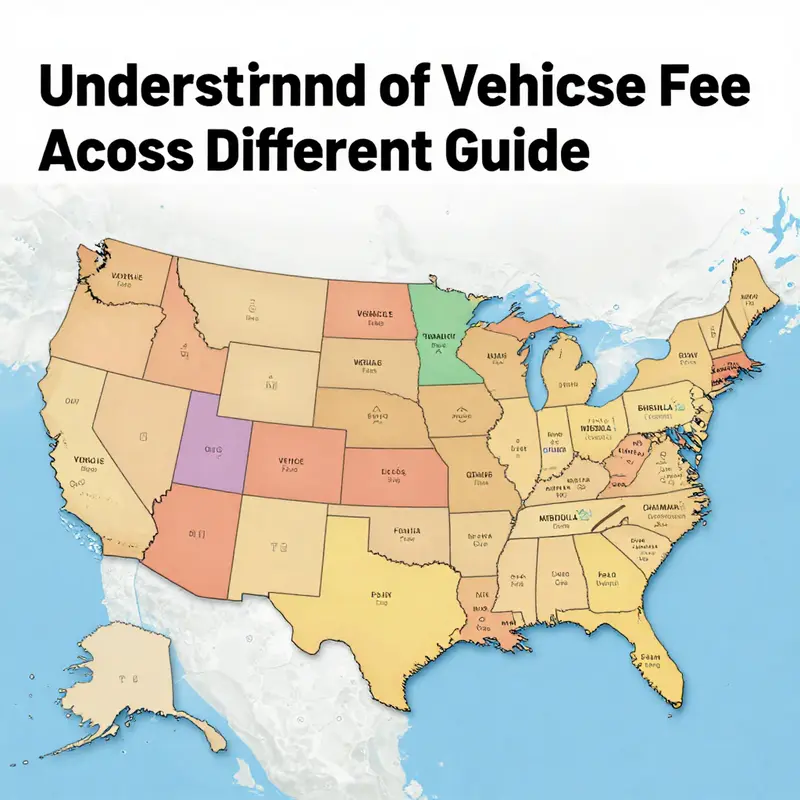
A vehicle license fee sits at the intersection of public finance and everyday mobility. It is not the same as a registration sticker or a title document, yet it is one of the most persistent, recurring charges a vehicle owner will face. In many systems, these fees are framed as a means to recover the costs of licensing, titling, and maintaining the public roadway network. They are the annual reminder that roads are a shared resource funded by a blend of state policy choices, local priorities, and evolving transportation goals. Across the United States, the way these fees are calculated, collected, and allocated reveals a patchwork of economic philosophy and practical need. The result is a wide spectrum of charges for the same underlying purpose: keeping the public fleet roadworthy and the infrastructure network viable for daily travel, goods movement, and emergency response alike.\n\nTake a moment to distinguish the vehicle license fee from other charges. The license fee is typically set to reflect ongoing administrative costs and, in some states, elements of the vehicle’s size, weight, value, or emissions profile. It is meant to contribute to the cost of licensing, titling, and registering a vehicle, and to support the broader system that keeps streets, bridges, and public transit functioning. In Washington State, for example, the Vehicle License Fee (VLF) is defined as the state’s estimate of the average daily cost per vehicle tied to annual licensing, titling, and registration expenses. The fee here is collected by the Department of Licensing and represents administrative overhead as part of a larger financing framework for road-related activities. But the Washington model is not a universal blueprint; it sits amid a diverse landscape of approaches that shape the annual price tag for drivers.\n\nThe most striking feature of vehicle license fees in the United States is variation. Even two nearly identical cars can carry very different annual charges depending on where they are registered. A number of factors drive these differences. Some states keep a flat base fee, while others deploy formulas that weigh a vehicle’s physical characteristics. In other jurisdictions, the value of the vehicle—whether its current market price or its depreciated book value—plays a key role. Emissions and safety policies can introduce additional costs through inspections or special surcharges, and local governments often layer on their own charges to fund local projects or address metropolitan transportation needs. The sum of these elements creates a price range that is easy to underestimate if one only looks at a single state or a single year.\n\nTo illustrate how these differences accumulate, consider a snapshot of regional practice. California is frequently cited for higher totals, driven by a combination of a base fee that sits in a mid-range, substantial weight-based charges, and county surcharges that reflect dense population and heavy infrastructure demands. The result can push total passenger-vehicle fees well beyond the $300 mark in some counties, even for a modestly valued vehicle. Texas, by contrast, tends to rely on a lower base with more modest county additions. The overall price often lands in a more moderate range, roughly around the $100 to $200 window, depending on where in the state you register and how the local policies apply. New York presents another pattern; while the base can be relatively modest, substantial surcharges in populous counties—particularly New York City—can push total costs well above the threshold that a casual observer might anticipate. Florida offers a different balance: a low-to-moderate base, with weight and county considerations contributing to totals typically around the $100 to $150 range. Colorado provides another variant, combining a lighter base with weight and county components that usually land in the $100 to $150 neighborhood.\n\nThese examples are not meant to cherry-pick; they reflect a broader truth: the structure of a state’s fee system—whether flat, weight-based, value-based, or a hybrid—along with local surcharges and additional programmatic charges, materially changes the annual cost of keeping a vehicle licensed. The numbers cited here are illustrative rather than universal, and they underscore the importance of looking beyond a single figure. For accurate calculations tailored to a specific vehicle and location, official state DMV resources remain the authoritative source. The distinction between a baseline quote and the final amount is often shaped by several inputs that can change year to year as policy priorities shift and funding needs evolve.\n\nContext matters here. In practice, drivers feel these differences most acutely when they renew a license or register a vehicle after a change in ownership, a modification in vehicle weight, or when a new local surcharge is enacted to fund a particular project. The local layer matters as much as the state-wide framework. A county or city may impose surcharges for specific purposes—such as supporting public transit expansions, environmental initiatives, or infrastructure improvements—that are not always obvious at first glance. In metropolitan regions with crowded roadways and aging infrastructure, these local charges can be a meaningful addition to the base license fee. In more rural areas with different policy priorities, the same vehicle might incur significantly lower costs because the local layer is smaller or oriented toward different funding streams.\n\nThe policy rationale behind these charges is pragmatic and forward-looking. Fees are a mechanism to distribute the financial burden of road systems across those who use them while aligning revenue with policy ambitions. Some states have chosen to link fees to a vehicle’s size or weight, under the premise that heavier vehicles cause greater wear and tear on the road surface. Others tie the fee to a vehicle’s value or age, indexing the charge to depreciation or observed market conditions. Emissions-related policies, often part of broader climate and air-quality objectives, may trigger additional costs tied to environmental performance. Local surcharges then translate these statewide considerations into place-based investments—funding dedicated transit lines, road resurfacing programs, or traffic safety initiatives within a county or city. The effect is cumulative: when a vehicle moves from one jurisdiction to another, its license cost can shift substantially, even before any changes to the vehicle itself.\n\nFor drivers seeking to grasp how these dynamics unfold in everyday budgeting, it helps to view the license fee as one piece of a larger mosaic. It sits alongside registration fees, title fees, taxes, and insurance costs in determining the true annual cost of vehicle ownership. The license fee, by design, abstracts a portion of the administrative load borne by the state or locality in exchange for access to the road network. But the administrative cost is rarely a fixed, universal number; it is a function of policy choices, the administrative structure of the licensing authority, and the level of public investment in transportation infrastructure. A state that seeks to fund ambitious road maintenance and new transit projects may rely on a higher license fee or a more complex calculation to generate the necessary revenue. Another state may pursue lower upfront charges while seeking alternative funding mechanisms elsewhere in the budget. The point is not to champion one model over another, but to recognize that the price of keeping roads usable is shaped by a blend of policy, practicality, and local need.\n\nAgainst this backdrop, the user experience of paying a license fee becomes a crucial touchpoint. When a driver visits the DMV to renew, the system asks for inputs such as vehicle weight, model year, and sometimes the vehicle’s value or emissions classification. If the driver has recently moved, or the vehicle has undergone an upgrade or a modification that affects weight or efficiency, the resulting calculation may change. This is why many drivers encounter different costs across state borders or even across counties within the same state. The same car can be deemed more or less expensive to license depending on the exact jurisdiction’s rules, the time of renewal, and the presence of any local surcharges tied to funding needs in that year. That variability is not a defect in the system; it is a reflection of how transportation policy translates into dollars and cents at the curbside.\n\nTo support readers who want to navigate these complexities, several resources provide structured comparisons and context. The National Conference of State Legislatures (NCSL) maintains a comprehensive guide that breaks down state-by-state registration fee methods, recent changes, and underlying calculation logic. While the specifics can change with legislative cycles, the guide offers a framework to understand why a fee in one state might look high or low compared with another. For those who want to ground this discussion in practical, state-specific data, consulting the official DMV or transportation department materials remains essential. The difference between a rough estimate and an exact figure often rests on moment-to-moment policy details that can only be verified through the state’s own licensing authority.\n\nFor readers who want to explore how these laws intersect with broader regulatory environments, several linked materials can add texture to the discussion. For example, the landscape of vehicle-inspection requirements across the United States varies in both purpose and cost. These inspections can be a mandatory prerequisite for renewal in some states, while others may require periodic checks or additional emissions testing. The interaction between inspection regimes and license fees is a reminder that licensing is not a single, isolated charge but part of a broader governance approach to vehicle use, safety, and environmental stewardship. To dive into the specifics of state-by-state inspection obligations, you can explore discussions that detail how different jurisdictions implement these requirements and how they influence the overall cost of vehicle ownership. In this context, the fee becomes part of a larger narrative about how states balance mobility, safety, and public investment.\n\nAs readers consider their own situation, it is worth noting that the snapshots above are not the final word. They are snapshots to illustrate a trend: costs are variable, often stubbornly so, and they depend on a web of rules that tie together vehicle characteristics, policy priorities, and local funding needs. The responsible way to estimate your exact cost is to consult the state’s official licensing resources, enter your vehicle’s specific data, and account for any local surcharges that may apply to your county or city. If you are researching this topic for planning purposes, consider how future policy changes—such as shifts in environmental targets, road-usage charges, or transit financing—could alter the equation. The goal is not simply to tally today’s price but to anticipate how the licensing landscape might evolve as communities invest in safer, more sustainable transportation networks.\n\nWhere this chain of thought becomes practically useful is in budgeting for both the short term and the long term. If you regularly move across state lines for work, or if you anticipate buying a different vehicle, you will want to compare not just the sticker price of the car but the ongoing licensing costs you will face each year. A cross-state perspective helps illuminate the true cost of mobility and, more broadly, the degree to which a jurisdiction’s approach to licensing reflects its transportation priorities. For those who want to extend their understanding beyond state lines, a larger view shows how national policy goals intersect with local realities, transforming a routine renewal into a reflection of public investment priorities.\n\nFor readers seeking more granular, state-specific inspection data as part of this broader picture, you can refer to discussions that gather inspection requirements and their cost implications across the country. These resources help connect the dots between a license fee and the observational realities of compliance and maintenance. By combining official licensing data with inspection policies and local surcharge details, drivers gain a more complete picture of what their annual licensing expenditure represents in terms of road funding, safety, and environmental aims. This integrated understanding empowers drivers to plan with foresight, rather than react to annual price signals in isolation.\n\nInternal link: For a clear look at how inspection requirements can influence renewal costs in different states, explore the overview available here: US states vehicle inspection requirements.\n\nExternal resource for broader context: the National Conference of State Legislatures provides a comprehensive, up-to-date comparison of vehicle registration fees across states, including recent methodological changes and the underlying calculations that shape each jurisdiction’s annual charges. This resource helps readers see the policy landscape behind the numbers and situates the discussion of license fees within a national framework: https://www.ncsl.org/research/transportation/vehicle-registration-fee-comparison.aspx.
Final thoughts
The vehicle license fee is more than just a cost of ownership; it serves as a vital resource for funding road maintenance and transportation infrastructure. Understanding its components, calculation methods, and the discrepancies between states is crucial for both new and existing vehicle owners. By grasping the intricacies of these fees, vehicle owners can better manage their financial responsibilities and appreciate the larger role these funds play in ensuring safe and reliable transportation systems. Awareness and compliance with vehicle license fees empower drivers to navigate their responsibilities effectively, leading to a smoother journey on the road ahead.