
Vehicle license renewal is a crucial aspect of vehicle ownership that varies significantly across China. Understanding the costs associated with this process is essential not only for compliance but also for budget planning. This article delves into various dimensions of vehicle license renewal costs, including specific amounts based on vehicle types, influences of age and condition, regional price variations, and additional hidden costs. Each chapter offers valuable insights tailored for new drivers, existing vehicle owners, and auto dealerships, ensuring a comprehensive guide to navigating the renewal landscape effectively.
Diverse Costs and Considerations in Vehicle License Renewal: Navigating Global and Local Variations

Vehicle license renewal is a topic that touches every vehicle owner, yet the cost structure and the process can vary widely depending on where you are and what type of vehicle you drive. Whether you are renewing the license on your personal car, an electric vehicle, or even a commercial truck, numerous factors come into play. In some regions, especially in China, the fee depends not only on the vehicle type but also on its age, condition, and even the specific district where the renewal is processed. For private passenger vehicles in China, a well-maintained car might typically require a fee ranging from ¥200 to ¥400. The logic behind these fees includes covering inspections that assess everything from exterior appearance and emission standards to vital safety systems such as brakes and lighting. In contrast, commercial vehicles and trucks are subject to more stringent safety inspections and more detailed technical assessments, which naturally push up the renewal fees to a range of ¥500 to ¥1,000. These varied cost structures emphasize that vehicle license renewal is not a one-size-fits-all process but rather a system that strives to balance public safety and operational efficiency with the varying conditions of different vehicles.
Delving deeper into the specific factors that influence these costs, one of the most significant considerations is the age and classification of the vehicle. For example, in China, a new car—generally one that is less than six years old—often enjoys an exemption from routine inspections and must only cover a nominal fee of ¥20 to ¥30 for an official sticker or an online application fee. This lower fee is a nod to the advanced state of the vehicle and the reduced likelihood of safety issues. However, as a vehicle ages beyond six years, the requirements become more rigorous. Cars between six and ten years old may only require a biennial inspection, but the fee can escalate to around ¥260 to ¥400 because of the increased risk of wear and tear on systems that are critical for safe operation. Furthermore, for vehicles that are older than ten years, the frequency of mandated inspections increases to an annual requirement, with costs rising further, typically between ¥300 and ¥530. The additional expense reflects a necessary focus on older vehicles’ more extensive checks, including those of their chassis, engine performance, and other under-the-hood components. Even within this tier, factors such as the vehicle’s upkeep and performance history can affect the ultimate fee charged.
A parallel market exists in settings outside China that brings its own nuances. In the United States, for example, vehicle license renewal costs are calculated differently. While the overall goal is similarly focused on ensuring that vehicles meet specific safety and regulatory standards, the cost elements vary by vehicle type, location, and even the method by which the renewal is processed. For passenger vehicles like cars and SUVs, the base fee for renewing a license plate is generally around $10 in many states across the country. This fee, however, might only be the starting point; additional charges may apply in the form of registration fees, online processing fees, and sometimes extra costs for a mailed renewal application. In the U.S., commercial vehicles such as trucks can incur substantially higher fees due to the size, weight, and operational risks associated with them. For many large trucks, annual fees can reach as high as $700, while commercial vehicles in general tend to fall in between the lower fees for private vehicles and the higher fees for heavy vehicles.
Motorcycles, which offer a different context in terms of vehicle dynamics and usage, tend to occupy a middle ground in the cost spectrum. Generally, motorcycle license renewals can range anywhere from $30 to $60, reflecting their smaller engine sizes and the reduced need for extensive inspections compared to larger motorized vehicles. Beyond the base renewals, there are several situations where additional fees might come into play. For instance, when renewals are not completed before the expiration date, states in the U.S. impose late fees that can add an extra $50 to $100, or even more, depending on the degree of lateness. In cases where a license has been expired for an extended period, sometimes even over a year, vehicle owners may be required to undergo a retesting process, such as a written knowledge test, with fees for such examinations ranging from $10 to $20. Furthermore, some states also levy a small fee for processing renewals online—typically between $1 to $5—while mail-in renewals might incur an even slightly higher fee.
The process of vehicle license renewal is further complicated by additional requirements that exist as part of the overall regulatory regime, regardless of whether the renewal is being handled in China, the United States, or elsewhere. In both contexts, the cost for the actual vehicle license renewal is generally distinct from other mandatory expenses like insurance premiums and vehicular or vessel taxes. For instance, in China, apart from the inspection fee, vehicle owners must also ensure that they have a valid compulsory insurance policy and current vehicle registration documents. A similar mandate exists in the U.S., where a vehicle’s registration fee is separate from the license plate fee. This distinction emphasizes the layered administrative and regulatory processes through which vehicle ownership is governed.
It is vital for vehicle owners to not only be cognizant of these costs but also to take proactive steps to prepare for the renewal process. Regular maintenance and timely repairs can help mitigate the risk of incurring additional fees resulting from failed inspections. In China, if a vehicle fails its inspection due to issues like excessive emissions, deficiencies in braking systems, or unauthorized modifications, the owner is required to address these issues before re-inspection. Although the re-inspection itself might be free, the repair work might range from relatively inexpensive adjustments to significant, costly overhauls, sometimes costing thousands of yuan. Optimal planning for renewal would also include verifying that the vehicle’s appearance matches the registration photo and that any pending traffic violations or fines are resolved well in advance of the renewal deadline.
For those dealing with vehicle license renewal in the U.S., the strategic approach is similar. Owners are advised to inspect key areas of their vehicles, such as tires, lights, and overall performance systems, ahead of the renewal to avoid surprises during the inspection. If a vehicle has been modified in a way that deviates from its registered specifications, additional scrutiny can lead to further expenses. In many states, local departments provide specific guidelines detailing the vehicle inspection requirements by state, and these can be exceptionally useful to ensure compliance. For example, an interested vehicle owner can review extensive details on vehicle inspection requirements by state through resources that provide clear guidance on navigating state-specific regulations. This form of careful preparation, from addressing mechanical faults to ensuring all documentation is in order, can open the door to a smoother, less expensive renewal experience.
Beyond the immediate mechanics of fee calculation, vehicle license renewal also serves as a microcosm of how broader governmental policies and local administrative practices impact everyday life. In both China and the U.S., policymakers are constantly balancing the needs for public safety, revenue generation, and support for vehicle owners. The variation in costs based on vehicle age, condition, type, and even geographic location is reflective of a tailored approach that aims to incentivize better vehicle maintenance and adherence to safety standards. For instance, by mandating higher fees and more frequent inspections for older vehicles, regulatory bodies hope to encourage owners to transition to vehicles that meet current safety and emission standards. This ultimately benefits not just the individual owners but the community at large by enhancing overall road safety and reducing environmental impacts.
Moreover, the discussion around vehicle license renewal costs is not static. As vehicles become more technologically advanced and environmental standards continue to evolve, the regulatory frameworks governing vehicle operations are also adapting. Electric vehicles, which are gaining momentum globally, are treated differently in many regions due to their lower emissions and streamlined design. For example, electric vehicles in China typically have lower renewal fees compared to their gasoline counterparts. The reduced fee levels—approximately ranging between ¥150 and ¥350 for pure electric vehicles—reflect the lesser degree of emissions testing required and the relative simplicity of the inspection process. Similarly, plug-in hybrid vehicles, where both electric and gasoline components coexist, incur fees that fall between those of traditional combustion engine vehicles and pure electric models, typically ranging from ¥200 to ¥400. These variations underscore a growing recognition by regulators that the technological makeup of vehicles should influence how they are assessed during license renewal.
In considering all of these variables, it becomes clear that the cost of vehicle license renewal is more than just a flat fee—it is a dynamic metric that reflects multiple layers of evaluation. Whether you are trying to budget for an upcoming renewal for your personal car or planning the financial aspects of managing a fleet of commercial vehicles, it pays to keep abreast of the latest requirements in your specific locality. Detailed guidelines from official sources can serve as invaluable tools. For instance, you may want to explore the comprehensive overview of vehicle inspection requirements provided by some excellent resources available online. One such resource, which offers insights into state-specific regulations and practical tips for ensuring a timely and cost-effective renewal, can be found in this article on vehicle inspection requirements by state.
While the numbers and fees discussed above offer a snapshot of the current landscape, the broader context highlights the importance of ongoing communication between vehicle owners and regulatory agencies. Many authorities provide updates on fee adjustments and policy changes, making it essential for owners to verify the most recent information with their local licensing offices or official websites. In both China and the U.S., frequent policy reviews and updates are common as governments work to balance fiscal needs with the imperative of promoting safe, energy-efficient vehicles. As technology advances and the vehicle market continues to diversify, new challenges and opportunities will undoubtedly emerge in the realm of vehicle license renewal, prompting further refinements in fee structures and examination processes.
Ultimately, the process of vehicle license renewal encapsulates the interplay between technological evolution, governmental policy, and everyday consumer needs. Whether you are facing the renewal of a state-issued license in the U.S. or an annual inspection in China, understanding the underlying cost determinants can help you plan better and avoid unwelcome surprises. From specific costs linked to different vehicle types—be it a modern electric vehicle or an aging commercial truck—to the impact of local administrative details like traffic violation clearances and documentation requirements, the renewal process is layered with considerations that extend beyond a simple fee. For vehicle owners, maintaining a proactive approach, such as scheduling regular maintenance, keeping abreast of local regulatory updates, and verifying that critical documentation is up to date, can transform what might otherwise be a bureaucratic hurdle into a streamlined aspect of responsible vehicle ownership.
For those looking to get additional insights or verify official figures and protocols, it is recommended to consult authoritative external resources. An excellent starting point is the guidelines published by the U.S. National Highway Traffic Safety Administration, which outline best practices and regulatory considerations for vehicle inspections and license renewals. You can find further information on these broader safety and regulatory protocols by visiting the official NHTSA website at NHTSA Official Site.
Taken as a whole, the considerations involved in determining the cost of vehicle license renewal highlight a vital intersection of individual responsibility and collective safety. Vehicle owners are not only paying for a renewal; they are investing in a process that safeguards road users, preserves environmental standards, and supports the upkeep of vital transportation infrastructure. The intricate balance of fees based on vehicle age, type, and regional policy ensures that resources are allocated where they are most needed, thereby enhancing public safety and encouraging the adoption of cleaner, more efficient vehicle technologies. In navigating these processes, vehicles of all types benefit from a regulatory framework that is responsive to both technological advancement and real-world usage patterns.
In conclusion, whether in China with its nuanced approach to inspections and differential pricing for newer versus older vehicles, or in the U.S. with its structured fee systems for private, commercial, and motorcycle renewals, understanding the full spectrum of vehicle license renewal costs is essential. In this dynamic environment, staying informed and prepared can make the difference between a smooth, efficient renewal experience and one that unexpectedly strains your budget. With evolving standards and regulatory updates on the horizon, maintaining vigilance and embracing thorough preparation remain key strategies for all vehicle owners. The landscape of vehicle license renewal is complex and multi-layered, but with the right approach and informed resources, it can be navigated with confidence and assurance.
Unraveling Renewal Costs: How Vehicle Age, Condition, and Policy Choices Shape Your License Renewal Fee
When it comes to understanding vehicle license renewal fees, the picture that emerges is one of intricate details and varying influences. Across different regions, particularly in China and Hong Kong, the factors that contribute to what ultimately appears on your invoice differ widely based not only on the vehicle’s age and condition but also on a myriad of policy decisions. In this chapter, we delve into these complexities, dissecting how these elements interact and the implications for vehicle owners who need to budget for these often-annual expenses.
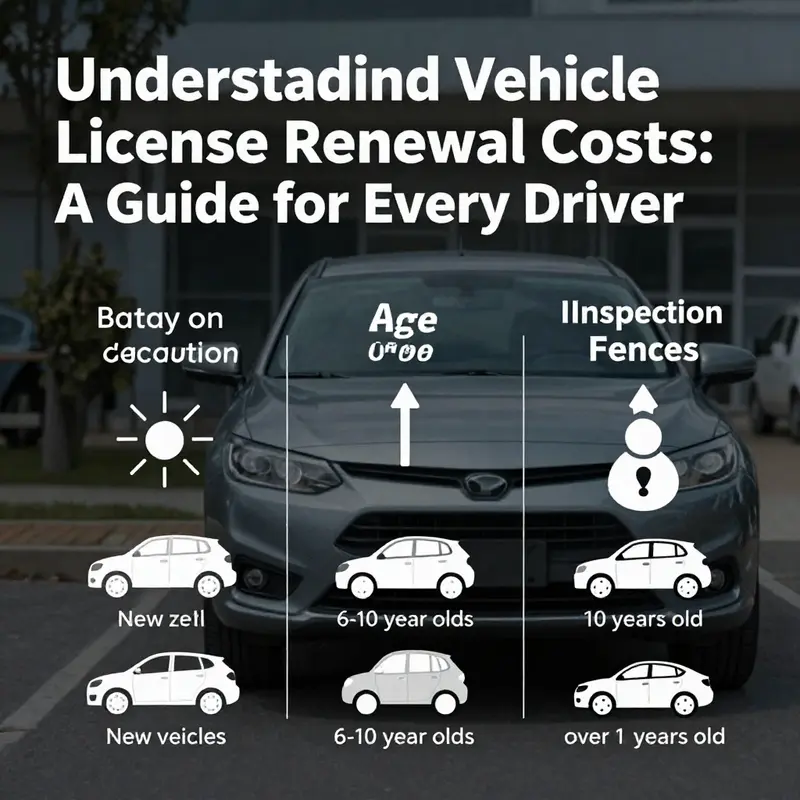
In mainland China, the cost of renewing your vehicle license is commonly linked with how long your vehicle has been on the road and its overall condition. For instance, for most private passenger vehicles, the inspection fees generally fall in the range of ¥200 to ¥400. These fees cover essential checks including exterior appearance, emissions levels, braking performance, and the functionality of lighting systems among others. One of the driving forces behind the fee structure is the age of the vehicle. Newer cars, defined as those up to six years old, are usually subject to a more lenient fee structure. Often, owners of newer vehicles are entitled to an exemption from the full inspection process. A nominal fee of around ¥20 to ¥30 is typically charged just for the issuance of the official inspection sticker or an online application processing fee.
For vehicles that are between six and ten years old, the renewal process intensifies. With the passage of time comes the likelihood of increased wear and tear, necessitating a more thorough check-up every two years. During this period, fees usually escalate to somewhere in the vicinity of ¥260 to ¥400. In contrast, vehicles older than ten years are required to undergo annual inspections, largely due to the heightened risk of mechanical faults and environmental concerns such as emissions. Consequently, the cost for these older vehicles can range between ¥300 and ¥530, as additional checks on the chassis and engine components become mandatory. This tiered approach ensures that the aging fleet is monitored more closely, helping to maintain safety standards and environmental compliance.
One must also consider the different fee structures across various vehicle types. For instance, commercial vehicles and trucks, owing to their more complex operational conditions and the need for additional safety checks (like evaluating the chassis, suspension, and load capacity), face higher inspection fees often ranging between ¥500 and ¥1,000. The rationale is clear: larger vehicles or those used for commercial purposes are subjected to much stricter standards due to the additional risks they present on the road. This also means that government regulations are designed to account for not only the mechanical integrity but also the safety implications that such vehicles pose to both their operators and other road users.
Electric vehicles (EVs) present another interesting case. Due to their fundamentally different powertrains and the elimination of the need for emissions testing, pure electric vehicles (BEVs) generally encounter lower inspection fees. Costs for BEVs typically hover between ¥150 and ¥350, with some regions offering even more attractive rates, reflecting an encouraging stance toward cleaner alternatives. Plug-in hybrid electric vehicles (PHEVs), however, do not completely escape emissions testing, which is why their inspection fees are a bit higher – more in line with their hybrid nature – approximately ¥200 to ¥400. These scaled fee structures in China are designed not only to safeguard environmental and mechanical safety, but also to encourage a transition to greener vehicle technologies by keeping the cost of operating electric vehicles comparatively low.
Geographic location is yet another crucial determinant of the overall expense. Major cities like Beijing or Shanghai tend to have higher fee structures compared to second- or third-tier cities. In metropolitan areas, for petrol-fueled private vehicles, fees might range from ¥300 to ¥530 while electric vehicles might incur costs between ¥200 and ¥400. Meanwhile, rural or suburban areas may see lower fees as a reflection of both reduced administrative overheads and fewer safety concerns typically associated with densely populated areas. This variation underscores how local regulatory bodies adapt fee schedules in response to both the risk profiles and economic situations of their respective regions.
Beyond the initial inspection fee, vehicle owners should remain aware of additional expenses that could inflate the overall cost of license renewal. The inspection fee itself excludes several mandatory costs, such as those associated with compulsory insurance and vehicle taxes. For instance, in mainland China, vehicle license renewal does not cover the compulsory insurance fee governed by ICBC or the vehicle and vessel tax, both of which are separate legal obligations that vehicle owners must meet annually. It is therefore advisable to budget for these extra expenses when planning for the renewal process.
Moreover, although the inspection process is straightforward under ideal conditions, complications arise when a vehicle fails its initial inspection. Failures could be triggered by factors such as excessive emissions, defective brakes, or unauthorized modifications. When such issues arise, the vehicle must undergo necessary repairs, and while the re-inspection itself is commonly free of charge, the cost of those repairs can be substantial – ranging from a few dozen to several thousand yuan. This risk of additional expense further reinforces the need for regular maintenance and precautionary checks ahead of the scheduled inspection, ensuring that minor issues are addressed before they escalate into major, costly repairs.
While the fee structure in mainland China is largely built around vehicle age and condition, the situation in Hong Kong presents a contrasting picture. In Hong Kong, renewal fees are not directly determined by how old or worn a vehicle might be. Instead, the cost of renewing a vehicle’s license is influenced by a broader range of factors that are woven into the policy framework. Among these, the type of vehicle plays a crucial role. Whether it is a private car, a commercial vehicle, or another classification has implications that extend to the renewal fee schedule. For instance, specialized policies ensure that vehicles which naturally have lower emissions, particularly electric vehicles, may benefit from different fee considerations compared to their gasoline-powered counterparts.
The period of registration and the timing of the renewal application also add layers of complexity in Hong Kong. Vehicles that have been registered for longer periods may be subject to different fee criteria, and the exact timing of when you apply for renewal can alter the fee structure. This approach demonstrates a nuanced understanding by local authorities that the longevity of a vehicle’s registration can serve as a proxy for its expected wear and its associated risk factors. It is an approach that goes beyond a simple calculation based on physical condition, acknowledging that administrative factors also play a role in overall cost determinations.
Another key element in Hong Kong’s model is the emphasis on emission standards. The regulatory framework stipulates that vehicles meeting certain emission criteria may be eligible for adjusted fees. For example, electric vehicles benefit significantly from these provisions. There are even special policies that favor electric vehicles whose license expiration occurs on or before 28 February 2026; these vehicles are processed under special provisions that aim to boost the adoption of greener technologies. This emphasis on environmental considerations also means that vehicles not only adhere to higher safety standards but also contribute to broader governmental goals of reducing pollution and promoting sustainable transportation.
Government incentives in Hong Kong further shape the renewal fee landscape. Subsidies and reduced fees for environmentally friendly vehicles are part of a calculated strategy to encourage the shift away from fossil fuels. The integration of these incentives into the fee structure illustrates how public policy can directly influence the economic equation for vehicle owners. By aligning fee reductions with environmental objectives, the government both rewards responsible behavior and nudges the overall vehicle fleet toward cleaner, more energy-efficient alternatives.
When comparing the systems of mainland China and Hong Kong, a striking theme emerges: both regions strive to balance safety, environmental considerations, and economic factors, albeit through different mechanisms. While in mainland China the approach is heavily tied to a vehicle’s age and physical condition – with detailed fee brackets for new, mid-life, and older vehicles – Hong Kong’s system is more nuanced, taking into account a wider variety of policy-driven factors. This divergence reflects the unique regulatory environments in each region. In China, the safety concerns related to vehicle wear over time drive more rigorous fee structures, ensuring that the oldest and possibly least safe vehicles are inspected frequently. In contrast, Hong Kong’s strategy emphasizes regulatory fairness and environmental incentives, a perspective that discourages aging vehicle fleets and promotes modern, cleaner technologies.
For vehicle owners, these diverse approaches have practical implications. In mainland China, budgeting for vehicle license renewal involves understanding the interplay between vehicle age, type, and geographic location. Given the segmented fee ranges – from the modest charges for new private passenger vehicles to higher fees for older vehicles and commercial trucks – it becomes crucial to plan ahead and ensure that the vehicle is maintained in good condition. Regular self-checks such as verifying the functionality of lights, ensuring that the vehicle’s exterior matches the registration photo, and resolving any pending traffic violations can save you from costly repair bills if an inspection fails.
In Hong Kong, however, the emphasis shifts somewhat. The renewal fee is less about penalizing an older or more worn-out vehicle and more about rewarding those that meet modern emission standards and align with government priorities. This means that if your vehicle is environmentally friendly – such as an electric vehicle or one that adheres to strict emission standards – you might benefit from reduced fees through government incentive programs. The policy framework in Hong Kong is designed to provide transparency, and vehicle owners are encouraged to review online resources such as the HKeMobility mobile application for detailed guidance on applicable charges, eligibility criteria, and special provisions that could affect their renewal fee.
This complexity is compounded when considering that the fee for vehicle renewal is itself just one part of the overall cost of operating a vehicle. Beyond the renewal fee, owners across regions must contend with expenses related to compulsory insurance, regular maintenance, and any potential costs arising from necessary repairs if the vehicle does not pass inspection. It is in this context that a proactive approach to vehicle maintenance becomes invaluable. By staying ahead of potential issues – a practice that is beneficial whether you own a petrol car, an electric vehicle, or a commercial truck – you are not only ensuring safety and compliance with local regulations but also mitigating the risk of incurring unexpected repair costs.
For those interested in a deeper exploration of how inspection requirements differ across jurisdictions, available resources such as insights on vehicle inspection practices can offer additional clarity. For example, a detailed overview on vehicle inspection requirements in various regions is accessible through an in-depth article on inspection standards here. This resource further illustrates how variations in local regulations can significantly influence the cost and frequency of vehicle inspections across different regions.
Both in mainland China and Hong Kong, the evolution of vehicle license renewal fees reflects broader trends in transportation policy and environmental consciousness. In China, the tiered fee system underscores a pragmatic approach: older vehicles, which are more likely to compromise both safety and environmental standards, are required to pass more rigorous inspections at a higher cost. The incentive for newer vehicles is clear – lower fees paired with less frequent inspections serve as a reward for newer, more reliable technology. Meanwhile, Hong Kong’s system reinforces the city’s commitment to environmental sustainability. The special provisions for electric vehicles serve as a powerful incentive to transition away from fossil fuels, aligning vehicle licensing policies with the region’s broader green initiatives.
As these regulatory frameworks continue to evolve, vehicle owners must remain informed about the conditions and criteria that may affect their renewal fees. In both regions, the need for transparency and clear communication from licensing authorities is paramount. Keeping abreast of changes not only helps in planning financially but also ensures that vehicles operate within the parameters of safety and environmental standards set by the government.
When preparing for a vehicle license renewal, it is advisable to verify all relevant documentation well in advance. Ensure that your compulsory insurance policy is up-to-date, check your vehicle registration, and confirm that any pending issues – from minor cosmetic repairs to more significant mechanical adjustments – are resolved. This proactive preparation is instrumental in navigating the intricacies of the renewal process and avoiding any last-minute complications that might lead to further expenses.
In summary, navigating the realm of vehicle license renewal fees requires an appreciation of both the internal dynamics of your vehicle – such as its age, condition, and type – and the broader regulatory environment in which it operates. Whether you reside in mainland China or Hong Kong, the renewal process embodies a balance between safety, economic pragmatism, and environmental responsibility. By understanding these varied factors, vehicle owners can better prepare for the associated costs and ensure that their vehicles remain a safe, compliant, and environmentally friendly component of the modern transportation network.
For additional details on Hong Kong’s vehicle licensing policies and renewal requirements, interested readers can consult the official government source here, which offers comprehensive insights and up-to-date policy information.
This multifaceted exploration of vehicle license renewal fees underscores the complexity behind what might seem like a straightforward administrative process. It is a reminder that behind every fee lies a calculated balance of safety imperatives, technological advancements, and policy-driven initiatives aimed at fostering both responsible vehicle ownership and environmental stewardship. As governments around the world continue to adjust their regulations in response to evolving priorities, the onus is on vehicle owners to stay informed and proactive in maintaining their vehicles in accordance with the highest standards of safety and efficiency.
Ultimately, whether you are renewing a license for a private car, a commercial truck, or an electric vehicle, the landscape of vehicle renewal costs is as dynamic as it is diverse. By integrating routine maintenance with an awareness of local policy nuances, vehicle owners can navigate this complex landscape effectively, ensuring that every renewal is as smooth and cost-efficient as possible. In doing so, they not only safeguard their financial interests but also contribute to the overall enhancement of public road safety and environmental quality.
Navigating the Regional Landscape: The True Cost of Vehicle License Renewal in China
Navigating the Regional Landscape: The True Cost of Vehicle License Renewal in China
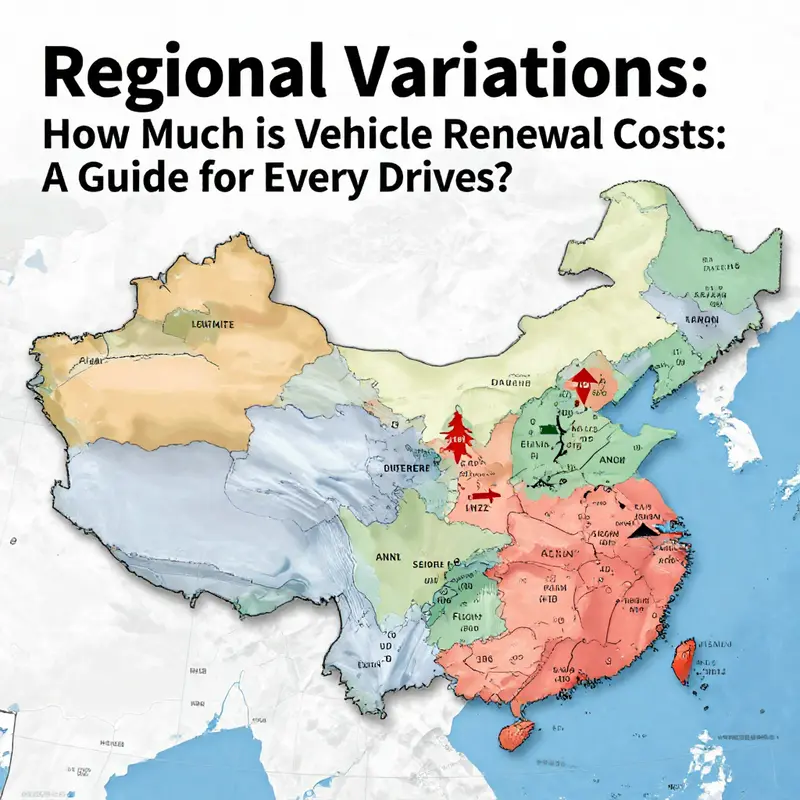
Across China, the expense associated with vehicle license renewal is far from uniform. Whether relating to the annual inspection of your car or the renewal process for a driver’s license, regional differences significantly influence the final sum. From bustling metropolitan centers to smaller, quieter cities, the local economic climate, regulatory nuances, and even the available service providers come together to create a complex tapestry of costs that vehicle owners and drivers must navigate.
To begin with, for the average private passenger vehicle, the inspection process is typically governed by a standardized set of safety and emissions criteria. In many urban centers, private car owners can expect to pay between ¥200 and ¥400 for a comprehensive inspection that checks everything from exterior appearance to essential components like brakes and lighting. In contrast, commercial vehicles and trucks, which face a higher level of scrutiny due to additional safety and performance standards, command fees that can range from ¥500 to ¥1,000. These figures, however, mask a deeper layer of complexity where factors such as vehicle age and geographic location play an influential role in cost determination.
For instance, the age of the vehicle is a pivotal factor in the renewal process. New vehicles, particularly those that are less than six years old, often benefit from an “exemption from inspection” clause. In such cases, the owner might only be required to incur a nominal fee of ¥20 to ¥30 merely for the issue of an official inspection sticker or an online application process. As vehicles age into the 6-10 year bracket, the frequency of required inspections decreases to a biennial schedule with inspection fees adjusting upward to a range of approximately ¥260 to ¥400. Vehicles that have surpassed the 10-year mark are subjected to annual renewals with even higher costs, anywhere from roughly ¥300 to ¥530, largely due to the inclusion of more extensive diagnostic checks for the chassis and engine systems.
Electric vehicles (EVs) add yet another layer to this landscape. With the shift toward greener technologies, many cities have found that pure electric vehicles (BEVs) require a more specialized set of examinations. Due to the absence of an emissions test for BEVs, the primary inspection focuses on battery performance and high-voltage system integrity. Drivers of these vehicles can generally expect to incur lower renewal fees, typically ranging between ¥150 and ¥350. Hybrid models, such as plug-in hybrids (PHEVs), while benefiting from some of the efficiencies of EVs, still require partial emissions assessments. This results in their renewal costs tending to mirror those of traditional gasoline vehicles more closely, often falling within a range of ¥200 to ¥400.
The role of geographic location can hardly be overstated. In major urban hubs like Beijing, Shanghai, or Guangzhou, where environmental oversight is more rigorous and administrative costs are higher, renewal fees for petrol cars can gravitate towards the upper limit of the cost spectrum – around ¥300 to ¥530. Conversely, in second- or third-tier cities, the combination of lower labor costs and less congested inspection centers means that fees can be substantially lower, sometimes ranging from ¥200 to ¥350 for petrol vehicles and even less for electric vehicles. In some suburban or rural regions, inspection centers might offer even more competitive rates, reflecting local government policies that encourage vehicle upkeep and compliance. This diversity underscores the importance of checking with local vehicle management offices to confirm current fees prior to scheduling any renewal.
Understanding fee structures is only part of the story. Beyond the primary inspection cost, any potential vehicle license renewal in China involves a spectrum of additional expenses that vehicle owners must anticipate. Separate from the renewal fee itself are other obligatory payments such as compulsory insurance (usually provided by ICBC) and the annual vehicle and vessel tax. These external costs are legally mandated and are not bundled into the inspection fee, meaning that while an owner might budget for an inspection of ¥200 to ¥400, the overall annual spending on vehicle maintenance and compliance could be notably higher. Additionally, any failure during the initial inspection can lead to unforeseen repair expenses. Should the vehicle fail due to issues such as significant emissions levels, malfunctioning brakes, or improper modifications, the owner is required to make necessary repairs, which might range from a relatively modest fee to several thousand yuan, depending on the severity of the problem. Although the re-inspection is typically free, the costs incurred from repairs can dramatically inflate the total renewal expense.
In parallel with discussions surrounding vehicle inspections, the renewal process for a driver’s license, though largely standardized, also exhibits marked regional variation. For drivers, the renewal process, while seemingly straightforward in terms of a fixed replacement fee — typically about ¥10 — can accumulate additional costs in the form of medical examinations and photo services. The medical examination fee, for example, is subject to regional fluctuations. In cities with robust healthcare competition such as Shanghai or Beijing, this fee might be as low as ¥10 to ¥30. However, in smaller cities or regions with fewer healthcare providers, prices could surge to as much as ¥50 to ¥70. Such disparities are reflective of local market conditions and the availability of competing service providers. Similarly, when it comes to photo services, some local government centers or associated clinics offer free photo services for driver’s license renewals, while in commercial photography facilities the fee might climb to ¥20. These seemingly small costs, when added to the mandatory expenses and any potential non-resident fees for things like document copying, postage, or inter-city travel, further complicate the overall expenditure picture for drivers.
One must also consider the unique challenges that non-residents may face when renewing their documents. In some regions, drivers who are not local residents might encounter extra charges for copying documentation (around ¥2), mailing the new license (an extra ¥15), or processing transfer fees (often about ¥5 per transaction). For individuals who must travel to another city specifically for renewal purposes, there is the additional burden of transportation and possible accommodation expenses. In certain instances, these logistical hurdles can add hundreds of yuan to the overall cost, illustrating that regional nuances not only affect the base fee but can also impose additional financial burdens on those whose circumstances necessitate extra travel or administrative complexity.
Beyond the immediate financial implications, the regional variation in vehicle license renewal costs underscores a broader narrative about administrative decentralization in China. Local governments are granted considerable autonomy to implement policies that reflect their unique demographic, economic, and environmental conditions. This decentralized approach means that while the core fees, like the driver’s license replacement fee, benefit from nationwide standardization, the peripheral cost components such as medical examinations and photo services can differ widely. For many vehicle owners and drivers, these differences necessitate proactive planning and research. It is advisable to complete renewals well before the official expiry date to avoid last-minute complications, as inspections that are rushed or conducted under court-ordered conditions can sometimes incur higher rates or necessitate costly repairs.
In urban centers where the demand for vehicle and license renewal services is high, governments may adopt electronic platforms and streamlined procedures to expedite the process. For example, the adoption of services via apps such as the official Traffic Management 12123 platform has been promoted in many regions, which helps reduce the time and expense involved by minimizing the need for in-person visits and thereby often lowering the overall cost of renewal. Meanwhile, in smaller cities, the process might rely more on traditional, face-to-face interactions, resulting in a different cost structure and sometimes even offering supplementary discounts or fee waivers. As such, whether you are renewing a license as part of your regular annual check-up or dealing with more extensive inspection processes for an aging vehicle, you will find that localized practices and administrative policies can have a notable impact on your renewal budget.
Another critical factor to consider is the impact of technological advancements on the overall renewal process. The gradual digitization of vehicle management systems across Chinese provinces has begun to streamline operations and, in many cases, reduce the administrative overhead involved in license renewals. In regions where online booking and digital notifications are available, many bureaucratic procedures have been simplified. This transformation not only facilitates ease of scheduling inspections or renewals but can also result in reduced costs by cutting down redundant service fees associated with manual processes. In this evolving environment, it is paramount for vehicle owners and drivers to stay informed by visiting local Vehicle Management Office websites or contacting service centers ahead of time. This proactive approach is vital because even a small fee variance—such as an additional ¥10 for a medical examination in one city—can add up over time, particularly for fleet operators or owners managing multiple vehicles.
The discussion of costs would not be complete without addressing the potential pitfalls that vehicle owners encounter during renewals. A vehicle that fails its inspection due to issues like excessive emissions or worn-out parts will require repairs before it can be re-inspected. While the subsequent re-inspection is typically offered free of charge, the ripple effect of repair costs can be substantial. For instance, a driver might face expenses running into the thousands of yuan if significant modifications are needed on critical components such as catalytic converters or engine parts. This is particularly relevant in larger cities where the environmental regulations are stricter and enforcement is more stringent. Consequently, a well-planned maintenance schedule prior to renewal is essential not only to avoid unexpected repair bills but to ensure that the vehicle remains compliant with local standards.
The interplay between vehicle license renewal fees and the associated administrative logistics further emphasizes the importance of thorough preparation. It is imperative for both vehicle owners and drivers to verify that all necessary documentation, such as a valid registration certificate and current compulsory insurance, is in order. These documents are prerequisites not only for a successful inspection but also for the issuance of a new license or registration sticker. Even minor discrepancies, such as an outdated insurance note or a mismatched photograph on your registration, can lead to delays, additional appointments, and in some cases, extra fees. Therefore, a systematic approach to document verification and proactive service booking can help streamline the entire process and minimize the risk of incurring additional costs unnecessarily.
Furthermore, while the figures discussed above provide a general framework for what to expect, it is important to understand that these figures are subject to change. Regional policies and local economic conditions are dynamic, and fees may be revised periodically in response to shifts in government regulation, inflation, and broader market forces. As such, vehicle owners and drivers are encouraged to consult local authorities or official platforms for the most up-to-date information. Resources such as the local Vehicle Management Office and the official state rules impact on driver licensing page can serve as vital tools in ensuring that all procedural steps are completed accurately and without incurring unforeseen expenses. This vigilance not only helps in budgeting for the renewal but also affirms the responsibility of keeping one’s vehicle in compliance with evolving regional standards.
In conclusion, the regional variations in vehicle license renewal fees across China provide a clear example of how local governance shapes everyday financial responsibilities. From the modest costs associated with a newer car’s annual check-up to the higher fees encountered in larger cities or in the context of a driver’s license renewal process, the spectrum of expenses is as varied as the regions themselves. Whether you are a private car owner, a driver renewing a license, or the manager of a commercial fleet, an informed understanding of these regional nuances can save both time and money. By planning ahead, verifying documents, and staying updated with local fee adjustments, vehicle owners can navigate this complex landscape with confidence. Ultimately, while the process might seem daunting at first glance, the integration of modern digital platforms, proactive maintenance schedules, and careful financial planning all converge to ensure that the seemingly intricate task of vehicle license renewal can be managed efficiently and cost-effectively.
For those seeking further insights into how local policies and state rules are impacting driver licensing procedures, detailed analyses can be found on platforms dedicated to regulatory reviews and administrative changes. An in-depth examination of state regulations has illuminated the ways in which regional governance can influence both the cost and ease of license renewal processes. Staying informed through such resources not only ensures compliance but also offers a broader perspective on how governmental policies evolve in tandem with technological advances and market demands.
Finally, it is essential to recognize that the renewal process, whether for a vehicle inspection or a driver’s license, is far more than a routine administrative task. It is a reflection of a larger commitment to safety, environmental responsibility, and adherence to legal standards that protect all road users. As China continues to modernize and digitize its public services, the regional disparities in fee structures will likely narrow, but for now, understanding these nuances remains critical for anyone undertaking the renewal process.
For further official details on the renewal process and accurate, up-to-date fee structures, prospective applicants can refer to the Traffic Management 12123 official national platform.
Uncovering the Hidden Fees and Strategic Renewal Insights for Your Vehicle License
When considering the broader scope of vehicle license renewal, many vehicle owners tend to focus solely on the base fee, overlooking a myriad of secondary charges and requirements that can significantly affect the total cost. Every owner, whether using a gasoline-powered car or an electric vehicle, should be aware that the renewal process is imbued with nuances that extend far beyond the straightforward fee schedules. In this comprehensive chapter, we delve into the intricate details of additional costs, regional policies, and timely strategies that bridge the gap between a basic renewal fee and the complete financial reality of maintaining a licensed vehicle.
Vehicle license renewal is often seen as a routine bureaucratic task; however, the process can vary widely based on vehicle type, age, and location. For example, in China, the cost of renewing a vehicle license for private passenger vehicles typically falls between ¥200 to ¥400, while commercial vehicles and trucks are subject to a steeper fee range from ¥500 to ¥1,000. These ranges provide a baseline understanding, yet the cost landscape is much more complex when we consider factors such as transitional policies for electric vehicles, region-specific fee enhancements, and penalties for late renewals.
In Hong Kong, the landscape is uniquely nuanced. Specifically, vehicle owners with electric private cars face a transitional policy: if the vehicle’s license expired on or before 28 February 2026, renewal applications submitted by that date can benefit from a previously lower fee structure. This policy offers a critical financial incentive for owners to act promptly and ensure their renewals are processed within the designated timeframe. However, it is essential to note that such preferential rates apply exclusively to pure electric vehicles, while hybrid and plug-in hybrid models are subject to a different fee schedule. This distinction underscores the importance of understanding the categorization of vehicles in detail, as well as the varying administrative approaches adopted by different jurisdictions.
Beyond the transitional policies for electric vehicles, several additional fees may emerge during the renewal period. One of the most important factors to consider is the penalty incurred when renewals are submitted after the license’s expiry date. In Hong Kong, for instance, a delay in renewal results in a recalibration of the license’s validity period, commencing from the new issue date. Along with this recalibration comes a penalty fee calculated at 0.33% of the total renewal fee per day of delay. Such a fee structure means that even a delay of a month could potentially lead to an approximate 10% increase in the overall cost—a significant augmentation that emphasizes the need for timely action.
Another layer of complexity is introduced by the variation in registration fees, which can be influenced by factors including the assessed market value of the vehicle and its age. In regions like California and Mississippi, fees are structured in a way that takes into account the depreciation of a vehicle over time. Newer, more expensive vehicles incur higher fees, and as they age, these fees gradually decrease. This dynamic, value-based model exposes owners to fluctuations that may not be immediately apparent at the time of a vehicle purchase. Consequently, when budgeting for a vehicle license renewal, many owners find that they must consider the long-term financial implications tied to both depreciation and the possible increase in fees as their vehicles become older.
A particularly important aspect of the renewal process is the interrelation between regular maintenance, timely documentation, and the avoidance of additional repair expenses. Some owners might face unexpected costs when their vehicles fail an inspection—whether due to emissions issues, brake performance problems, or discrepancies between the current condition of the vehicle and the registration photo. Although a failed inspection does not normally attract additional inspection fees, the subsequent repair costs can vary dramatically, potentially ranging from a few dozen to several thousand yuan. This situation not only reinforces the need for regular vehicle maintenance but also highlights the financial risks that come with neglecting routine care.
Ownership of an electric vehicle comes with its own set of advantages and challenges. While electric vehicles generally come with lower fees—primarily because they typically do not require emissions testing—the specifics of their inspection criteria, such as checks on the battery and high-voltage systems, demand a focused approach. With fees for pure electric vehicles ranging approximately from ¥150 to ¥350 and slightly higher for plug-in hybrids (around ¥200 to ¥400 due to partial emissions testing), vehicle owners must be acutely aware of the differences. Moreover, regional variations intensify this complexity: in major cities like Beijing and Shanghai, the renewal fees for petrol-fueled vehicles can surge to the higher end of the spectrum, whereas in more rural or suburban settings, the costs might be appreciably lower.
Timeliness is a recurring theme when discussing additional costs associated with vehicle license renewal. An owner who neglects the renewal process until after the expiry date not only risks penalty fees but might also be subject to administrative inconveniences that extend the time and effort required to regain compliance. In many jurisdictions, this delay means that the new validity period starts not from the previous expiry date, but from the date of renewal itself. Consequently, the owner essentially loses a portion of the originally paid-for coverage period. This aspect of the renewal process serves as a cautionary tale: by ensuring that renewals are initiated well before the expiry date, owners can avoid penalties as well as the administrative hassle of recalculating renewal periods.
Continuity in proper documentation is another cornerstone of a smooth vehicle license renewal experience. It is imperative that vehicle owners ensure the accuracy and completeness of all required documents—most notably, a valid compulsory insurance policy and the vehicle registration certificate. Incomplete or incorrect documentation may necessitate additional visits to the inspection station or the vehicle management office, leading to potential delays and extra expenses. In some cases, even minor discrepancies, such as a mismatch between the vehicle’s current appearance and the photograph on the registration certificate, could trigger an extended review process that may result in further costs to rectify the issue.
Technical aspects of vehicle inspections, such as checks on emissions, lighting systems, brakes, and the structural integrity of components like the chassis, are integral parts of the renewal process. Vehicle owners should be proactive in addressing any known issues prior to the date of inspection. A pre-inspection check-up can serve as a preventative measure against unexpected repair costs following a failed inspection. For instance, if any modifications have been made to the vehicle that deviate from the original registration details, owners are advised to revert these changes or secure prior approval. Maintaining the vehicle in optimal condition not only mitigates the risk of failure during inspection but also contributes significantly to the overall longevity and performance of the vehicle.
The interplay between regional policies and vehicle-specific considerations implies that owners must keep informed about evolving local regulations. In many cases, local vehicle management offices or authorized inspection stations periodically revise fee structures and renewal procedures. A practice that has proven beneficial is to regularly check official government websites, which typically display the most current fee schedules and procedural requirements. For example, authorities may provide online portals where vehicle owners can enter their data and receive an exact calculation of the fees that will be applied. In this manner, staying updated becomes a cost-saving measure in itself. Engaging with these resources can also provide insight into whether new policies might affect a vehicle’s upcoming renewal cycle.
Alongside the detailed regulatory framework, vehicle owners are encouraged to adopt a strategic mindset when managing their renewal schedules. One effective strategy is to set reminders well in advance of the expiry date and to ensure that any pending maintenance or documentation issues are resolved before the renewal process begins. Utilization of digital tools—such as calendar alerts and online renewal services—can facilitate this process, reducing the stress that often accompanies bureaucratic proceedings. By staying organized and informed, vehicle owners can transform a potentially complicated renewal process into a streamlined and predictable financial planning exercise.
It is also instructive to consider the implications of depreciation on vehicle registration fees, particularly in jurisdictions that base fees on market value adjustments. Owners of newer models with higher market values may experience higher fees during the initial registration cycles, which gradually decline as the vehicle depreciates in value. This economic model effectively creates a sliding scale, where the renewal costs are indirectly tied to the age and overall condition of the vehicle. In some cases, owners might opt for more frequent inspections and renewals so that any necessary repairs can be completed in a timely manner, thereby preserving the vehicle’s resale value and performance integrity in parallel with compliance costs.
One cannot underestimate the importance of understanding the nuances between various vehicle categories when it comes to renewal fees. For electric vehicles, particularly, the transition period that offers lower licensing fees is a critical window of opportunity. Owners who are able to navigate this transitional phase efficiently not only save money but also position themselves advantageously in anticipation of future regulatory shifts that could increase the renewal costs. Additionally, distinguishing between pure electric vehicles and plug-in hybrids is essential because the inspection protocols differ—an oversight in this regard can easily lead to miscalculation of the fee obligations.
In certain cases, the financial impact of not meeting inspection standards extends beyond the immediate cost of repairs. Owners whose vehicles fail inspections might face temporary restrictions or even administrative hurdles within their local vehicle management systems. In such scenarios, vehicle owners might have to undergo a complete re-inspection process, which, while not necessarily incurring an additional fee for the re-inspection itself, can result in disruption of the vehicle’s regular use and potential loss of time. This can be particularly burdensome for commercial vehicle operators, who rely on timely renewals to maintain operational efficiency. Hence, it is in the best interest of all vehicle owners to invest in preventive maintenance and accurate vehicle documentation well ahead of scheduled inspections.
Central to the discussion of hidden fees and additional costs is the role of technological advancements in streamlining the vehicle license renewal process. Many jurisdictions are increasingly adopting digital platforms that allow for more accurate fee assessments and appointment scheduling. These platforms not only reduce the administrative load on both the authorities and the vehicle owners but also provide real-time updates on any changes in fee structures or regulatory policies. By leveraging these technological tools, owners can minimize the risk of incurring unexpected fees and penalties resulting from delayed renewals or policy misinterpretations.
An important reminder for all vehicle owners is that the base fee for license renewal should never be considered the complete cost of vehicle ownership. From the costs associated with failing an inspection to the penalties incurred from delayed renewals, every aspect of the process has financial implications that may accumulate over time. For instance, while a well-maintained private car might enjoy a relatively modest renewal fee of ¥200-¥400, the added costs resulting from a delayed renewal or an overlooked vehicle repair can tip the financial balance significantly. As such, it is prudent to view vehicle license renewal as a comprehensive financial planning task rather than a mere administrative formality.
In the context of overall financial planning, vehicle owners are well-advised to integrate renewal fees and related expenses into their ongoing budgetary considerations. With renewal schedules typically set on an annual or biennial basis, it becomes crucial to set aside sufficient funds in anticipation of not only the base fee but also any additional penalties or repair costs. Such proactive financial planning helps mitigate the stress of unexpected expenditures and ensures that the vehicle remains compliant with all regulatory requirements at all times. If you are interested in understanding how state-specific inspection requirements might influence your planning, you may find valuable insights in this detailed article on vehicle inspection requirements across different states.
In conclusion, mastering the complexities of vehicle license renewal involves a multifaceted approach that blends strict adherence to regulatory deadlines, proactive maintenance, and an up-to-date understanding of local policy shifts. Vehicle owners who invest time in assessing all potential fees — from the base renewal cost to the additional penalties for delayed renewals, as well as considering the effect of vehicle age and type — can better navigate the renewal landscape. By embracing strategies that incorporate preventive maintenance, timely documentation, and the use of digital tools, owners not only safeguard themselves against unforeseen financial burdens but also contribute to a smoother overall process. For those looking to dive even deeper into the subject and obtain the most accurate and updated fee structures, the official guide available here is an excellent resource.
Ultimately, the vehicle license renewal process serves as a microcosm of broader financial management challenges related to vehicle ownership. The interplay between base fees, additional repair costs, penalty fees for late renewals, and regional policy variations creates a landscape that demands thorough preparation and continuous vigilance. While regulation may seem rigid, an informed and proactive approach empowers vehicle owners to make decisions that can lead to substantial savings over time. It is this blend of diligent preparation, strategic timing, and reliance on trustworthy sources that ultimately paves the way for a cost-effective and hassle-free renewal experience. By understanding the hidden fees, planning for contingencies, and leveraging technology, every vehicle owner can navigate the complexities of license renewal with confidence, ensuring that their vehicle remains roadworthy and compliant without unexpected financial surprises.
In summary, the road to a successful vehicle license renewal is paved with attention to detail. Every element—from the fee structure influenced by vehicle type and age to the administrative penalties imposed for lateness—plays a role in shaping the overall cost. Hence, vehicle owners benefit greatly from a comprehensive approach that encompasses regular vehicle maintenance, timely renewals, and a vigilant eye on evolving local policies. This holistic approach not only minimizes unexpected expenses but also enhances the long-term reliability of the vehicle. Staying informed and prepared makes a significant difference in what might otherwise be a stressful, costly process, ensuring that all involved can focus on enjoying the journey rather than being bogged down by regulatory hassles.
By considering these multifaceted elements in unison, vehicle owners can appreciate that the answer to ‘how much is vehicle license renewal’ transcends simple figures. It is an intersection of preventative care, strategic financial planning, adherence to deadlines, and a proactive update of documentation—all contributing to a smooth and economically sensible renewal experience.
Final thoughts
In summary, understanding the costs associated with vehicle license renewal in China is vital for all vehicle owners. It is influenced by factors such as vehicle type, age, and geographic location. From the basic inspection costs to additional fees, being informed will aid in smoother renewals and compliance with legal requirements. Regular maintenance and timely inspections can help mitigate potential issues and additional costs. As you navigate through vehicle ownership, keeping these insights in mind will prepare you for the financial aspects of renewing your vehicle license.