
Introduction to Vehicle Licensing
Navigating the world of vehicle licensing can seem daunting, especially for new drivers and vehicle owners. However, understanding the importance of licensing is crucial for ensuring safe and responsible driving on our roads. Vehicle licensing serves not just as a legal requirement but as an essential step that validates a driver’s ability to operate a vehicle. It protects you, other road users, and promotes accountability. Beyond acquiring a driver’s license, potential vehicle owners must also understand the licensing needs specific to their jurisdiction to comply with local laws. For instance, state-specific rules can greatly influence your experience, depending on where you live. Ensuring that your vehicle is properly licensed can help avoid fines and enhance resale value. This article will guide you through the vehicle licensing process, making it clear and straightforward for anyone ready to hit the road.
Types of Vehicle Licenses
Understanding the various types of vehicle licenses is crucial for ensuring compliance with both state and federal regulations. This section will detail the primary types of vehicle licenses available in the United States, including regular, motorcycle, and commercial licenses.
1. Regular Driver’s License (Class D)
A standard driver’s license, commonly referred to as a Class D license, allows individuals to operate non-commercial motor vehicles such as cars and light trucks. Key points include:
- Eligibility: Generally requires the applicant to be at least 16 years old.
- Testing Requirements: Applicants must pass a vision test, a written knowledge exam, and a practical road test.
- Graduated Licensing: Many states implement graduated licensing for new drivers, which includes restrictions on night driving and the number of passengers allowed.
- Learn more about the requirements for obtaining a driver’s license.
2. Motorcycle License (Class M)
To operate motorcycles legally, riders must obtain a motorcycle-specific license, known as a Class M license. Key aspects include:
- Age Requirement: Generally, candidates must be at least 16 years old, although specifics may vary by state.
- Testing: Applicants typically undergo a written knowledge test on motorcycle operation and safety, along with a practical skills test.
- Permit System: States often require new riders to first obtain a learner’s permit before securing a full motorcycle license.
- Read more about motorcycle license requirements.
3. Commercial Driver’s License (CDL)
Commercial vehicles require a specific license known as a Commercial Driver’s License (CDL). There are three main classes:
- Class A: Needed for operating combination vehicles (e.g., tow trucks).
- Class B: Required for single vehicles exceeding 26,000 pounds.
- Class C: For small vehicles transporting hazardous materials or more than 16 passengers.
- Endorsements: CDLs may include endorsements for specific vehicle types or cargo (e.g., hazardous materials). Each state has distinct requirements for obtaining a CDL, which typically include passing medical exams and fulfilling various testing requirements.
- Explore detailed CDL requirements.
Vehicle Licensing Requirements by State
Understanding the vehicle licensing requirements in different states is essential for new drivers, seasoned vehicle owners, and auto dealerships alike. Each state has its unique requirements regarding vehicle registration and licensing, leading to variations in fees, renewal periods, and whether or not a physical registration sticker is required.
Here’s a comparative table of vehicle licensing requirements across several states:
| State | Registration Sticker Required? | Sticker Status | Average Annual Registration Fee (USD) | Renewal Period |
|---|---|---|---|---|
| California | Yes | Required | $50 – $150 | 2 years |
| Texas | Yes | Required | $50 – $150 | 1 year |
| New York | Yes | Required | $30 – $100 | 1 year |
| Florida | Yes | Required | $50 – $100 | 2 years |
| Illinois | Yes | Required | $100 – $200 | 2 years |
| Pennsylvania | Yes | Required | $40 – $80 | 1 year |
| Ohio | Yes | Required | $30 – $70 | 2 years |
| Georgia | Yes | Required | $20 – $50 | 2 years |
| Michigan | No | Abolished (since 2019) | $25 – $60 | 1 year |
| Washington | No | Abolished (since 2017) | $30 – $70 | 2 years |
Note:
- The “Sticker Status” indicates whether the state currently requires physical registration stickers.
- Fees are approximate averages based on standard passenger vehicle licensing and may vary by county, vehicle type, weight, and emissions.
- Renewal periods reflect standard cycles; some states allow biennial or annual renewals depending on vehicle class.
For those interested in how state rules impact driver licensing, you can learn more here. Similarly, review the latest on vehicle inspection requirements across states.
How to License a Vehicle: A Step-by-Step Guide
Licensing a vehicle is an essential process for every vehicle owner, ensuring that your automobile is compliant with state regulations and legally allowed on the roads. This guide offers a detailed walkthrough for new drivers and vehicle owners on how to navigate the vehicle licensing process.
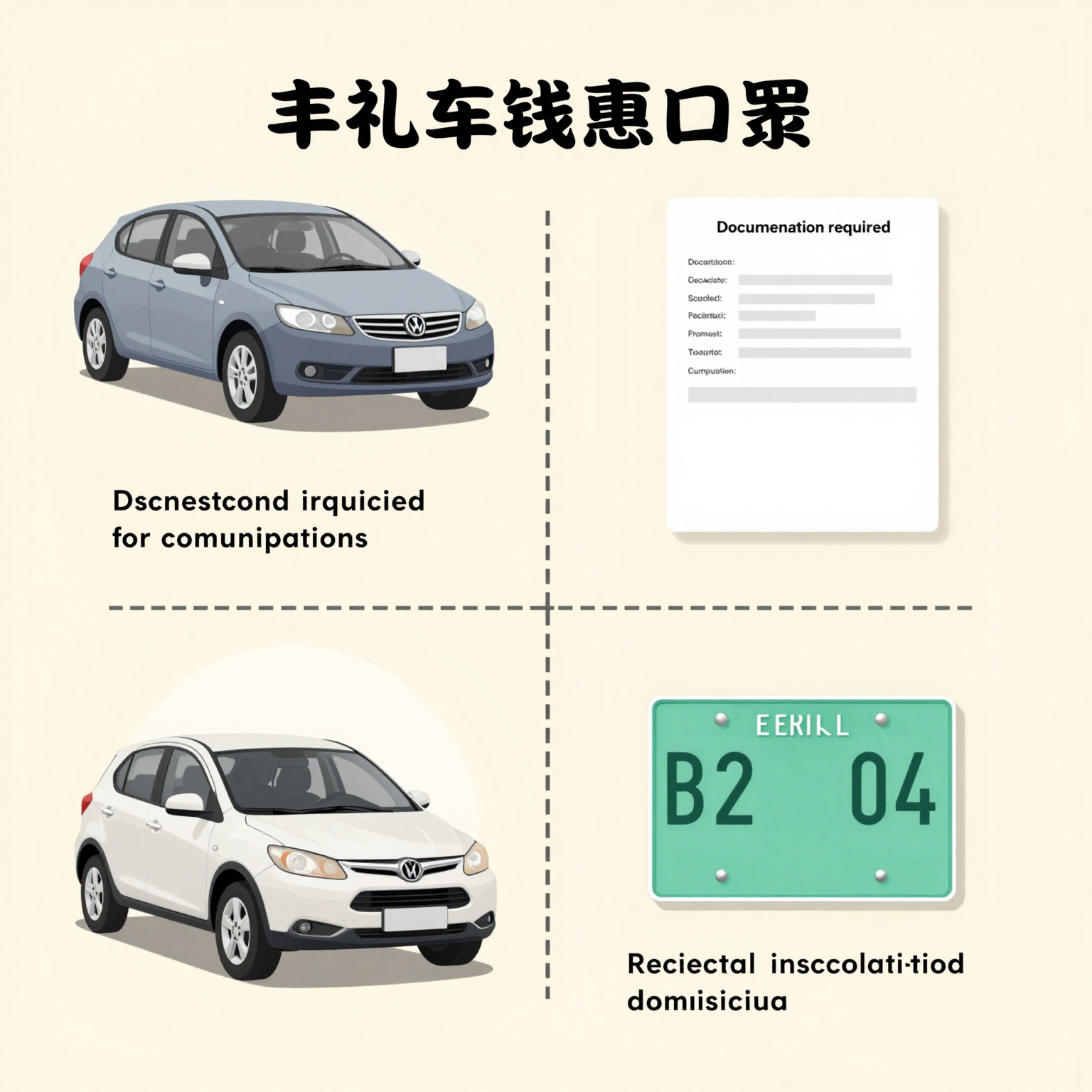
Step 1: Gather Required Documentation
Before approaching your local Department of Motor Vehicles (DMV) or relevant licensing authority, ensure you have the necessary documents.
- Proof of ownership: This can be a bill of sale, vehicle title, or manufacturer’s certificate.
- Proof of identity: A valid driver’s license or state identification card is typically required.
- Proof of residency: Utility bills or bank statements can serve this purpose.
- Insurance verification: Most states require proof that you have the necessary vehicle insurance.
Learn more about state-specific vehicle licensing requirements here.
Step 2: Vehicle Inspection (If Required)
Some states mandate a vehicle inspection before licensing. This step involves checking if your vehicle meets safety standards and emissions requirements. Make an appointment at an authorized inspection facility and carry along your vehicle’s title and any required fees.
Step 3: Complete the Registration Application
You can often complete this application online or in person at your DMV. Make sure to:
- Fill out the application form accurately.
- Submit all required documents.
- Pay the applicable fees, which can vary widely based on the state and vehicle type.
Step 4: Submit Your Application
After ensuring all information is correct and payment is made, submit your application. If done online, follow the prompts provided by the state’s DMV website. If in person, ask a staff member if you have everything in order.
Step 5: Receive Your License Plates and Registration
Once your application is processed, you will receive your registration certificate and license plates by mail. Some states allow you to print temporary plates to use until your permanent plates arrive.
You can visit the official DMV site for tracking your application status and to find resources that may speed up the process.
Additional Resources
For new drivers and vehicle owners, it’s helpful to familiarize yourself with the specific requirements and process in your state. For example, in California, you can visit the California DMV vehicle registration page for more details.
Staying informed about the licensing regulations and having the required documents ready will make your vehicle licensing process smooth and hassle-free. Ensure you follow all steps closely to comply with local laws and enjoy your driving experience!
Understanding Vehicle Licensing
For new and existing drivers, comprehending the vehicle licensing process is crucial. A vehicle license is not just a legal requirement but serves as a vital document indicating that you’ve met safety and identification standards needed to operate a vehicle legally. It typically includes essential personal information and unique identifiers related to the owner and the vehicle itself.
Here’s a simple visual representation of what a vehicle license looks like:

Understanding these details can streamline your experience whether you’re renewing your license or acquiring one for the first time. If you’re looking for state-specific rules impacting driver licensing, learn more about state rules or discover vehicle inspection requirements in your area to stay compliant.
Frequently Asked Questions About Vehicle Licensing
As new drivers and vehicle owners navigate the complexities of vehicle licensing, they often have common questions that arise. Here’s a compilation of frequently asked questions along with concise answers to enhance understanding.
1. What documents are required to license a vehicle?
To complete the vehicle licensing process, you’ll typically need:
- Proof of identity (like a driver’s license or state ID)
- Vehicle registration documents
- Proof of insurance
- Payment for applicable fees
For specific documentation requirements by state, you can learn more about state rules affecting vehicle licensing.
2. How do I renew my vehicle license?
Vehicle license renewals can often be completed online or in person at designated offices. You’ll need to provide:
- Current license number
- Personal identification
- Payment for renewal fees
Check your local licensing authority’s website for detailed guidelines on the renewal process.
3. What happens if I fail to renew my vehicle license on time?
Forgetting to renew your vehicle license can result in penalties, including:
- Late fees
- Fines
- Possible legal action depending on the duration of the lapse
Staying proactive with renewal reminders can save you from these consequences.
4. Can I license a vehicle that has been unregistered for an extended period?
As per updated regulations, if a vehicle has been unlicensed for two years or more, you may need to comply with stricter rules, including renewal and potential inspections. Consult your local regulations for specifics on unregistered vehicles.
5. How do I cancel my vehicle registration?
If you need to cancel your vehicle registration (e.g., after scrapping it), you generally must submit a cancellation request with supporting documents, such as a scrap certificate. The process can vary, so check with your local authority’s guidelines on vehicle registration and licensing.
6. What are the penalties for not complying with licensing laws?
Penalties for non-compliance can include fines, vehicle impoundment, or restrictions on future licensing. Always ensure you are aware of local laws to avoid these issues.
These FAQs aim to clarify common concerns regarding vehicle licensing and assist both new and existing drivers in staying compliant with regulations. For more information on vehicle inspection requirements, click here.
By understanding these aspects of vehicle licensing, vehicle owners can ensure smoother experiences whether they are registering a vehicle for the first time or renewing an existing license.
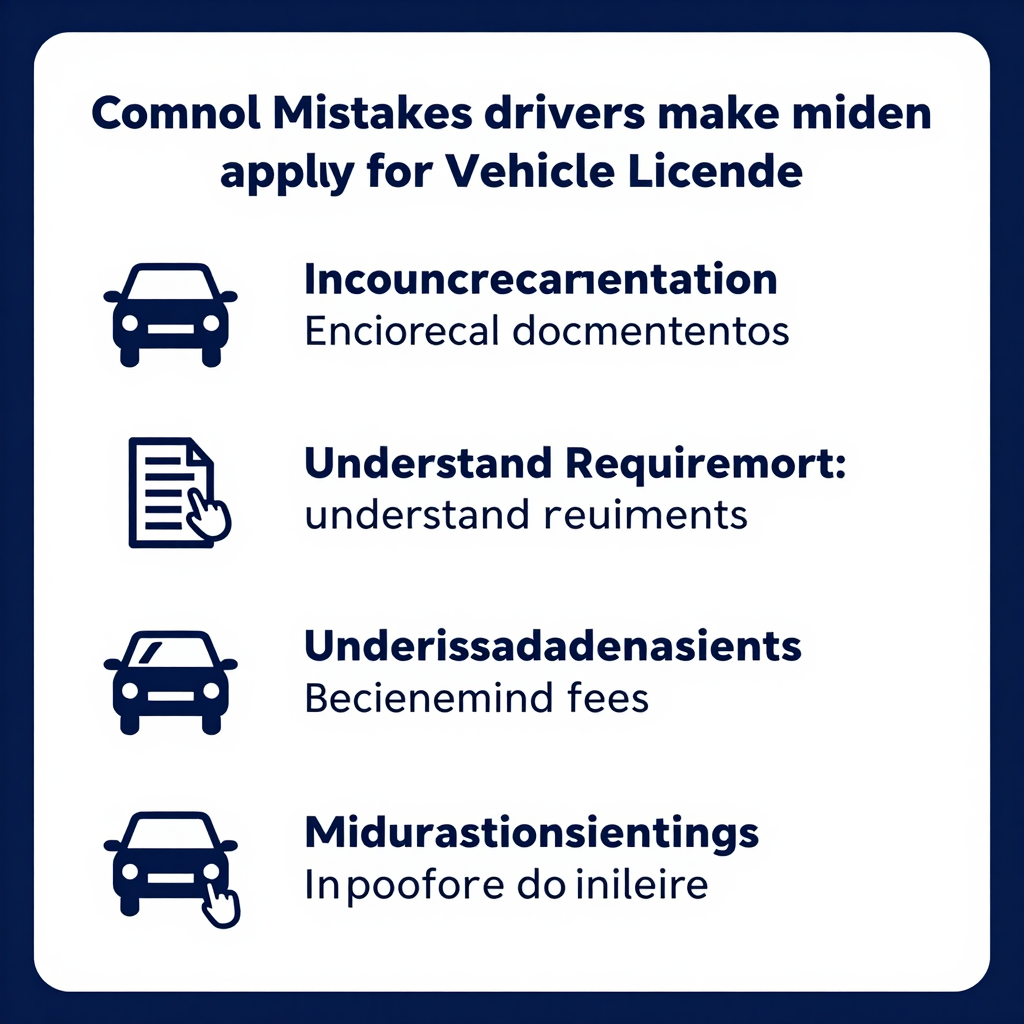
Common Mistakes to Avoid When Applying for Vehicle Licenses
Applying for a vehicle license can be a daunting process, especially for new drivers. To ensure a smooth application experience, it is important to be aware of common mistakes that can lead to delays or rejections.
-
Incorrect Documentation: One of the most frequent errors is submitting the wrong documents. Drivers should double-check that all required forms, such as identification, proof of residency, and medical certificates, are accurate and up to date. Missing documents or providing outdated information can result in application denials. Learn more about documentation requirements.
-
Failure to Understand Requirements: Many drivers overlook specific regulations and requirements unique to their state. It’s crucial to familiarize oneself with local laws concerning fees, testing, and age limits. This could prevent the frustration of unexpected hurdles during the licensing process.
-
Poor Preparation for Tests: Applicants often assume they can pass drivers’ tests without adequate preparation. This can lead to failing written or practical exams. Enrolling in a reputable driving school or taking practice tests can enhance knowledge and skills, ensuring better outcomes.
-
Misunderstanding Fees: Failing to verify and understand all associated fees can result in unexpected costs. From application fees to testing charges, being informed about all potential expenses is essential.
-
Ignoring Updates: Not staying informed about changes in vehicle licensing laws or procedures can lead to complications. Regularly checking state websites for updates is advisable.
By avoiding these common mistakes, applicants can navigate the vehicle licensing process more efficiently and successfully obtain their licenses.
The Importance of Following Vehicle Licensing Regulations
Licensing your vehicle is not merely a bureaucratic formality; it is an essential process that ensures safety and compliance on the roads. Following vehicle licensing regulations is crucial for several reasons:
- Public Safety: Vehicle licensing ensures that all vehicles on the road meet specific safety standards. This compliance helps prevent accidents caused by unroadworthy vehicles and ensures that drivers are properly qualified.
- Legal Compliance: Not adhering to licensing laws can lead to fines and legal penalties. It is crucial for vehicle owners to ensure their licensing status is current.
- Insurance Requirements: Most insurance providers require proof of proper vehicle licensing before coverage can be issued. An unlicensed vehicle could result in significant out-of-pocket expenses in case of an accident.
As highlighted by a senior DMV official, “Compliance with licensing rules ensures that every vehicle on the road meets minimum safety and emissions standards, and that operators are properly trained and authorized. This is not just about paperwork; it’s about protecting lives.”
By adhering to vehicle licensing regulations, you not only protect yourself but also contribute to the safety of the community. For detailed information on state-specific vehicle licensing requirements, learn more about state rules impact on driver licensing and familiarize yourself with vehicle inspection requirements.
Vehicle Licensing Checklist
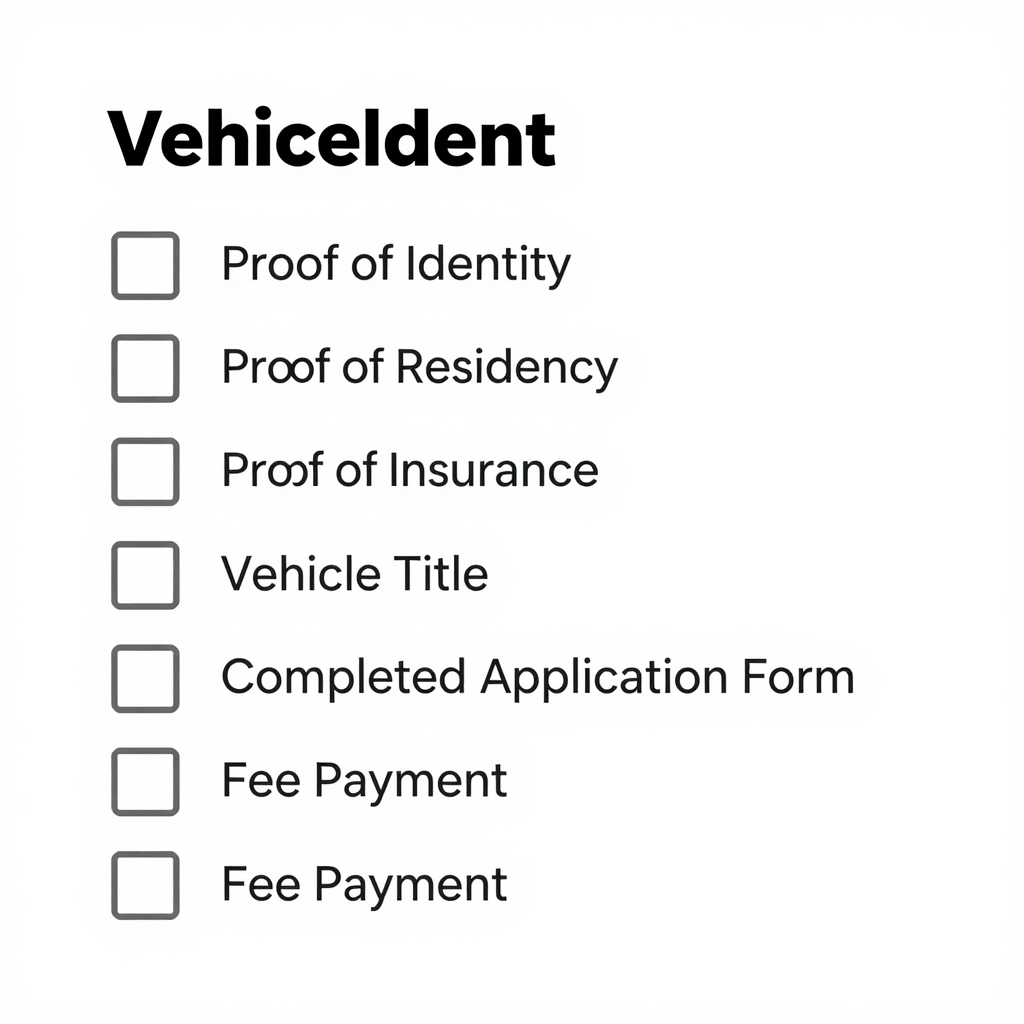
Licensing a vehicle is a crucial step for all new drivers and vehicle owners. The following checklist will guide you through the necessary steps and required documents to successfully license your vehicle.
Step-by-Step Process
- Proof of Identity
- Provide a government-issued ID, such as a passport or driver’s license.
- Proof of Residency
- Submit documents that verify your address, such as a utility bill or a lease agreement.
- Proof of Insurance
- Present a valid auto insurance policy that meets your state’s minimum requirements.
- Vehicle Title
- If you own the vehicle outright, provide the title. If there’s a lien, you may need a lien release form.
- Completed Application Form
- Fill out the vehicle registration application form specified by your state DMV or licensing authority. This could typically be a form like the Application for Title and/or Registration.
- Payment of Fees
- Be prepared to pay licensing fees and taxes as applicable to your state. Fees may vary based on vehicle type and weight.
- Vehicle Inspection (if required)
- Some states require an emissions test or a safety inspection. Learn more about state inspection requirements for your specific location.
Additional Considerations
- Check Your State’s Specific Requirements: Each state has unique licensing procedures and documents, so verify specifics with your local Department of Motor Vehicles. For example, California and Virginia have distinct requirements as outlined on their respective state DMV websites.
- Plan for Online, Mail, or In-Person Processing: Depending on your state’s options, you can often complete the licensing process online, via mail, or by visiting a DMV office directly.
Completing these steps will help ensure a smooth vehicle licensing experience as you become a responsible vehicle owner.
In summary, proper vehicle licensing is a crucial aspect of responsible vehicle ownership and operation. Throughout this article, we have highlighted several key points regarding the vehicle licensing process:
-
Legal Requirement: Vehicle licensing is not merely a bureaucratic step; it is a legal necessity that signifies compliance with state regulations. Licensing ensures that vehicles are safe, properly registered, and equipped for public road use. According to the National Highway Traffic Safety Administration (NHTSA), licensing supports taxation and insurance requirements, which are essential for maintaining road safety.
-
Documentation and Process: To successfully license a vehicle, owners must navigate through various requirements such as providing proof of insurance, the vehicle title, and payment of applicable fees. The process might include a vehicle inspection, depending on the state’s regulations. Understanding these steps is vital for avoiding potential fines or legal complications.
-
Consequences of Non-Compliance: Failure to license a vehicle can lead to severe repercussions, including fines, vehicle impoundment, and even criminal charges in certain states. As emphasized by the American Automobile Association (AAA), without proper registration, drivers risk legal troubles and can affect their insurance coverage during claims.
-
Support for Public Safety: Proper vehicle registration and licensing play a significant role in law enforcement’s ability to track vehicles and maintain safety on the roads. Licensed vehicles contribute to national databases, which help in transportation planning and research improving road safety initiatives.
As we conclude, it is essential for all vehicle owners-be they new drivers, experienced operators, or auto dealerships-to recognize and adhere to the licensing requirements in their respective states. By doing so, they ensure not only their own legal protection but also the safety and well-being of fellow road users. If you’re looking to delve deeper into vehicle inspection requirements or state-specific licensing rules, explore our resources: state rules impact on driver licensing and vehicle inspection requirements by state.
Stay informed, and ensure your vehicle is properly licensed today-it’s an investment in safety for you and everyone on the road.