
Introduction
Understanding vehicle terminology is crucial, especially for new drivers and vehicle owners. Grasping the nuances of terms used in the automotive world can empower individuals to make informed decisions, from licensing to maintenance. One frequently misunderstood aspect is the relationship between vehicle tag numbers and license plates. Many people wonder whether these terms are interchangeable or if they refer to distinct identifiers. This curiosity is not just academic; it holds real implications for vehicle registration and compliance with state laws. As we delve deeper into this topic, we’ll explore how each term functions, the differences between them, and why recognizing this distinction is essential for drivers and vehicle owners alike. For more clarity on state-specific rules impacting driver licensing, understanding these terms can be the first step toward being a knowledgeable driver in today’s automotive landscape.
Understanding the Difference: Vehicle Tag Numbers vs. License Plates
Explore the crucial differences between vehicle tag numbers and license plates to enhance your understanding of vehicle registration.
What Are Vehicle Tag Numbers?
Learn about vehicle tag numbers and their significance in the registration process, which serves as a crucial indicator of a vehicle’s legal status.
The Role of License Plates
Delve into the purpose of license plates as essential identifiers that allow vehicles to operate legally on public roads.
Key Differences Explained
A comparative analysis of the definitions, purposes, renewal requirements, and legal implications of vehicle tag numbers and license plates.
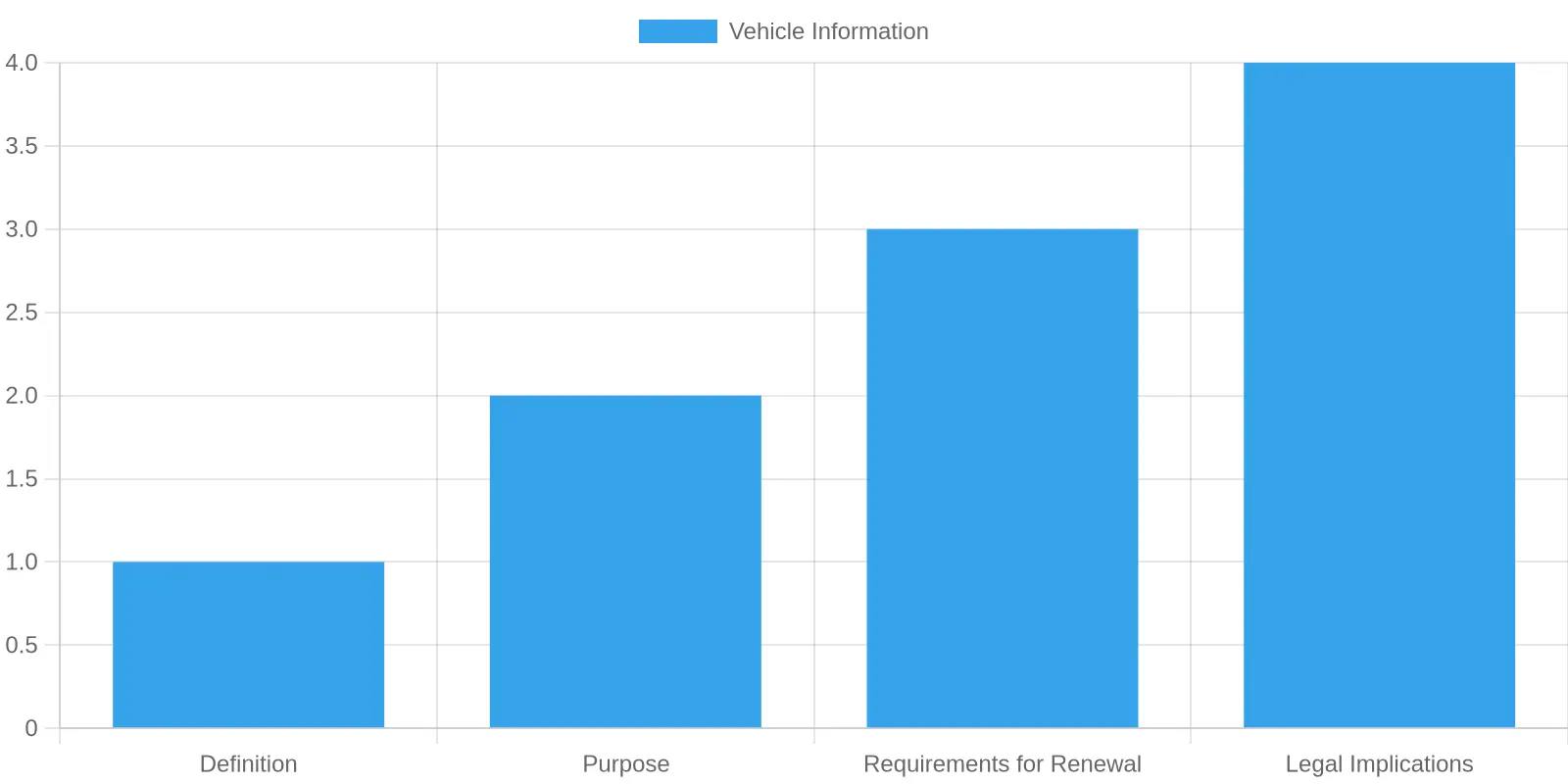
Importance of Vehicle Registration
Discover why vehicle registration and tagging are vital for legal compliance, safety, and revenue generation for governmental bodies.
Understanding Vehicle Tag Numbers vs. License Plates
When purchasing or operating a vehicle, new drivers and vehicle owners often encounter the terms “vehicle tag number” and “license plate.” While these terms are sometimes used interchangeably, they refer to distinct components of vehicle identification. Understanding their definitions and differences is crucial for compliance with laws and effective vehicle ownership.
Definitions:
Vehicle Tag Number
A vehicle tag number, often known as a vehicle registration number, is a unique identifier assigned to a vehicle upon its registration with a governmental body. This number is crucial for identifying the vehicle within state databases and can include essential information about the vehicle’s ownership and history. According to the TxDMV, the vehicle tag number is legally required for all vehicles and indicates that the vehicle is properly registered, supporting the enforcement of laws and regulations.
License Plate
A license plate, on the other hand, is a physical metal or plastic plate attached to a vehicle that displays the vehicle’s registration number and possibly other information (such as state or county) that has been issued by a state agency. It serves several critical functions, including facilitating law enforcement activities and helping with the tracking of vehicle registration. As noted by Car and Driver, license plates are mandatory for vehicles operating on public roads and provide a visible means of identification for vehicles in transit.
Key Differences:
| Aspect | Vehicle Tag Number | License Plate |
|---|---|---|
| Form | Numerical identifier stored in databases | Physical plate attached to vehicle |
| Visibility | Not visibly displayed; used in records | Clearly visible for identification purposes by law enforcement |
| Function | Primarily for governmental tracking and legal records | Identification and evidence of registration for law enforcement |
| Renewal | Generally updated upon vehicle registration renewal | Requires annual stickers or tags that indicate current registration status |
| Association | Tied to the vehicle’s history and ownership | Typically remains with the vehicle itself |
Conclusion
In summary, while both vehicle tag numbers and license plates serve to identify vehicles, they do so in markedly different ways. The vehicle tag number is utilized mainly in official databases for tracking ownership and registration status, whereas the license plate is the outward-facing identifier required by law for the vehicle’s operation. Understanding these differences can aid new drivers, vehicle owners, and dealerships in ensuring compliance with state regulations and maintaining proper documentation.
For more detailed information about vehicle regulations, learn more about state rules impacting driver licensing.

Key Functions of Vehicle Tags
Vehicle tags, also known as license plates, play a vital role for vehicle owners. Below are the key functions of vehicle tags, along with their importance:
-
Identification: Vehicle tags serve as a unique identifier for each vehicle, facilitating easy recognition by law enforcement and tracking ownership.
-
Legal Compliance: Displaying a valid vehicle tag ensures compliance with state laws, protecting owners from potential fines or legal issues.
-
Security and Theft Recovery: Vehicle tags are crucial in deterring theft and assisting in the recovery of stolen vehicles. Authority can easily trace stolen vehicles through their license numbers.
-
Traffic Regulation and Enforcement: Authorities use vehicle tags to monitor traffic violations such as speeding and parking infractions, contributing to overall road safety and regulation enforcement.
-
Vehicle History Tracking: The license plate number is linked to a vehicle’s history, which can include past accidents, ownership changes, and maintenance records, essential for resale or insurance purposes.
-
Insurance Verification: Vehicle tags help insurance companies verify details and conditions related to a vehicle, affecting premiums and claims processing.
These functions underscore the importance of maintaining valid and updated vehicle tags. Learn more about state rules impacting driver licensing to ensure compliance and understanding of regulations affecting vehicle ownership.
Comparison of Vehicle Tags and License Plates
To better understand the distinctions between vehicle tags and license plates, here is a comprehensive chart:
| Category | Vehicle Tags | License Plates |
|---|---|---|
| Purpose | Indicates registration and renewals for a vehicle | Provides unique identification for a vehicle |
| Design | Often a small sticker or decal attached to the plate | Typically a metal or plastic plate with letters/numbers |
| Issuance | Issued annually upon renewal of vehicle registration | Issued when a vehicle is registered or purchased |
| Information Displayed | Usually includes registration expiration date | Displays a unique alphanumeric identifier |
| Usage | Used to indicate compliance with registration laws | Used for identification by law enforcement and authorities |
Overview
- Vehicle Tags: These are typically stickers or decals that show the vehicle’s compliance with registration requirements. They are often attached directly to the license plate and indicate when the registration expires.
- License Plates: These serve as a unique identifier for vehicles, facilitating law enforcement identification and vehicle tracking. Plates are usually made of metal or plastic and feature a combination of letters and numbers.
For further exploration, check out MotorBiscuit’s insightful article and Dirt Legal’s detailed discussion.
Graphical Representation
Vehicle registration and the proper display of license plates and tag numbers play a crucial role in maintaining road safety and law enforcement. Understanding the legal implications surrounding these identifiers is essential for both new and seasoned vehicle owners. This section provides insight into the legal requirements of vehicle tags and license plates, including the potential consequences of improper display.
Legal Requirements for Display
-
State-Specific Regulations: Each state in the U.S. has its own regulations regarding the display of vehicle tags and license plates. Generally, vehicles must display both a front and rear license plate, although some states require only a rear plate. According to state laws, license plates should be securely fastened to the vehicle and visible from a distance. For instance, many jurisdictions mandate that tags not be obstructed by frames, covers, or any other objects that can hinder legibility.
-
Visibility and Legibility: Laws dictate that license plates should be mounted horizontally and be clearly readable at all times. The material and reflective quality of the plates are also of significant importance. Many states require that license plates meet specific durability standards, ensuring they remain visible under various weather conditions.
-
Registration Compliance: In addition to proper display, vehicle owners are required to keep their registration updated. This means renewing vehicle tags periodically as dictated by state law, which usually involves paying associated fees. Failure to register a vehicle or keep its registration current can lead to penalties.
Consequences of Improper Display
Failing to display vehicle registration tags or license plates correctly can have serious repercussions:
-
Fines and Penalties: The financial implications of improper display can vary significantly by state. Common penalties include fines for failing to display a front license plate, not renewing registration, or displaying expired plates. In many cases, fines range from $25 to $300, depending on the severity of the violation and state law.
-
Traffic Violations: Displaying an incorrectly installed or damaged license plate can count as a traffic violation. If pulled over, the driver may face immediate fines. Furthermore, if law enforcement cannot identify the vehicle due to improper display, this creates complications in cases of traffic stops or accidents.
-
Insurance Implications: An improperly displayed license plate can impact insurance coverage. For instance, if a vehicle is involved in a hit-and-run, and the offending vehicle’s plate is unreadable or missing, insurance claims can be complicated. Insurers may question the owner’s compliance with state laws, potentially leading to claims being denied.
-
Legal Liability: In the event of an accident or other legal incident, not having a proper vehicle registration display could render vehicle owners liable for additional legal consequences. This could include civil lawsuits or increased fines.
Conclusion
For vehicle owners, understanding the legal implications of displaying vehicle tag numbers and license plates is crucial. Not only does it enhance public safety, but it also safeguards against potential legal and financial repercussions. Ensuring compliance with state regulations regarding the display of license plates can prevent costly fines and provide peace of mind while driving. If you want to learn more about how state-specific rules can affect your vehicle registration, please learn more about state rules impacting driver licensing.
Keeping abreast of local requirements and understanding the severe consequences of improper license plate display is a vital part of responsible vehicle ownership. For detailed information about vehicle inspection requirements in your state, visit vehicle inspection requirements.
Understanding Vehicle Tags vs. License Plates
When it comes to vehicles, the terminology surrounding tags and license plates can often lead to confusion amongst new drivers and vehicle owners alike. A quote by legal expert Tom Kelly encapsulates this distinction well:
“Legally, a vehicle must have both a registered license plate and a tag displaying its registration status. While used interchangeably in casual conversation, in legal contexts, they serve different but equally important purposes in ensuring compliance with state laws.”
This highlights that while commonly referred to under similar terms, vehicle tags and license plates are distinct elements of vehicle registration.
- Vehicle Tag: Often refers to the registration sticker or decal that shows that the vehicle is licensed to operate on public roads.
- License Plate: A metal or plastic plate attached to the vehicle displaying a unique identification number.
For more detailed insights into how these elements are regulated, you can learn more about state rules and their impact on driver licensing. Additionally, understanding the legal implications of these terms is crucial for vehicle operation; for further information, check out this article on vehicle inspection requirements.
Understanding these distinctions can help ensure compliance with your state’s vehicle regulations, enhancing safety and legality on the roads.
Conclusion and Practical Advice for New Drivers
Vehicle tag numbers and license plates represent critical components of vehicle ownership and operation, especially for new drivers. Understanding their distinctions is vital for avoiding legal pitfalls and ensuring compliance with state regulations.
-
Legal Compliance: Each state mandates vehicle registration, which involves obtaining a unique license plate and potentially a tag number for record-keeping. New drivers should familiarize themselves with local requirements to avoid fines and ensure their vehicle is legally operable. Learn more about state rules impacting driver licensing.
-
Identification and Security: A registered vehicle is easier to identify in cases of theft or accidents. Thus, it is important for new drivers to maintain current registration status to ensure their vehicle is easily traceable.
-
Insurance Requirements: Most insurers require that vehicles be registered before offering coverage. This legal compliance protects the driver financially in the event of an accident, making it crucial for new drivers to have their vehicles properly registered.
-
Tracking and Record-Keeping: Registration creates a valuable history of the vehicle’s ownership, which is important if the driver decides to sell their car in the future. Having this information can facilitate smoother transactions and enhance transparency for potential buyers.
The transition from learner to independent driver can be daunting, but it is crucial to understand the importance of registration. For new drivers looking to equip their vehicles beyond registration, consider exploring the innovative solutions offered by Summit Fairings. Their products not only help you enhance your vehicle’s performance but also ensure you are compliant with various vehicle regulations. Don’t hesitate to discover what Summit Fairings has to offer for your vehicle today!
Are Vehicle Tag Numbers the Same as License Plates?
Understanding the terms surrounding vehicle registration is essential for all drivers. One common question among new drivers and vehicle owners is whether a vehicle tag number is the same as a license plate. The answer is nuanced, as both terms refer to different aspects of vehicle identification.
What is a Vehicle Tag Number?
A vehicle tag number, often referred to simply as a tag, is a unique alphanumeric code assigned by state authorities when a vehicle is registered. This number is critical for legal purposes, as it identifies the vehicle and connects it to its owner. The tag number is often displayed as a sticker that must be attached to the vehicle’s license plate or windshield. It typically needs to be renewed annually or bi-annually, depending on state regulations.
What is a License Plate?
A license plate, on the other hand, is a metal or plastic plate that displays the vehicle’s registration number on the exterior. The license plate is designed for public visibility, allowing law enforcement and others to identify the vehicle on the road. License plates do not usually expire unless the vehicle is sold or destroyed; instead, they remain with the vehicle across its lifespan unless changes are made.
Key Differences Between Vehicle Tag Number and License Plate
To clarify the differences, consider the following table:
| Feature | Vehicle Tag Number | License Plate |
|---|---|---|
| Definition | Alphanumeric code for vehicle identification | Public identifier for the vehicle |
| Visibility | Generally kept private | Visible on the vehicle |
| Purpose | Used for registration and legal purposes | Used for law enforcement and identification |
| Update Frequency | May change annually | Usually remains until lost or damaged |
Conclusion
While both terms are associated with the registration and identification of vehicles, the vehicle tag number serves primarily for the legal and administrative purposes of tracking registration, whereas the license plate provides visible identification for law enforcement and the public. Understanding these differences is crucial for compliance with state regulations and can help avoid legal pitfalls.
For further information on DMV requirements, you can learn more about state rules impacting driver licensing.
Comparison of Vehicle Tag Number and License Plate Characteristics
For additional insights regarding registration renewals, visit our DMV vehicle registration guidelines.