Looking Up Vehicle License Plate Numbers: An Essential Guide
In a world where vehicle ownership has skyrocketed, understanding how to look up vehicle license plate numbers has become essential for new drivers, existing vehicle owners, and auto dealerships alike. Did you know that there are millions of vehicles registered across the United States, each with its unique identifier? This often-overlooked aspect of vehicle management plays a crucial role in ensuring safety, confirming ownership, and facilitating transactions in the automotive market. For new drivers, learning how to navigate the complexities of license plate data can provide a greater sense of security and responsibility. Vehicle owners, on the other hand, may need to investigate license plate details for various reasons, such as tracking down stolen vehicles or verifying the legitimacy of a seller’s claims. Auto dealerships rely on these lookup services to ensure the vehicles they sell comply with local laws, and that they are trading in legitimate licenses. The importance of this functionality cannot be overstated; whether you are protecting your investment or ensuring a smooth car-buying experience, possessing the tools and knowledge to look up license plates is invaluable. Want to learn more about the state rules impacting driver licensing? Read on to discover how to easily access and utilize this crucial information!
Looking up a license plate number can be valuable for various reasons, whether you’re a new driver, a vehicle owner, or an auto dealership professional. Here are some primary motivations for conducting such a search:
-
Checking Vehicle History:
-
One of the main reasons to look up a license plate number is to verify the vehicle’s history. This includes determining if the vehicle has been in any accidents, if it has a clean title, or if it has been reported stolen. A comprehensive vehicle history report may include details about maintenance, past ownership, and significant incidents that could influence the vehicle’s value.
-
Platforms like Carfax provide detailed accident history and ownership changes, which are crucial for buyers wanting to avoid purchasing a car with hidden problems.
-
Ownership Verification:
-
If you’re purchasing a second-hand vehicle, verifying the ownership through the license plate can prevent potential scams. This verification ensures that the seller is the rightful owner of the vehicle, thus protecting the buyer from identity theft or fraud.
-
Licensed applications and official government websites often provide access to ownership records, ensuring a safe transaction.
-
Accident Reports:
-
In the case of an accident, looking up the license plate can yield information about the involved vehicles and any previous accidents tied to those vehicles. This information aids in assessing responsibility and determining insurance claims.
-
Knowing whether a vehicle has had any severe accidents can help potential buyers and owners assess the risks involved with that vehicle. Third-party services also compile records of past incidents associated with the vehicle linked to a specific plate number.
-
Legal and Compliance Checks:
-
Law enforcement and regulatory bodies often use license plate lookups to enforce vehicle regulations, check for outstanding violations, and ensure compliance with local traffic laws. Vehicle owners might need to verify if a license plate is associated with any penalties or traffic tickets.
-
Utilizing official platforms can provide insights into any outstanding issues linked to the license plate, including fines or unresolved recalls.
-
Identifying Previous Issues Before Purchase:
-
For potential buyers, checking the license plate can reveal vital information about past mechanical issues, safety recalls, and service history. Ensuring that you know the mechanical condition of a vehicle can prevent future costly repairs.
-
As noted by sources like Edmunds, getting a vehicle history report is essential for informed purchases, helping buyers avoid lemons-vehicles with hidden defects.
In summary, looking up a license plate number serves practical purposes in vehicle transactions, ownership verification, accident assurance, and maintaining compliance with local laws. These checks are crucial for new drivers and vehicle owners alike, ensuring that they make informed decisions relating to vehicle safety and value. For further reading on maintaining proper vehicle compliance, you can learn more about relevant rules that might affect your vehicle’s registration status and ownership rights.
By understanding the importance of license plate searches, individuals can navigate the complexities of vehicle ownership with greater confidence.
Lastly, here is a brief overview in table format of the key reasons for looking up a license plate number:
| Reason | Description |
|---|---|
| Vehicle History Check | Verify if the vehicle has been in accidents or reported stolen. |
| Ownership Verification | Ensure the seller is the legitimate owner of the vehicle. |
| Accident Reports | Access information about past accidents for liability assessment. |
| Legal Compliance Checks | Check for outstanding violations or penalties associated with the vehicle. |
| Avoiding Purchase Dilemmas | Identify potential mechanical issues or recalls before making a purchase to prevent risks. |
Methods to Look Up Vehicle License Plate Numbers
Looking up vehicle license plate numbers can be essential for various reasons, such as verifying a vehicle’s registration, resolving disputes, or purchasing a used car. Here are some common methods that you can employ:
-
State Department of Motor Vehicles (DMV): Most states provide a way for individuals to request information about a vehicle’s registration through their DMV websites. Access may require personal identification and vehicle details, such as the VIN (Vehicle Identification Number). For detailed procedures, check your local DMV guidelines. Learn more about state rules affecting driver licensing.
-
Online Databases: Some websites offer vehicle history reports, which can include information tied to a license plate number. Services like Carfax and AutoCheck require fees to access detailed reports but often provide valuable information, including accident history and title status.
-
Law Enforcement Agencies: If there are legal or safety concerns, local law enforcement can provide assistance with license plate inquiries. They can access vehicle records under legal authority.
-
Third-Party Services: Various private companies provide license plate lookup services. However, be cautious as many such services can be scams. Ensure you use reputable sites.
-
Mobile Apps: Some mobile applications allow users to check their vehicle’s license plate status by entering the necessary details. For example, state-specific DMV apps or services that aggregate vehicle data can be handy.
Legal Considerations for Looking Up Vehicle License Plate Numbers
When considering looking up vehicle license plate numbers, it’s crucial to understand the legal framework surrounding these actions. In many jurisdictions, stringent regulations govern access to this data, primarily aimed at protecting individual privacy rights.
Access Limitations
According to the National Conference of State Legislatures (NCSL), only specific entities, such as law enforcement agencies and certain government officials, are granted access to comprehensive registration details associated with license plates. In most cases, this access is allowed only for legitimate purposes, including ongoing investigations or toll collection processes. The law typically prohibits public access to such data, reflecting a robust commitment to privacy rights as seen under statutes like the California Consumer Privacy Act (CCPA).
Permissible Use Cases
The Federal Trade Commission (FTC) emphasizes that individuals or organizations may not access vehicle registration information without a valid reason. Utilizing third-party websites for such searches, unless you are involved in a legitimate transaction like purchasing a vehicle, is generally unlawful and could lead to severe penalties. Misuse for purposes such as stalking or identity theft can incur both civil and criminal repercussions, marking unauthorized license plate lookups as a significant legal risk. For more on compliance and regulations, you can learn about state rules impacting driver licensing.
Privacy Concerns
Further compounding these legal issues are the privacy risks associated with online license plate lookup tools. The Electronic Frontier Foundation (EFF) has raised alarms about many of these services operating in a legal gray area. These platforms often consolidate data from public records, which may unintentionally expose sensitive information, infringing on personal privacy expectations. The EFF urges consumers to steer clear of such services to avoid being involved in possible surveillance or privacy violations.
In summary, looking up license plate numbers entails not just technical know-how but a strong adherence to legal and ethical standards to safeguard personal privacy.
Comparative Table of Online License Plate Lookup Services
| Service Name | Features | Pricing | User Ratings |
|---|---|---|---|
| VinCheckPro | Comprehensive vehicle history, real-time market value, damage marking, photo documentation, DMV integration | $24.95 | 4.5/5 |
| AutoHistoryPro | Comprehensive vehicle history, real-time market value, damage marking, photo documentation, DMV integration | $29.99 | 4.3/5 |
| DMVDirect | Comprehensive vehicle history, real-time market value, damage marking, photo documentation, DMV integration | $19.95/month | 4.6/5 |
Overview
- VinCheckPro: Priced at $24.95, this service is favored for its comprehensive vehicle history reports, offering features like damage marking and DMV data integration. Users have rated it 4.5 out of 5.
- AutoHistoryPro: This service, costing $29.99, also provides an extensive vehicle history and is particularly popular for its accurate results and ease of use, receiving a rating of 4.3 out of 5.
- DMVDirect: At $19.95/month, this service is known for its official state DMV services, including detailed vehicle records, and has a solid rating of 4.6 out of 5.
For further information on respective services, check this comparison of VIN Check Tools.
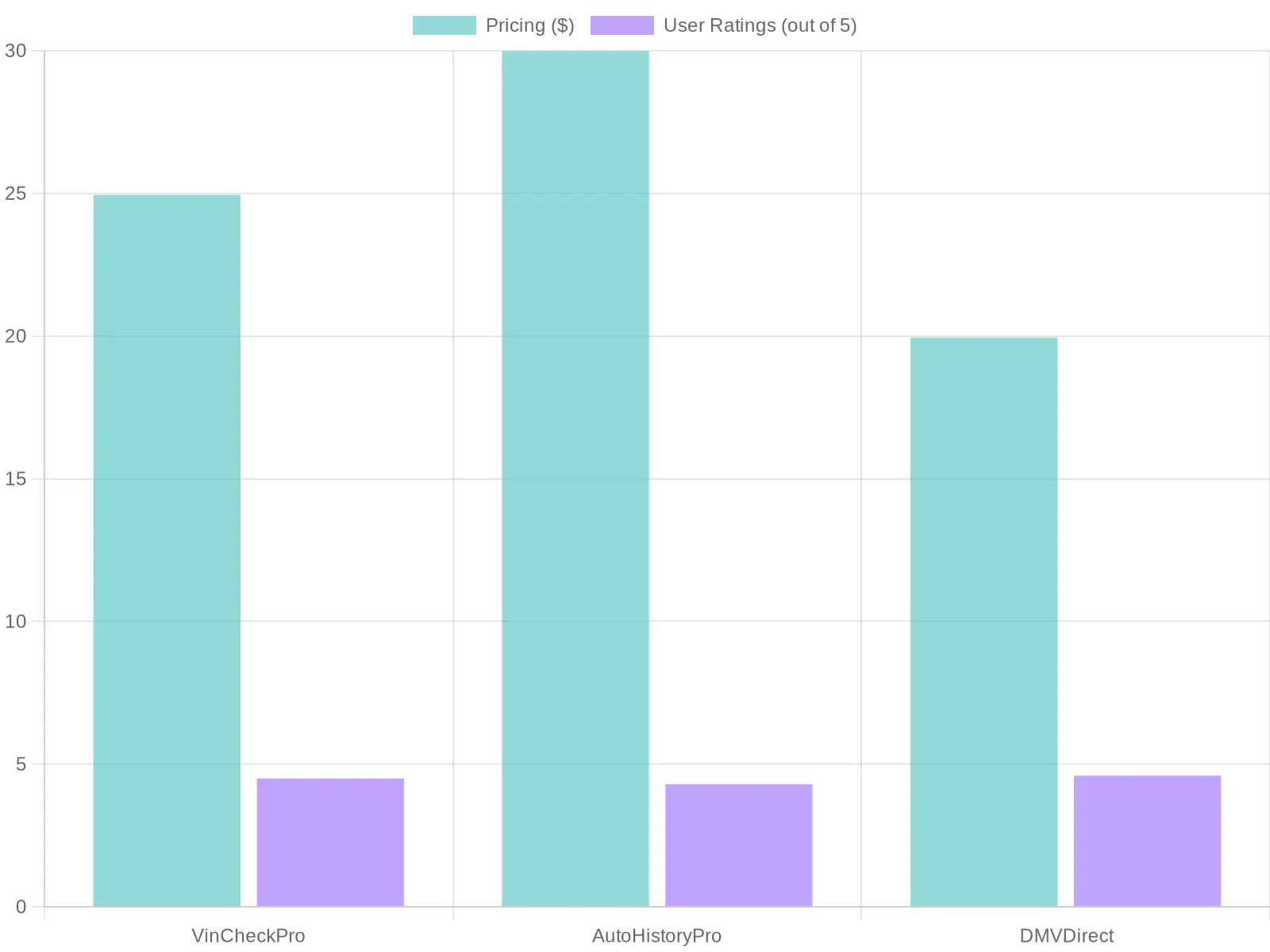
This chart visually represents the pricing and rating comparisons for the vehicle history services.
Utilizing Government Resources for License Plate Lookup
When searching for license plate information, utilizing government resources such as the Department of Motor Vehicles (DMV) and local police websites can be an effective and reliable approach. These resources are designed to provide vehicle owners and the general public with access to pertinent information while ensuring compliance with privacy laws and regulations.
DMV Websites
The DMV is one of the primary sources for license plate information. Each state’s DMV maintains official records that include vehicle registrations and ownership details. Although full access to these databases is typically restricted to authorized personnel for privacy reasons, many DMVs offer several online services to the public, including:
- Checking registration status. You can verify the status of a vehicle’s registration, including whether it is valid or has been reported stolen.
- Expiration dates. Find out when a vehicle’s registration will expire.
- Limited information lookups. Some states allow basic lookups such as checking the validity of a license plate or vehicle history by entering the license number or VIN.
For more comprehensive vehicle history reports, resources like the National Motor Vehicle Title Information System (NMVTIS) provide authoritative data for licensed entities. This ensures that searches remain within legal boundaries while safeguarding personal information.
Local Police and Law Enforcement Websites
Local police departments often have online portals where you can report a vehicle-related incident or check for stolen vehicles. They typically provide useful forms and guidance on how to proceed with a search or report:
- Incident Reporting. If you encounter a vehicle involved in an incident or suspect illegal activity, local law enforcement websites offer avenues for online reporting.
- Public Safety Information. Check advisories and databases related to stolen vehicles or reported criminal activity linked to certain license plates.
Actionable Tips for Effective Use
- Access Official Websites. Always navigate to the official state or local government websites to ensure you are getting accurate and up-to-date information.
- Be Mindful of Legal Restrictions. Familiarize yourself with the FTC and DOJ guidelines regarding the lawful access of license plate information to avoid unauthorized searches.
- Use Identification. Have the necessary identification details on hand, such as the vehicle’s VIN or your own ID, as many services require it for accessing detailed records.
Using these government resources not only helps ensure that your lookup is legal and authorized but also provides peace of mind that the information you are accessing is trustworthy.
By employing these strategies, individuals can effectively utilize government resources to look up vehicle license plate information, enhancing their awareness of vehicle ownership and related legal matters.
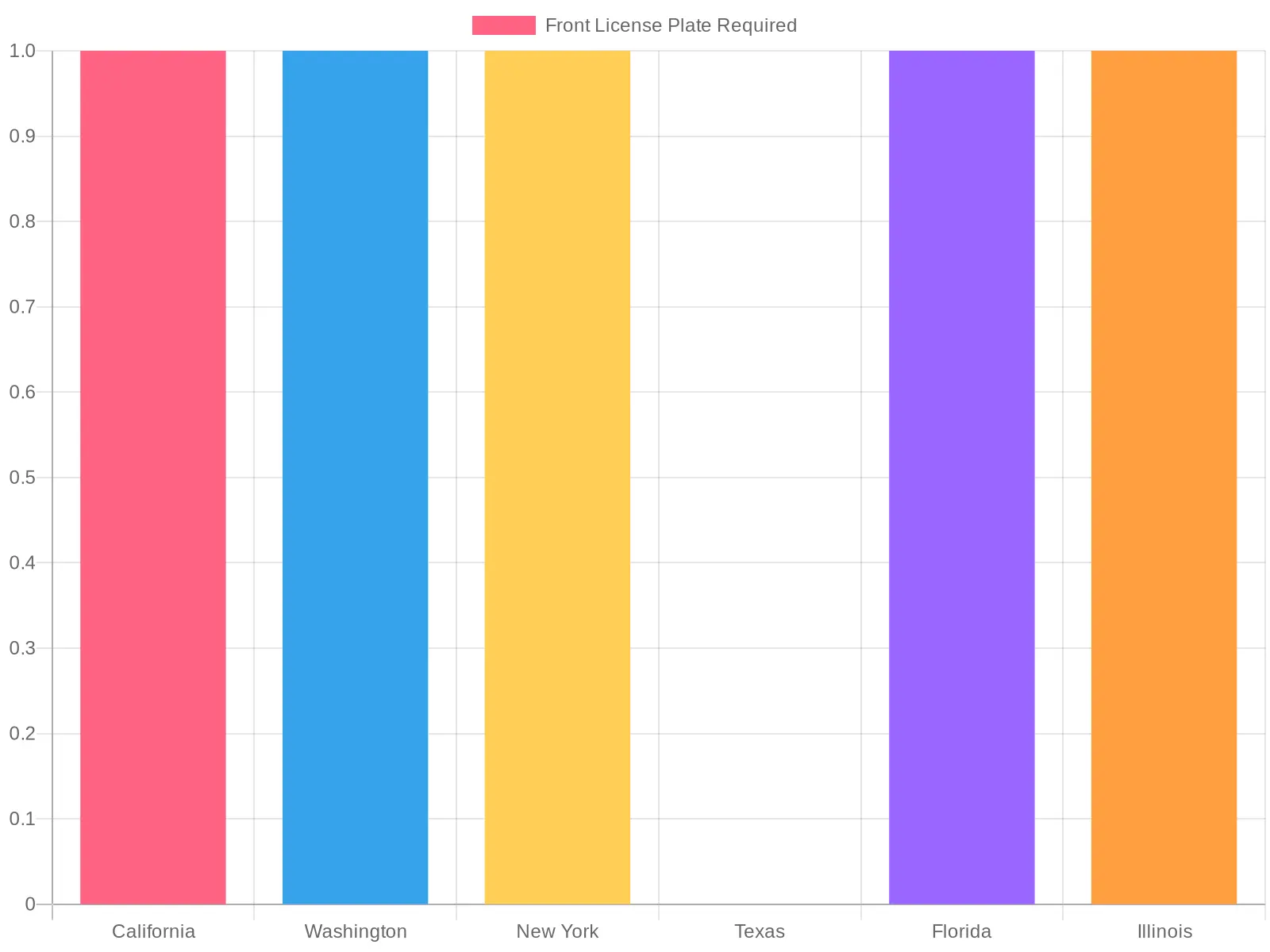
| State | Front License Plate Required? | Who Can Access License Plate Information? | Circumstances for Access | DPPA Compliance Status |
|---|---|---|---|---|
| California | Yes (since 2014) | Law enforcement, DMV staff, courts, authorized government agencies | Traffic violations, accident investigations, criminal investigations, vehicle registration verification | Fully compliant |
| Washington | Yes (since 2018) | Law enforcement, DMV employees, courts, authorized public agencies | Criminal investigations, traffic enforcement, accident reconstruction, court-ordered requests | Fully compliant |
| New York | Yes | Law enforcement, DMV personnel, courts, licensed private investigators with legal justification | Criminal and civil investigations, traffic enforcement, insurance claims, court proceedings | Fully compliant |
| Texas | No (only rear plate required) | Limited to law enforcement and DMV for official purposes | Criminal investigations, traffic stops, accident reports, court orders | Fully compliant |
| Florida | Yes | Law enforcement, DMV, courts, authorized government entities | Accident investigations, criminal cases, vehicle thefts, compliance with court orders | Fully compliant |
| Illinois | Yes | Law enforcement, DMV, courts, authorized government officials | Criminal investigations, traffic stops, accident analysis, court-ordered disclosures | Fully compliant |
Incorporating expert opinions can greatly enhance understanding and emphasize the significance of compliance when looking up vehicle license plate numbers. As emphasized by the American Society of Automotive Engineers,
“Strict adherence to regulations in vehicle license plate lookup is critical for maintaining data privacy, preventing misuse of personal information, and ensuring the integrity of law enforcement and traffic management systems.”
Unauthorized access to license plate data can lead to serious legal issues and can undermine public trust, highlighting why compliance is essential. For more insights on the impact of regulations on driver licensing, check out this resource. Additionally, understanding vehicle inspection requirements can also be crucial, as detailed here.
Conclusion
In summary, understanding how to look up vehicle license plate numbers is essential for drivers, vehicle owners, and auto dealerships alike. The process involves several methods ranging from official state systems to third-party services. Utilizing official channels, such as your vehicle’s manufacturer’s website or government services, offers the most accurate and compliant information. These methods not only help verify a vehicle’s history, including accident records and ownership changes, but also play a crucial role in handling insurance claims, traffic violations, and maintenance inquiries.
Legal considerations are paramount when accessing vehicle information. It’s essential to recognize that while many services allow for license plate lookups, the extent of information you can obtain is often governed by state and federal regulations. For example, certain sensitive details like VIN or engine numbers may be restricted to prevent misuse. Therefore, verifying the legitimacy and compliance of any service you choose is critical to avoid legal ramifications.
Moreover, having the ability to efficiently look up a vehicle’s information can result in significant advantages. Whether it’s for confirming the legitimacy of a second-hand car, processing insurance claims, or planning maintenance, proactively utilizing these methods can save time and resources in the long run. To reinforce the importance of this knowledge, consider learning more about your state’s vehicle inspection requirements or reviewing the impact of state rules on driver licensing.
As you embark on your journey of responsible vehicle ownership and driving, let this knowledge empower you. Start utilizing these methods today to take control of your driving experience, ensuring safety, compliance, and peace of mind in every journey you undertake. Ready to enhance your vehicle experience? Consider checking out Summit Fairings for high-quality automotive parts that complement your vehicle’s performance and aesthetics!