
Understanding the intricacies of Arizona vehicle license tax deductions is critical for vehicle owners, new drivers, and auto dealers alike. The Vehicle License Tax (VLT) in Arizona is levied on every vehicle at the time of registration and renewal, calculated at a set rate based on the vehicle’s value. This tax can significantly affect one’s financial obligations, thus making it essential for individuals to grasp its nuances. Notably, the deductions applicable in certain circumstances can lead to substantial savings on state and local tax liabilities. For instance, specific exemptions may apply to qualifying individuals such as veterans, further enhancing the tax benefits. Therefore, comprehending whether the Arizona vehicle license tax is deductible is not just a matter of tax compliance; it could also represent a considerable saving opportunity. In this guide, we will delve into the specifics, demystifying the tax structure and ensuring vehicle owners can navigate the process efficiently. Learn more about state rules and taxes affecting vehicle licensing.
Additionally, understanding these deductions could assist vehicle owners in making informed decisions about their tax filings and registrations. Exploring the potential benefits of Arizona vehicle license tax deductions will empower drivers with the knowledge they need to optimize their tax situations, reinforcing the importance of this often-overlooked aspect of vehicle ownership.
Understanding the Vehicle License Tax in Arizona
The Vehicle License Tax (VLT) in Arizona is a crucial aspect of vehicle ownership that every driver needs to understand. This tax, which functions similarly to a property tax, is assessed annually based on the value of the vehicle. Below are some key points to consider:
-
Purpose of the Vehicle License Tax:
The VLT is implemented to fund various state services and infrastructure projects, essential for maintaining and improving transportation systems within Arizona. -
Calculation of the VLT:
-
The VLT is not a sales tax; it is classified as a property tax specifically for vehicles.
-
It is calculated at the time of vehicle registration and is based on the vehicle’s assessed value.
-
The tax rate is set for every $100 of the assessed value of a vehicle.
-
The specific rate can vary depending on factors such as the vehicle’s age and category.
-
How is the Assessed Value Determined?
The assessed value is typically determined by the Arizona Department of Transportation and is influenced by factors like: -
The vehicle’s original manufacturer’s suggested retail price (MSRP).
-
Depreciation based on the vehicle’s age and type.
-
Implications for Vehicle Owners:
-
It’s essential for vehicle owners to factor the VLT into their annual budgeting, as it can affect overall vehicle ownership costs.
-
The VLT can be deducted on state tax filings under certain conditions, which can provide financial relief to taxpayers.
For more in-depth information on the implications of vehicle costs, you may check this article on vehicle registration in Arizona.
To understand more about how state rules may impact you, visit state rules impact on driver licensing.
Understanding the Vehicle License Tax is vital for anyone involved in driving or owning a vehicle in Arizona.
Comparison of Vehicle License Tax Rates in Arizona
The following table summarizes the Vehicle License Tax (VLT) rates for different classes of vehicles in Arizona for the year 2023:
| Vehicle Class | VLT Percentage (2023) |
|---|---|
| Passenger Cars | 0.65% |
| Trucks | 0.85% |
| Motorcycles | 0.25% |
| Electric Vehicles | 0.15% |
For more detailed information regarding vehicle registration and possible exemptions, you can check the Arizona Department of Transportation or explore vehicle tax deductions and exemptions.
Tax Deductibility Criteria
Understanding the tax deductibility of vehicle license taxes can be essential for both individual vehicle owners and businesses alike. Here’s a breakdown of the criteria that determine when vehicle license taxes can be considered deductible on federal and state tax returns.
Federal Regulations
According to the Internal Revenue Service (IRS), only the portion of vehicle registration fees that can be classified as personal property taxes is deductible. This is specified under IRS guidelines, which treat these as a deductible expense when itemizing deductions on Schedule A. For instance, if a registration fee contains charges based solely on the vehicle’s value, then that portion can be claimed.
For example, in California, the vehicle registration fee includes an element based on the vehicle’s value, and taxpayers may deduct up to $90. In contrast, in Arizona, only that portion of license fees that is deemed attributable to highway usage is deductible, with limits typically around $50 (as noted by IRS acknowledgments).
State Guidelines
Different states enforce their own rules surrounding vehicle license tax deductibility. Here’s a brief overview of some states relevant to vehicle owners:
| State | License Tax Deductibility | Example Value | Source |
|---|---|---|---|
| California | Yes | Up to $90 | IRS |
| Arizona | Yes | Up to $50 | IRS |
In Florida, for example, only the part of the fee associated with the value of the vehicle qualifies as a deduction, while Georgia restricts deductions to specific fees associated with the vehicle registration process.
Conclusion
To maximize deductions and ensure compliance with all IRS and state regulations, vehicle owners should maintain detailed records of registration fees and review state-specific tax guidelines. For further insights into how different regulations can impact your vehicle ownership, consider exploring state rules that impact driver licensing. By understanding the nuances of these guidelines, drivers can effectively manage their tax burdens.
Implications for Different Audience Segments
The deductibility of the Vehicle License Tax (VLT) in Arizona carries distinct implications for various audience segments, including new drivers, existing drivers, vehicle owners, and auto dealerships. Here’s a breakdown of how each group is affected:
New Drivers
- Budget Management: New drivers may find vehicle expenses overwhelming. The inability to deduct VLT could make upfront costs seem higher, impacting their financial planning.
- Incentives for Vehicle Purchase: Knowing that VLT is not deductible may discourage new drivers from investing in more expensive vehicles, as they would be bearing the full weight of the tax.
- Educational Resources: New drivers should seek guidance on budgeting for vehicle costs, including tests like those discussed in this article on CDL implications.
Existing Drivers
- Ongoing Costs: Existing drivers will continue to pay VLT without the benefit of deductibility on personal income tax. This could impact those on fixed incomes or with limited budgets.
- Budget Planning: Awareness of non-deductibility encourages existing drivers to plan their budgets more carefully, potentially leading to a reassessment of vehicle ownership.
- Leverage Tax Credits: Existing drivers should explore other avenues for tax savings, as VLT may not offer relief; options may include deductions on business-related travel.
Vehicle Owners
- Asset Value Consideration: Vehicle owners need to understand how the VLT impacts the overall cost of ownership. Non-deductibility could affect their decisions on maintaining, upgrading, or selling vehicles.
- Market Awareness: Understanding the non-deductibility can provide insights into market trends, as vehicle pricing and demand can shift when buyers assess total costs.
- Tax Strategy Development: Owners should consult tax advisors to create a comprehensive tax strategy that includes compliance with State Vehicle Tax Regulations.
Auto Dealerships
- Sales Strategy Adjustment: Dealerships may need to adjust their sales strategies based on consumer awareness of VLT non-deductibility. Promoting lower-cost vehicles or tax incentives could become critical in marketing.
- Customer Education: Educating customers about the implications of VLT and financing options can enhance customer experiences and drive sales at dealerships.
- Impact of Regulatory Compliance: Dealerships must stay updated on any changes in tax law regarding VLT deductibility to provide accurate information and remain compliant with tax laws affecting them and their consumers.
In conclusion, the implications surrounding the deductibility of the Vehicle License Tax in Arizona affect each audience segment differently. Awareness and strategic planning are key for new drivers, existing drivers, vehicle owners, and auto dealerships as they navigate these financial considerations.
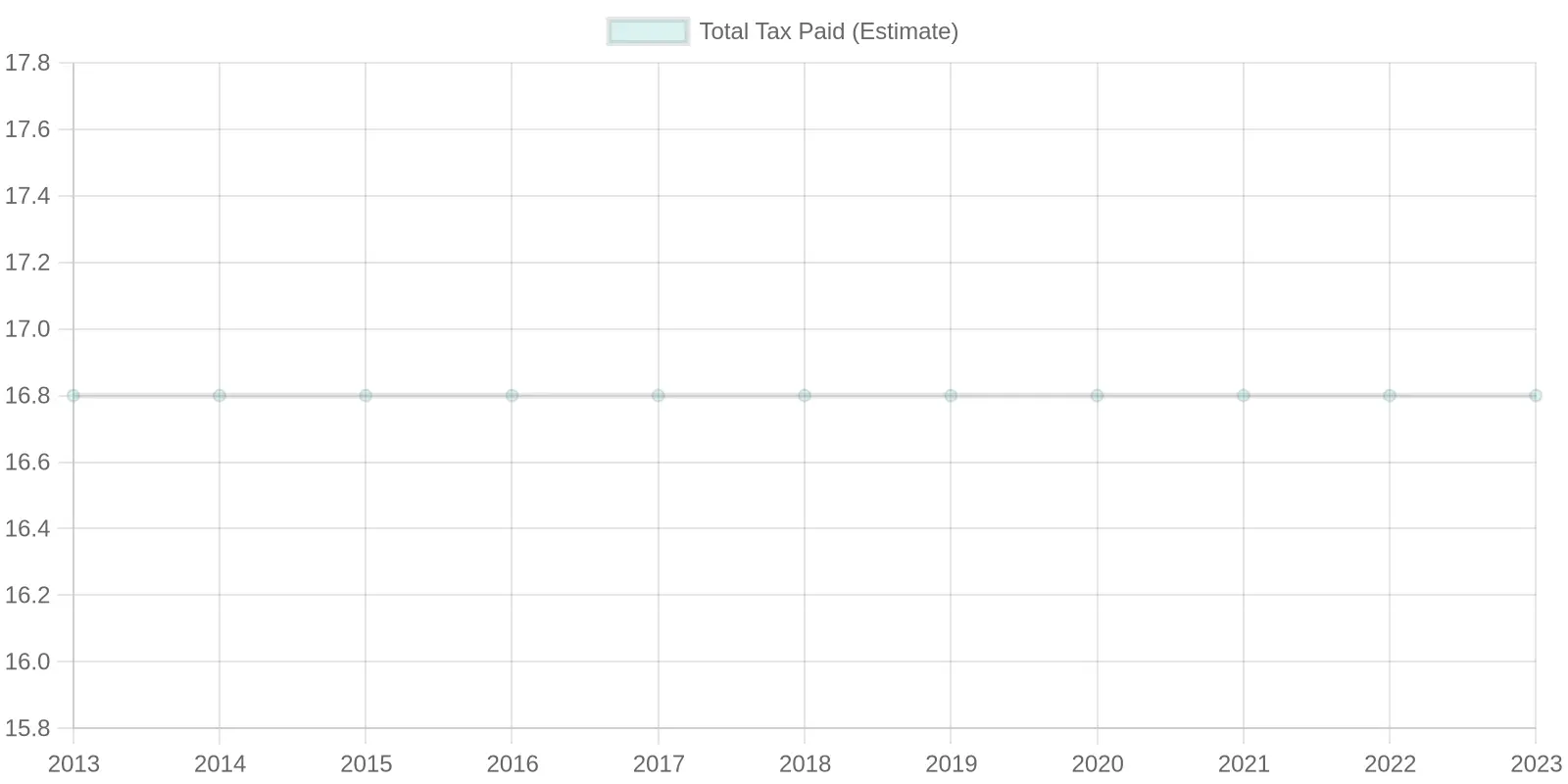
Arizona Vehicle License Tax Trends Over the Past Decade
-
The chart illustrates the constancy in Arizona’s Vehicle License Tax (VLT), which has remained at approximately $2.80 per $100 of assessed value over the last decade.
-
Implications: The stability of the tax rate suggests that vehicle owners in Arizona have a predictable expense related to vehicle licensing, which is based on 60% of their vehicle’s assessed value. This predictability can be beneficial for budgeting and financial planning for vehicle owners.
“Understanding the nuanced deductibility of vehicle-related expenses-such as registration and sales tax-is essential for maximizing tax benefits. Not every cost is deductible, and accurate records can make all the difference during tax time.”
In Arizona, it’s important for vehicle owners to know what aspects of vehicle licensing can be deductible. While vehicle license taxes may generally not be deductible on personal expenses, certain fees related to business use can be, enhancing the financial efficiency of vehicle ownership. For further insights on how state rules can impact vehicle licensing, learn more here.
Conclusion
Understanding the vehicle license tax deductibility in Arizona is not just a matter of good financial practice; it is essential for vehicle owners aiming to maximize their tax benefits. The Vehicle License Tax (VLT), which is determined based on the assessed value of your vehicle, has the potential to lead to significant savings when properly accounted for during tax season. By realizing that a portion of this tax is deductible, taxpayers can effectively lessen their financial burden and allocate savings to other vital expenses.
In 2023, Arizona’s vehicle owners have the opportunity to make the most of their deductions, yet many remain unaware of the nuances involved in claiming them. Review and understand the deductions available to you, as this knowledge can lead to substantial savings. Moreover, as tax laws can change, staying informed is crucial.
To take effective action regarding your taxes, consider consulting with a tax professional or visiting resources like the Arizona Department of Transportation for the latest updates on tax deductibility. Being proactive about your vehicle license tax could mean the difference between a hefty tax bill and a healthier bottom line. Don’t miss out on these possible savings!
Take Your Motorcycle to the Next Level!
Are you ready to revamp the look of your motorcycle? At Summit Fairings, we specialize in providing customized fairings that can elevate your bike’s appearance while also enhancing its aerodynamics. Whether you want a sleek design or vibrant colors, our fairings allow you to express your personality on the road.
Don’t miss out on transforming your ride! Explore our range of customizable options today and see how simple it is to give your motorcycle the stunning makeover it deserves!