
Understanding Vehicle Registration vs. License Plate Renewal
Navigating the world of driving and vehicle ownership can feel overwhelming, especially for new drivers and vehicle owners. As you’ve probably already discovered, there’s a lot more to driving legally than simply getting behind the wheel. One critical aspect that often causes confusion is the difference between vehicle registration and license plate renewal. While they may sound similar, each serves a distinct function in ensuring that your vehicle is roadworthy and compliant with state regulations.
Vehicle registration is the official process that provides proof of ownership and assigns a unique identifier to your vehicle – essentially, it’s what makes you the legal owner. In contrast, license plate renewal is the annual process that keeps your vehicle’s tags updated and legally valid for the road. Understanding these differences can save you from incurring fines and enhance your overall driving experience. So, whether you’re a new driver eager to hit the road, or a seasoned vehicle owner looking to brush up on your knowledge, grasping the nuances of these processes is essential to maintaining your vehicle’s legal standing. Let’s delve deeper into the specifics and clarify these often-misunderstood terms as we guide you through what you need to know about registration and renewal, including the potential impacts of state rules on driver licensing. learn more about state rules
What is Vehicle Registration?
Vehicle registration is a crucial legal process that links a vehicle to its owner, providing a clear record of ownership for governmental and regulatory purposes. This process is typically mandated by state laws and serves multiple functions, including aiding in taxation, confirming ownership, and ensuring that vehicles on the road meet specific safety and emissions standards.
Purpose of Vehicle Registration
-
Ownership Documentation: Registration acts as a legal certificate proving that an individual owns the vehicle. This is essential in disputes regarding ownership or vehicle details.
-
Taxation: Governments use registration to collect necessary revenue through taxes. These can come in the form of annual fees required for keeping the vehicle registered.
-
Safety and Compliance: Registration ensures that vehicles comply with safety and environmental regulations, which may include emissions tests or safety inspections. This commitment helps reduce accidents and promotes public safety.
-
Fraud Protection: By maintaining a registry of vehicles, authorities can track stolen or abandoned vehicles, providing a safeguard against vehicle fraud and theft.
-
Law Enforcement: Registration data serves as a resource for law enforcement agencies, facilitating tracking in instances of criminal activity or vehicle recovery.
-
Insurance Verification: Many states require proof of insurance during the registration process to ensure that all vehicles on the road are covered in case of accidents.
Required Information for Registration
When registering a vehicle, the following information is typically needed:
- Proof of Ownership: Such as a bill of sale or vehicle title.
- Identification: A driver’s license or state ID for the individual registering the vehicle.
- Proof of Insurance: Documents proving that the vehicle is insured, often with specified coverage amounts.
- Vehicle Information: Details such as the vehicle identification number (VIN), make, model, and year of manufacture.
- Payment for Fees: Most states require a fee at the point of registration which can vary by state and type of vehicle.
Useful Insights for New Drivers and Vehicle Owners
For new drivers and vehicle owners, understanding the vehicle registration process is pivotal. Engaging in proper registration helps prevent potential legal issues and ensures seamless vehicle operation on public roads. Also, it’s essential to stay updated on registration renewal dates and requirements, as they can vary significantly by state. For further insights into the impact of state regulations on driver licensing, you might consider learning more about state rules.
Additionally, if you’re interested in understanding vehicle inspection requirements across the U.S., check out our article on vehicle inspection requirements.
Following the correct registration procedures not only enhances safety but is also a critical step in securing personal and legal rights as a vehicle owner.
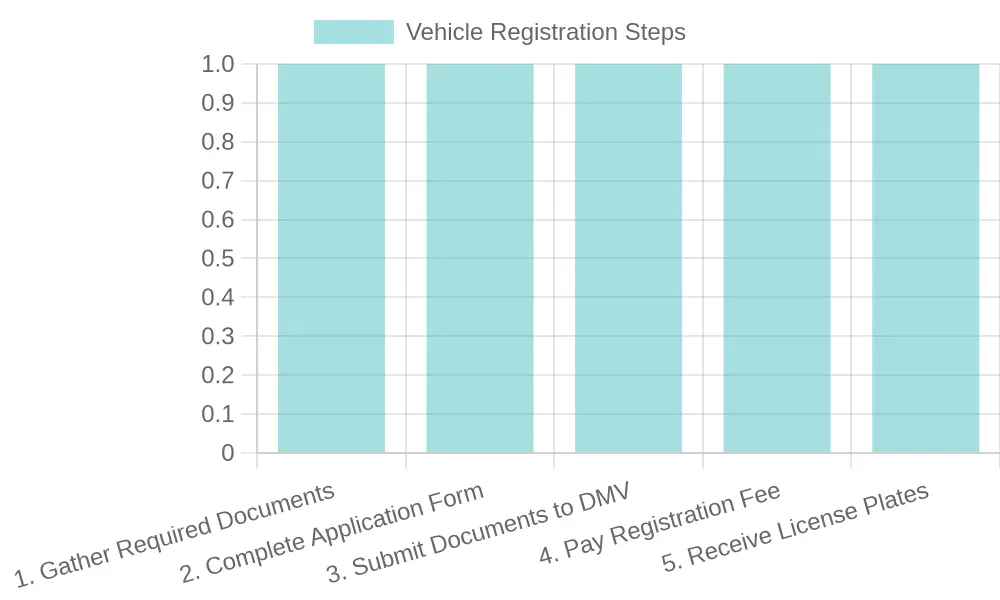
What is License Plate Renewal?
What is License Plate Renewal?
License plate renewal is the process through which vehicle owners extend the validity of their license plates for a specific period, typically a year. This procedure is crucial as it ensures that the vehicle can legally operate on public roads. The renewal process often requires the payment of a fee and may necessitate certain documentation, such as proof of insurance and, in some cases, proof of vehicle inspection depending on state laws.
The importance of license plate renewal cannot be understated in the overall vehicle ownership process. Renewing your license plates helps prevent any legal complications that could arise from driving with expired plates. It also showcases that the owner is responsible and compliant with local laws, thus contributing to overall vehicle registration integrity. Failure to renew can lead to penalties including fines and legal issues, which could ultimately affect insurance rates or even lead to vehicle impoundment.
Differentiating License Plate Renewal from Vehicle Registration
While often confused, license plate renewal and vehicle registration are not the same processes. Vehicle registration is the initial process of registering a newly purchased vehicle with the state, which includes obtaining license plates, and also encompasses maintaining records related to the vehicle and its owner with the motor vehicle department. This process typically involves a one-time fee and the submission of required documents like the vehicle title, proof of identity, and proof of residence.
After the initial registration, vehicle owners must periodically renew their vehicle registration, which can include renewing the license plates as part of the overall registration process. In contrast, license plate renewal refers specifically to extending the usage of the plates themselves, which may sometimes occur independently of other registration renewals depending on local regulations. For instance, some states might allow for a temporary license plate while awaiting full registration renewal.
To fully grasp these processes and their implications, vehicle owners can refer to resources such as state motor vehicle services and renewal requirements in specific states. Understanding these distinctions is essential for new drivers, learners, and existing vehicle owners to ensure compliance and avoid unnecessary penalties.
Comparing Vehicle Registration and License Plate Renewal
Understanding the differences between vehicle registration and license plate renewal is crucial for all vehicle owners. Below is a table that summarizes the key differences regarding the process, frequency, and documentation required for each.
| Aspect | Vehicle Registration | License Plate Renewal |
|---|---|---|
| Definition | Registering a vehicle with the state to obtain a title and the right to operate it on public roads. | Renewing the validity of the vehicle’s license plate. |
| Frequency | Usually required annually or bi-annually, depending on the state. | Typically required annually before the expiration date of the current plate. |
| Documentation Required | – Proof of ownership (title or bill of sale) |
- Proof of identity
- Payment of registration fees
- Inspection proof (in some states) | – Current registration
- Emissions test (if applicable)
- Payment of renewal fees
- Proof of insurance (state-specific) |
| Process | – Submit required documents at the DMV or online - Pay fees
- Obtain registration card and plates. | – Submit renewal application (online or in-person)
- Pay renewal fees
- Receive updated stickers or new plates, if required. |
| Consequences of Delay | Can lead to fines, penalties, or legal consequences for driving an unregistered vehicle. | Potential fines or legal issues for driving with an expired license plate. |
Additional Resources
- For more on understanding state rules impacting driver licensing, please check our linked resource.
- If you’re interested in learning about specific vehicle inspection requirements, visit the aforementioned page.
Understanding these differences can help you ensure timely compliance and avoid potential penalties when managing your vehicle.
Significance of Keeping Vehicle Registration and License Plate Renewals Current
Maintaining vehicle registration and license plate renewals is essential for several reasons, primarily related to legal compliance and road safety. As an automotive expert emphasized:
“Proper vehicle registration is not just a legal necessity; it’s an essential step in ensuring road safety. Vehicles that are not registered may be non-compliant with safety and emissions standards, potentially putting all road users at risk.”
- John Smith, Automotive Safety Expert
Timely renewals can help avoid fines, penalties, and potential legal complications. Moreover, being up-to-date with these requirements ensures vehicles remain compliant with safety regulations. According to a DMV Central article, compliance with state laws is pivotal to maintaining a vehicle’s legal operational status and contributes significantly to overall road safety.
Thus, staying informed about registration and renewal deadlines is crucial for all vehicle owners, ensuring not just compliance but also safety on the roads. In case of any queries or further clarifications about vehicle registrations, vehicle owners can learn more about state impacts on driver licensing to understand the broader implications better.
Conclusion
Keeping vehicle registrations and license plates current is more than an administrative task; it is a commitment to safety and compliance. Whether you are a new driver, an existing driver, or a vehicle owner, understanding the implications of registration and renewal is vital for responsible vehicle management.
Frequently Asked Questions (FAQs)
Vehicle registration and license plate renewal can often confuse new drivers and vehicle owners. Here are some common questions and answers that can clarify the differences and processes involved.
1. Is vehicle registration the same as license plate renewal?
Answer: No, vehicle registration and license plate renewal are two distinct processes. Vehicle registration is the initial process when you get your car registered with the state’s Department of Motor Vehicles (DMV), which includes issuing a license plate number. License plate renewal, however, occurs when the validity of your current license plate expires and you need to extend its validity. Typically, these renewals happen annually or biannually, depending on state laws.
2. How often do I need to renew my vehicle registration?
Answer: The frequency of vehicle registration renewal often varies by state. Most states require vehicle registration renewal every one to two years. New drivers can check their state’s regulations by visiting state-specific DMV websites.
3. What documents do I need for vehicle registration or license plate renewal?
Answer: Generally, you will need:
- Proof of vehicle ownership (e.g., title or bill of sale)
- A valid driver’s license or ID
- Proof of insurance
- Payment for any applicable fees
Document requirements can differ between states, so check your local DMV’s registration guidelines.
4. Can I renew my vehicle registration online?
Answer: Yes, many states offer online renewal services. You can typically complete the process through the DMV’s official portal, provided you have the necessary documents and meet eligibility requirements. For example, Florida residents can visit the MyDMV Portal for online renewal options.
5. What happens if I don’t renew my registration on time?
Answer: Failing to renew your vehicle registration on time may incur late fees or penalties, and you may also be unable to legally operate your vehicle until the registration is renewed. Some states may apply additional consequences, such as vehicle impoundment.
6. How do I check the status of my vehicle registration?
Answer: You can check the status of your vehicle registration online by visiting your state’s DMV website. For instance, the Pennsylvania DMV has a section for checking registration status and frequently asked questions.
7. Are there different rules for commercial vehicles?
Answer: Yes, commercial vehicles often have different registration and renewal rules compared to personal vehicles. Commercial driver’s licenses (CDLs) may require additional certifications, inspections, and fees. For detailed requirements, interested parties can explore information on CDL regulations at Driver’s License Process.
Conclusion
Understanding vehicle registration and license plate renewal is crucial for maintaining compliance with state laws. If you have more questions, check your local DMV’s official website or consult resources that can guide you through the process.
Conclusion and Call to Action
In summary, while vehicle registration and license plate renewal may sound similar, they serve distinct purposes in the management of vehicle ownership and compliance with state laws. Vehicle registration is a legal requirement that confirms ownership and ensures safety regulations are met, while license plate renewal focuses on maintaining a current and valid means of identification for the vehicle on the road. As motorcycle registrations have steadily increased-from 4.3 million in 2002 to approximately 8.8 million in 2023-it emphasizes the growing interest and importance of understanding these processes for both new and seasoned drivers alike.
For more detailed insights into regulations and requirements, you can explore our resources on state rules impacting driver licensing and keep updated with licensing and registration trends.
If you are a motorcycle enthusiast or owner, resources like Summit Fairings offer a wealth of information and products to enhance your riding experience. From quality fairings to expert advice, they are committed to ensuring your motorcycle is both stylish and safe. Visit Summit Fairings today to explore how they can assist you in achieving your motorcycle goals!