
When it comes to vehicle ownership, many new and existing drivers often find themselves confused by the difference between vehicle registration and license plates. Are these two concepts synonymous, or do they serve distinct purposes in the realm of automobile regulations? Understanding this distinction is crucial for numerous reasons. For new drivers, clarity on vehicle registration and license plates is imperative for compliance with local laws and avoiding potential fines. Existing drivers, on the other hand, may benefit from a deeper knowledge of these terms as vehicle regulations can change and impact insurance considerations, resale value, and legal responsibilities.
In this article, we will explore the nuances between vehicle registration and license plates, shedding light on their respective roles and significance. Additionally, we will provide insights that can help drivers, whether seasoned or novice, navigate the complexities of vehicle ownership responsibly. From defining terminology to outlining the registration process, we aim to equip you with essential knowledge for a smooth driving experience. Learn more about state rules that impact driver licensing here and discover the vehicle inspection requirements across US states.
Understanding Vehicle Registration
Vehicle registration is a crucial aspect of owning and operating a vehicle, providing legal proof that a vehicle is officially recorded with the state. The purpose of vehicle registration is to ensure that all vehicles meet local road safety regulations and are properly insured, facilitating accountability on public roads.
The Purpose of Vehicle Registration
- Legal Compliance: Registration is mandatory in most jurisdictions, ensuring that vehicles are recognized by governmental authorities. This helps in maintaining public safety and adherence to traffic laws.
- Proof of Ownership: Registration serves as vital documentation of ownership, protecting the rights of the vehicle owner and providing a legitimate claim if the vehicle is lost or stolen.
- Insurance Verification: It confirms that the vehicle is insured, which is a requirement for legal driving and helps in managing the risk associated with vehicle operation.
- Tracking and Enforcement: Law enforcement agencies utilize registration data to track vehicles involved in crimes or accidents, contributing to overall public safety and crime prevention.
The Registration Process
The vehicle registration process typically involves several key steps:
| Step Number | Step Description |
|---|---|
| 1 | Choosing a vehicle |
| 2 | Obtaining necessary documents (title, bill of sale) |
| 3 | Getting insurance |
| 4 | Submitting application to DMV or local authority |
| 5 | Payment of fees |
| 6 | Receiving registration and license plates |
The process may vary by state, but generally follows these outlined steps. To better understand the registration process, you can refer to useful resources such as state rules impacting driver licensing and vehicle inspection requirements across U.S. states.
Importance of Vehicle Registration
- Enhances Safety: Ensuring vehicles are registered helps keep unsafe vehicles off the road, as it typically requires passing state inspections.
- Supports Road Maintenance: Registration fees often contribute to state funds used for road maintenance and improvements, providing a direct benefit to all drivers.
- Facilitates Insurance Claims: In the event of an accident or theft, having a registered vehicle simplifies the claims process with insurance companies.
In summary, vehicle registration is not just a bureaucratic requirement; it’s an essential part of vehicle ownership that benefits not only the individual but society as a whole by ensuring that vehicles on the road are accounted for and compliant with regulations. For more insights into related processes, explore topics on vehicle inspection requirements.
Understanding License Plates
License plates are metallic or plastic tags affixed to vehicles, serving primarily as a means of identification on public roads. Each plate is unique to the vehicle it is assigned to and includes a specific combination of letters and numbers that allows authorities to track and register vehicles in a systematic manner.
Functions of License Plates
- Identification: The primary function of a license plate is to provide a unique identifier for each vehicle, which helps law enforcement and other relevant authorities to monitor and regulate vehicle ownership and usage.
- Legal Requirement: In most jurisdictions, having a license plate is mandatory for any vehicle used on public roads. This is part of the legal framework governing vehicle operation and ownership.
- Proof of Registration: License plates typically signify that a vehicle is registered with the state or country’s vehicle authority, indicating compliance with local laws.
- Toll Collection and Surveillance: Some regions utilize license plates for automated toll collection and traffic surveillance systems, allowing for efficient monitoring of road usage.
Legal Aspects
License plates are not merely identifiers; they carry legal significance. The state or governing body issues them as part of the vehicle registration process. Vehicle registration involves the detailed recording of vehicle specifications, ownership, and document verification to ensure that all vehicles on the road comply with legal requirements, such as safety and emissions standards. Unlike license plates, which are the physical artifacts displayed on vehicles, registration is an administrative process.
Distinctions from Vehicle Registration
While both license plates and vehicle registration are intertwined, they serve different purposes:
- License Plates: Physical labels/devices attached to vehicles.
- Vehicle Registration: Administrative documentation that records details about the vehicle and its owner, often requiring paperwork and adherence to specific state guidelines. For more on vehicle registration protocols, you can explore more here.
Understanding these distinctions and requirements helps new drivers, existing vehicle owners, and auto dealerships comply with the laws governing vehicle usage. With proper knowledge of both, one can navigate the complexities of vehicle ownership more effectively.
| Aspect | Vehicle Registration | License Plates |
|---|---|---|
| Definition | Official record of a vehicle with the state. | Metal or plastic tags identifying the vehicle. |
| Legality | Required by law to operate a vehicle. | Required by law for vehicle identification. |
| Renewal Frequency | Annually or biennially, depending on state laws. | Usually aligned with registration renewal. |
| Fees | Varies by state, vehicle type, and age (e.g., California charges a base fee of $60). | Typically a one-time fee for issuance; renewal fees vary. |
| Purpose | Ensures the vehicle is legally owned and safe. | Acts as proof of registration and serves law enforcement. |
| Associated Documents | Registration certificate, proof of ownership. | Registration sticker (if applicable) and plate number. |
| Transferability | Must be updated with new ownership or address. | Must be updated or reissued when sold or transferred. |
Navigating the world of vehicle registration and license plates can be overwhelming for new drivers. Misunderstandings about these processes are common and can lead to confusion and potential legal issues. Here, we clarify several misconceptions surrounding vehicle registration and license plates that new drivers and vehicle owners should be aware of.
Misconception 1: Vehicle Registration and License Plates Are the Same Thing
A prevalent myth among new drivers is that vehicle registration and license plates are interchangeable terms. However, this is not the case. Vehicle registration is the process of registering your vehicle with the state government, making it legal to drive on public roads. This includes providing the necessary documentation and paying applicable fees. In contrast, license plates are the physical tags issued by the state that identify your vehicle. The license plate serves as the public identifier for registered vehicles and must be displayed correctly on your vehicle.
The distinction is crucial because having a license plate does not mean your vehicle is properly registered. A vehicle can have plates but be unregistered, leading to fines or legal issues. For a deeper understanding of the difference, check out this detailed explanation.
Misconception 2: Once Registered, a Vehicle Is Always Registered
Another common misconception is that once a vehicle is registered, it remains registered indefinitely. In reality, vehicle registration must be renewed periodically, usually annually or biannually, depending on state regulations. If a vehicle’s registration expires, it can lead to penalties, fines, and difficulties in legally operating the vehicle. Vehicle owners are often surprised to find they must renew their registration to avoid legal trouble and ensure that they are compliant with local laws.
Misconception 3: Driving with Expired Registration Is Tolerable for a Grace Period
Many new drivers believe there is a grace period for driving with expired registration. This is a dangerous assumption, as driving with expired registration is illegal in most jurisdictions. Law enforcement officers commonly issue citations for expired registrations, and continuing to operate such a vehicle could lead to more severe repercussions. Timely renewal of registration is essential to avoid such issues.
Misconception 4: Registration Fees Are a One-Time Payment
Some vehicle owners may think that registration fees are a one-time expense. However, registration typically incurs regular fees that vary by state and vehicle type. These fees can change depending on several factors, including vehicle age, weight, and emissions. Understanding these ongoing costs can help vehicle owners budget appropriately and avoid unexpected financial burdens later.
Misconception 5: Only the Owner Needs to Register the Vehicle
Lastly, numerous new drivers incorrectly assume that only the vehicle’s owner is responsible for registration. If someone else is driving or financing the vehicle, it is still critical that they know the registration responsibilities that may fall on them. This is especially relevant for leased vehicles or when ownership is under an LLC or business structure.
Conclusion
It is vital for new drivers and vehicle owners to understand the realities of vehicle registration and license plates to avoid potential legal issues. By dispelling these common myths, drivers can better navigate their responsibilities and ensure compliance with their state’s vehicle regulations. For more insights on how state rules impact driver licensing, learn more here.
As you embark on your driving journey, staying informed about these intricacies will not only enhance your driving experience but also promote safer roads for everyone.
The Importance of Vehicle Registration Distinct from License Plates
Vehicle registration plays a crucial role in road safety, legal compliance, and public administration. Unlike license plates, which serve merely as identification, vehicle registration encompasses a broader array of responsibilities for vehicle owners and provides valuable information for law enforcement and regulatory bodies.
“Vehicle registration is a vital process for establishing ownership and documenting vehicles for public safety and regulatory purposes.”
We can break down the significance of vehicle registration into several key points:
Key Points about Vehicle Registration:
- Ownership Documentation: Vehicle registration verifies the ownership of the vehicle and links it to the individual or business.
- Safety and Accountability: It helps in tracking down stolen vehicles and serves as a crucial tool for law enforcement during accidents or criminal investigations.
- Legal Compliance: Registration is typically mandated by state law, ensuring vehicles meet the necessary legal requirements to operate on public roads.
- Tax Collection: Governments use vehicle registration to collect fees and taxes that contribute to public infrastructure and safety.
By understanding the difference between vehicle registration and license plates, drivers can better appreciate the regulatory framework designed to keep our roads safe. This distinction is essential for new drivers and seasoned vehicle owners alike.
Frequently Asked Questions (FAQ) on Vehicle Registration and License Plates
1. What is vehicle registration?
Vehicle registration is the process of officially recording a vehicle with a government authority, such as the DMV in your state. This process typically includes providing information about the vehicle, paying necessary fees, and obtaining a license plate.
2. How does vehicle registration differ from a license plate?
Vehicle registration signifies the legal recognition of a vehicle by the state, while a license plate is a physical identifier that is attached to the vehicle. The license plate is issued as part of the registration process. For a detailed explanation about these concepts, you can visit this resource by the Washington State Department of Licensing.
3. Why is vehicle registration necessary?
Vehicle registration is essential as it establishes ownership and is legally required for operating a vehicle on public roads. Without registration, a vehicle cannot be legally driven.
4. What documents are required for vehicle registration?
Typical requirements for vehicle registration include:
- Proof of identity (such as a driver’s license)
- Proof of residency
- Title or bill of sale for the vehicle
- Proof of insurance
- Payment for registration fees
5. How often do I need to renew vehicle registration?
Most states require vehicle registration to be renewed annually or biennially. Specific renewal periods can vary by state, so it’s advised to check with your local DMV.
6. What happens if I drive without registration?
Driving without valid registration can lead to fines, penalties, and potential legal repercussions. It’s crucial to ensure that your vehicle is registered to avoid any legal issues.
7. Can I drive with temporary registration?
Yes, temporary registrations are generally issued to allow you to operate a vehicle legally while waiting for permanent registration. However, ensure you are aware of the terms and validity period.
8. Where can I find information about vehicle inspection requirements?
You can learn more about vehicle inspection requirements by visiting the state rules impacting driver licensing. This provides insights into what’s needed in your state.
9. How do I obtain a new license plate?
New license plates are typically issued when you register a vehicle for the first time or renew your registration. Check with your local DMV for specific procedures regarding plate acquisition.
10. What should I do if my license plate is lost or stolen?
If your license plate is lost or stolen, report it to your local DMV immediately and apply for a replacement plate. This helps prevent misuse of your plate.
For further detailed insights, explore the California DMV’s guidelines on registration and license plates.
In conclusion, understanding the distinction between vehicle registration and license plates is essential for all drivers, whether new or experienced. Vehicle registration is a crucial legal process whereby a vehicle is officially recorded with the state, allowing it to be legally driven on public roads. This registration involves providing the necessary documentation and paying applicable fees. In contrast, license plates serve as a means of identification for vehicles, showcasing the registration status and providing essential details like the vehicle’s license number and the state of registration.
By keeping these differences in mind, vehicle owners can ensure they remain compliant with traffic laws and regulations while avoiding possible penalties. It is highly advisable to stay informed about your state’s specific registration requirements and licensing procedures, especially as these can vary significantly across different regions. For further guidance, you may want to explore resources that cover state rules that impact driver licensing to ensure a smooth driving experience.
Vehicle Registration as a Key Indicator
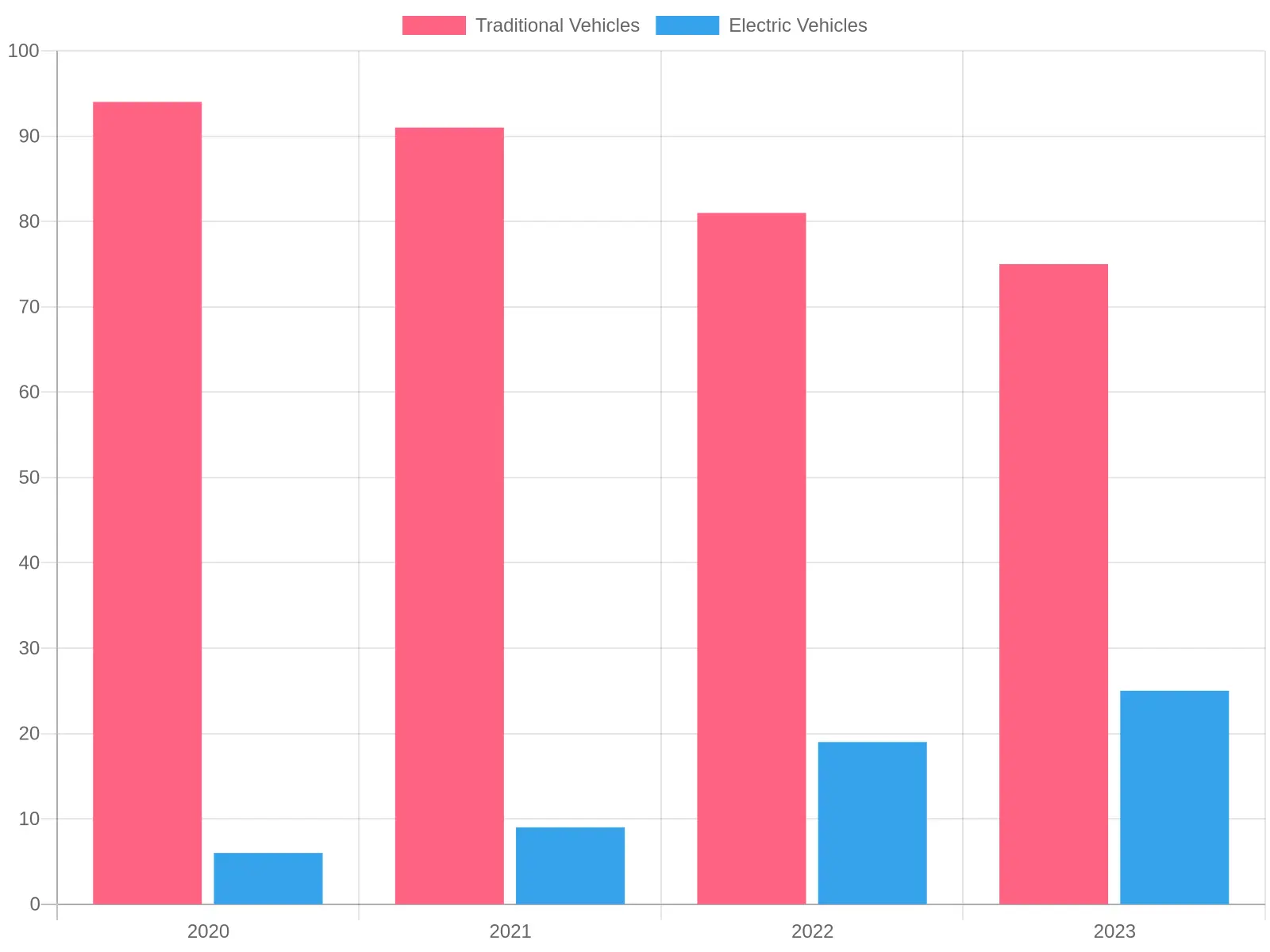
Vehicle registration statistics are crucial for understanding trends in automotive ownership in the U.S., particularly as the number of electric vehicles (EVs) continues to rise. The following chart illustrates the trends in traditional versus electric vehicle registrations from 2020 to 2023. It highlights the significant shift towards electric vehicles in recent years.
Traditional vs Electric Vehicles Over the Years
| Year | Traditional Vehicles | Electric Vehicles |
|---|---|---|
| 2020 | 94% | 6% |
| 2021 | 91% | 9% |
| 2022 | 81% | 19% |
| 2023 | 75% | 25% |
These statistics underline the transition in consumer preferences as more individuals opt for electric vehicles, driven by environmental concerns and advancements in technology. As you explore vehicle registration further, it’s helpful to understand the role these metrics play in assessing the broader automotive landscape. For additional insights on vehicle regulations, check out state rules impacting driver licensing.
The upward trend in electric vehicle registrations marks a vital change in the automotive industry, reflecting broader societal trends towards sustainability. Understanding these statistics can help all stakeholders, from new drivers to auto dealerships, navigate the evolving market effectively.